
“We are about to walk off the map.”
George Mallory.
“The Searchers” Collection takes us evocatively through the Heroic age to the present day, with astonishing stories of adventure and exploration, of men and women who dared to dream of what was over the horizon, told through the artefacts that both witnessed and participated in these incredible voyages of discovery.
From Robert Falcon Scott to Neil Armstrong, Ernest Shackleton to Ranulph Fiennes, Dr. David Livingstone and Henry Morton Stanley to Edmund Hillary and Tenzing Norgay, amongst so very many others.
Each final print is a composite of several hundred individual photographic frames, evocatively brought together to bring you hyper detailed, large format, photographs that reveal every mark and scratch from the conquest of Antarctica and the Moon, the deepest floor of the Pacific and the summit of Everest.
These are the ultimate artworks that allow you to live with your passions and your heroes, and to beautifully compliment your home; this stunning body of work is truly unique.
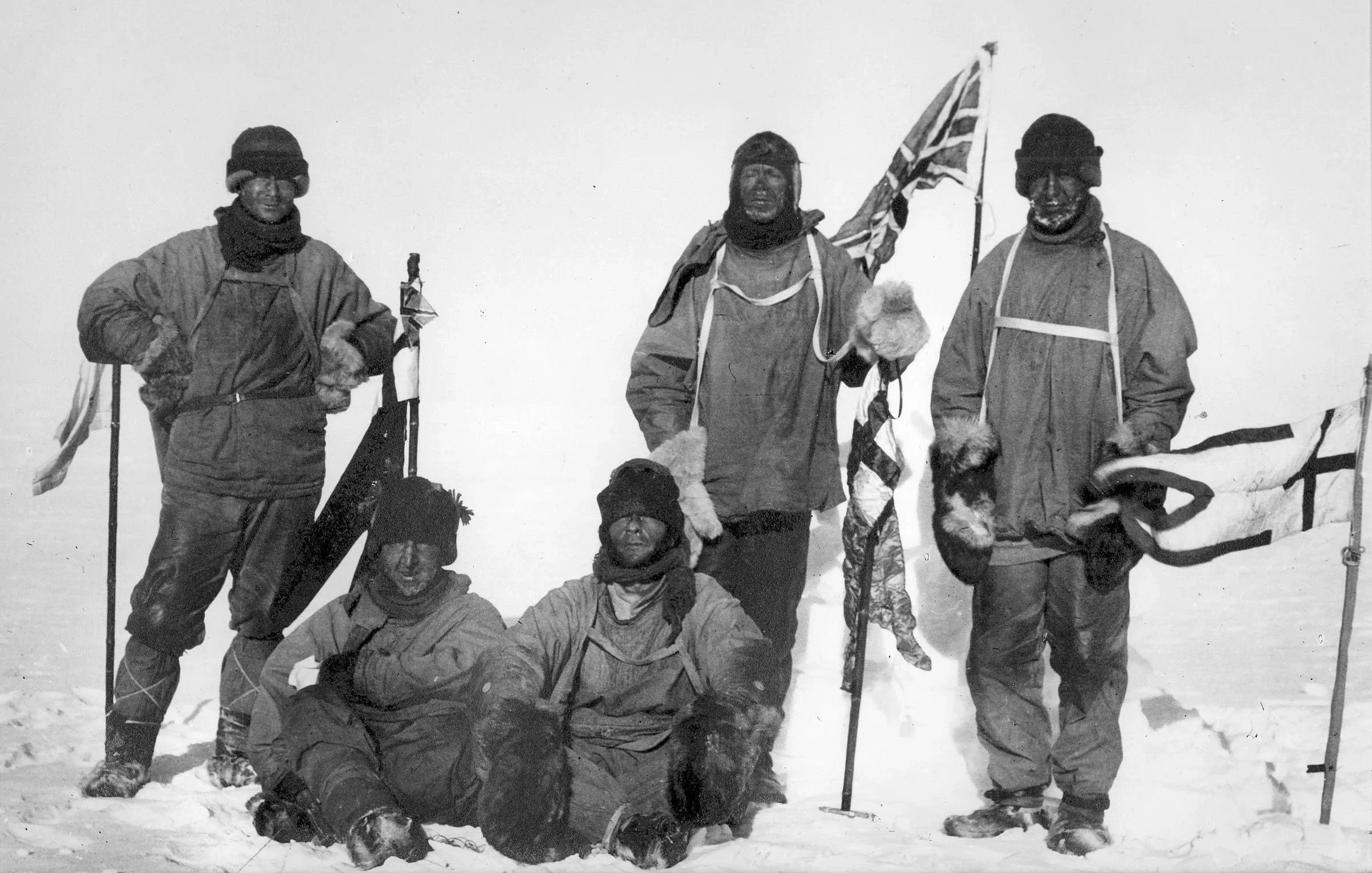
“Had we lived, I should have had a tale to tell of the hardihood, endurance and courage of my companions which would have stirred the heart of every Englishman. These rough notes and our dead bodies must tell the tale.”
Robert Falcon Scott.
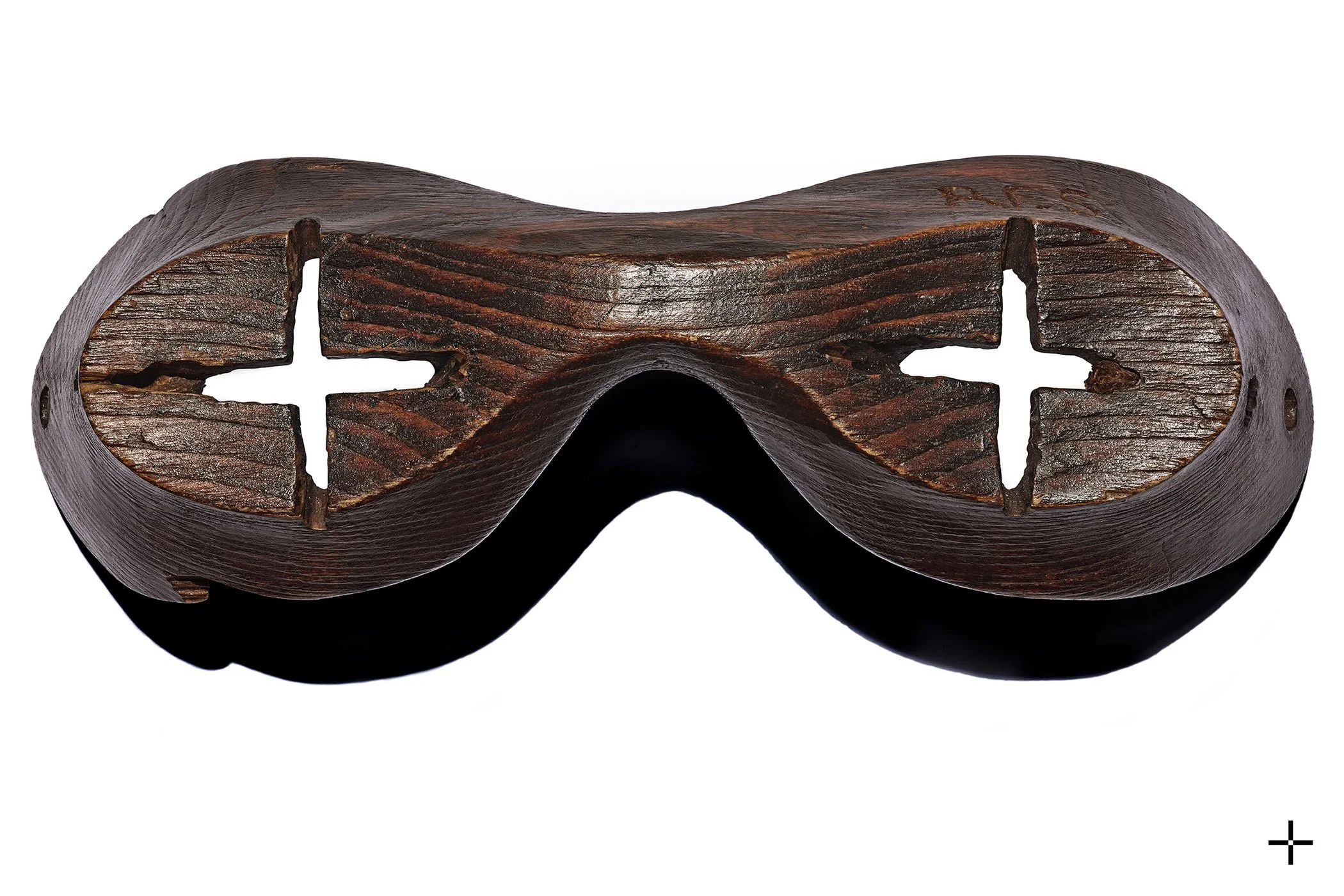
Captain Robert Falcon Scott’s polar goggles with carved initials, from the Terra Nova expedition of 1909.
-
-
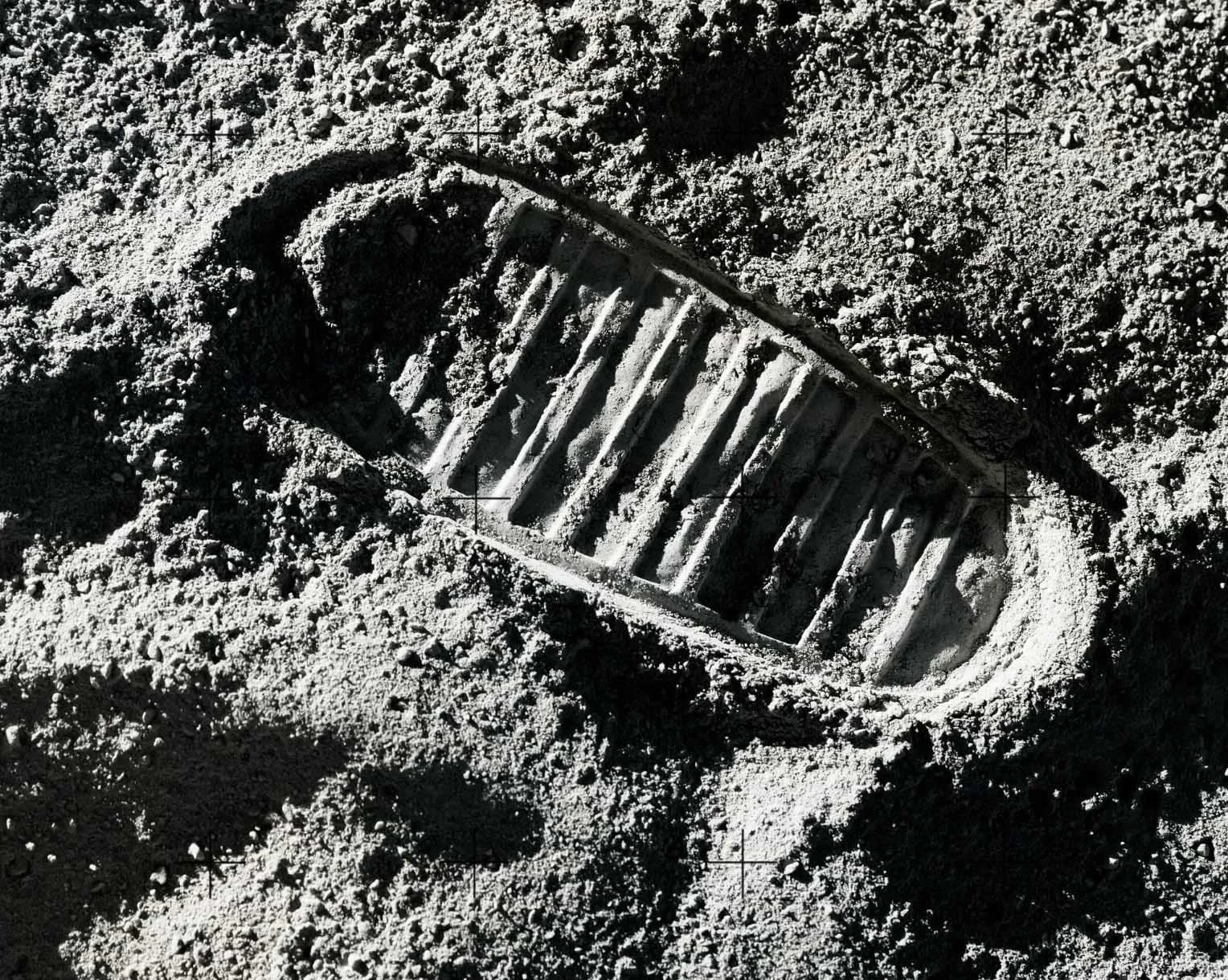
“Houston, Tranquillity Base here. The Eagle has landed.”
Neil Armstrong.
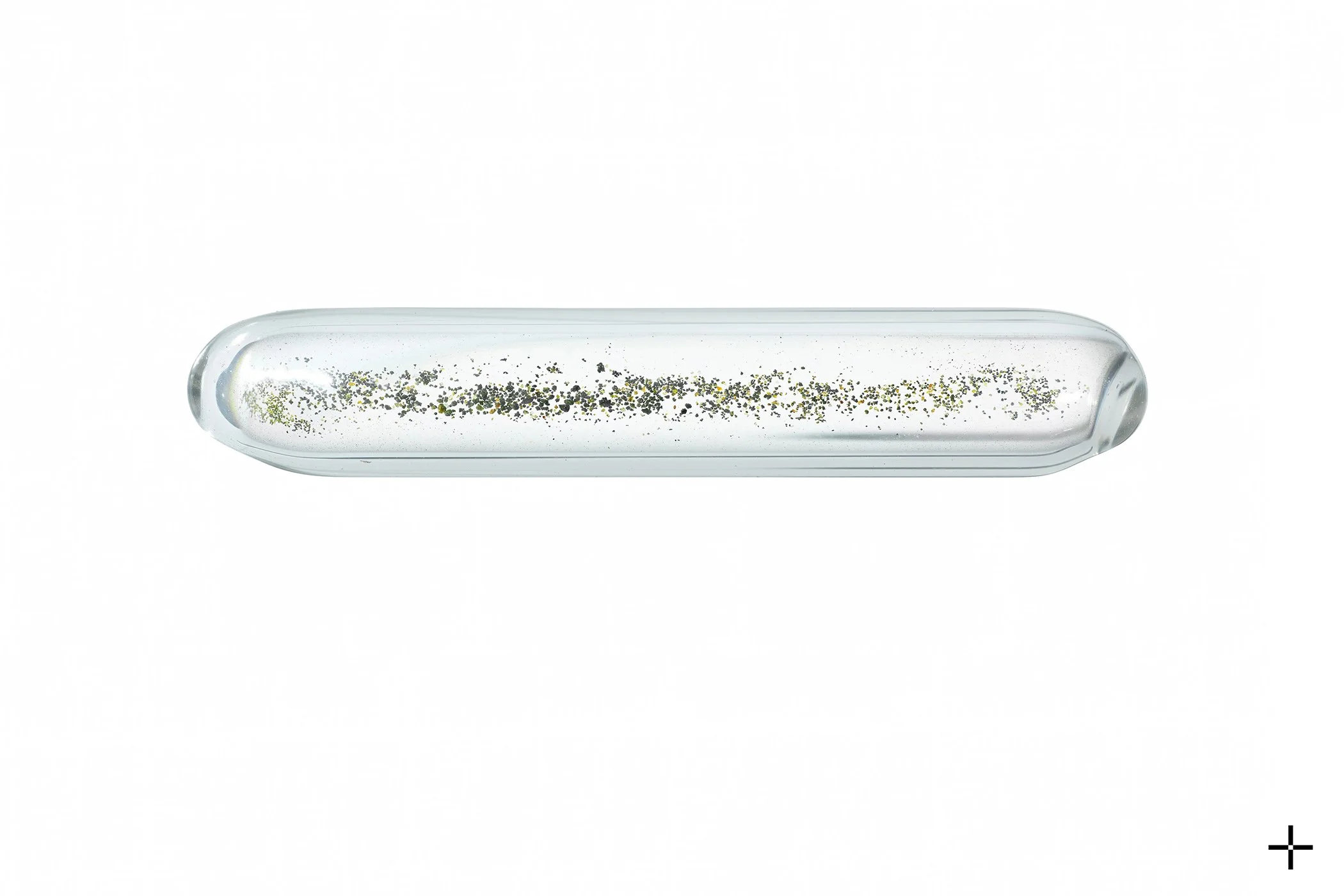
A 3 milligram vial of Moon dust, collected by Neil Armstrong on Apollo 11.
-
-
“The least of us is improved by the things done by the best of us, because if we are not able to land at least we are able to follow.”
Walter Cronkite.
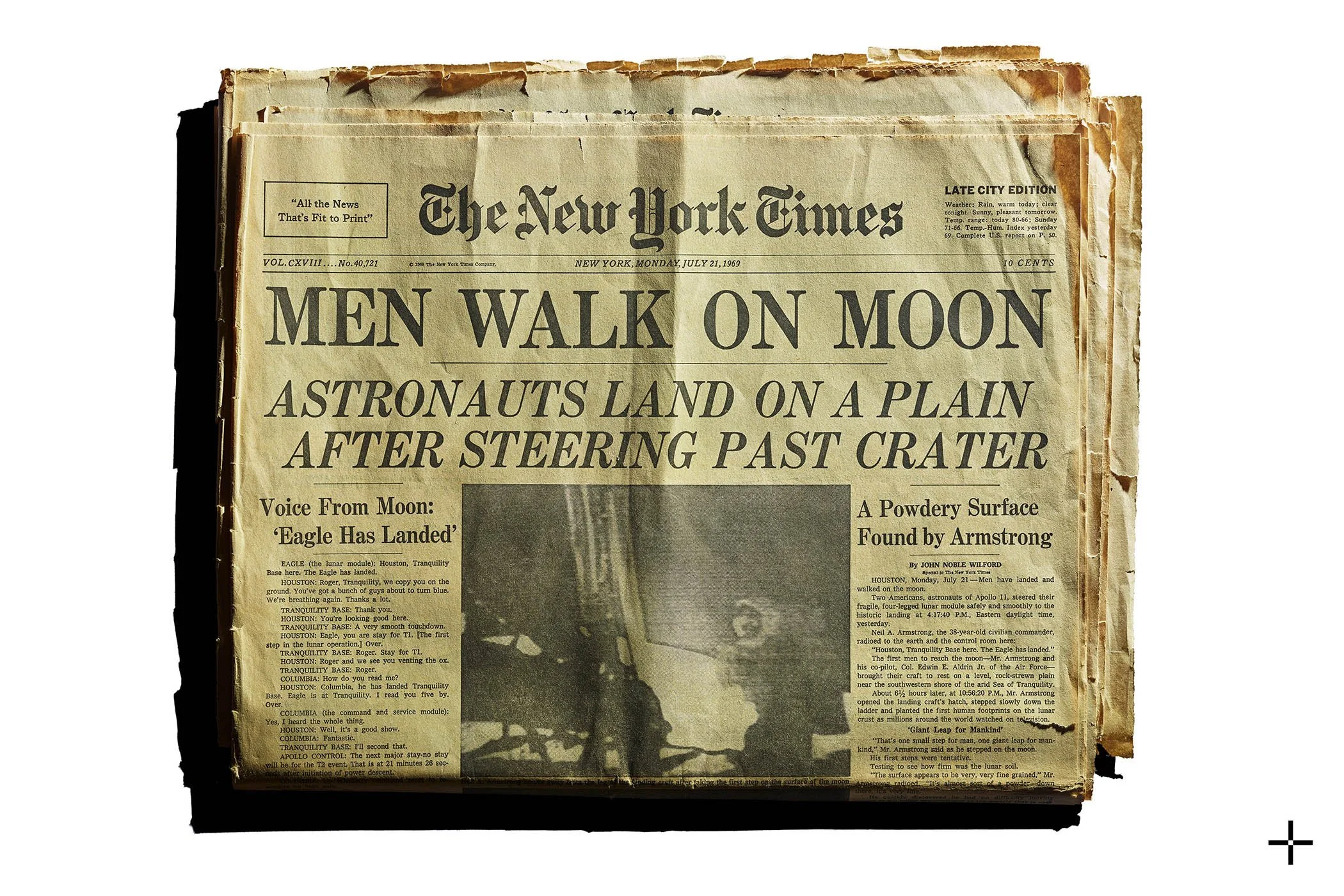
The front page of The New York Times the day after Neil Armstrong and Buzz Aldrin walked on the surface of the moon with Apollo 11.
“In these eight days of the Apollo 11 mission the world was witness to not only the triumph of technology, but to the strength of man’s resolve and the persistence of his imagination. Through all times the moon has endured out there, pale and distant, determining the tides and tugging at the heart, a symbol, a beacon, a goal. Now man has prevailed. He’s landed on the moon, he’s stabbed into its crust; he’s stolen some of its soil to bring back in a tiny treasure ship to perhaps unlock some of its secrets.
“The date’s now indelible. It’s going to be remembered as long as man survives, July 20th, 1969, the day a man reached and walked on the moon. The least of us is improved by the things done by the best of us. Armstrong, Aldrin and Collins are the best of us, and they’ve led us further and higher than we ever imagined we were likely to go.”
Walter Cronkite.
-
-
“Through endurance we conquer.”
Ernest Shackleton.
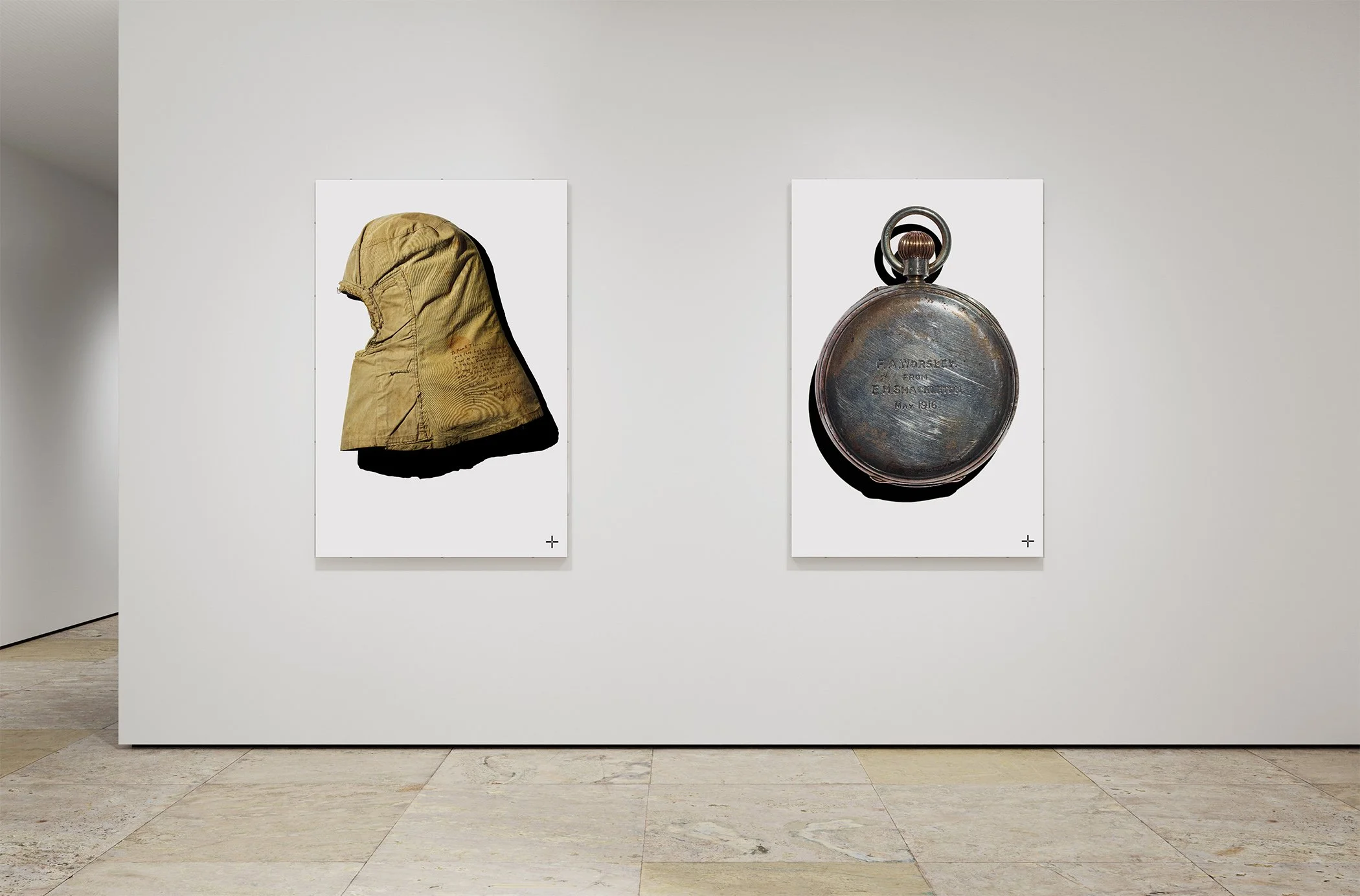
Sir Ernest Shackleton’s signed balaclava from the 1909 Nimrod expedition, and the chronometer used on the James Caird that he gifted to Frank Worsley on their safe return in 1916.
60”x40” limited edition prints.
-
“Always there has been an adventure just around the corner, and the world is still full of corners.”
Roy Chapman Andrews.
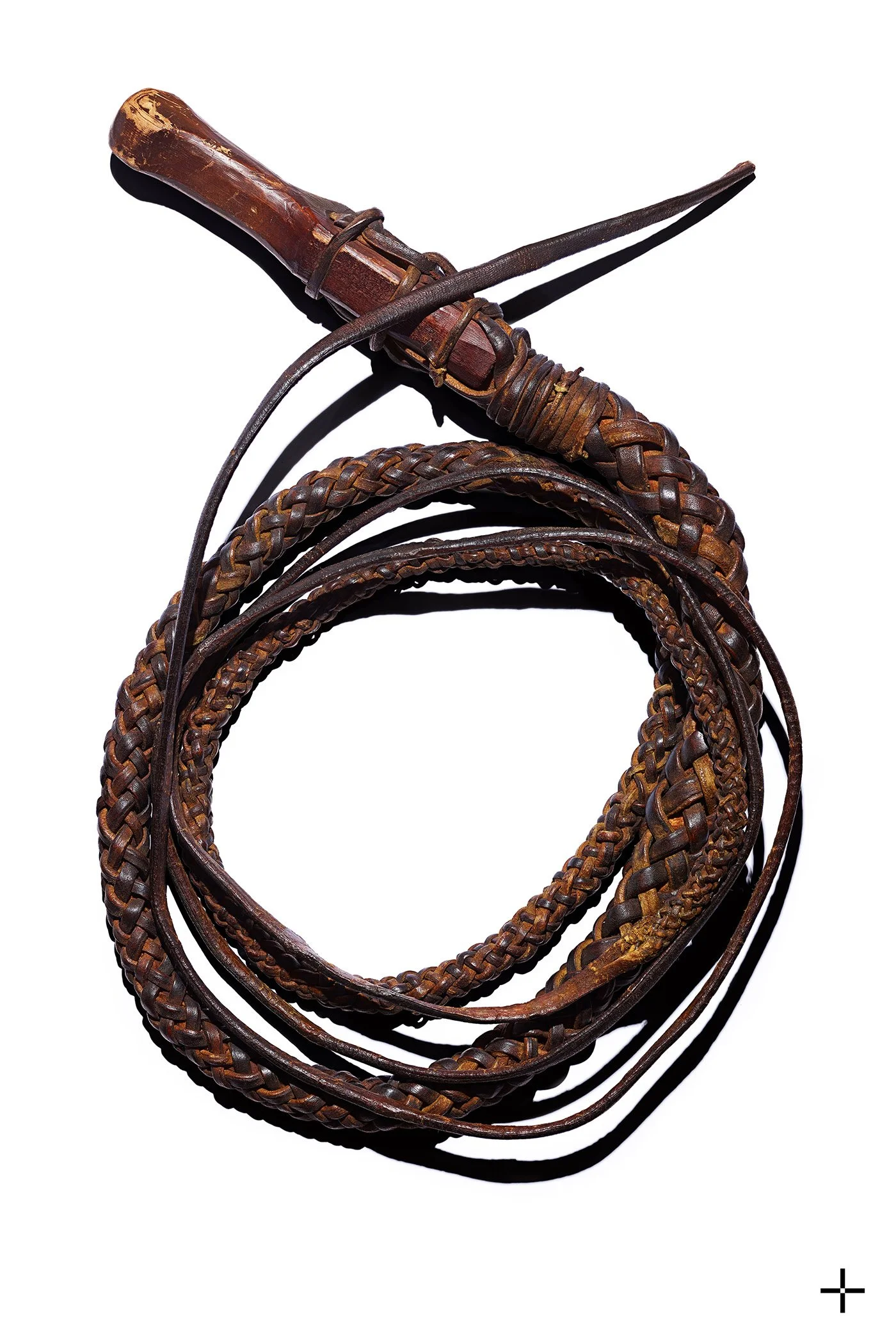
Bull whip carried by Roy Chapman Andrews, Director of the American Museum of Natural History, believed to be the inspiration for Indiana Jones. He was the first to discover definitive proof that dinosaurs gave birth to eggs and not live young.
-
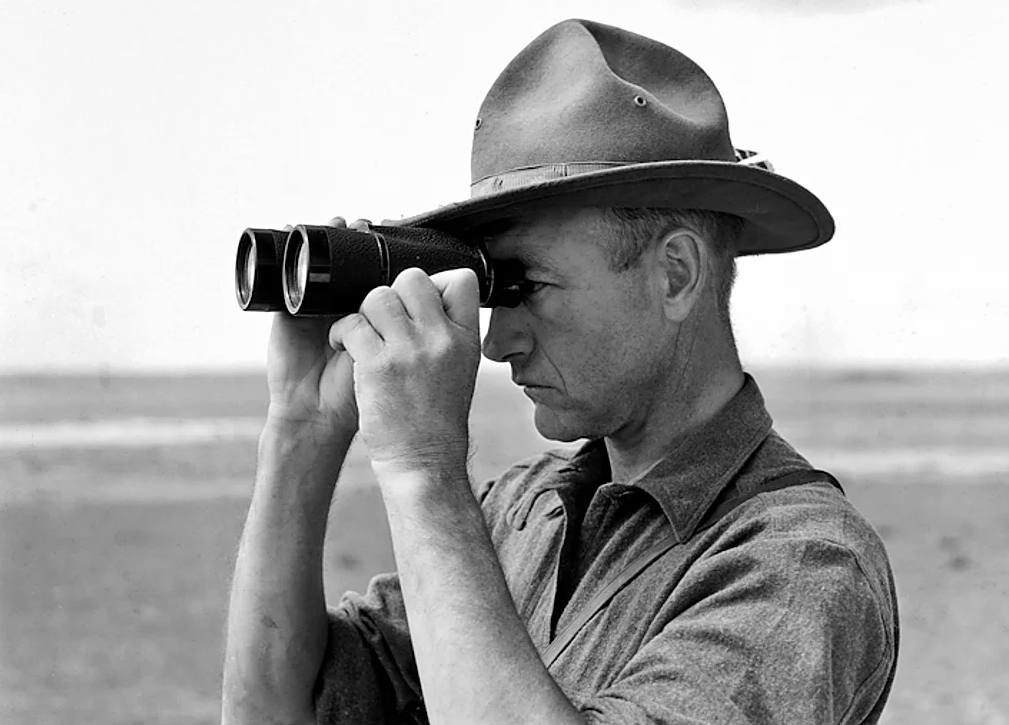
-
“It is not the mountain we conquer, but ourselves.”
George Mallory.
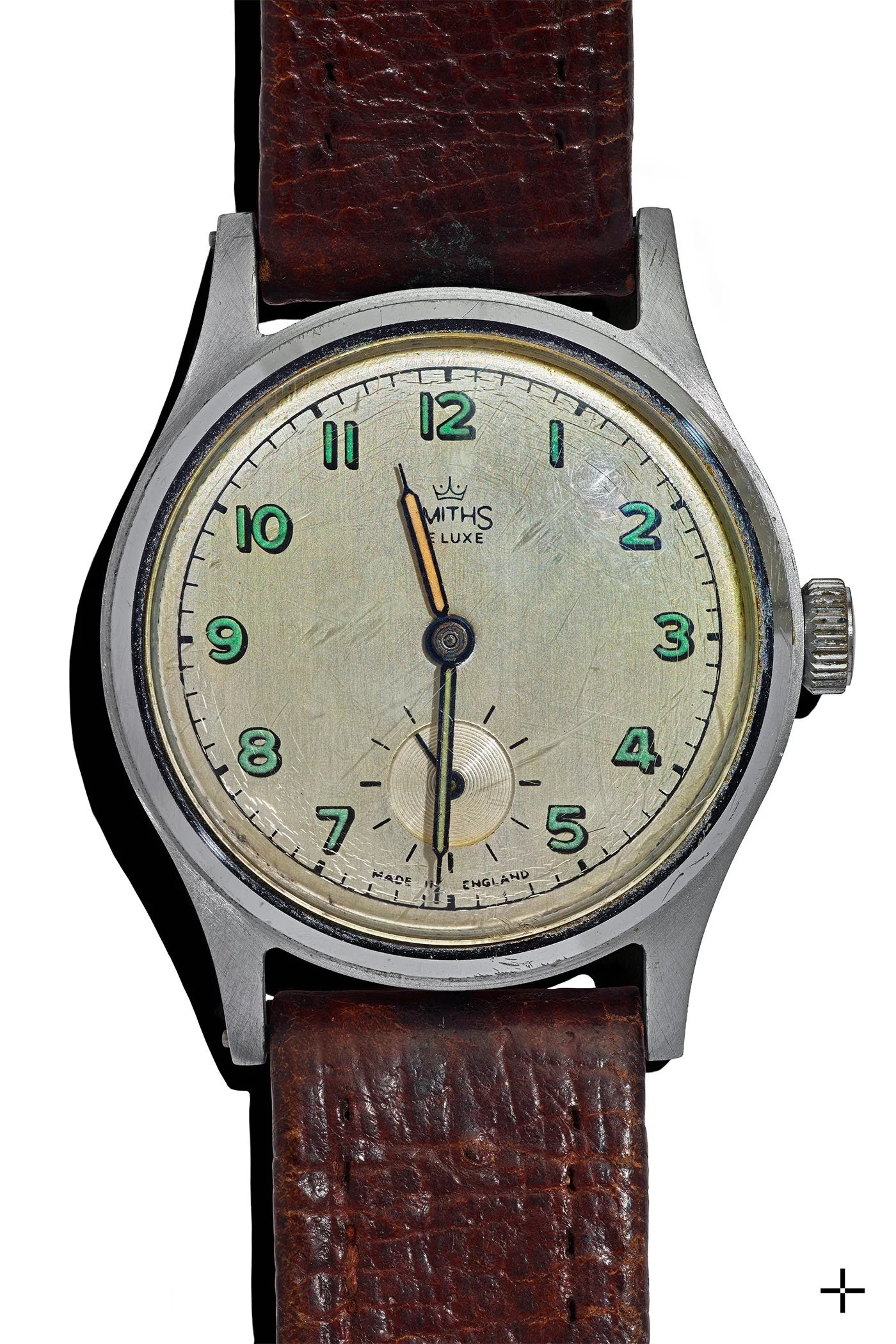
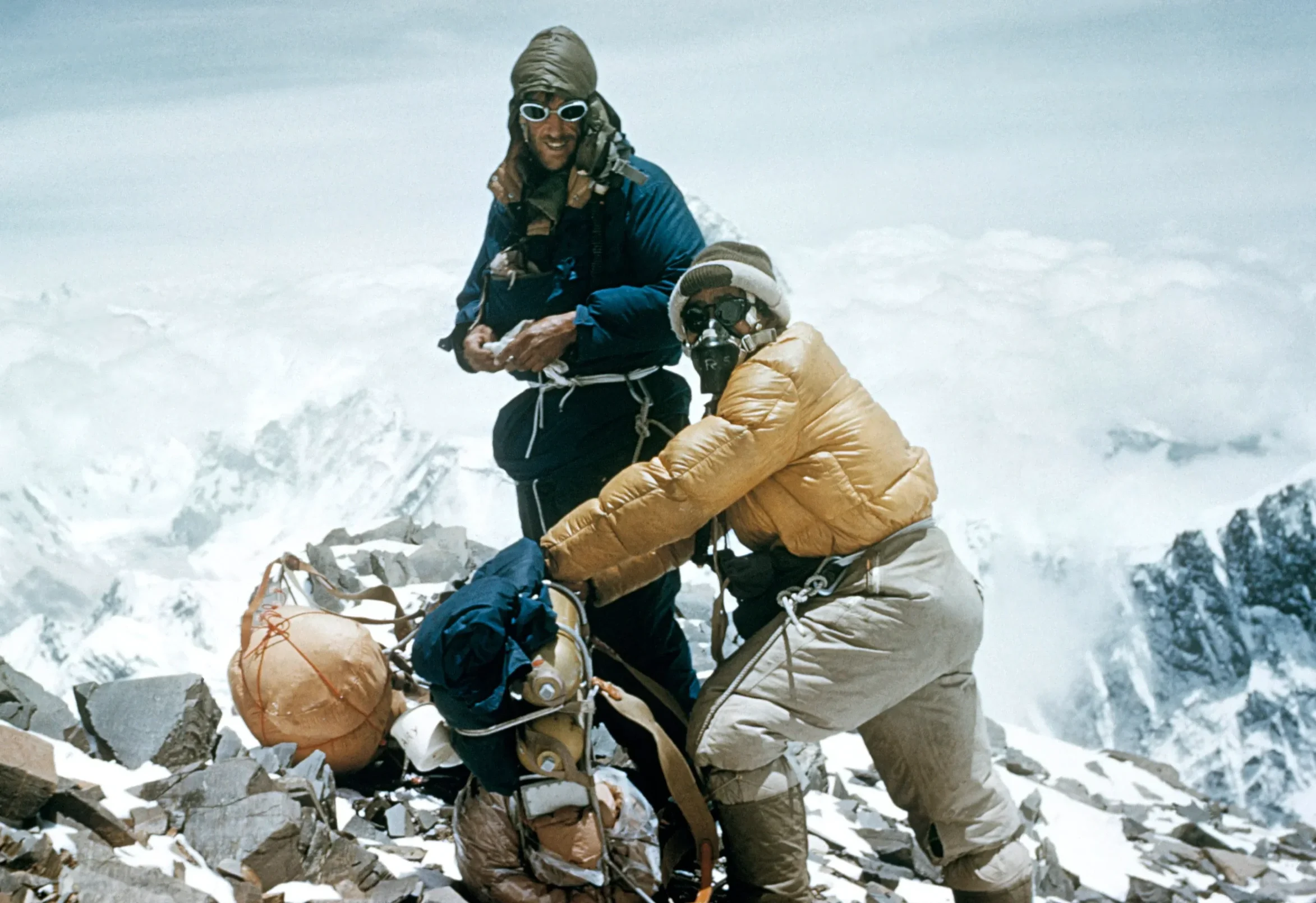
At 11:30 on the morning of May the 29th, 1953, Edmund Hillary and Tenzing Norgay made it to the summit of Mount Everest, the top of the world. This is the Smith’s watch Hillary wore there.
-
-
“We look up. For weeks, for months, that is all we have done. Look up. And there it is-the top of Everest. Only it is different now: so near, so close, only a little more than a thousand feet above us. It is no longer just a dream, a high dream in the sky, but a real and solid thing, a thing of rock and snow, that men can climb. We make ready. We will climb it. This time, with God's help, we will climb on to the end.”
Tenzing Norgay.
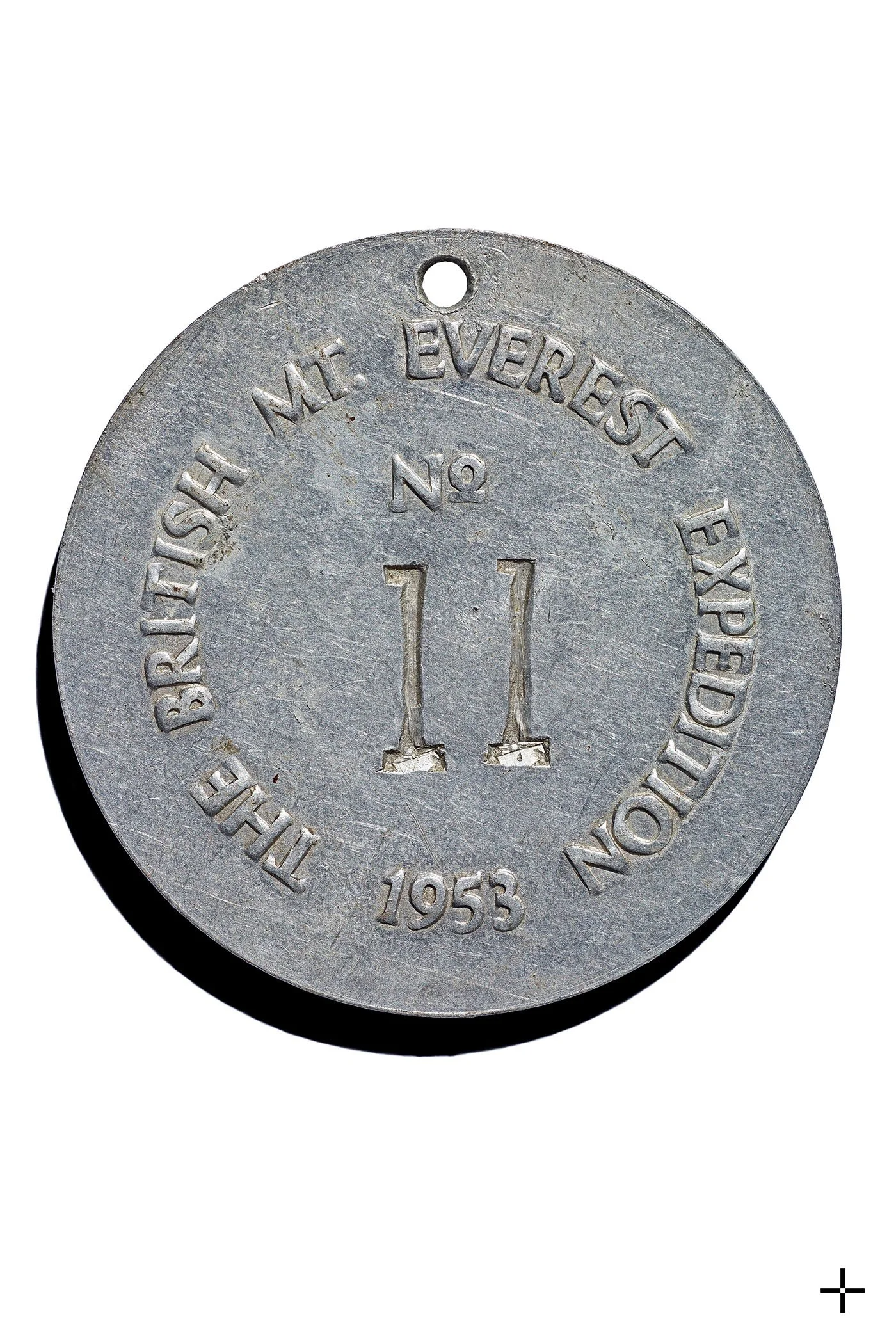
The British Mount Everest Expedition identity disc, issued to Sherpa Tenzing Norgay and worn by him at the summit in 1953.
-
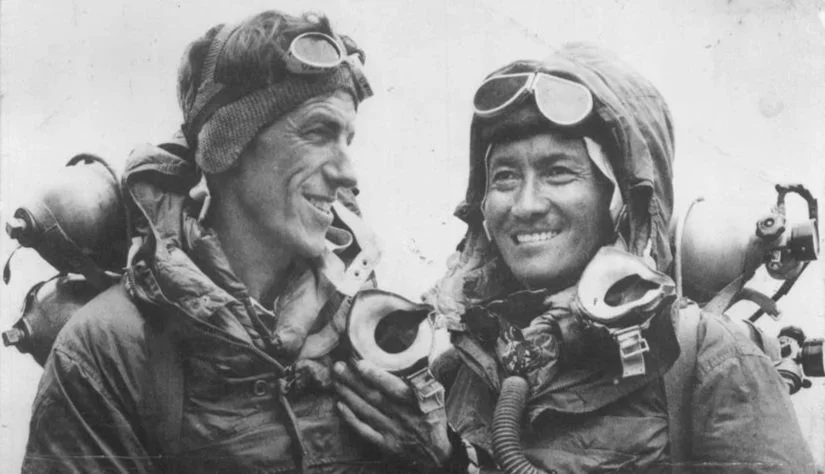
-
“People do not decide to become extraordinary. They decide to accomplish extraordinary things.”
Edmund Hillary.
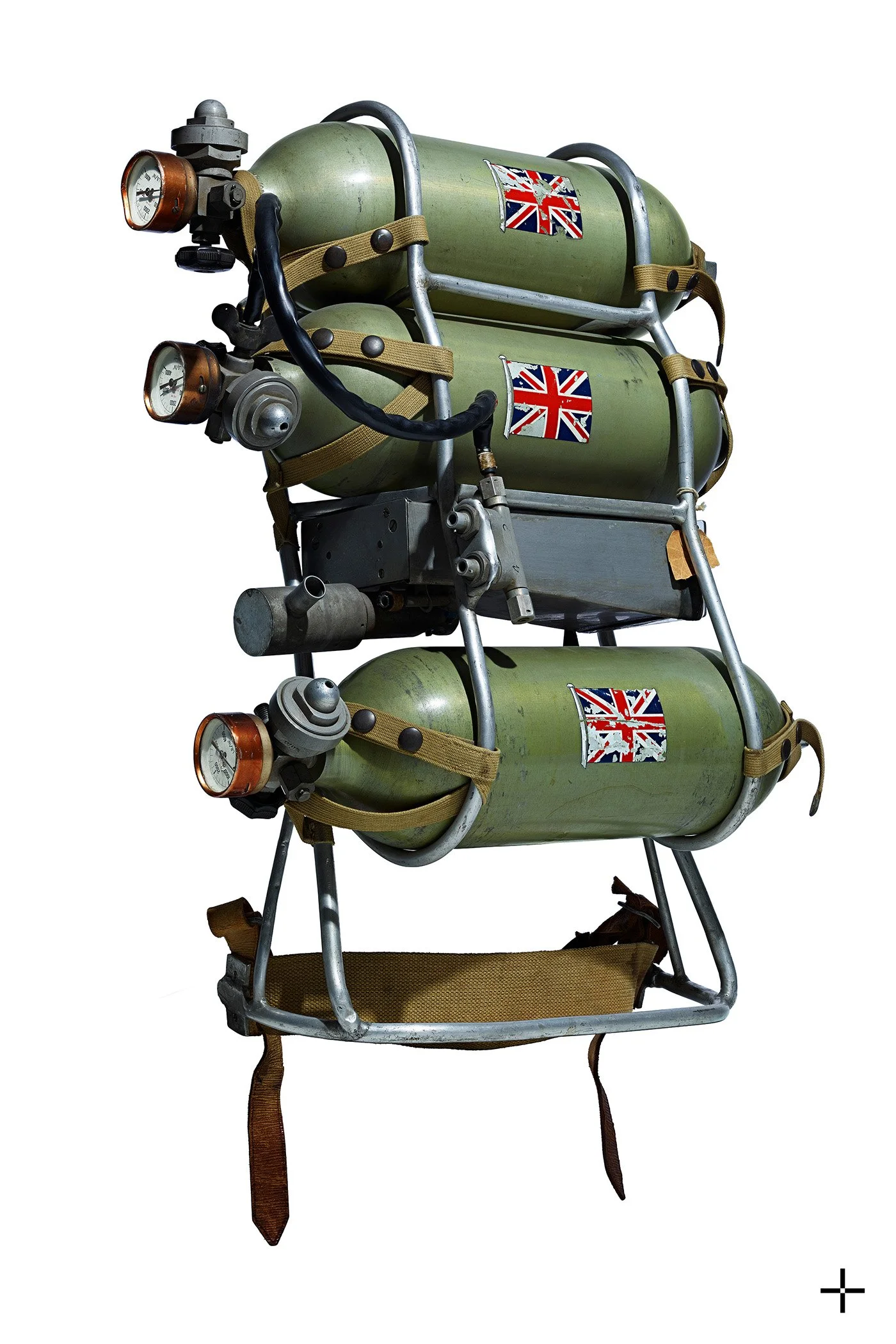
Breathing equipment from the 1953 British Mount Everest Expedition, developed in conjunction with German valve manufacturer Drager.
-
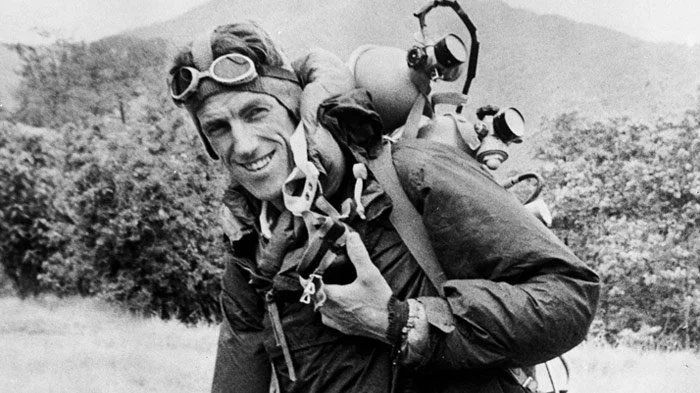
-
“Still, whatever you do in life there are always people who take a delight in telling you you’re wrong, who raise a difficulty for every solution; happily this sort of advice more often than not comes from those.”
Robin Knox-Johnston.
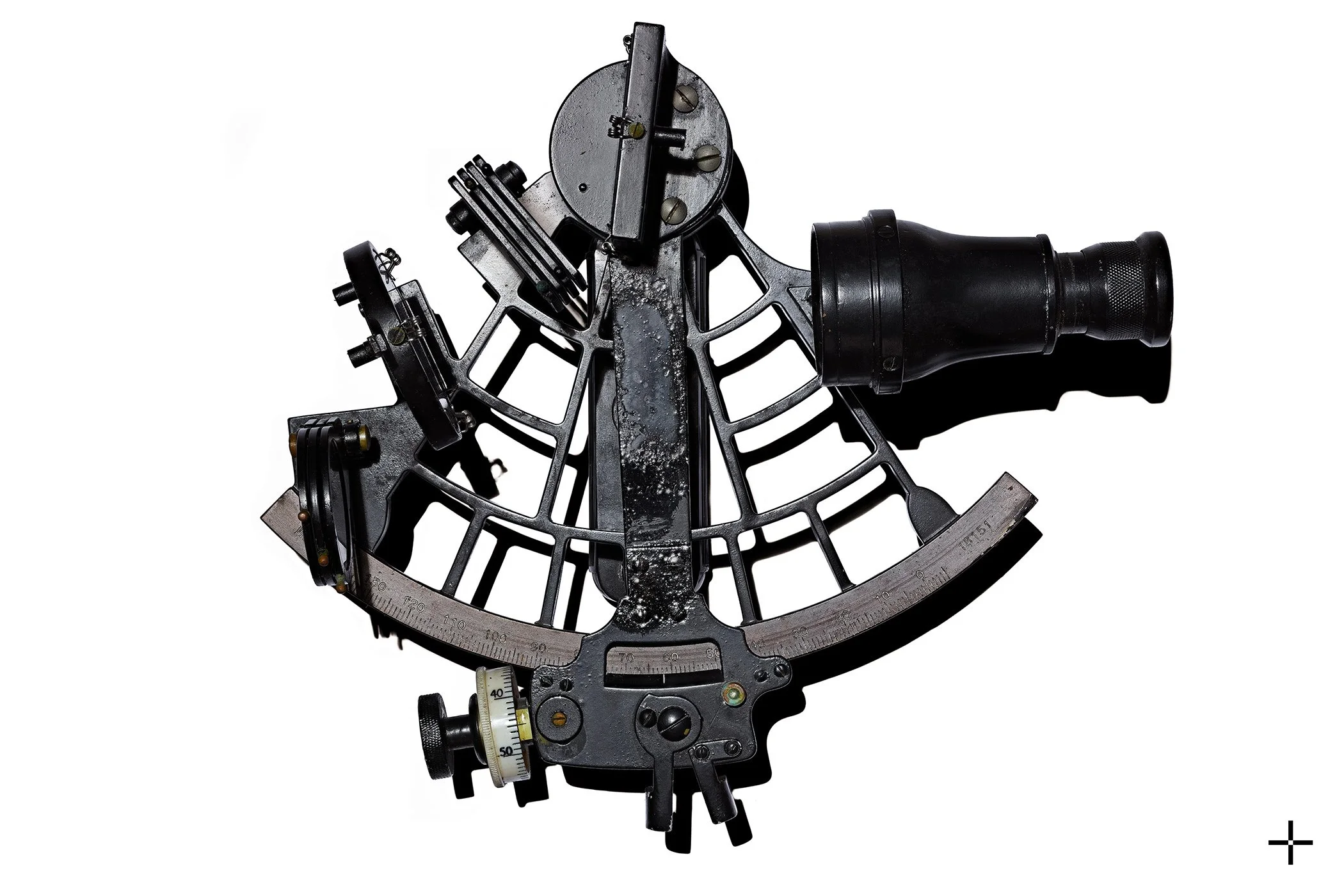
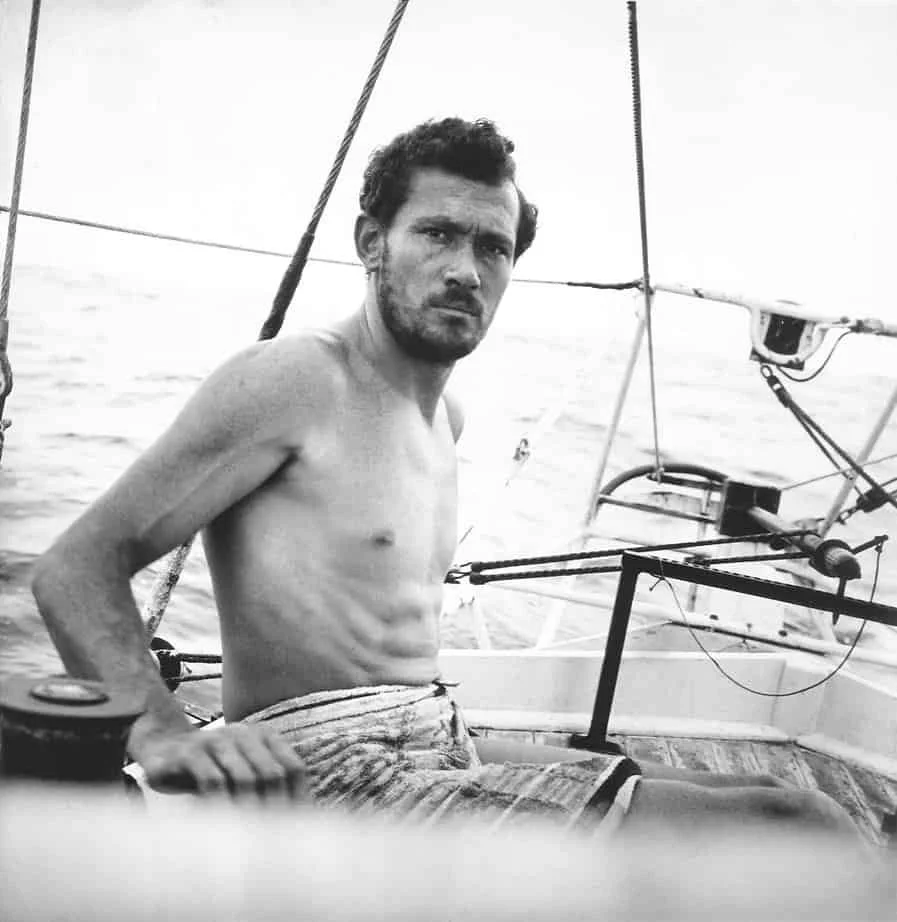
A Kriegsmarine WWII sextant, with its eagle and swastika removed, as used by Sir William Robert Patrick Knox-Johnston CBE RD, who became the first person to perform a single-handed, non-stop, circumnavigation of the globe in 1969, having taken 312 days.
-
-
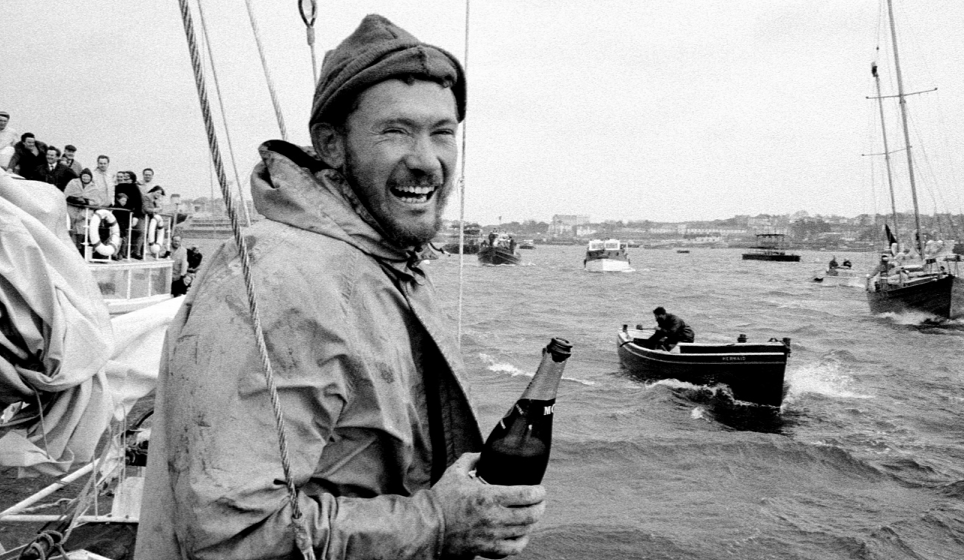
“My mother, when asked for her opinion of the voyage before I sailed, had replied that she considered it ‘totally irresponsible’ and on this Christmas Day I began to think she was right. I was sailing round the world simply because I bloody well wanted to – and, I realized, I was thoroughly enjoying myself.”
Robin Knox-Johnston.
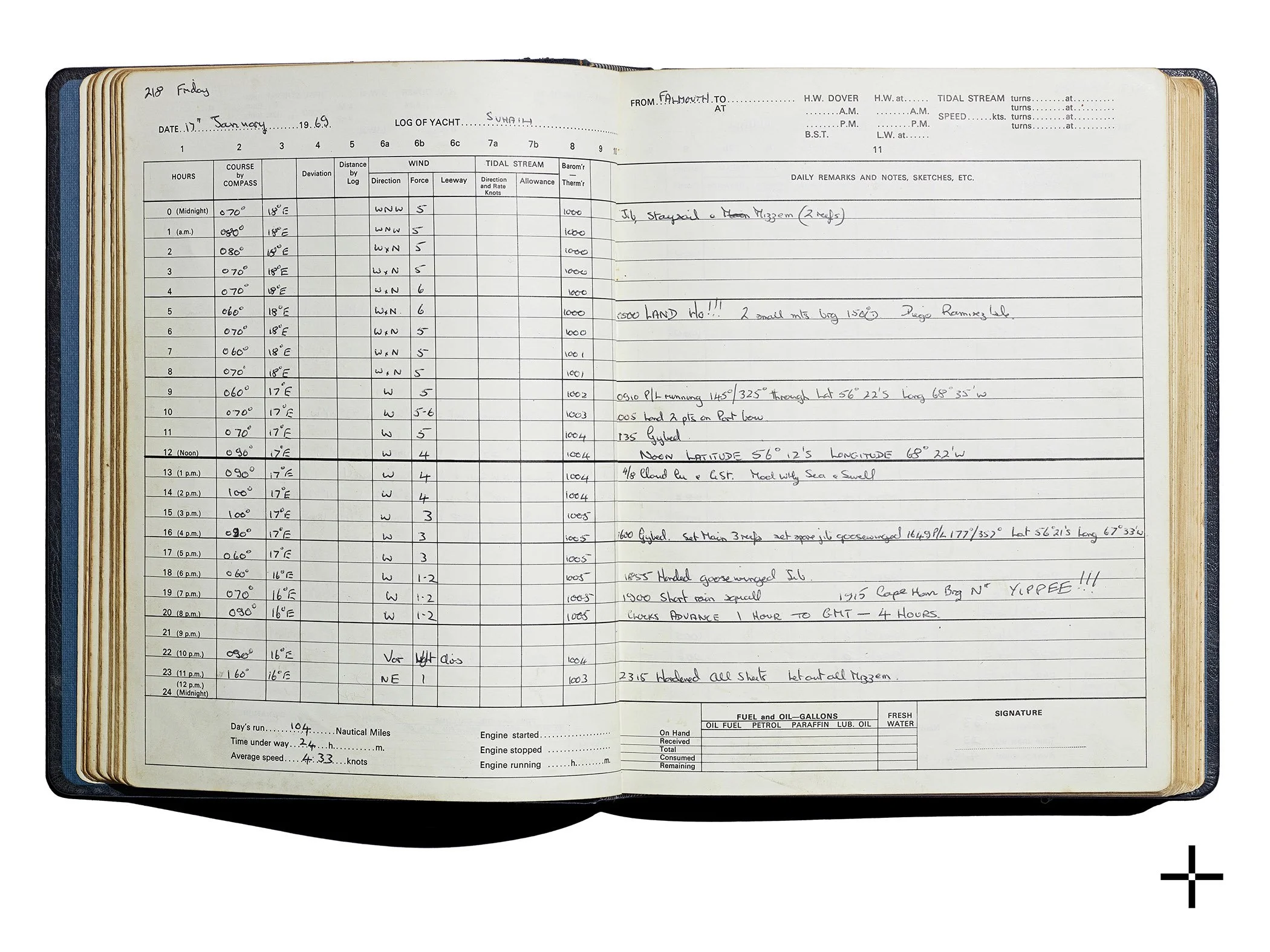
Sir Robin Knox Johnstone’s log book for his boat “Suhali”, opened at the page when he rounded Cape Horn on the 17th of January, 1969: “YIPPEE!!!”
-
-
“Never take “No” for an answer.”
Virginia Fiennes.
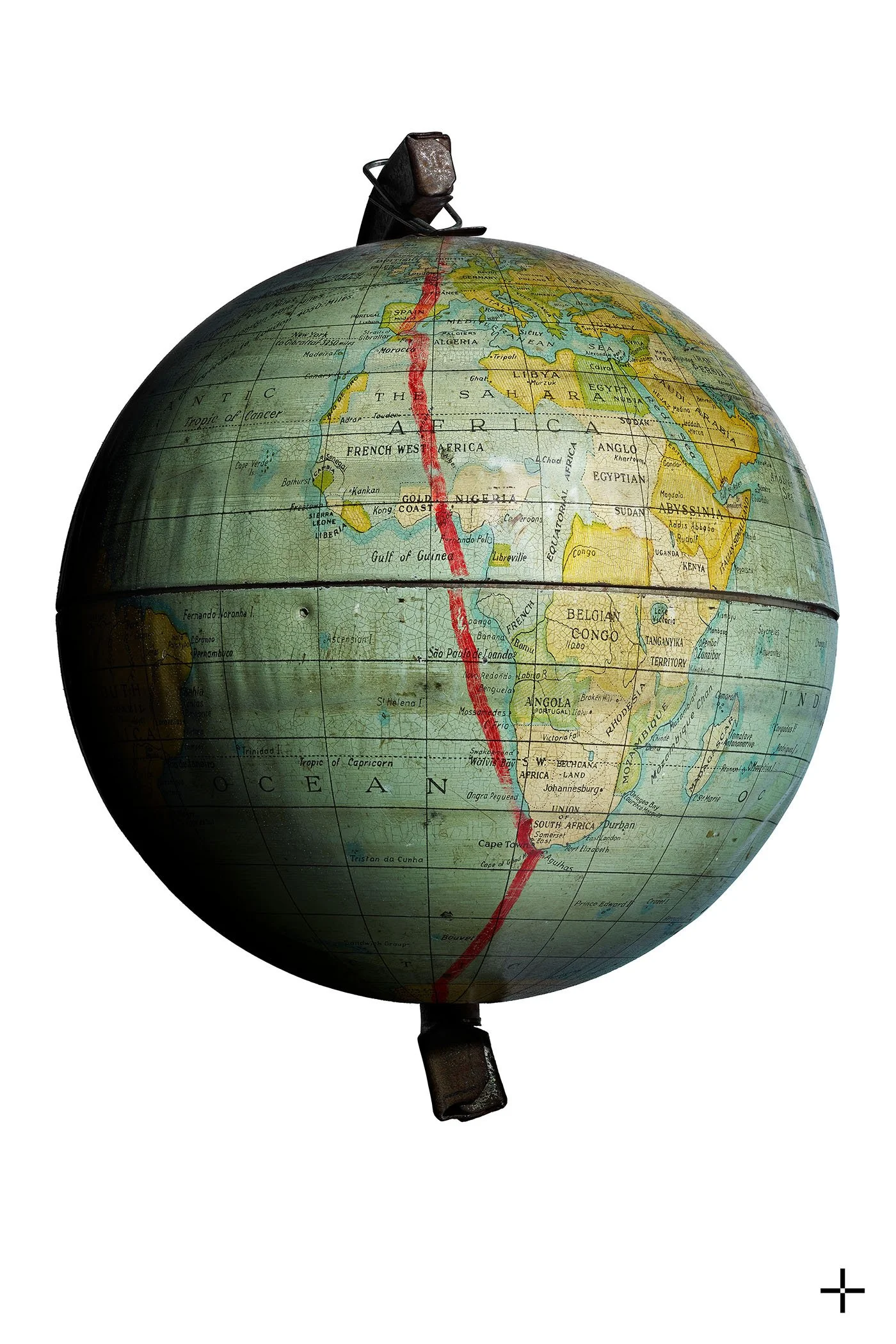
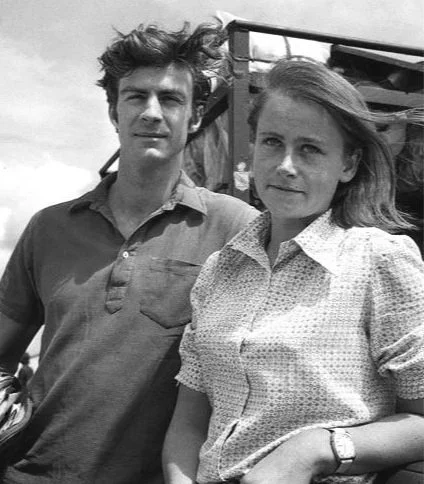
In 1972, Lady Virginia “Ginny” Fiennes drew a red crayon line around an old 6-inch tin globe from her school days to plot a route from London, over the North Pole, down to the South Pole, and back, aiming to circumnavigate the world along its vertical axis. This became the blueprint for the successful Transglobe expedition, 1979-’82. She was the first woman to receive the Polar Medal.
-
-
“I am doing this for many reasons, some of which I don’t fully understand. That there is an inner urge is undeniable.”
Ranulph Fiennes.
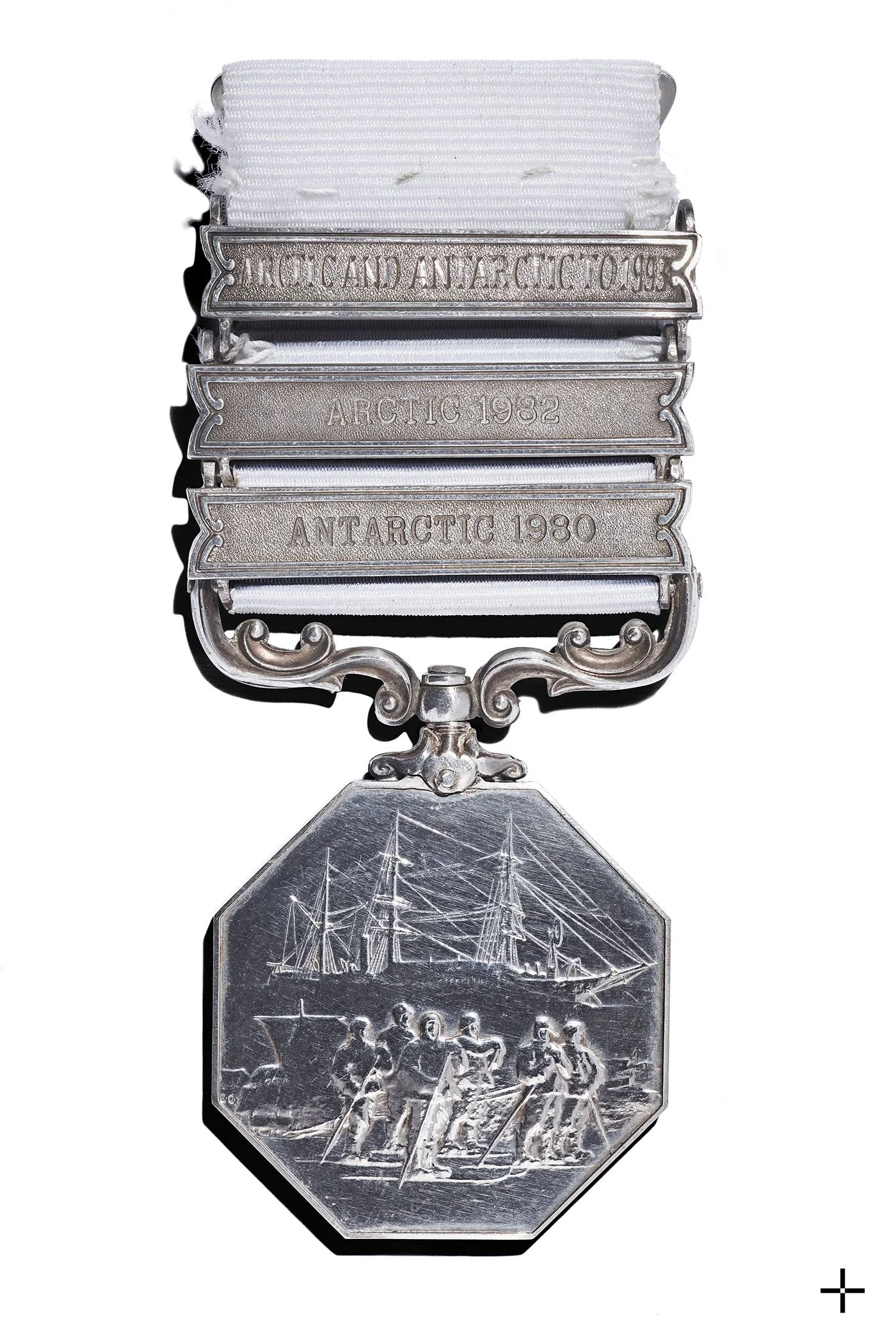
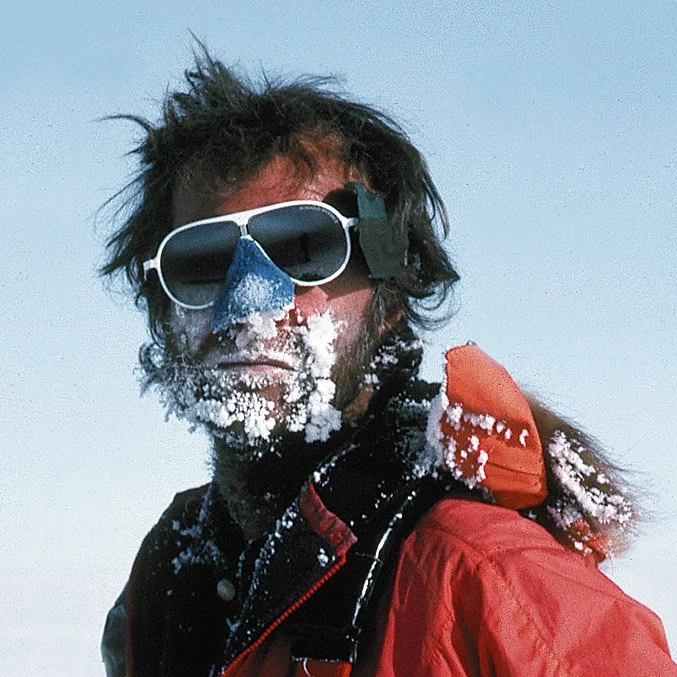
Sir Ranulph Twisleton-Wykeham-Fiennes, 3rd Baronet OBE, known as Ran to his friends, is the only man to have been awarded the Polar medal and double clasp, for expeditions to both Poles twice. He is often referred to as the greatest living explorer.
His wife Ginny Fiennes was the first woman to receive the Polar Medal, though the medal’s whereabouts are currently unknown.
-
-
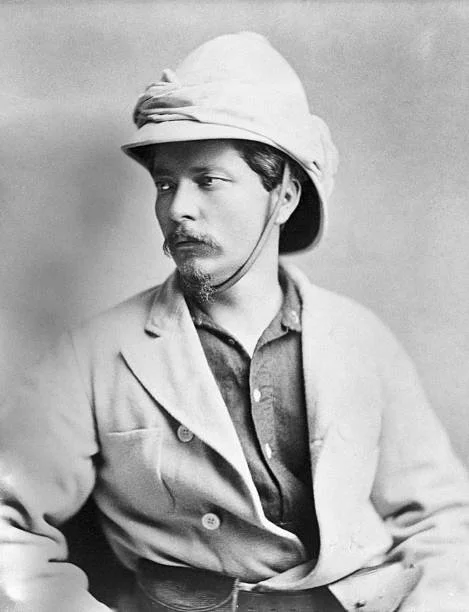
“Doctor Livingstone, I presume?”
Henry Morton Stanley.
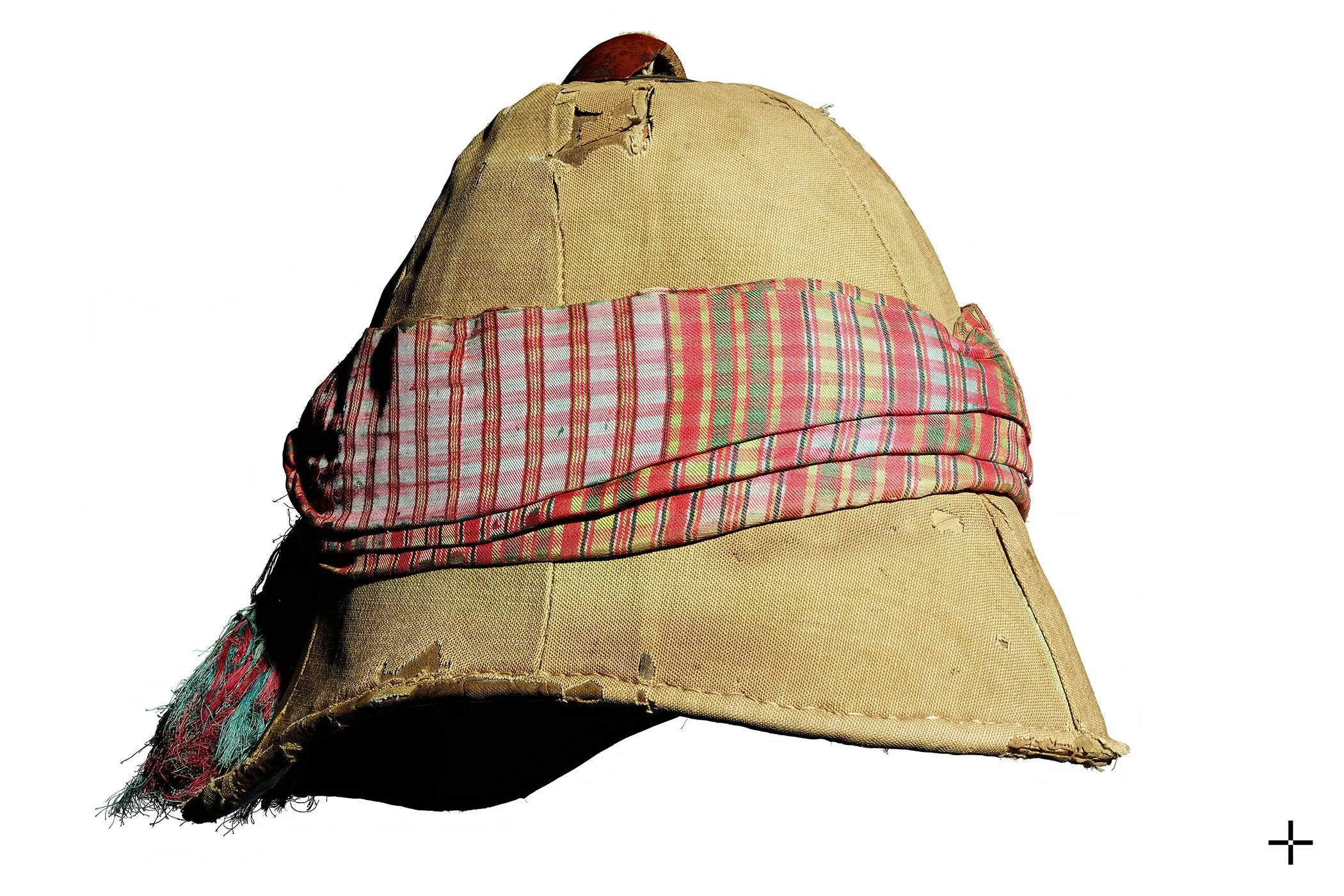
Henry Morton Stanley, war correspondent, explorer, author, colonial administrator and politician famous for his exploration of Central Africa and search for missionary and explorer David Livingstone.
-
Click here for print availability.
-
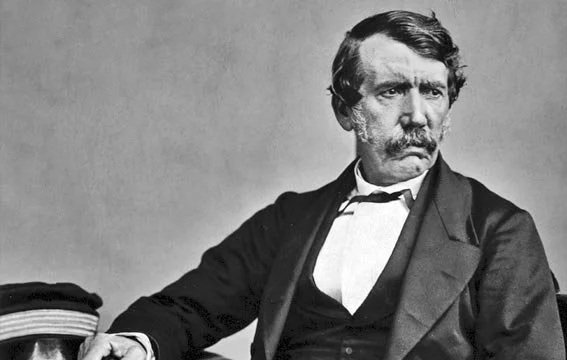
“If you have men who will only come if they know there is a good road, I don't want them. I want men who will come if there is no road at all.”
David Livingstone.
Dr. David Livingstone, Scottish doctor, Congregationalist, pioneer Christian missionary, anti-slavery crusader and explorer in Africa; 1813-1873.
-
-
“Man has only to sink beneath the surface and he is free.”
Jacques Cousteau.
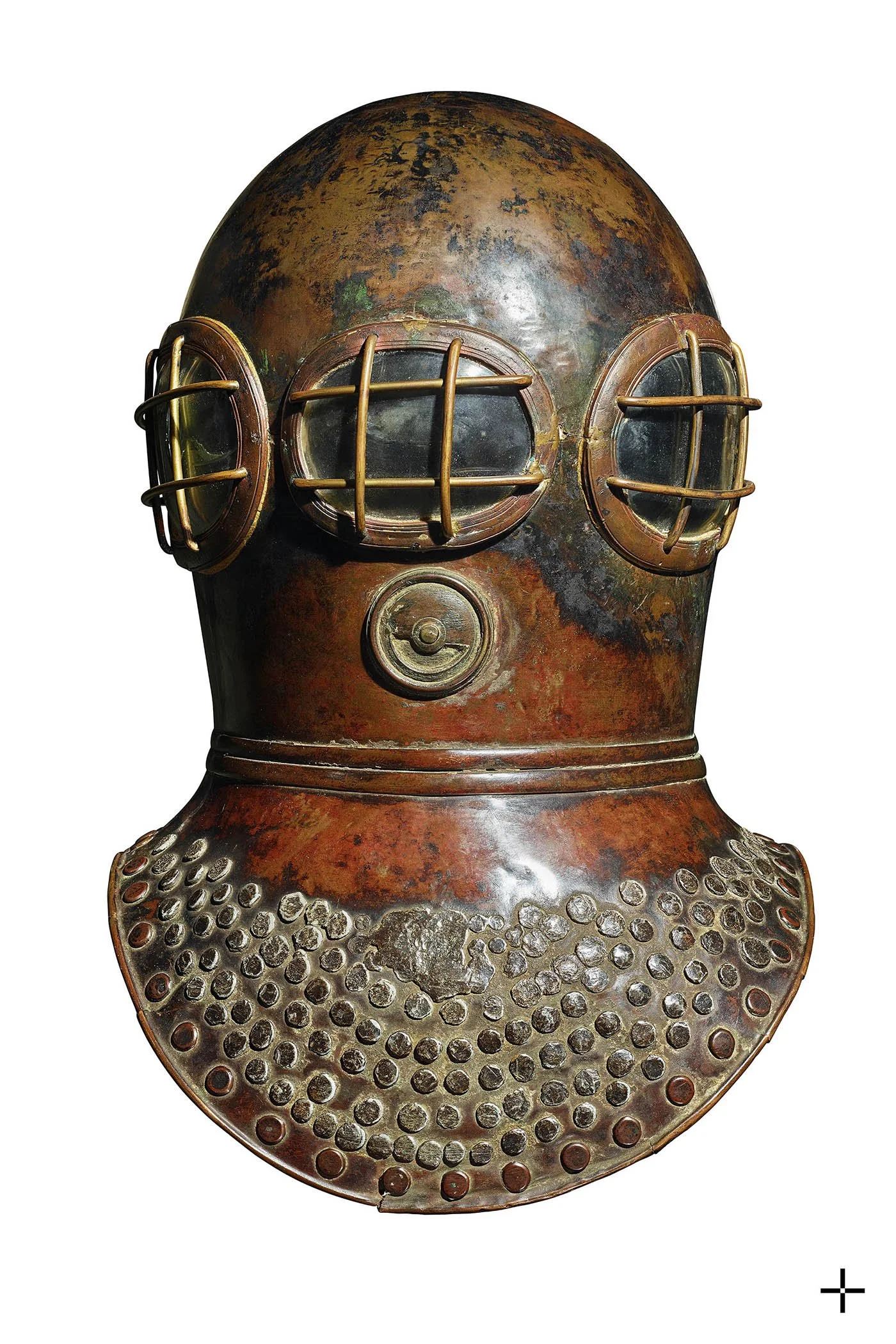
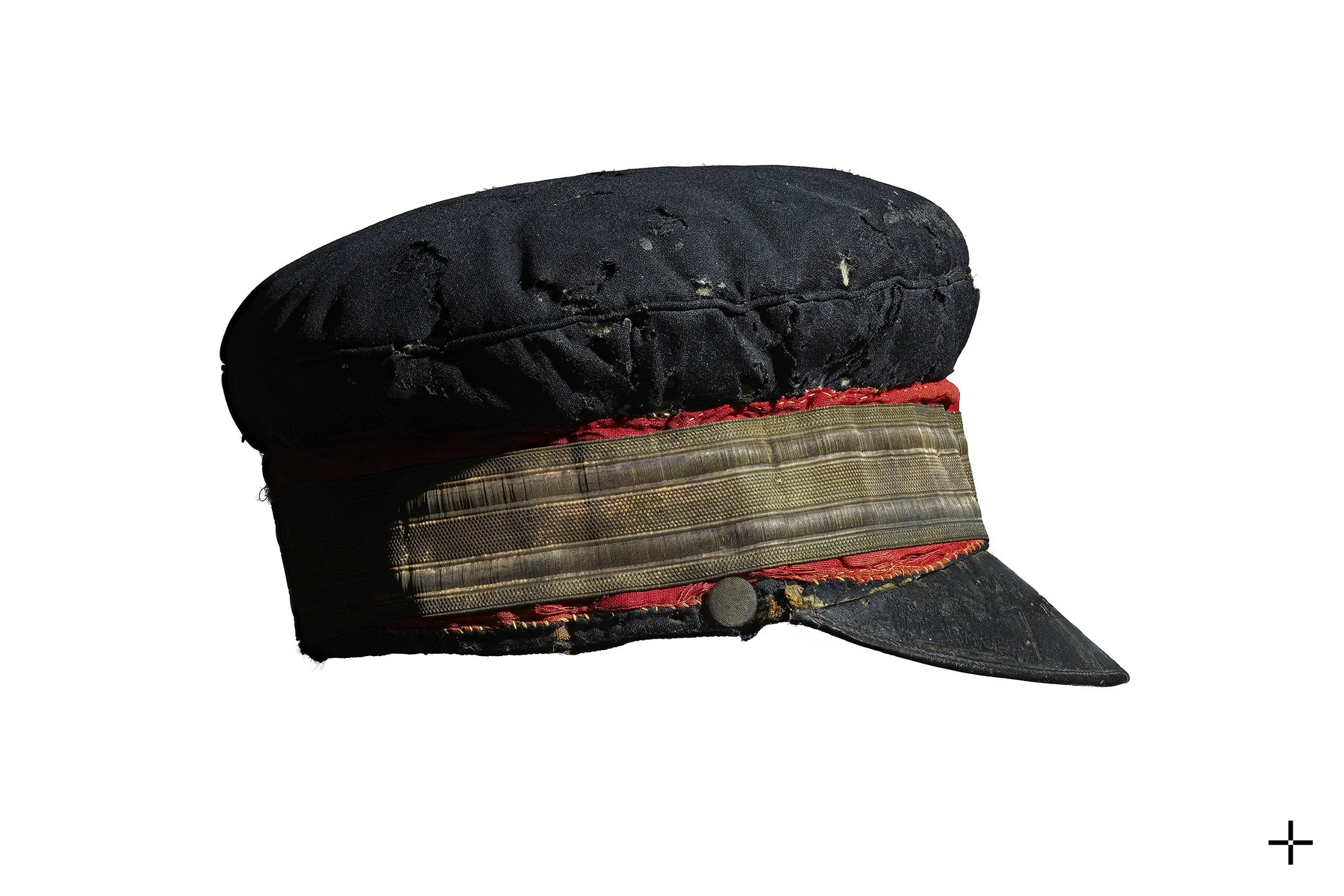
John Deane’s original prototype for the first ever diving helmet, converted from his and his brother’s design for an anti smoke inhalation device. 1826.
-
-
““I love you,” I whispered into the ear of the ocean. Every since I’ve known you, I’ve loved you. I must see all your marvels, know all your beauty… And the ocean listened and came closer to me.”
Hans Hass.
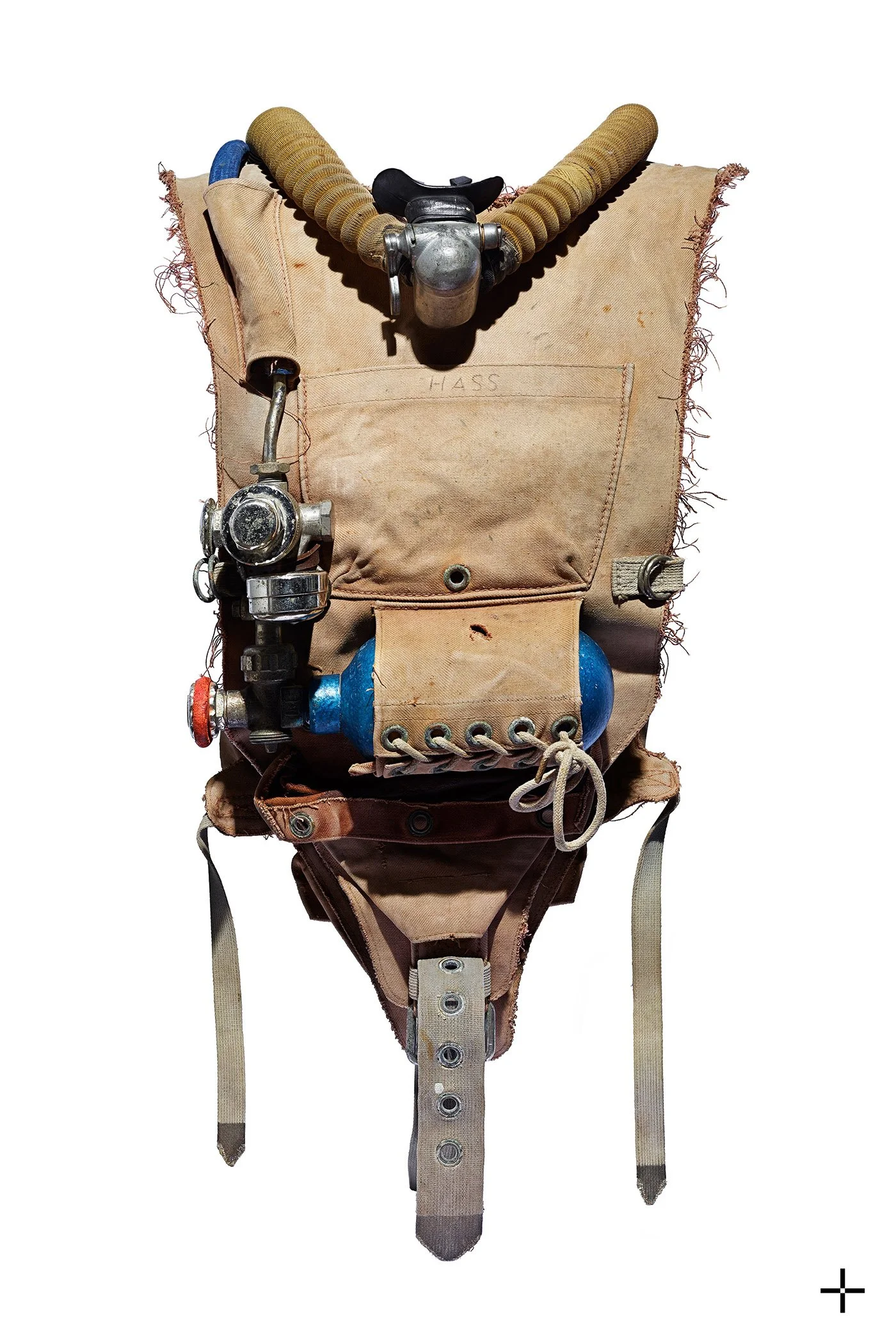
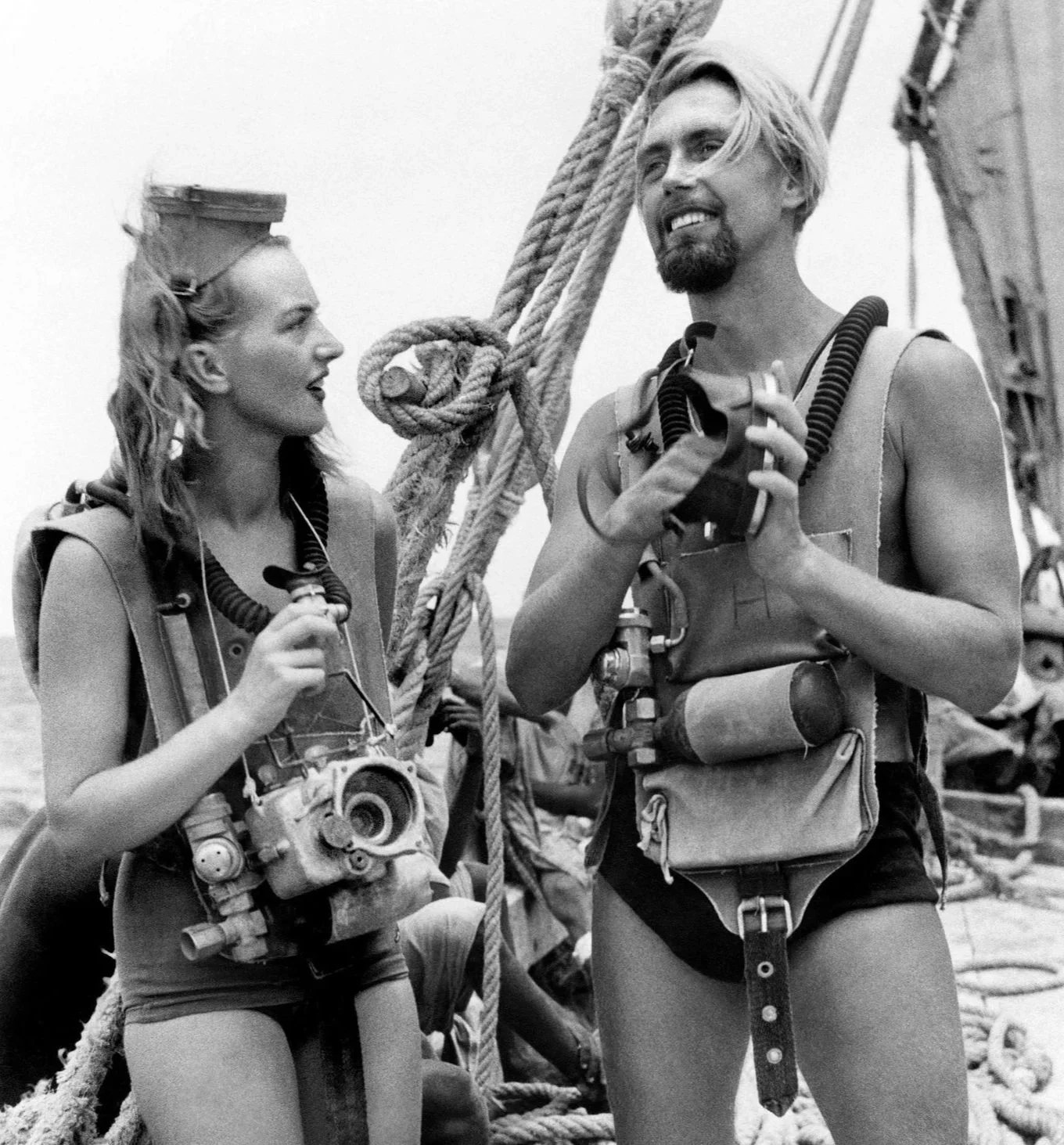
An early rebreather belonging to Hans Hass that allowed him to “swim like a fish, not walk like a man on the ocean floor”. Developed in conjunction with German valve manufacturer Drager, the rebreather was revolutionary, and Hans and his wife Lotte spent the rest of their lives promoting diving through his pioneering books and films.
-
-
“I felt the breath of Shackleton himself on the back of my neck.”
Mensun Bound.
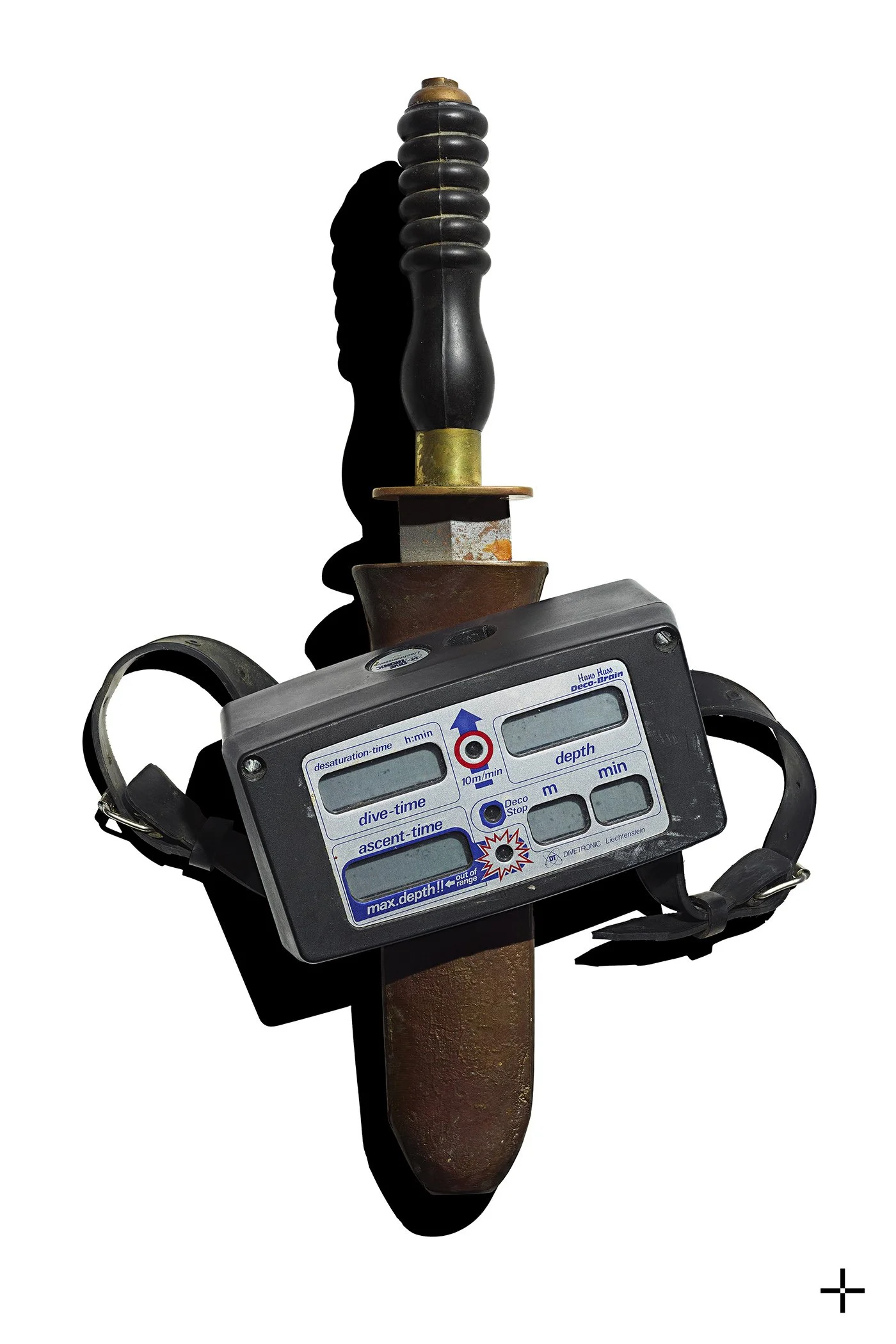
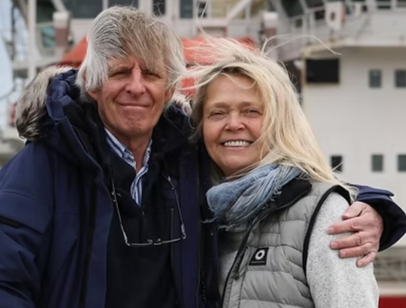
Mensun Bound’s Siebe Gorman & Co non-magnetic diver’s knife, with a dive computer developed by Hans Haas and given to Mensun to test, and was worn by his wife and fellow diver Jo Yellowlees-Bound.
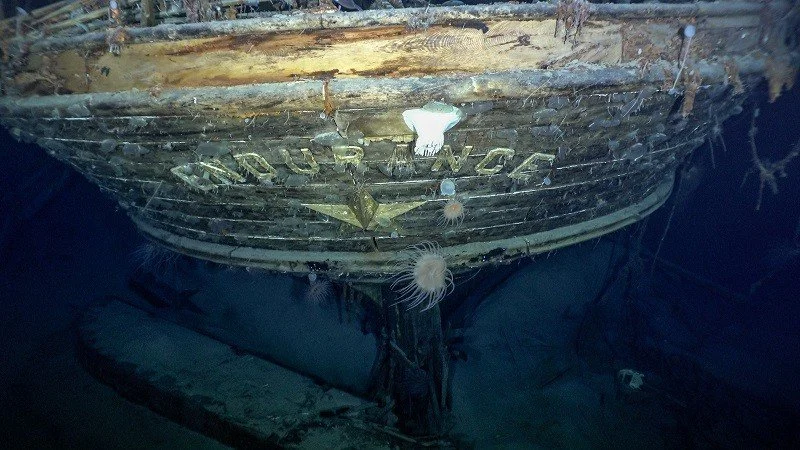
Mensun Bound is most notable for his role in the discovery of Shackleton’s ship, the Endurance, which occurred precisely 100 years after Shackleton’s burial.
-
-
"Quaesivet Arcana Poli Videt Dei" : “He sought the secret of the pole, but found the hidden face of God.”
The Scott Polar Research Institute.
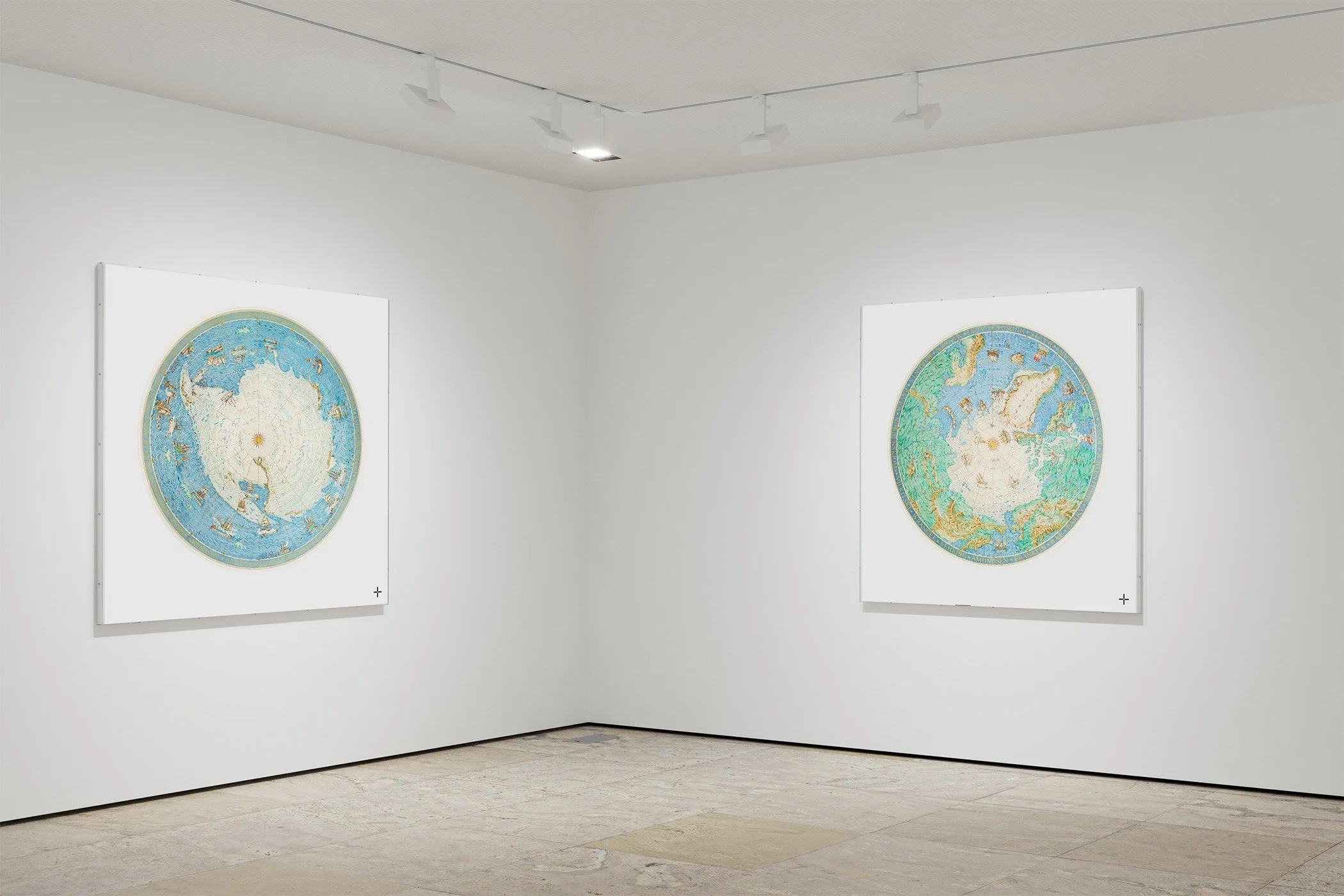
Polar murals from the ceiling of the Memorial Hall of the Scott Polar Research Institute, painted by Macdonald Gill FRIBA, opened in 1934.
-
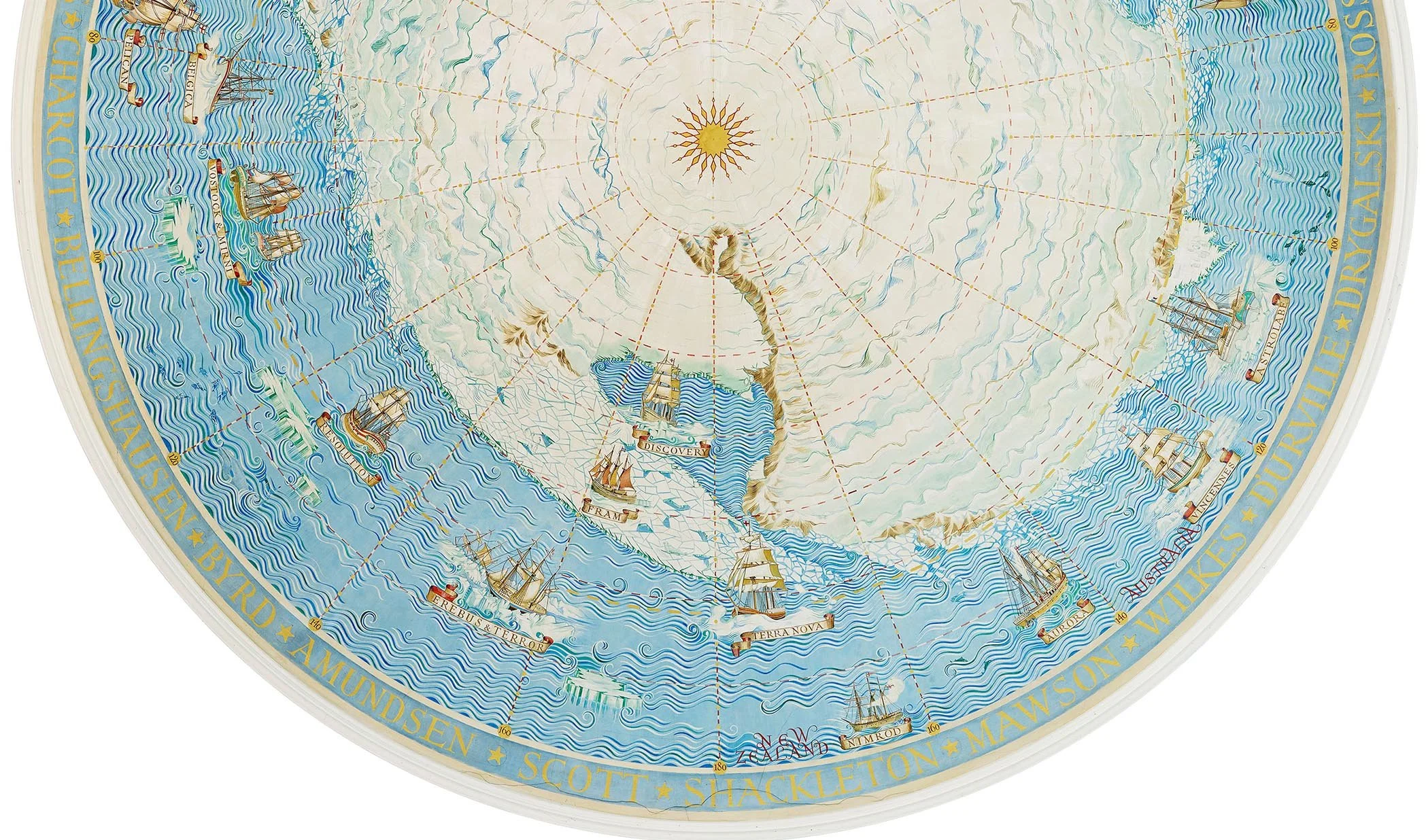
Detail of South Pole mural from the ceiling of the Memorial Hall of the Scott Polar Research Institute, featuring expeditions on such incredible ships such as the Fram, the Terra Nova, the Nimrod, the Erebus and the Terror and Discovery, amongst many others, painted by Macdonald Gill FRIBA, opened in 1934.
60”x60” limited edition prints.
-
“Men Wanted: For hazardous journey. Small wages, bitter cold, long months of complete darkness, constant danger, safe return doubtful. Honour and recognition in case of success.”
Apocryphal newspaper advertisment placed by Ernest Shackleton.
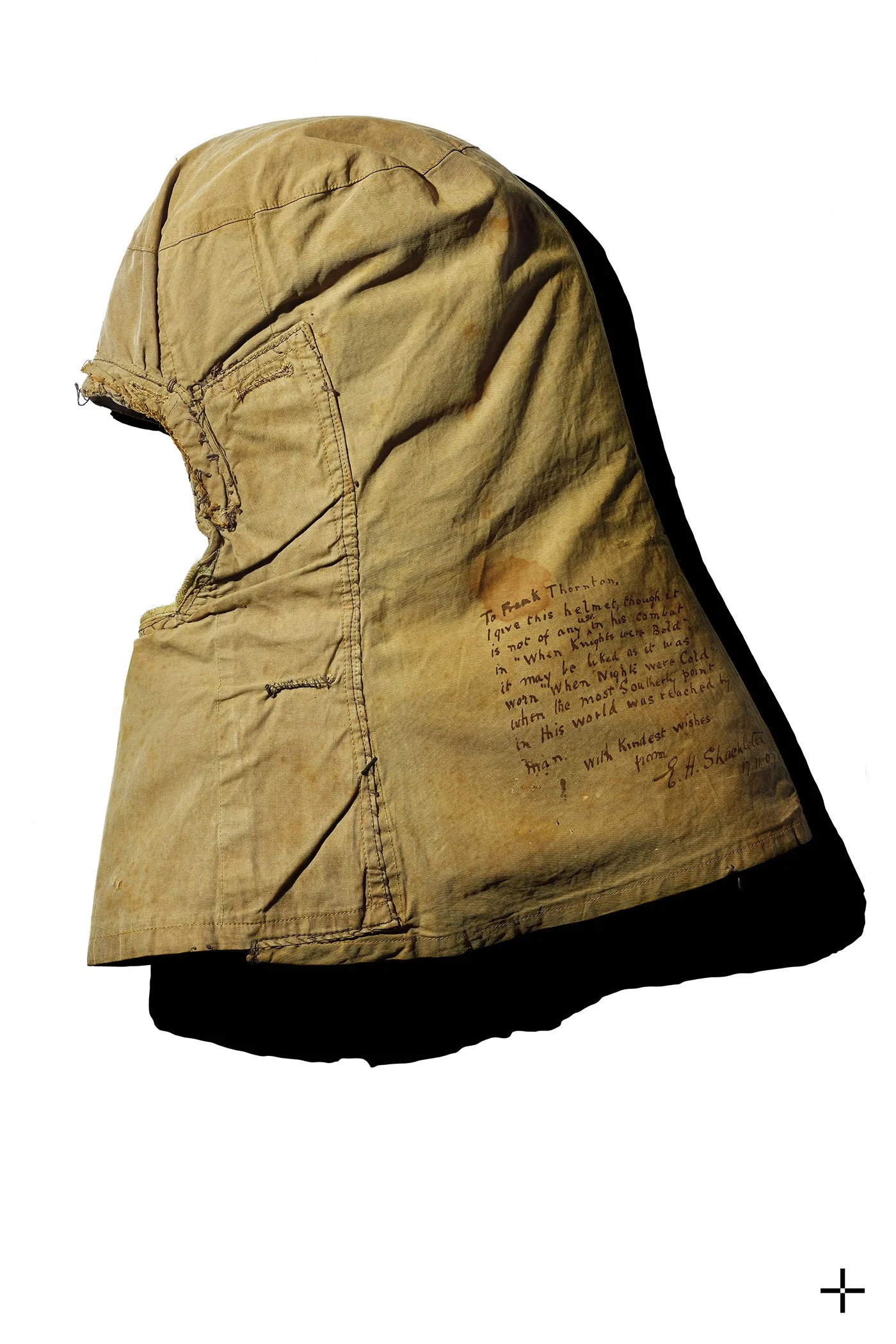
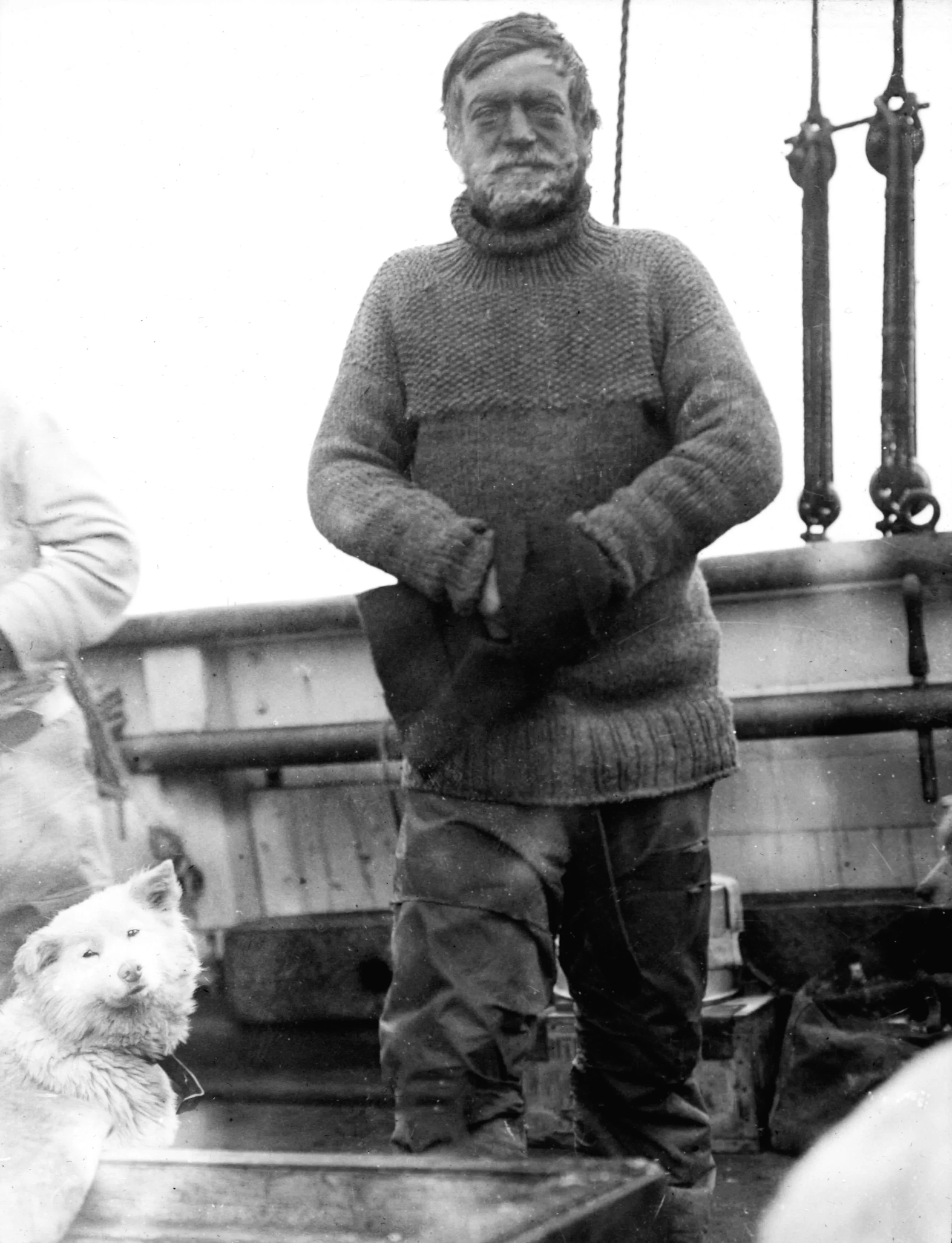
Shackleton’s Balaclava, from “…. when the most Southerly point in this world was reached by man”.
-
-
"Men are not made from easy victories, but based on great defeats.”
Sir Ernest Shackleton.
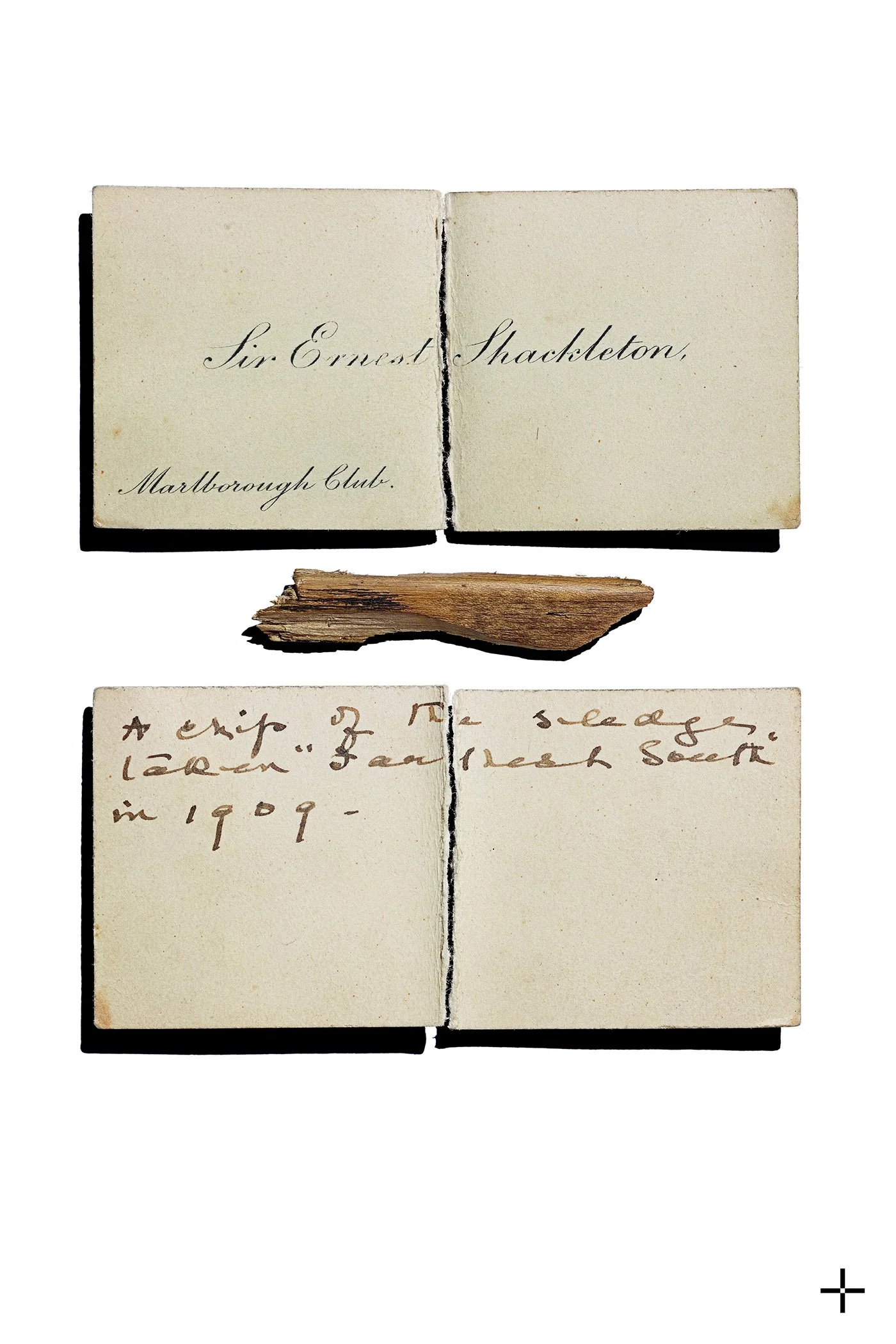
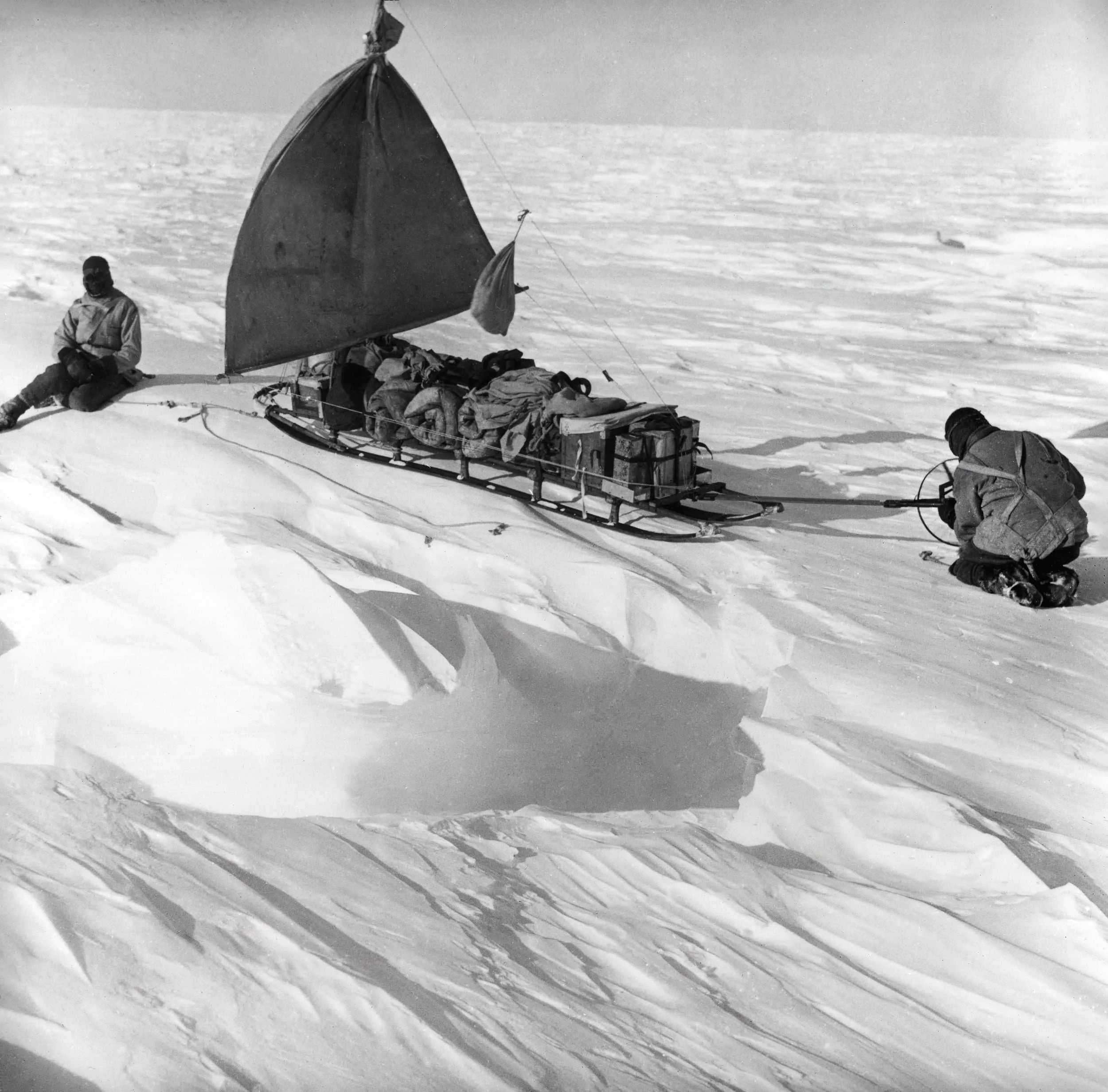
A piece of one of the sledges used on the Nimrod expedition, accompanied by Shackleton’s personal card, with he and his men having reached 88° 23′ South, ninety seven miles short of the South Pole, the “Furthest South” any man had been; 1909.
-
-
"Optimism is true moral courage."
Sir Ernest Shackleton.
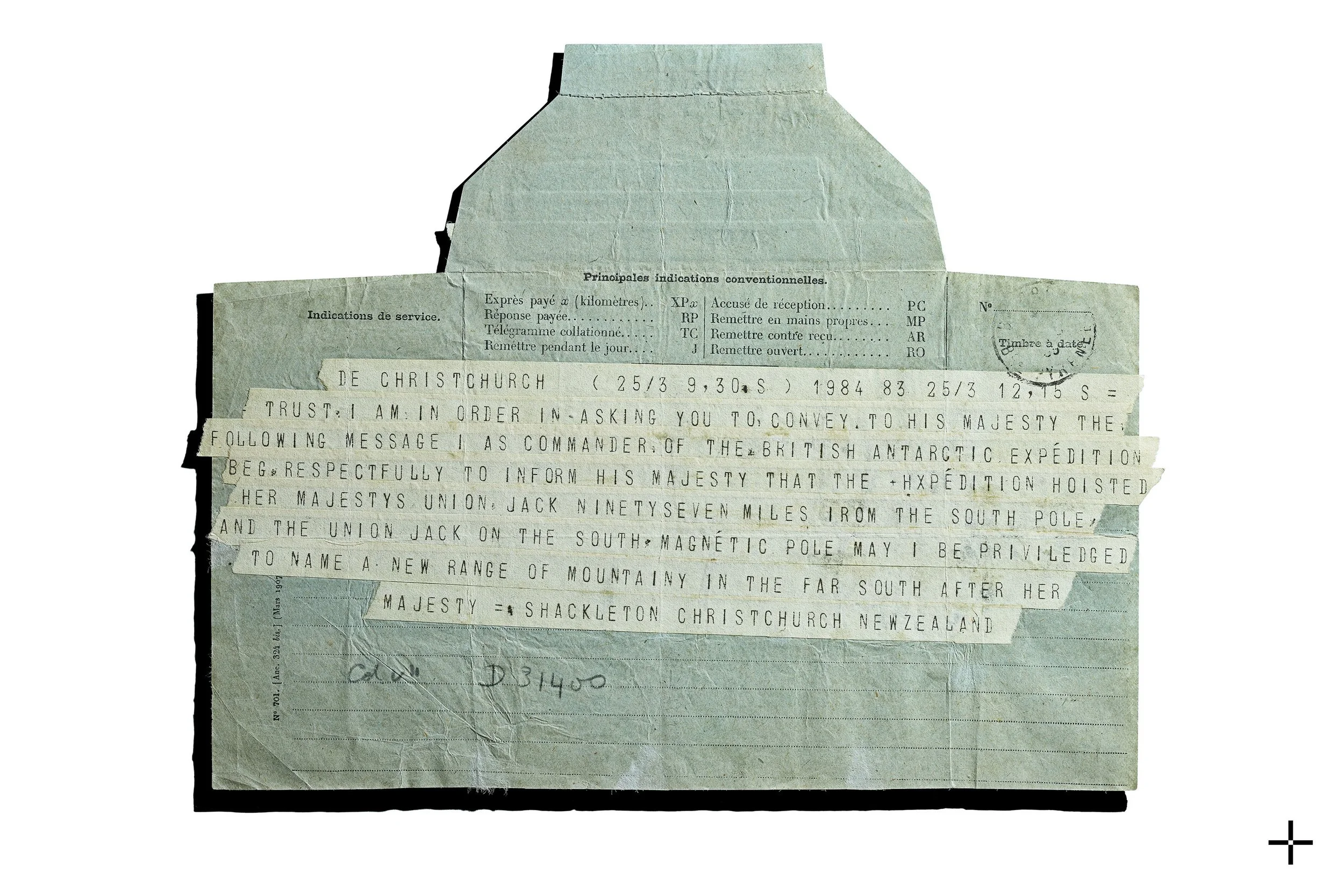
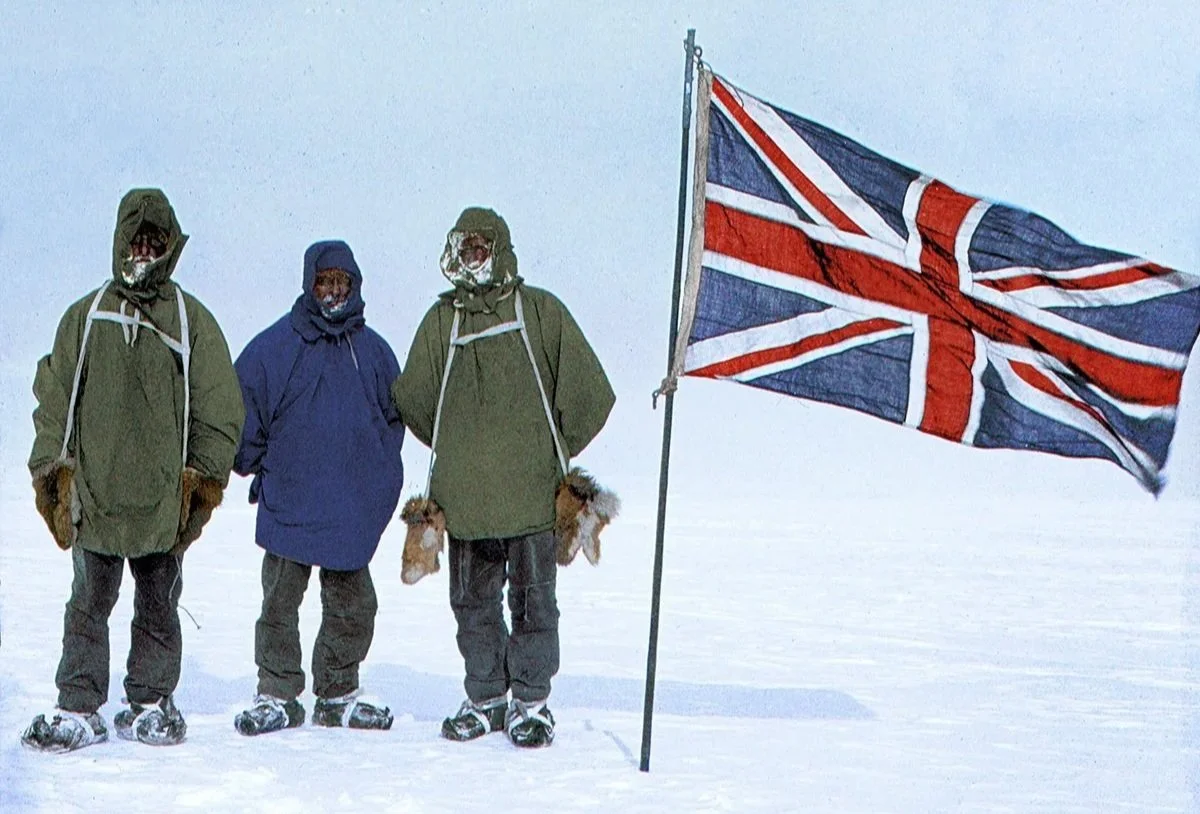
Telegram from Ernest Shackleton to His Majesty King Edward VII, informing His Majesty of Shackleton reaching the “Furthest South” that any man had been, ninety seven miles short of the Pole itself.
-
-
“I suppose I have survived the fastest crash that mankind has ever survived.”
Donald Campbell.
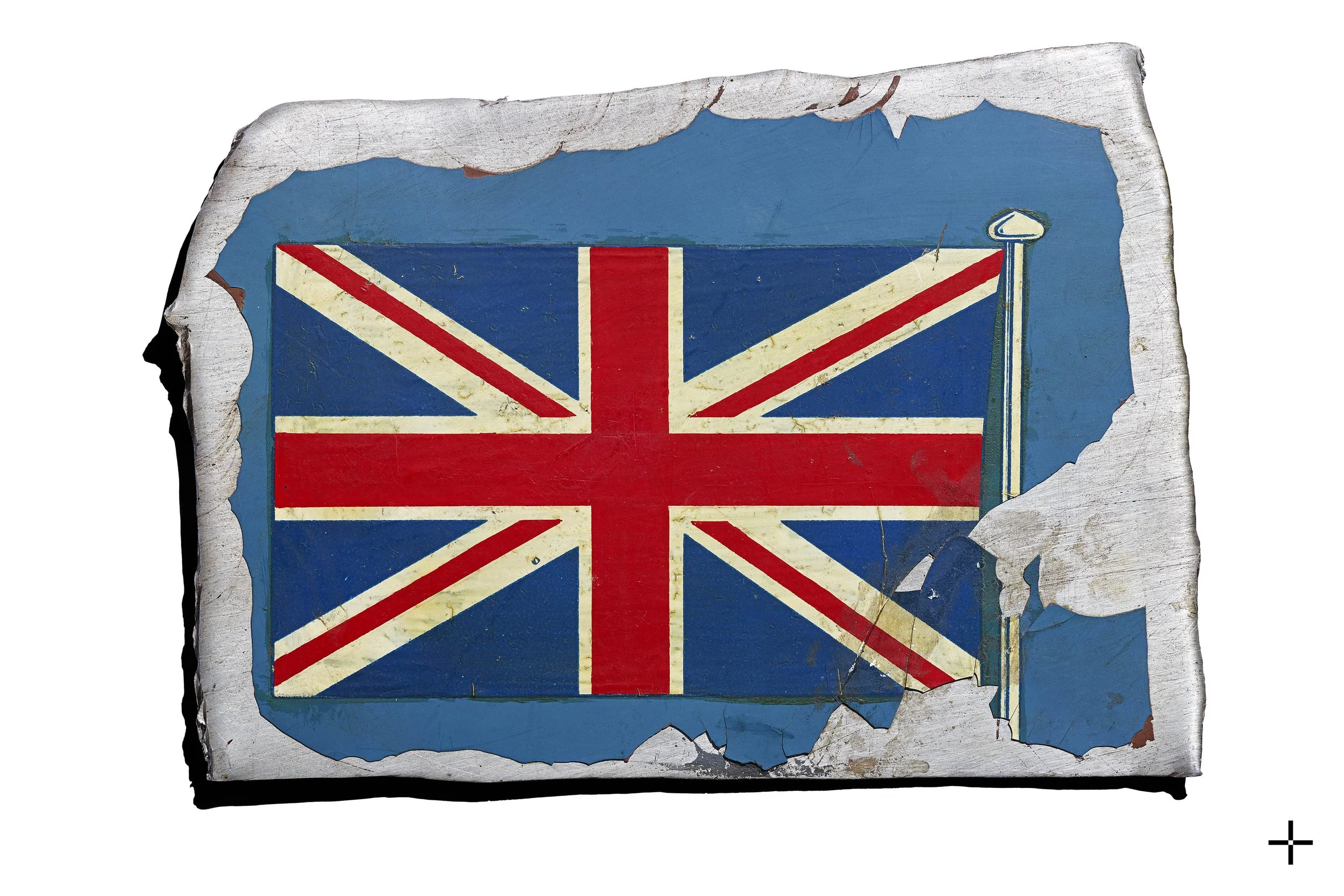
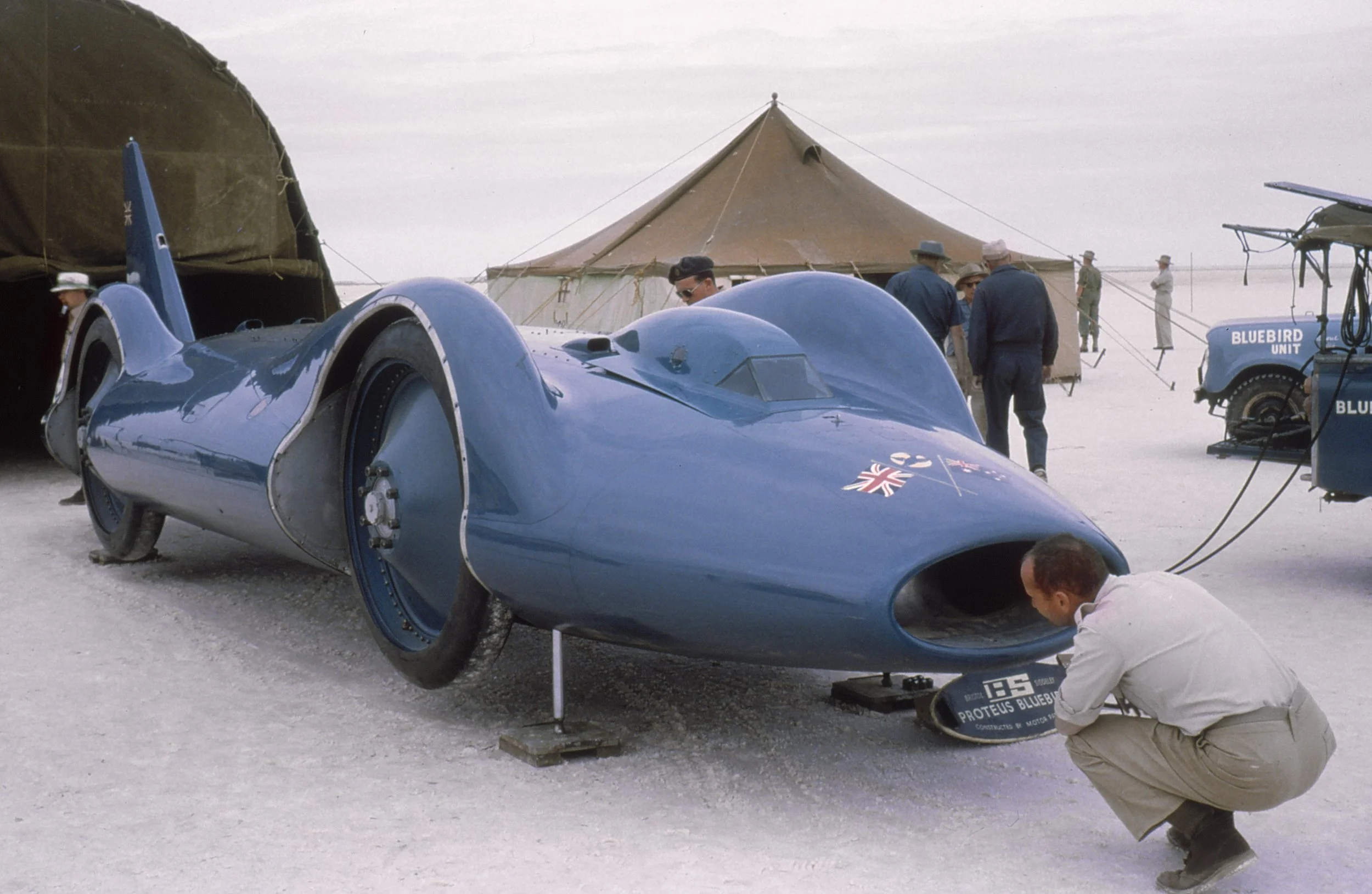
A piece of wreckage torn from Donald Campbell’s land speed record car, Bluebird CN7, after it was badly damaged at Bonneville Salt Flats crashing at over 360 mph. The car could accelerate from 0-400 mph in 24 seconds. Having been completely rebuilt, Campbell went on to break the land speed record on Lake Eyre, peaking at 440 mph.
-
-
“So, if you cannot understand that there is something in man which responds to the challenge of this mountain and goes out to meet it, that the struggle is the struggle of life itself, upward and forever upward, then you won't see why we go. What we get from this adventure is just sheer joy. And joy is, after all, the end of life. We do not live to eat and make money. We eat and make money to be able to enjoy life. That is what life means and what life is for.”
George Mallory.
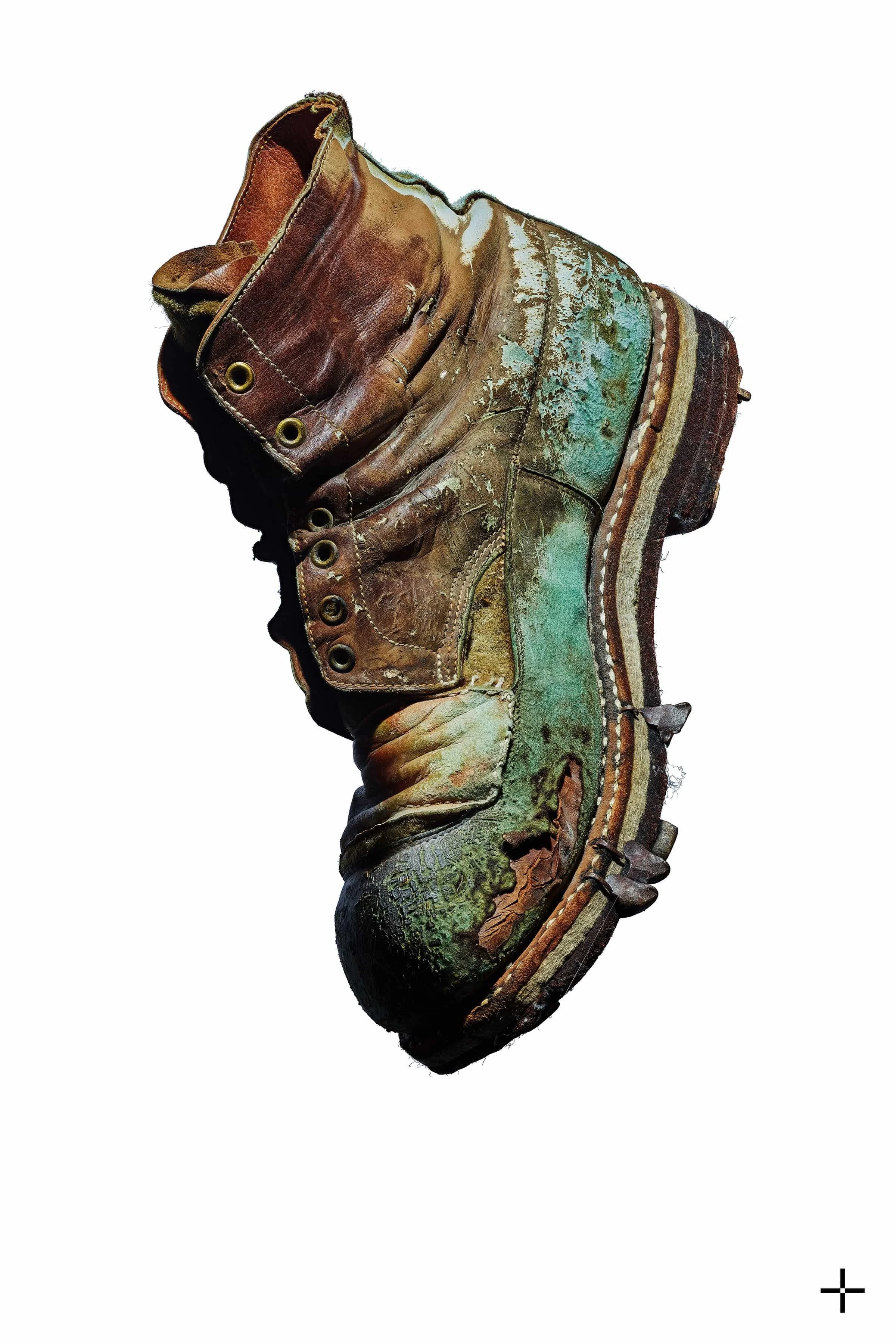
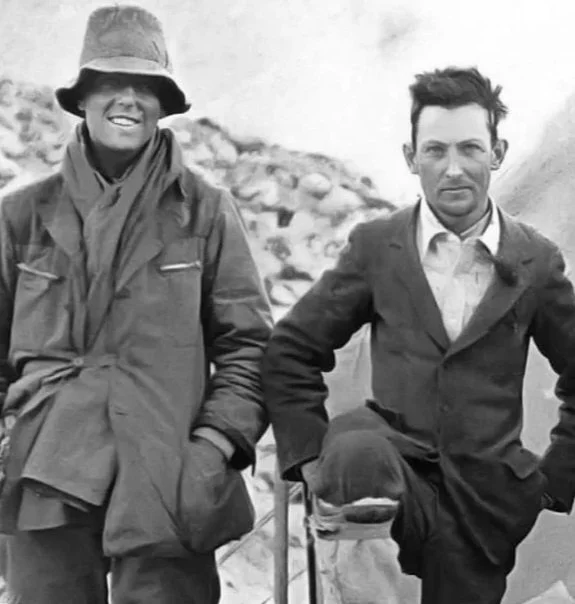
George Mallory’s boot was recovered from Mount Everest on May 1st, 1999, by the Mallory and Irvine Research Expedition. Found at 26,760 feet on the north face, the story that it carries is evocatively carved into it’s surface, all the way from 1924.
Whether they reached the summit or not, remains one of the greatest and most intriguing mysteries in the world of climbing.
-
-
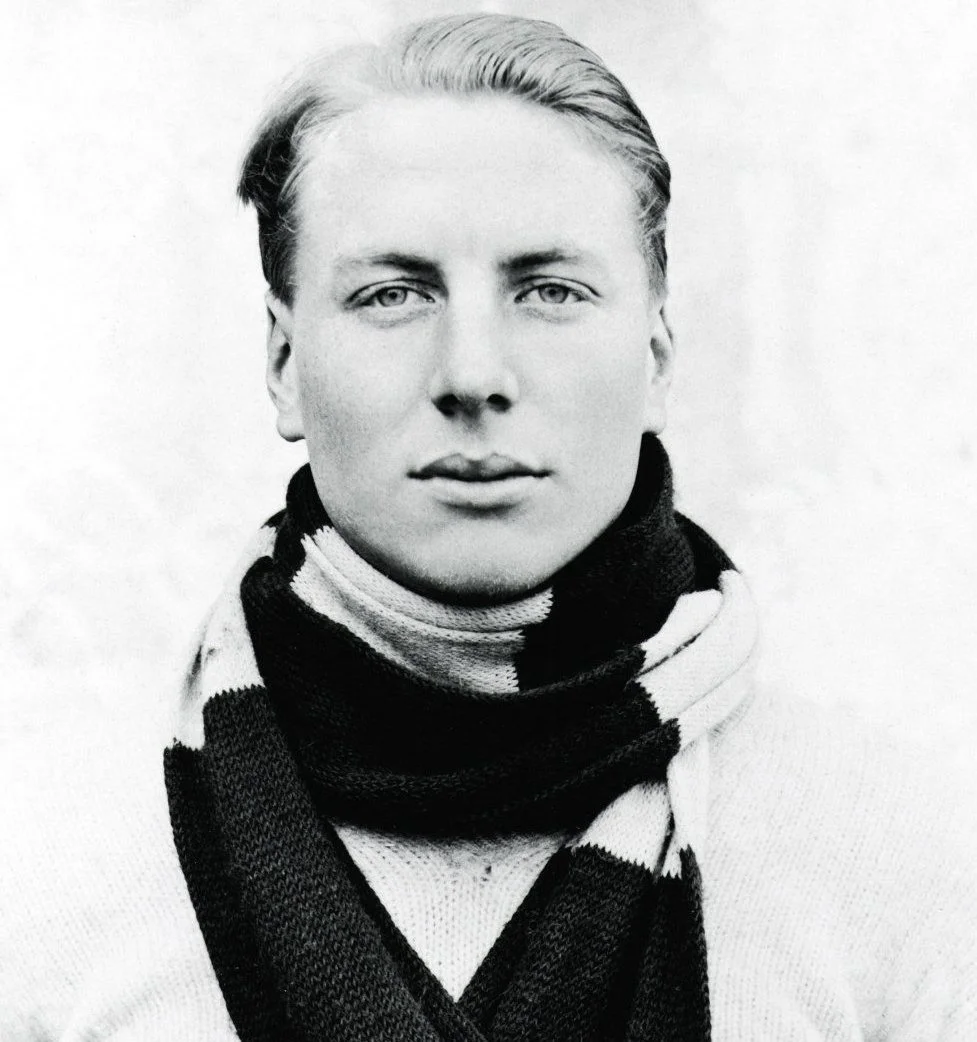
“Irvine did not live long, but he lived well. Into his short life he crowded an overflowing measure of activity which found its climax in his last wonderful year, a year during which he rowed in the winning Oxford boat, explored Spitsbergen, fell in love with ski-ing, and, perhaps, conquered Everest. The English love rather to live well than to live long.”
Arnold Lunn, of Andrew “Sandy” Irvine.
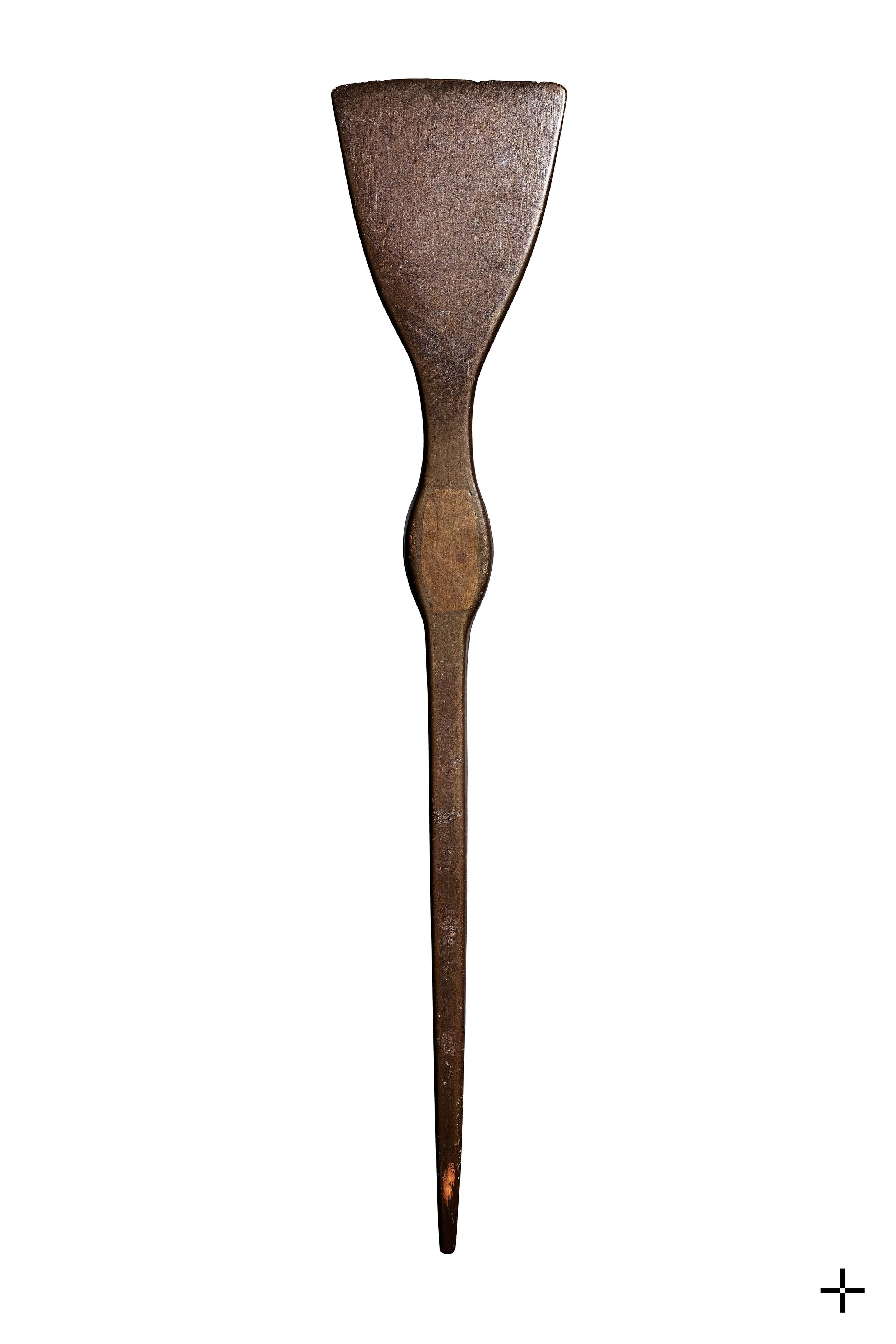
The ice axe belonging to Alexander “Sandy” Irvine. On the 30th of May, 1933, nine years after the disappearance of Mallory and Irvine, Percy Wyn-Harris, a member of the fourth British Everest Expedition, discovered an ice axe at around 8,450 m (27,723 ft), about 18 metres (59 ft) below the crest of the Northeast Ridge and some 229 metres (751 ft) east of the First Step. From marks cut into its wooden shaft, it was identified as belonging to Sandy Irvine.
-
-
“Chaos and Order are not enemies, only opposites. Chaos and Order combined, equal balance.”
Richard Garriott de Cayeux.
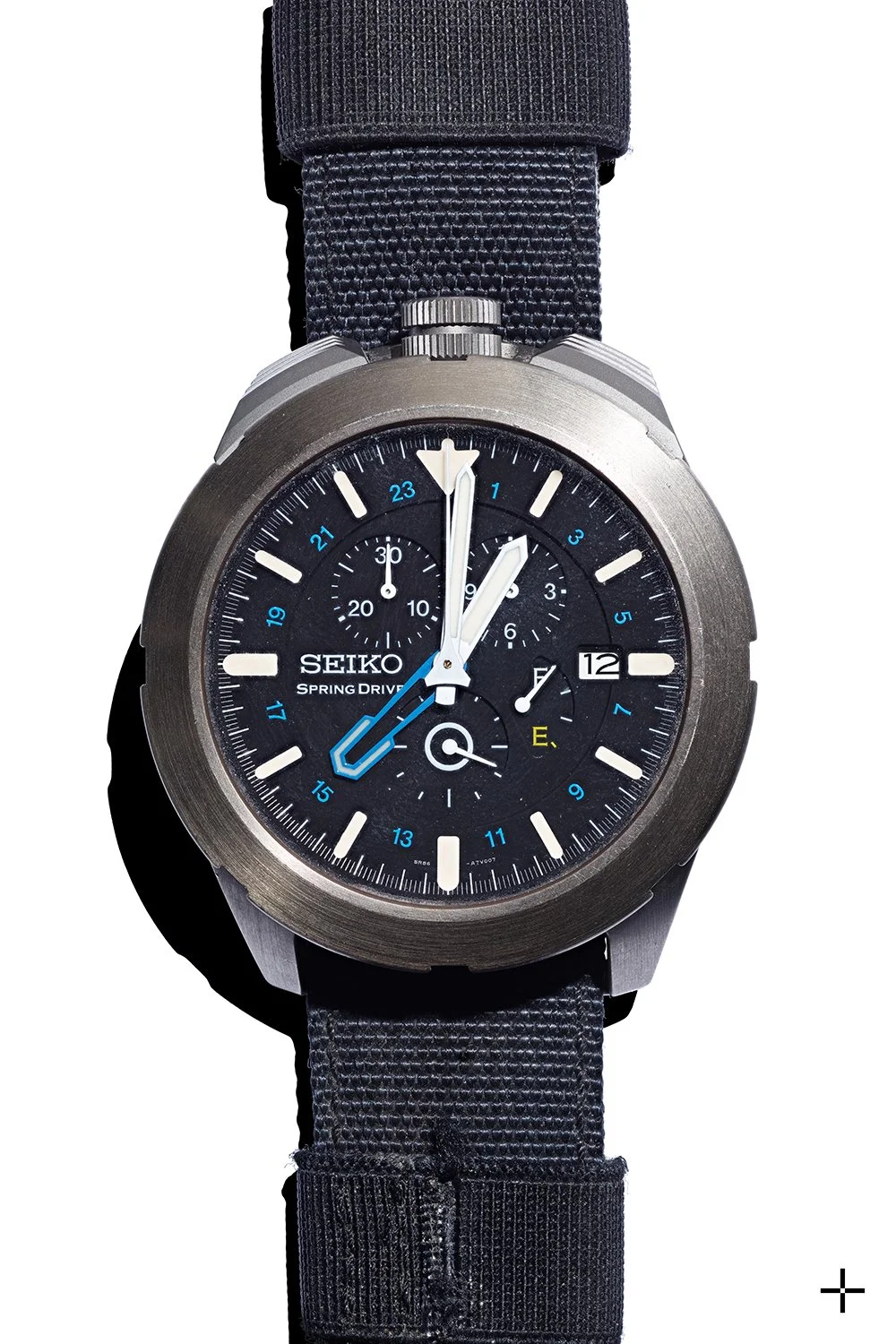
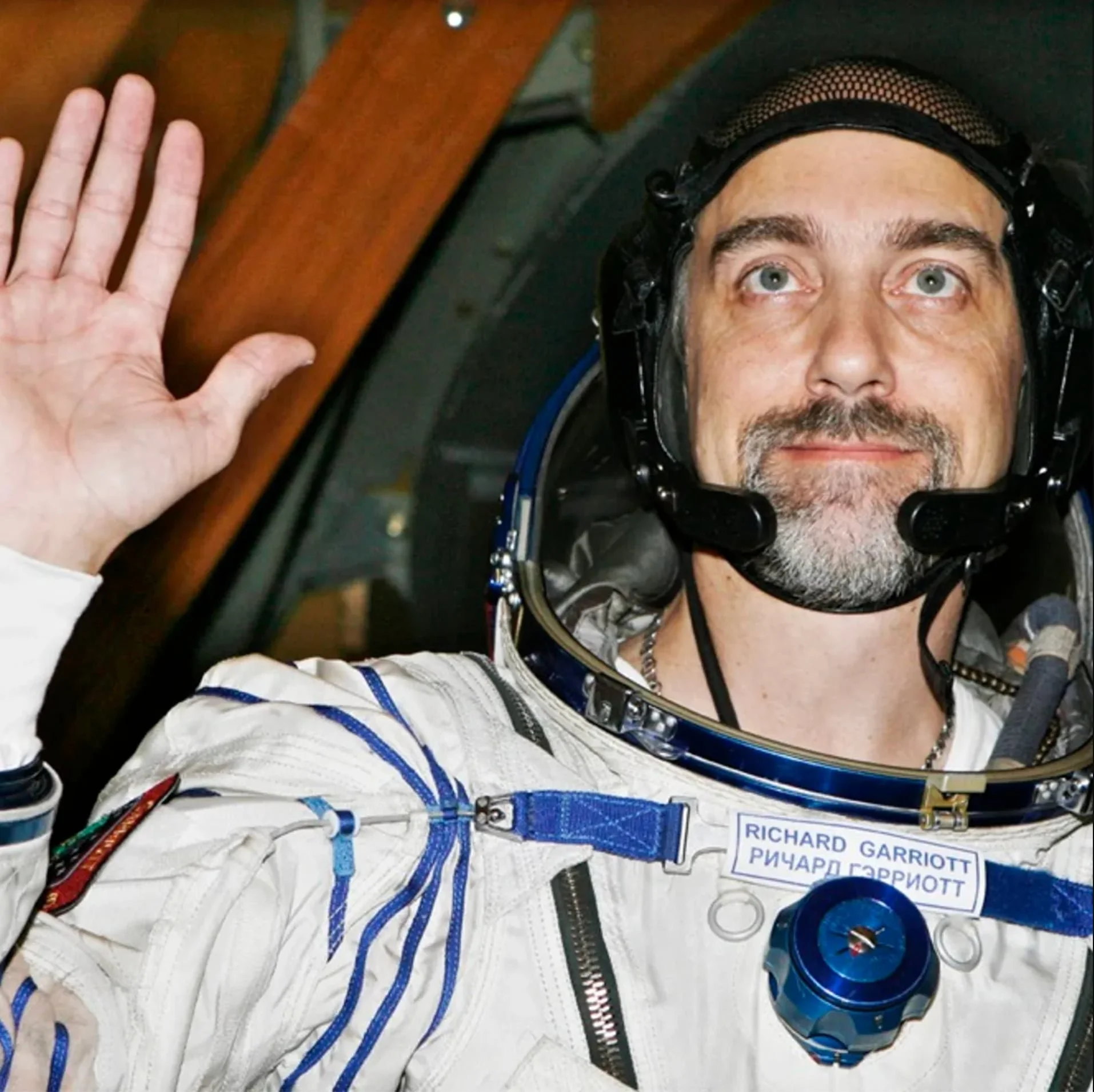
This Seiko Spring Drive, one of six made, was worn by former Explorers Club President Richard Garriott de Cayeux when he went to the International Space Station. He is America’s first 2nd generation astronaut, his father having been on Skylab, and is the only man to have gone to both Poles, Challenger Deep and the ISS.
-
-
“To be brave cheerily, to be patient with a glad heart, to stand the agonies of thirst with laughter and song, to walk beside death for months and never be sad, that’s the spirit that makes courage worth having.”
Sir Ernest Shackleton.
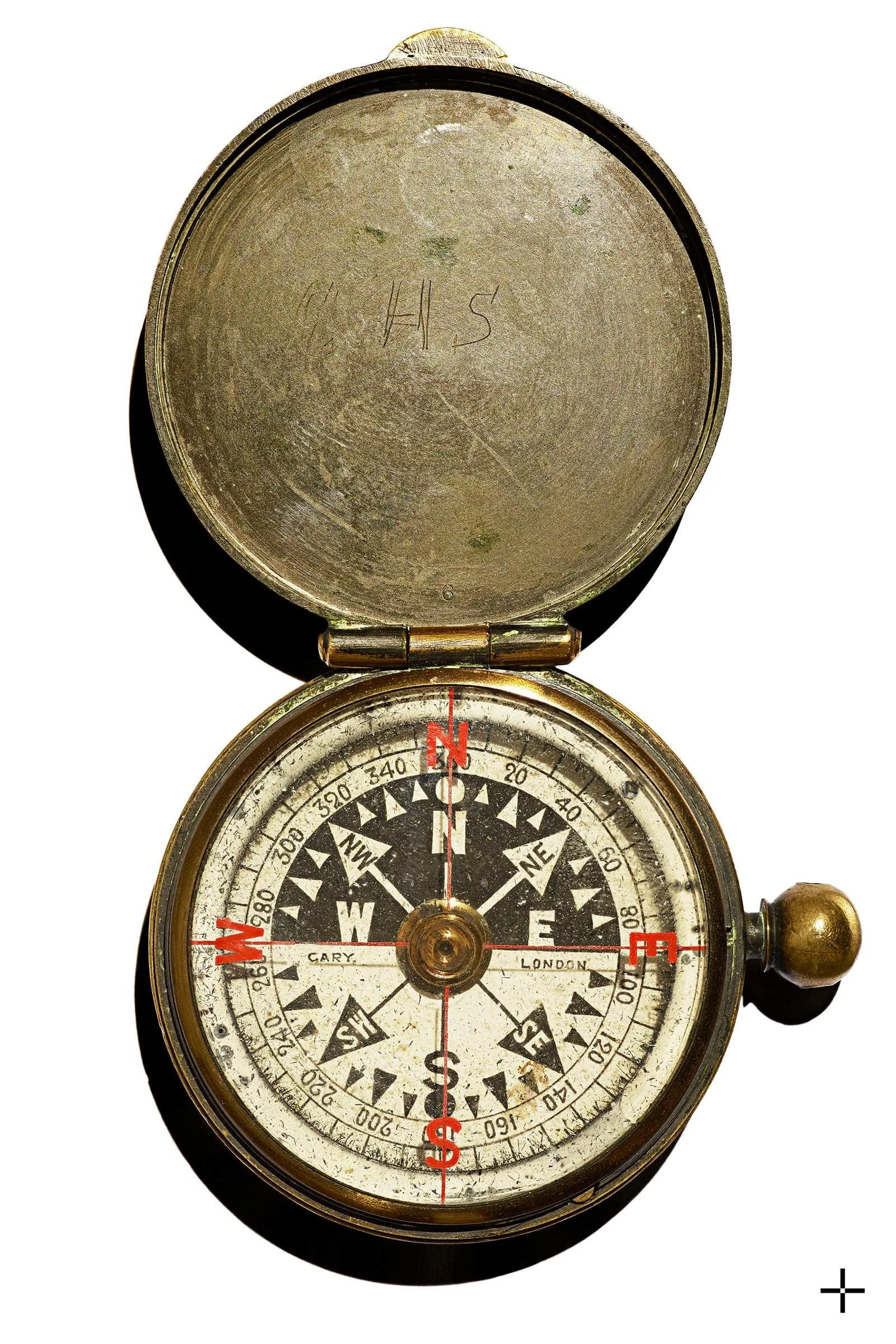
This pocket compass accompanied Ernest Shackleton on the Nimrod Expedition when they reached 97 miles short of the South Pole; to reach the Pole was the culmination of his dream, and those of his men, and despite the hopes of an Empire he turns back to save the lives of his men. This compass represents great British leadership.
-
-
“Difficulties are just things to overcome.”
Sir Ernest Shackleton.
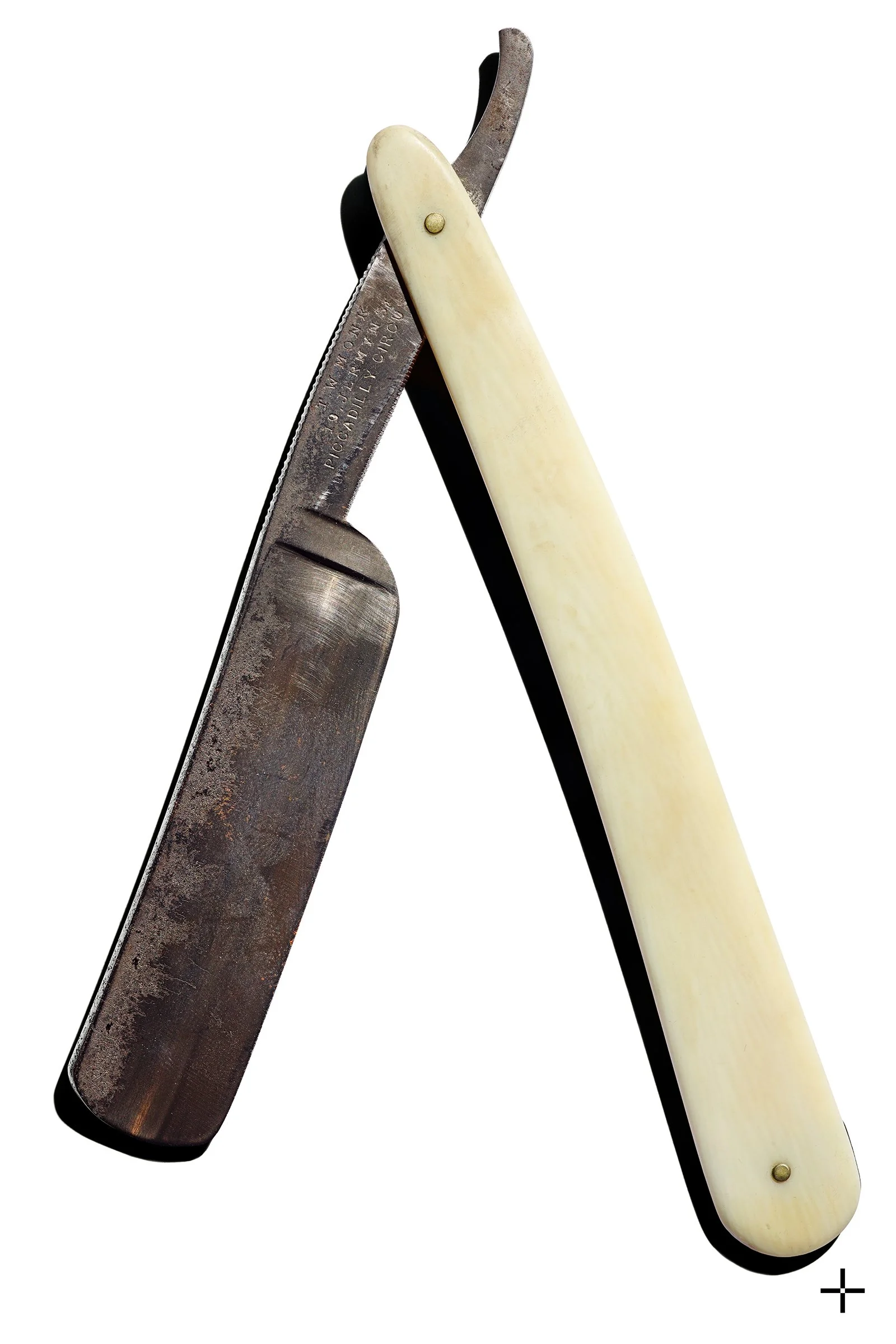
Sir Ernest Shackleton’s razor, from the personal collection of British climber Stephen Venables. This is one of six cut throat razors, in a small mahogany box, each marked with a day of the week. On the large format print, you can see small pieces of shaven stubble.
-
-
“We traveled for science: those three small embryos from Cape Crozier, that weight of fossils from Barkley Island, and that mass of material less spectacular but gathered just as carefully hour by hour, in wind and drift, darkness and cold, was striven for in order that the world may have a little more knowledge, that it may build on what it knows instead of on what it thinks.”
Apsley Cherry-Garrard.
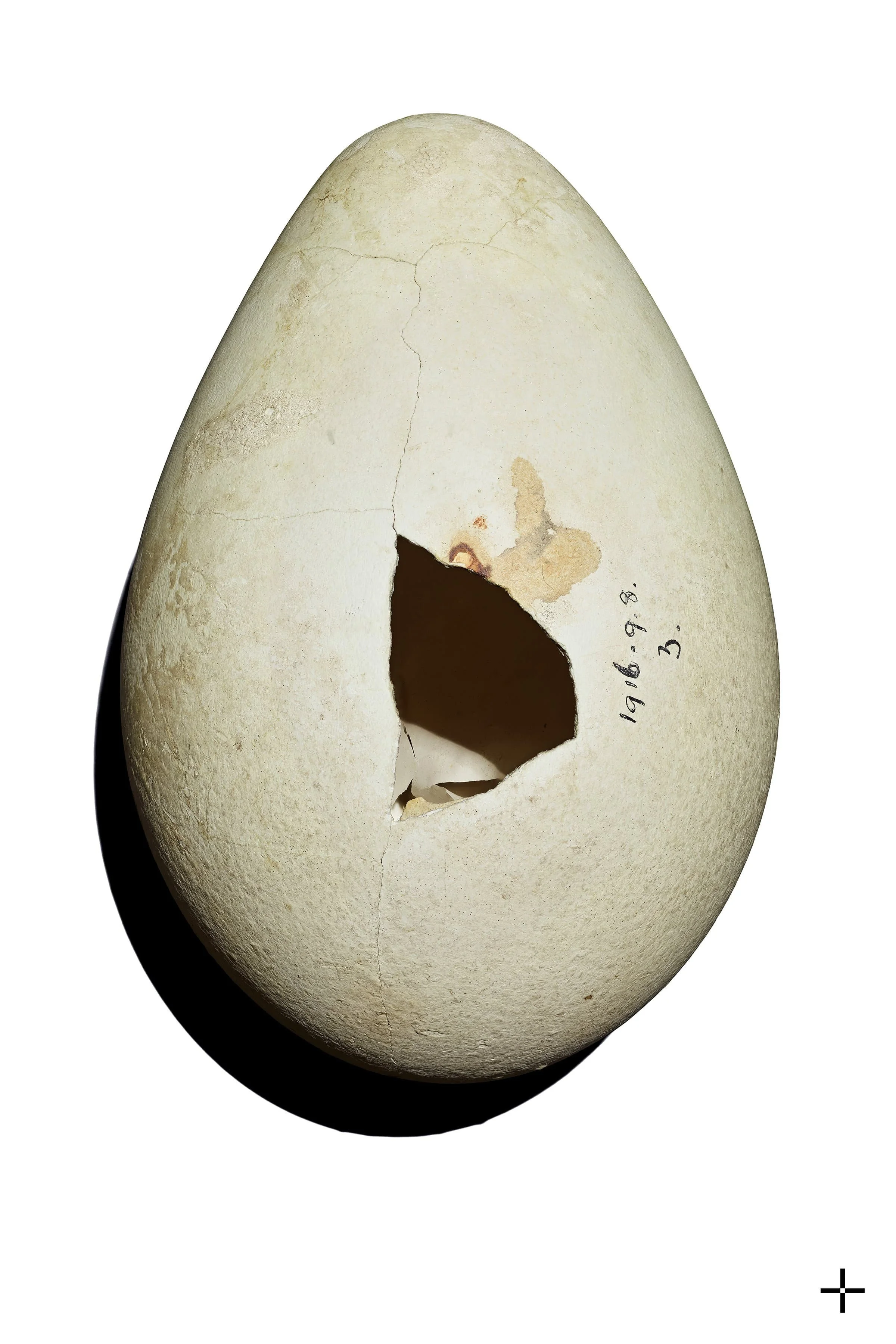
An Emperor Penguin egg, carried back from the penguin colony in Cape Crozier by Apsley Cherry-Garrard and purportedly opened by him, in the bleakest and darkest of the Winter season, which led to his memoir of his experiences in Antarctica entitled "The Worst Journey in the World".
Traumatised by the journey, he was also the man waiting for the Scott party to return to the last depot, only to find out that they had perished only 11 miles away.
-
-
“The English have loudly and openly told the world that skis and dogs are unusable in these regions and that fur clothes are rubbish. We shall see — we shall see.”
Roald Amundsen.
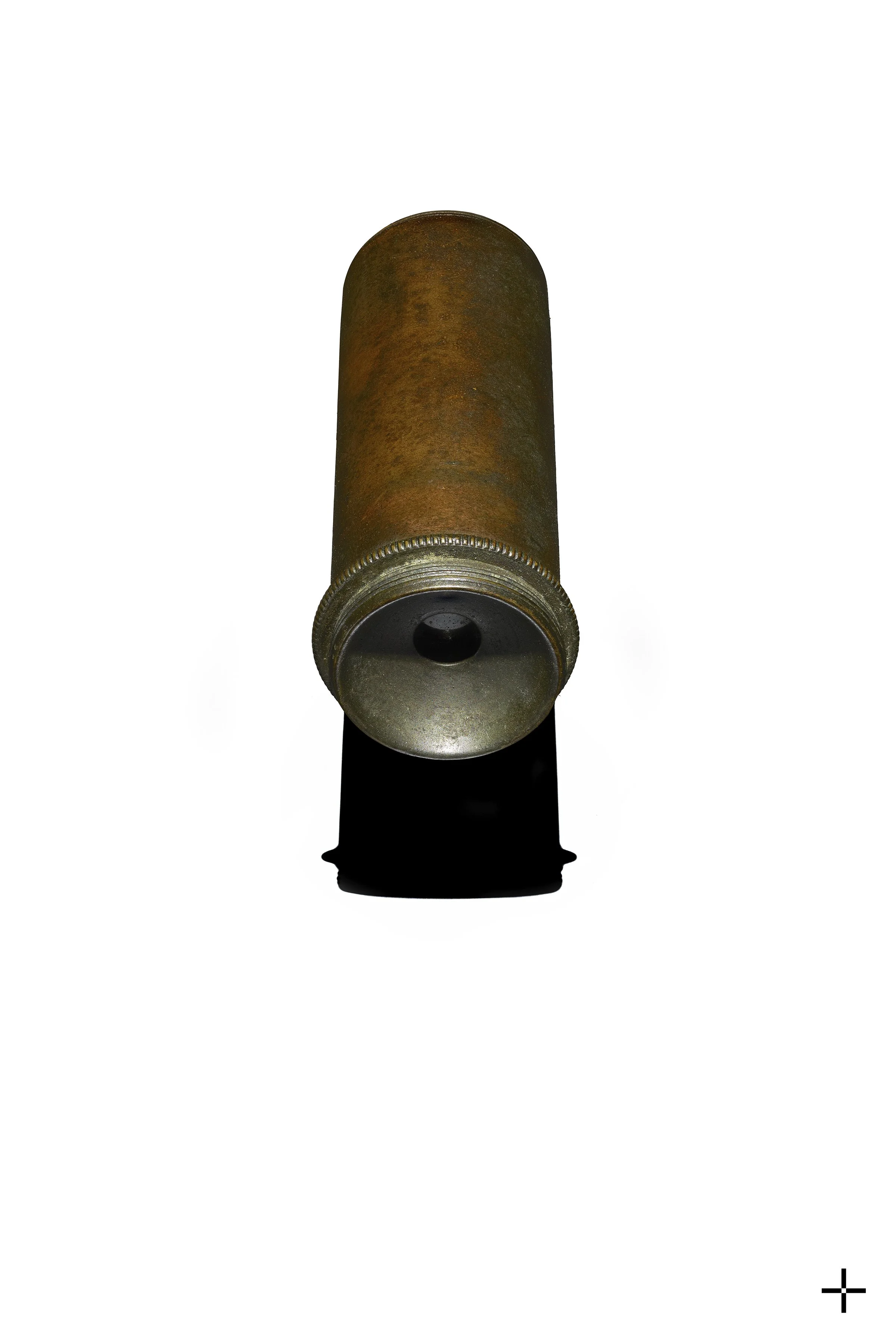
Eye piece for Roald Amundsen’s sextant, used on his successful expedition to the South Pole, ahead of Scott and his team..
-

-
“I think I'm the first man to sit on top of the world.”
Matthew Henson.
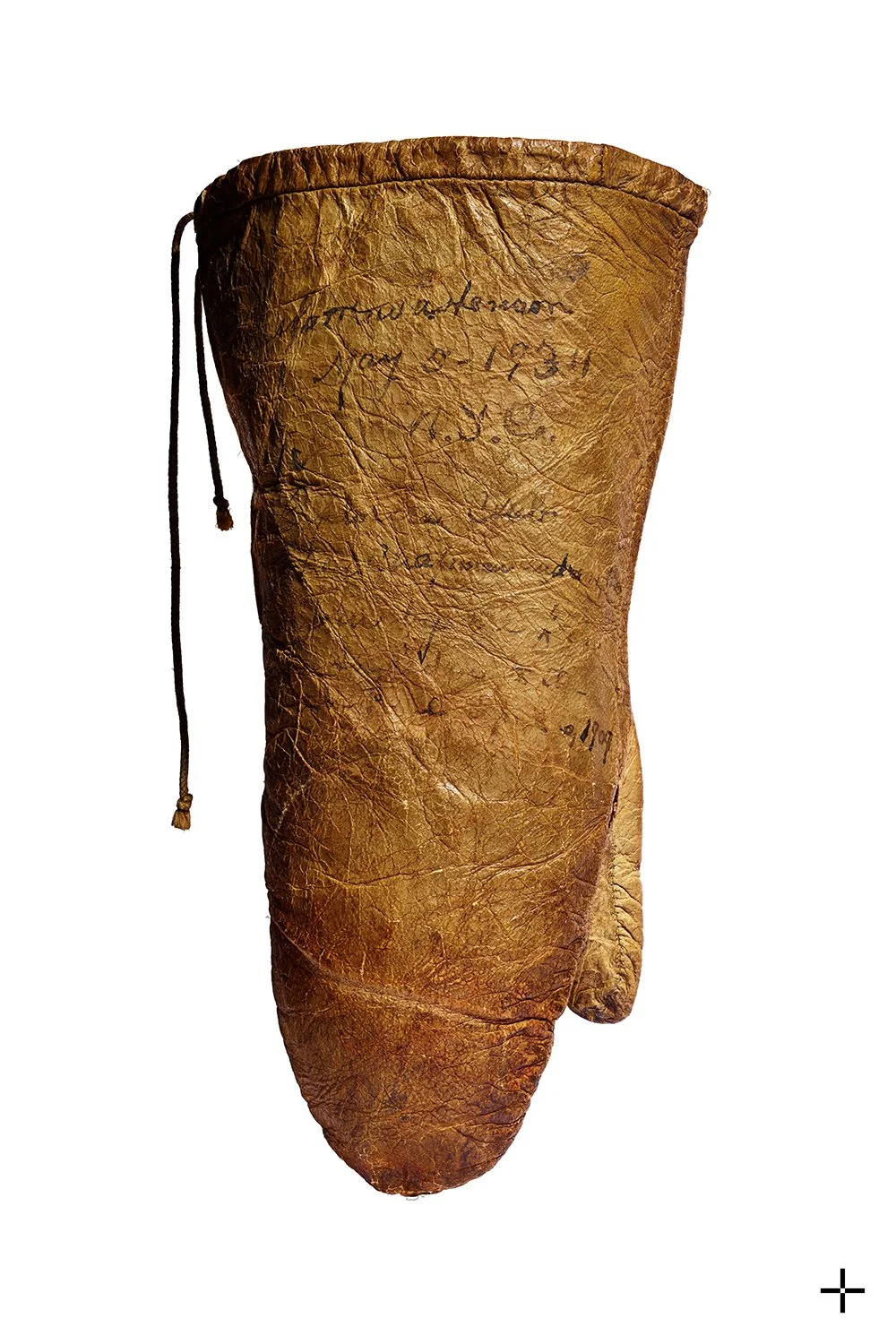
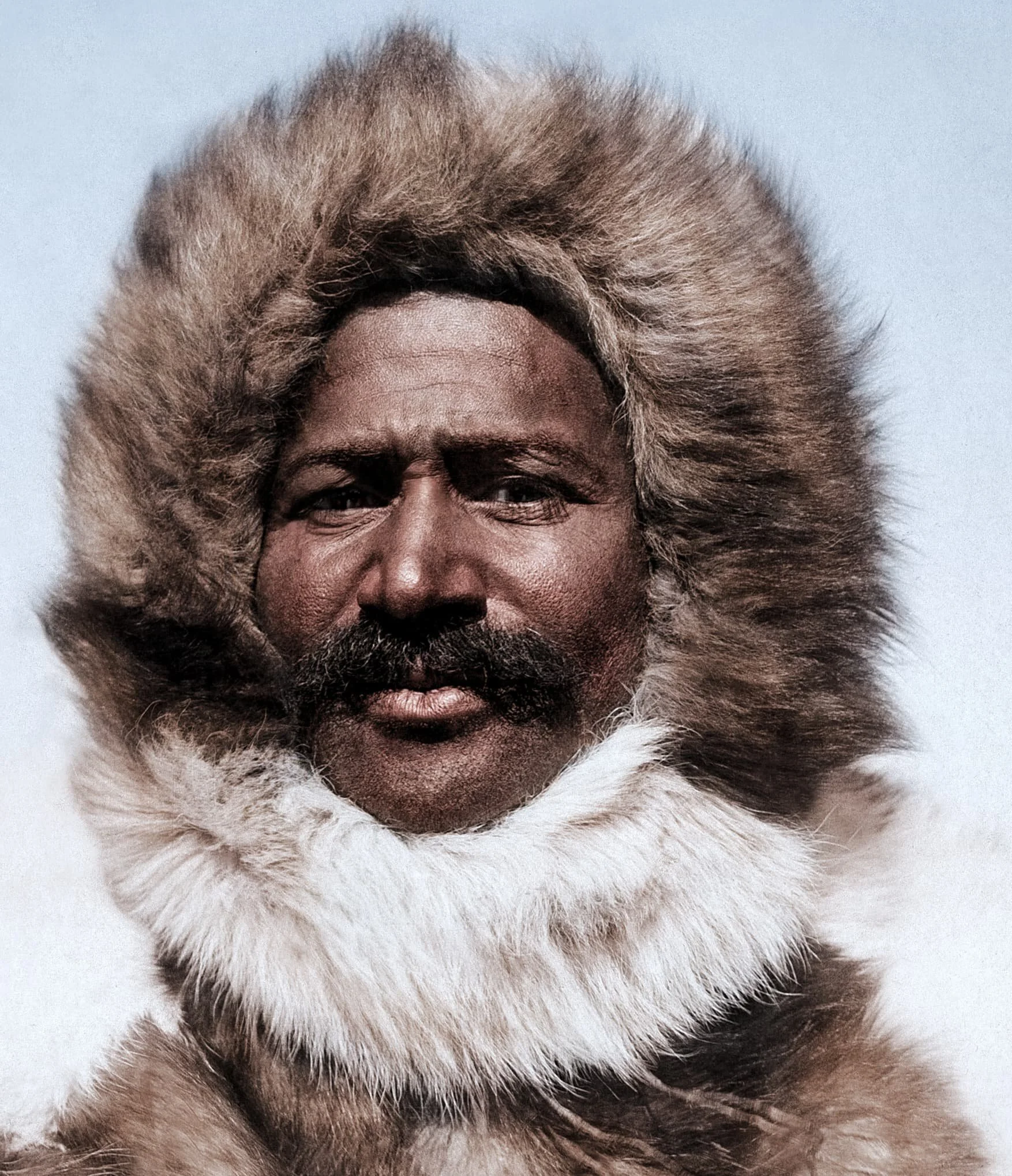
A signed Arctic Mitt from 1909, belonging to Matthew Henson, who accompanied Robert Peary on expeditions for over 18 years. It became clear that Henson and not Peary had actually walked over the North Pole first, leading to Peary completely claiming the achievement for himself with no acknowledgement of Henson.
-
-
"We just went."
Ralph Plaisted.
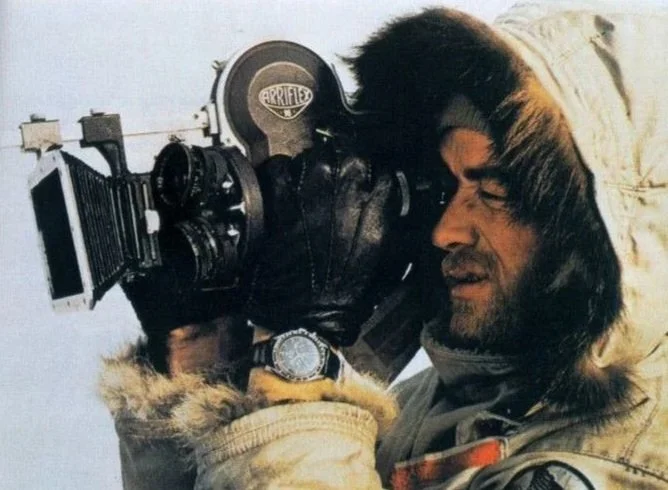
In 1989, British Explorer Wally Herbert concluded from Peary’s documentation that Peary and Henson had probably stopped seven miles short of the North Pole in April 1909. It turns out that the next explorer to have surface traversed across the ice successfully to the North Pole, was a former insurance salesman with no previous polar exploration experience called Ralph Plaisted. He reached the pole with his three colleagues at 10:30am on April the 19th, 1968.
-
-
“Of course I'm afraid every time I get into the Bluebird. Courage is not being fearless. Courage is overcoming and smashing through fear.”
Donald Campbell.
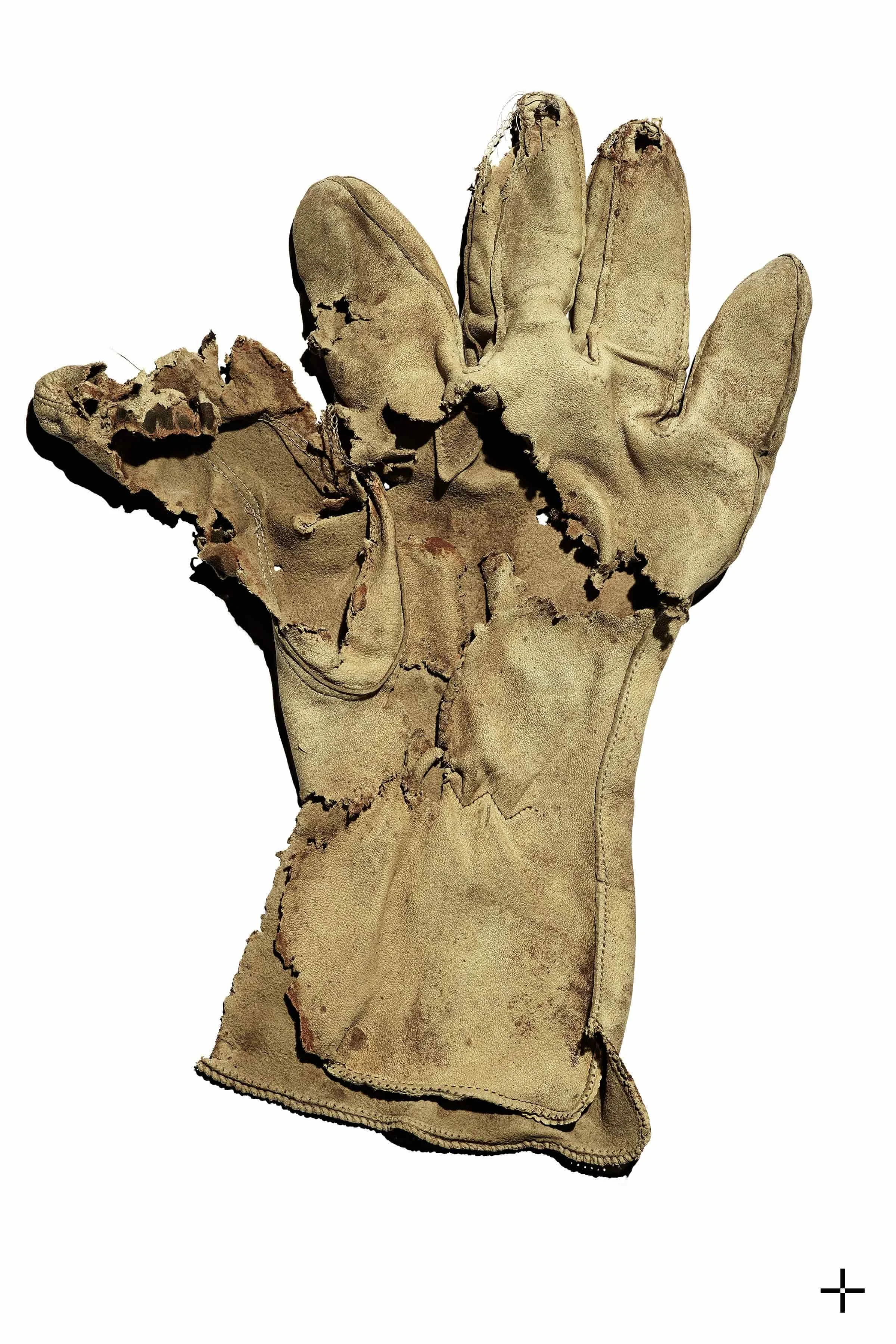
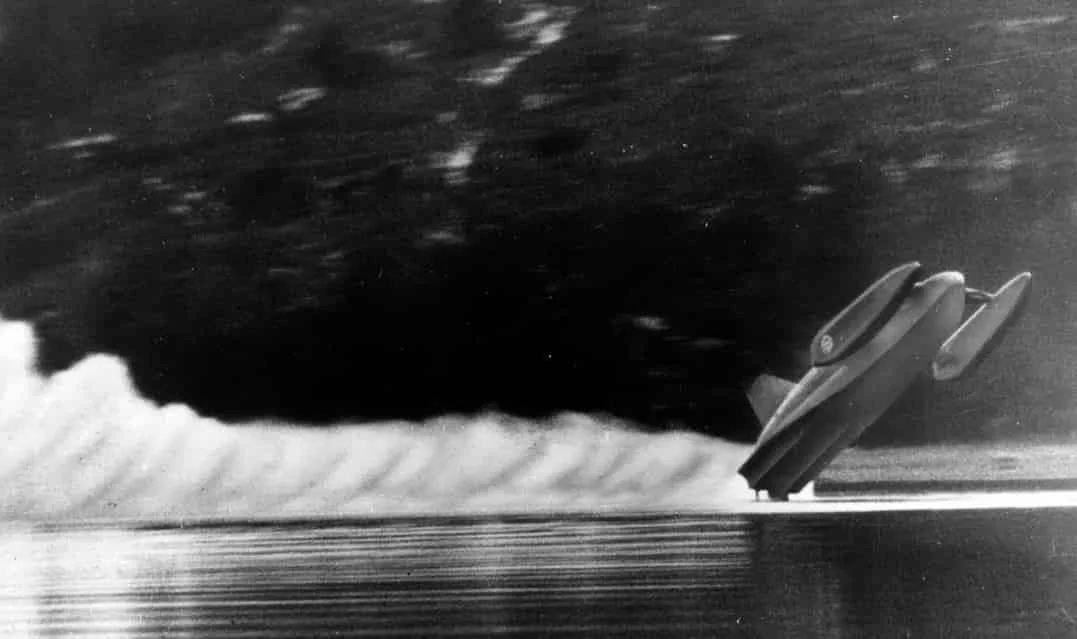
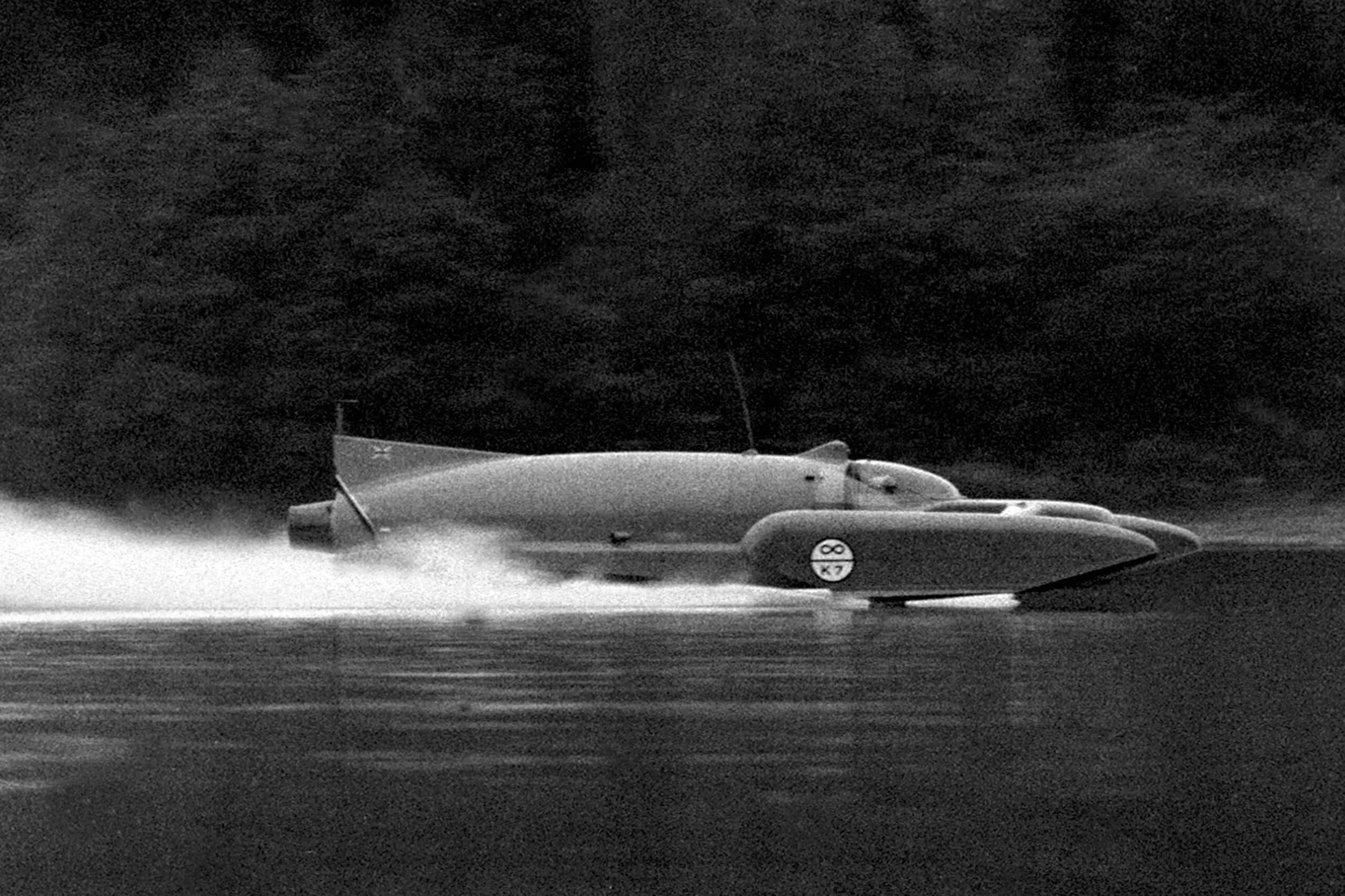
On the morning of January 4, 1967, Donald Campbell made his attempt to break 300mph on water. His first run made 297 mph, and on the return run, Bluebird K7 entered the measured kilometre at 328.12mph; shortly afterwards he crashed and perished. This glove, recovered in 1997, is testament to the violence of the shattering impact of the crash. Campbell is the only person to hold speed records for both land and water in the same year, 1964.
-
-
“Once we cease to have a desire to do these things, we will stagnate and die very rapidly.”
Donald Campbell.
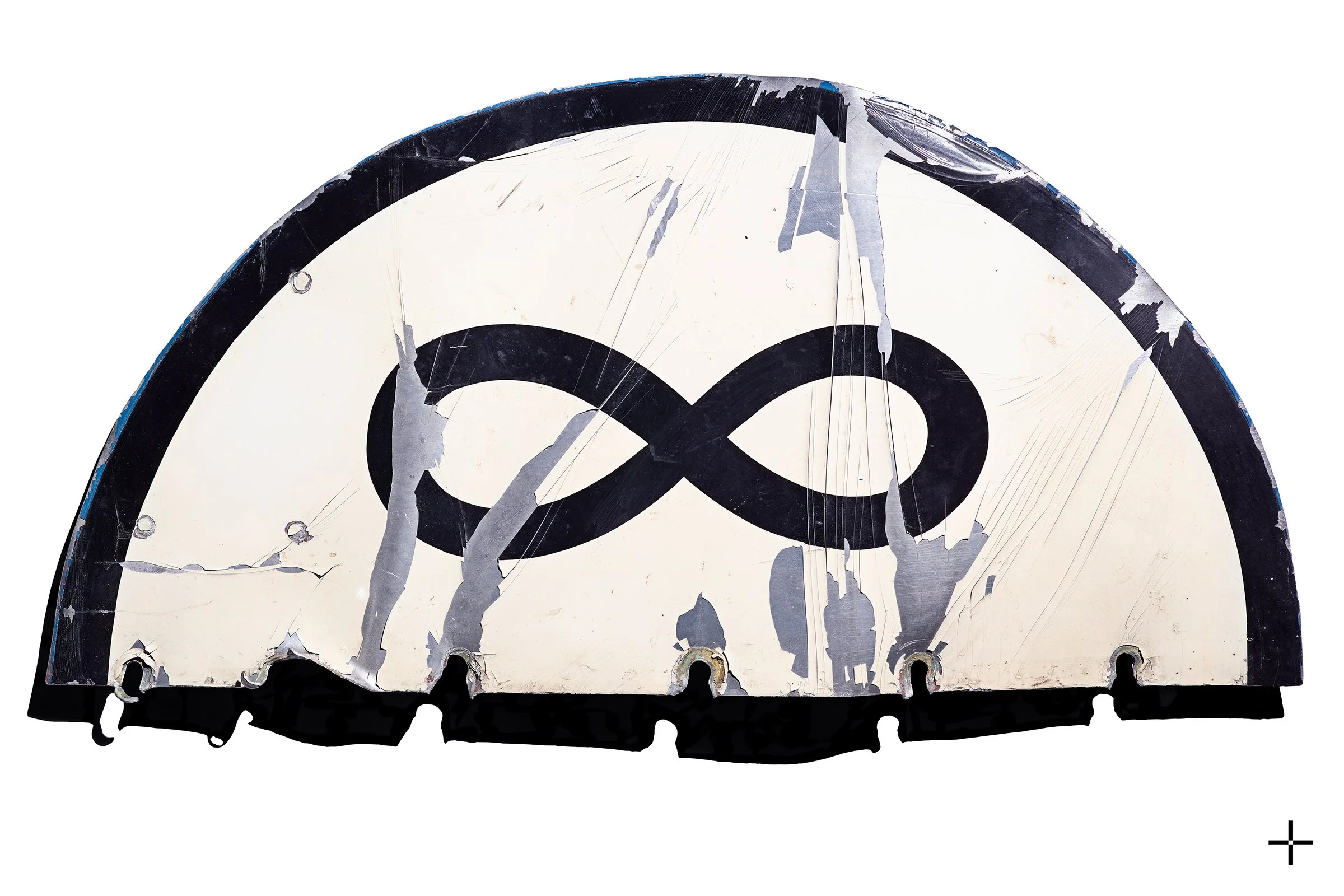
During the crash that destroyed Bluebird K7 and took Donald Campbell’s life, the “infinity” insignia from the side of the pontoon was ripped from the side of the pontoon.
-
-
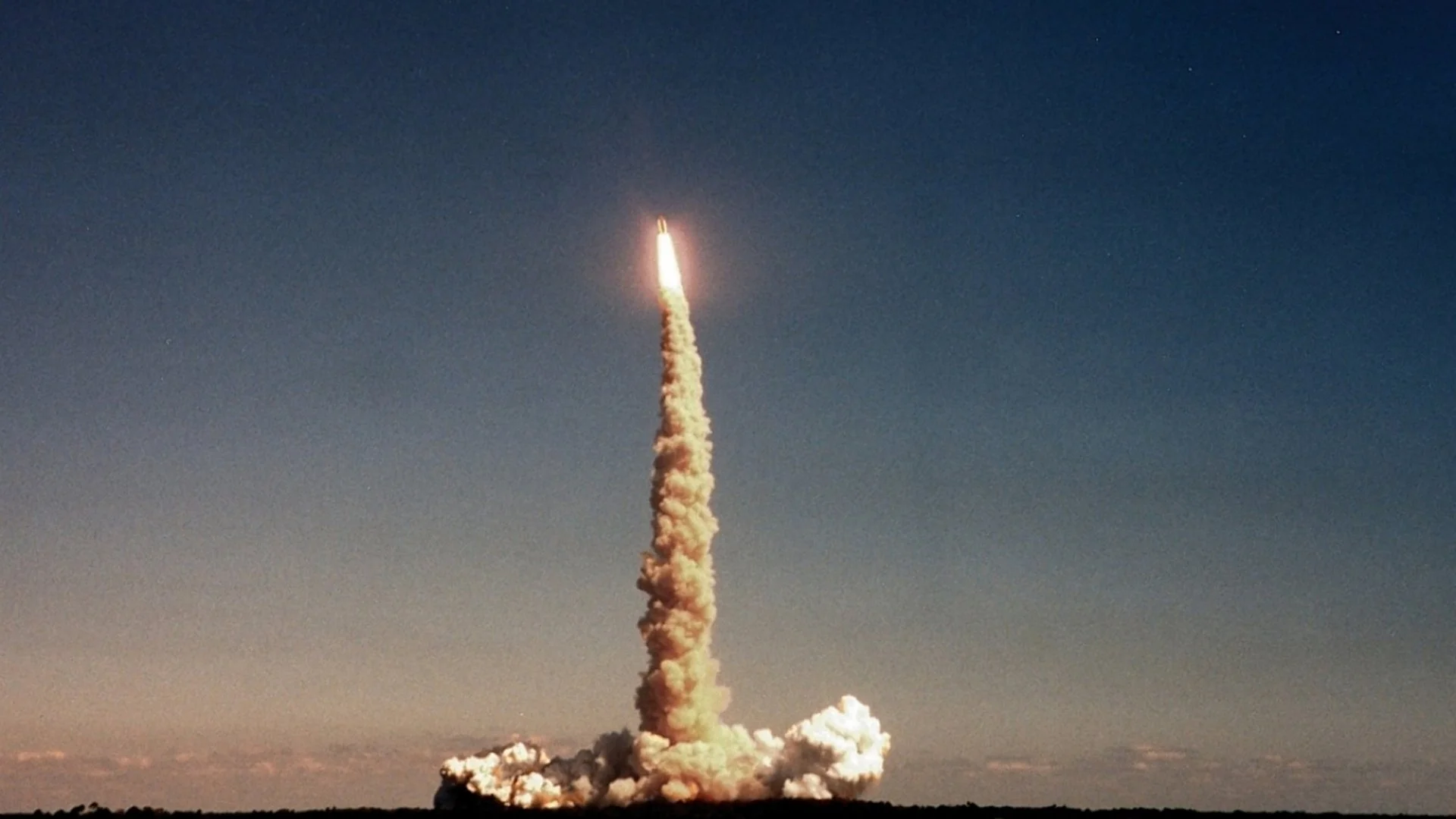
"Houston, we've had a problem."
Jim Lovell, aboard Apollo 13.
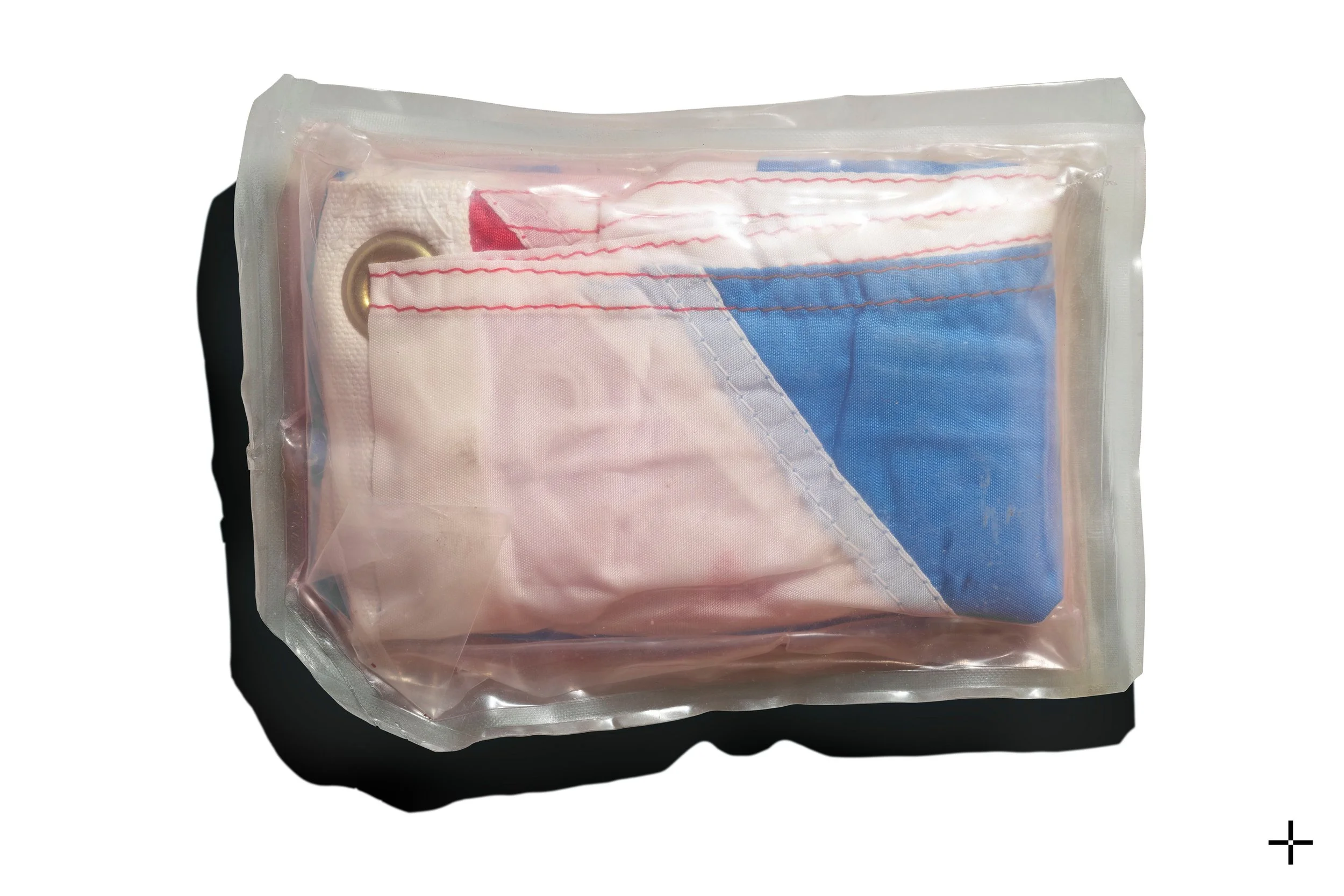
Unopened Explorer’s Club flag from Apollo 13, still sealed in its flame retardant packaging, returned to the Club somewhat apologetically by Jim Lovell for not having landed on the Moon; despite that, Apollo 13 and its astronauts have still travelled the farthest from the Earth anyone has ever gone as they slingshot around the Moon: 248,655 miles.
-
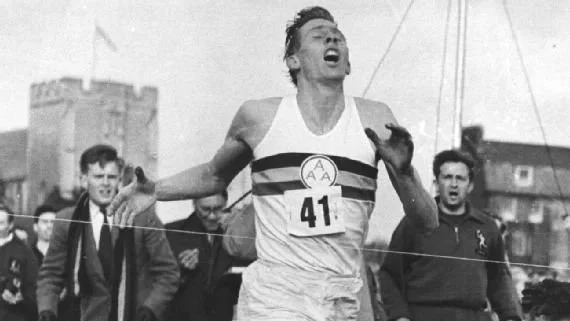
“Just because they say it's impossible doesn't mean you can't do it.”
Roger Bannister.
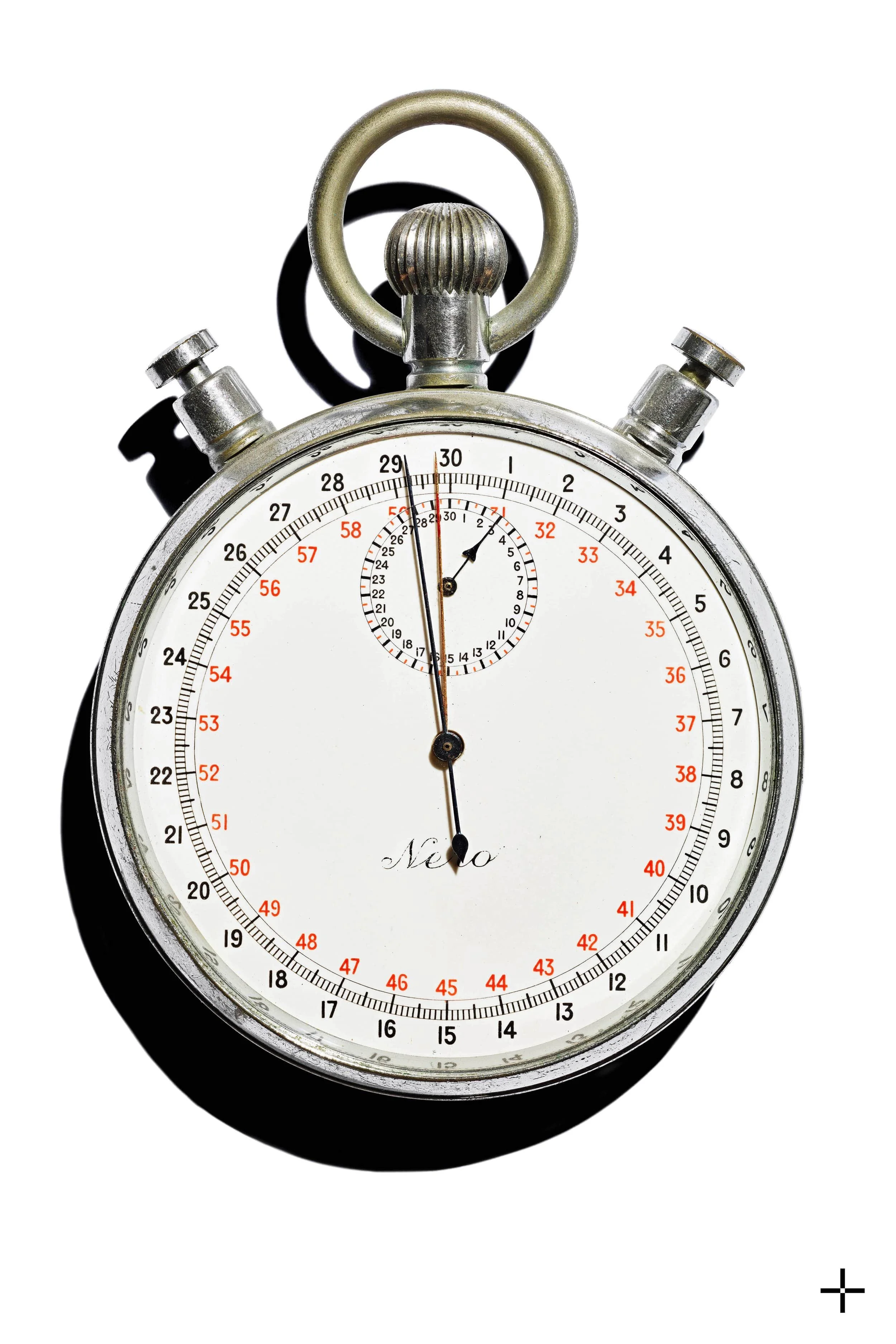
Moments before four minutes past six, on the evening of the 6th of May 1954, Roger Bannister crossed the finish line at Iffley Road Track in Oxford, setting a new World record and breaking the four minute mile. As the announcer read out the time, the crowd erupted as soon as they heard three, and the time keeper holding the stop watch above dropped it, shattering its glass and freezing the record time forever. It would be several minutes before Bannister heard his actual time, a time that up till then had been considered impossible.
-
-
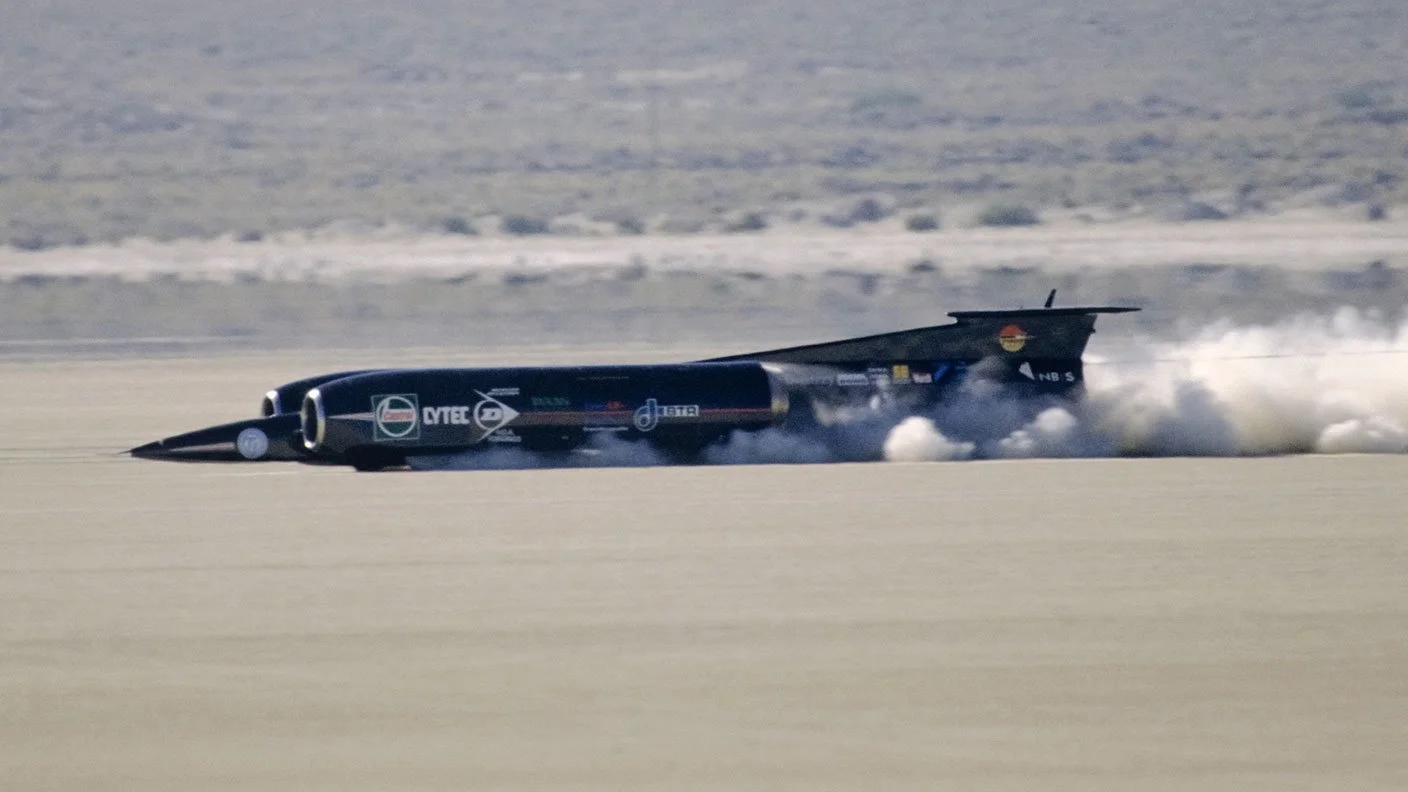
“On the plus side, where I was sitting, I had quite an interesting view.”
Wing Commander Andy Green OBE, whilst becoming the first man to break the sound barrier on land.
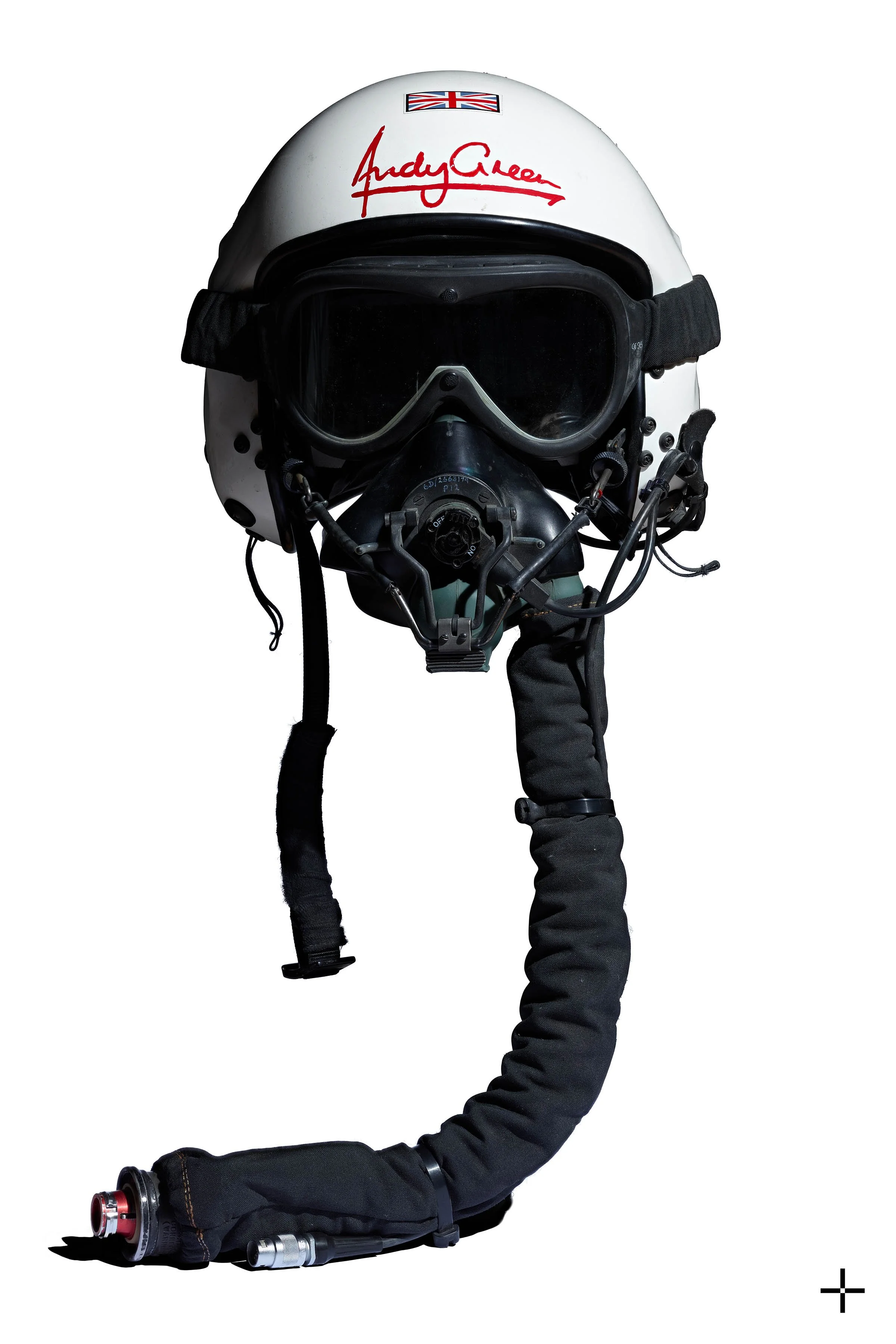
On 15 October 1997, 50 years and 1 day after the sound barrier was broken in aerial flight by Chuck Yeager, Wing Commander Andy Green reached 763.035 mph (1,227.986 kmph) in his car ThrustSSC, in Black Rock Desert, Nevada, the first ever supersonic land speed record (Mach 1.016).
-
-
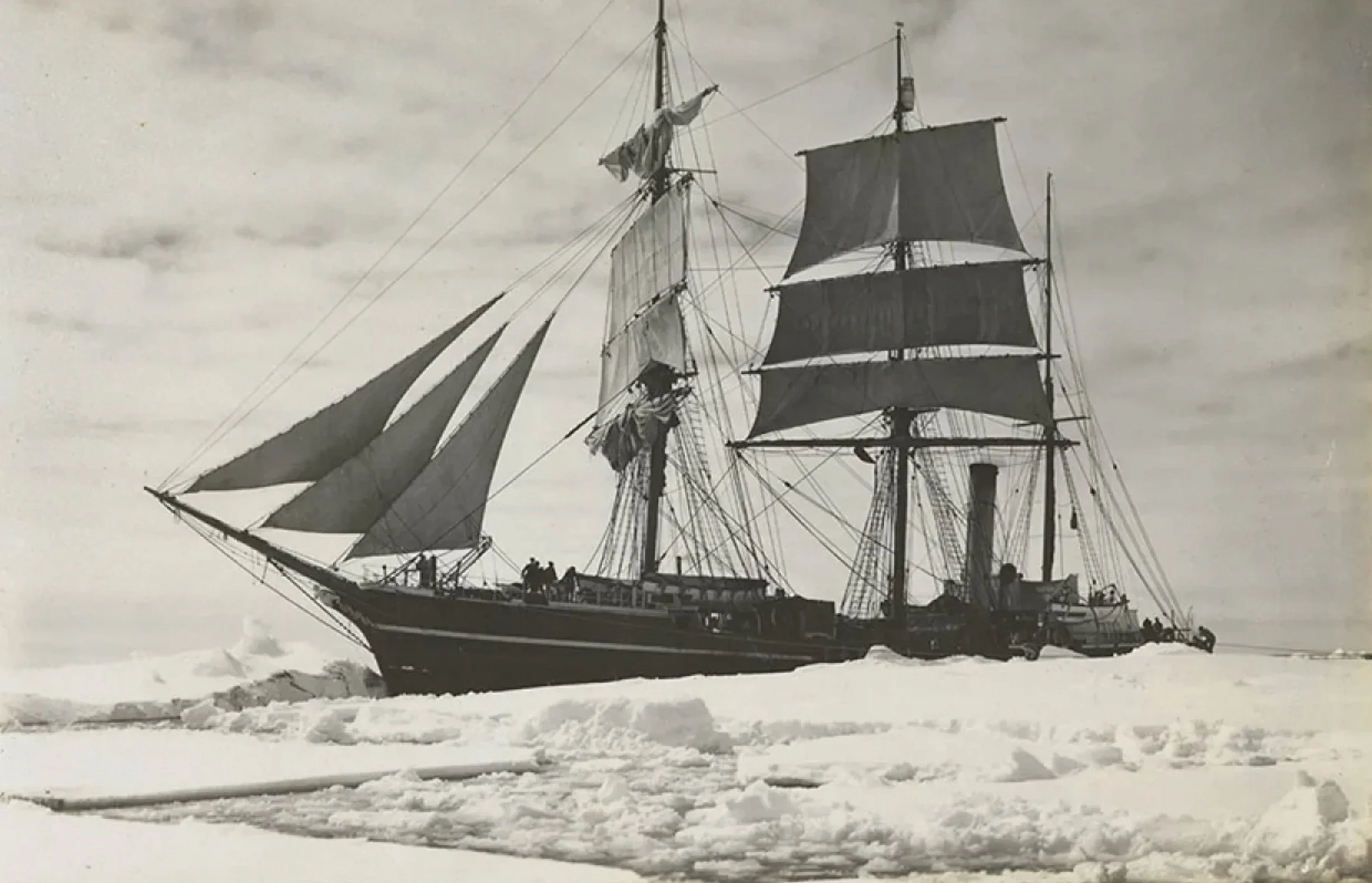
“A wonderfully fine ice ship — as she bumped the floes with mighty shocks — she seemed like a living thing fighting a great fight.”
Captain Robert Falcon Scott, of the Terra Nova.
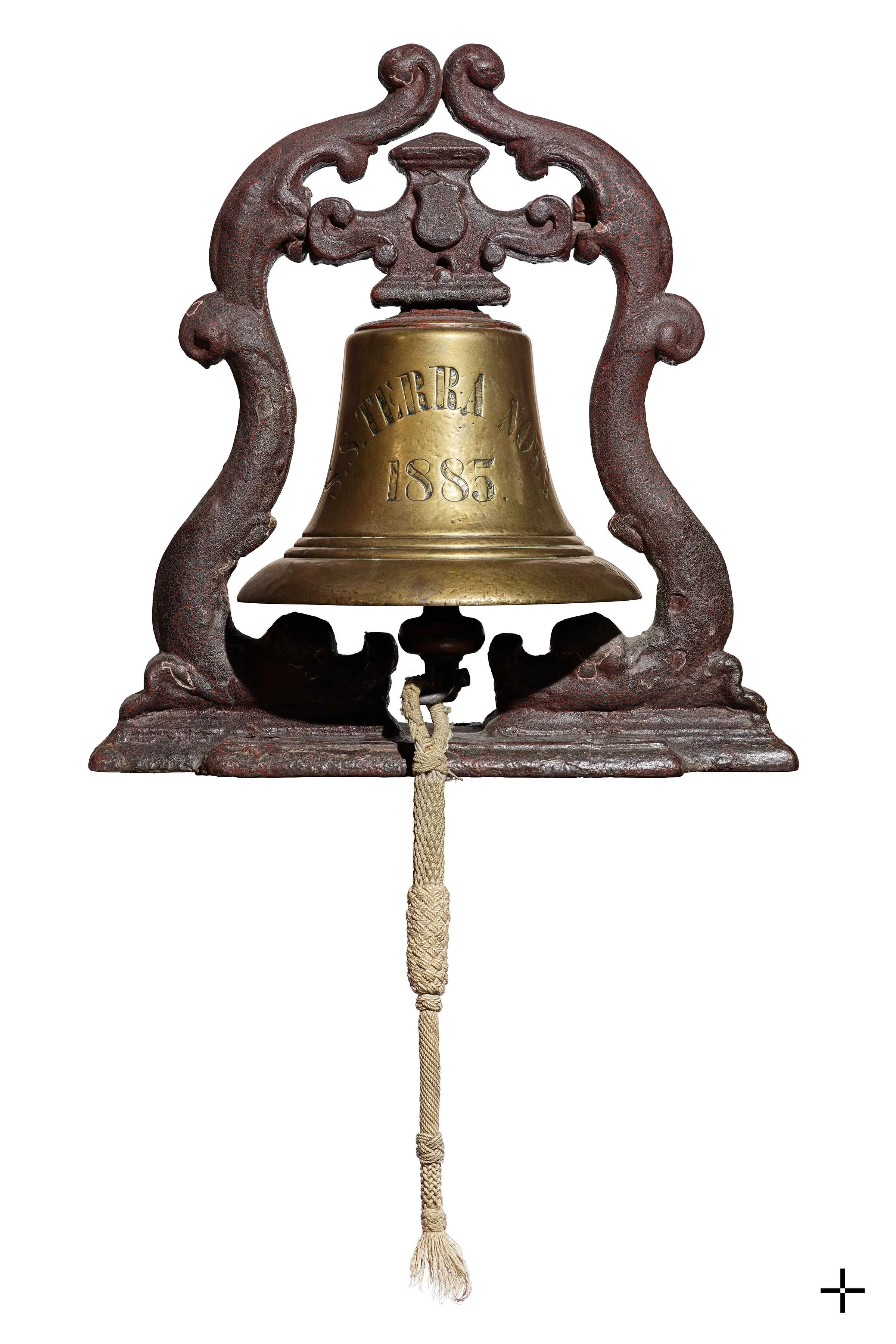
The ship’s bell of the Terra Nova, the ship that delivered Robert Falcon Scott and his team on his fateful expedition to the South Pole in 1910. The bell resides at the Scott Polar Research Institute and is still rung daily for tea time at 11am and 4pm.
-
-
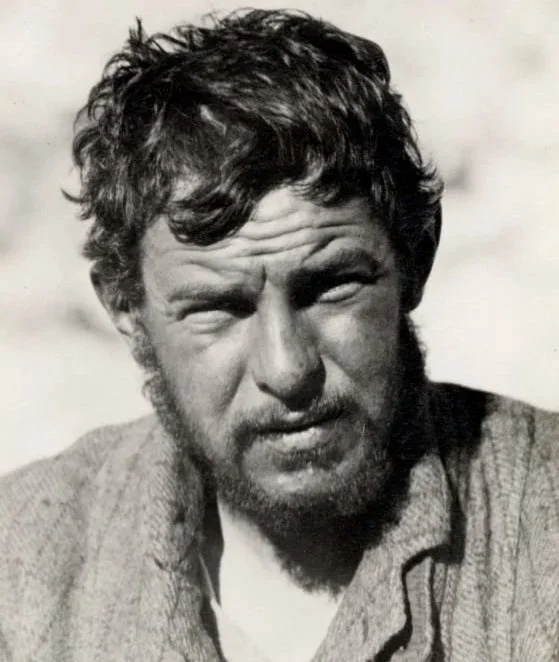
“There's no dream that mustn't be dared.”
George Mallory.
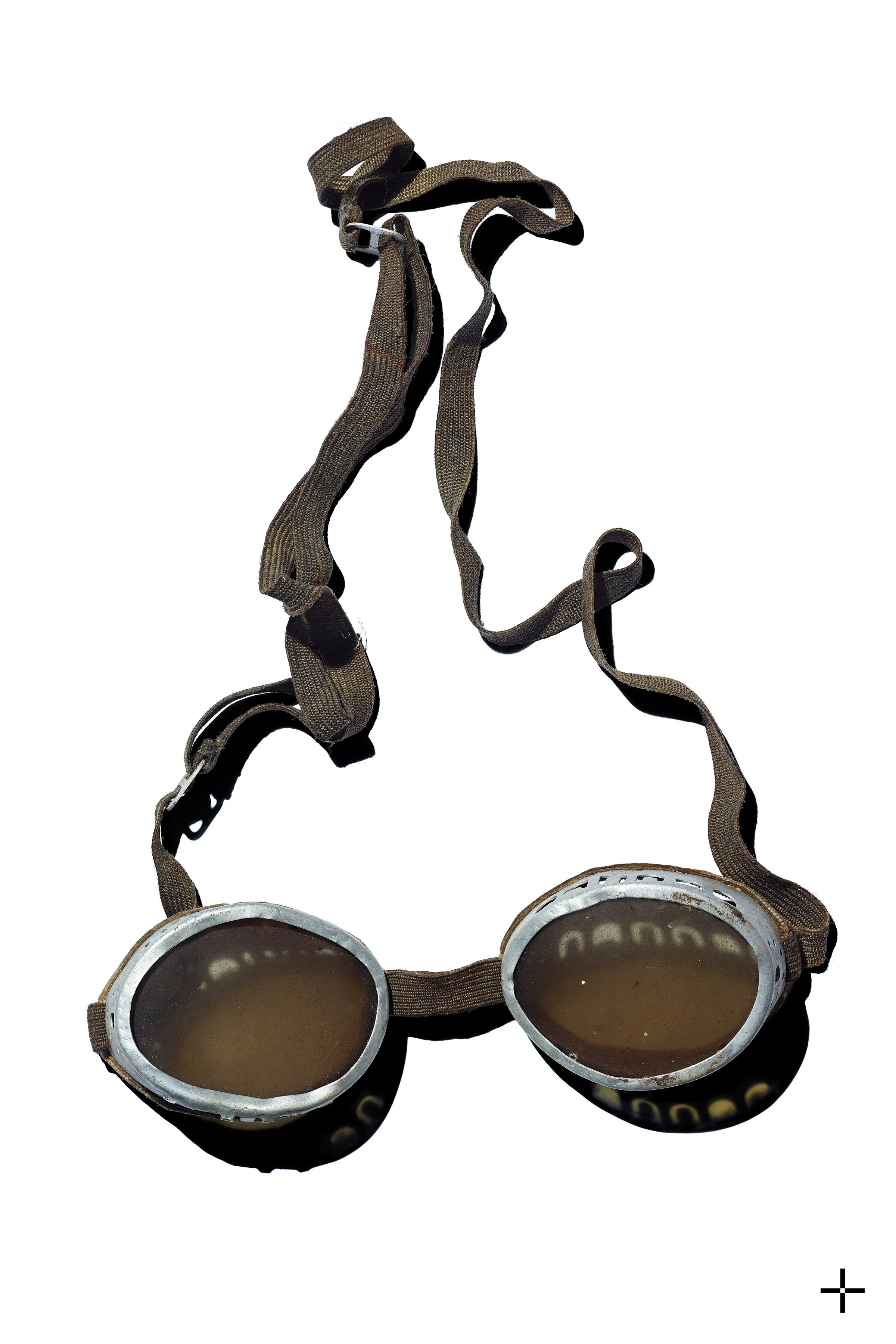
Mountaineering goggles belonging to Howard Somervell, who was part of the 1924 expedition to Everest, where, with Edward Norton, climbed to an altitude of 8570m, a record which would not be broken, with certainty, until 1952.
-
-
“There is nothing to complain of. . . we had a gorgeous day for the climb, almost windless and brilliantly fine, yet we were unable to get to the summit. So we have no excuse — we have been beaten in fair fight; beaten by the height of the mountain, and by our own shortness of breath. But the fight was worth it, worth it every time, and we shall cherish the privilege of defeat by the world's greatest mountain.”
Howard Somervell.
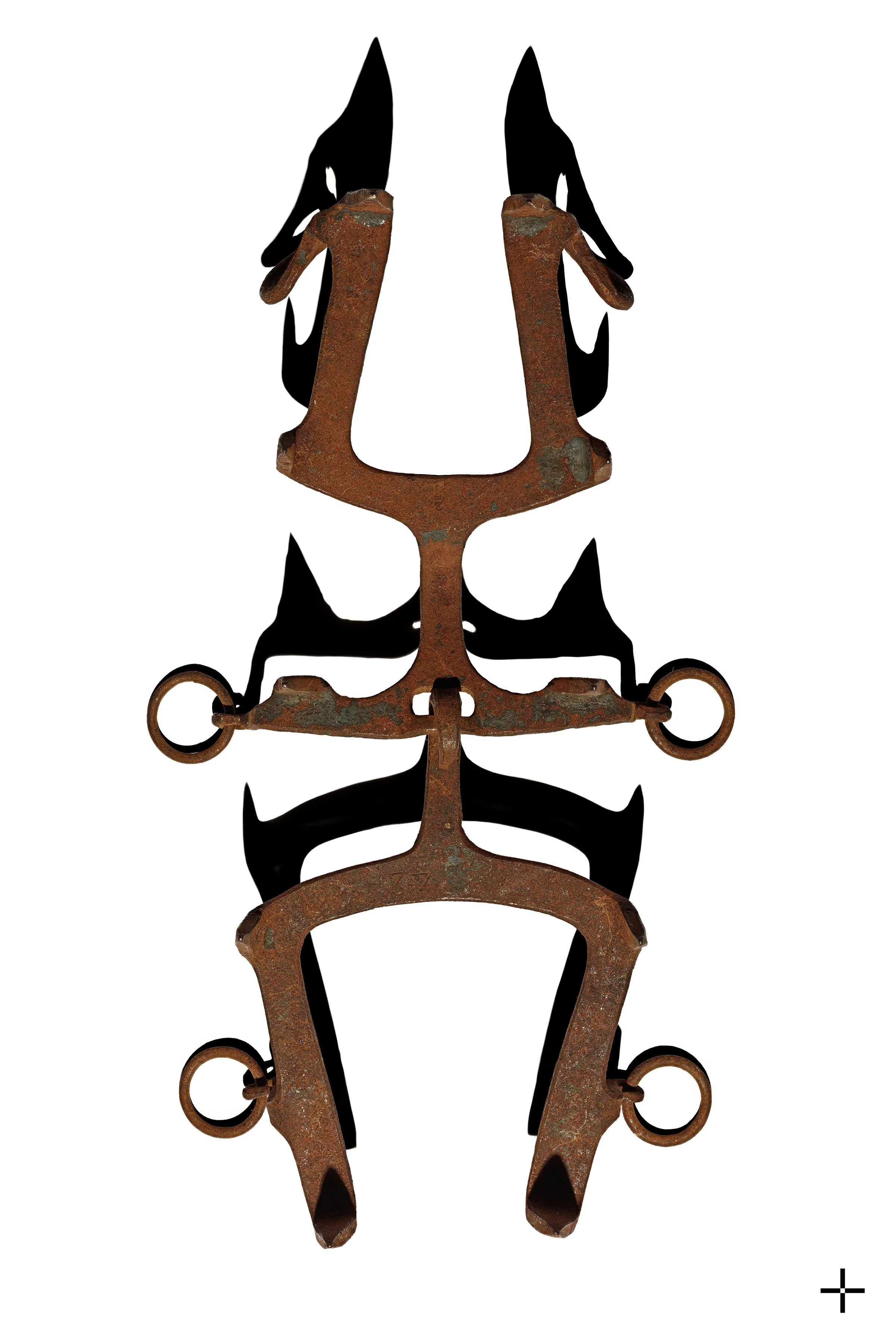
Climbing Crampons used by Howard Somervell, who was part of the 1924 expedition to Everest. A devout Christian he was also a surgeon, an artist and missionary who, after his two Everest Expeditions, spent 40 years working as a doctor in India.
-
-
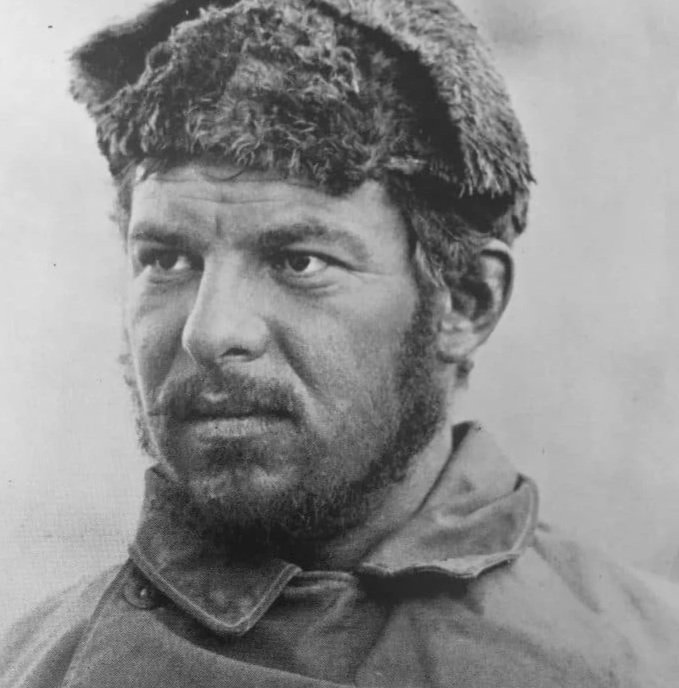
“……he was strong, a good man on a mountain, with a great sense of humour, and I liked that. I think George and I could've done that together ... I've probably never told George that..”
Edmund Hillary on George Lowe.
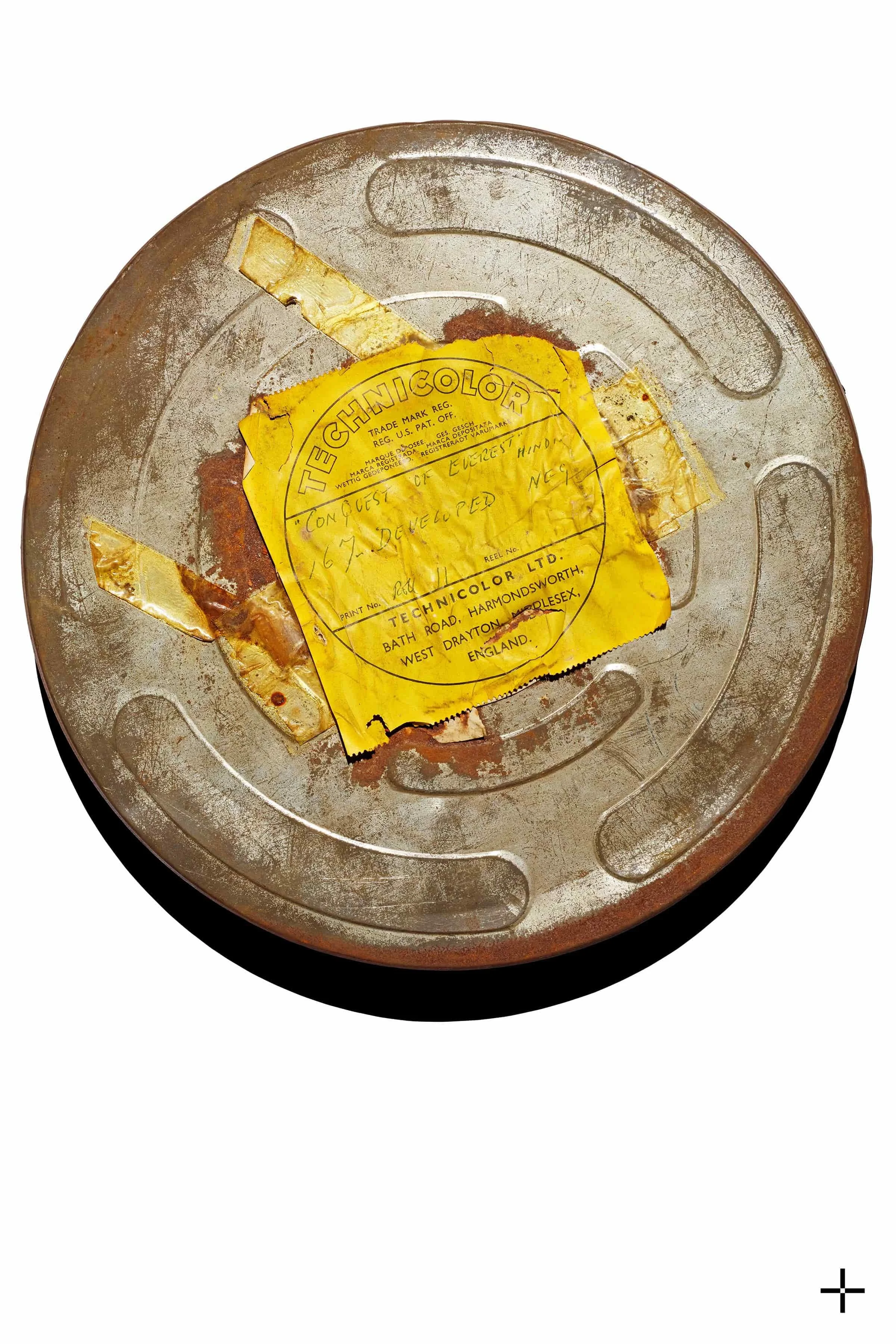
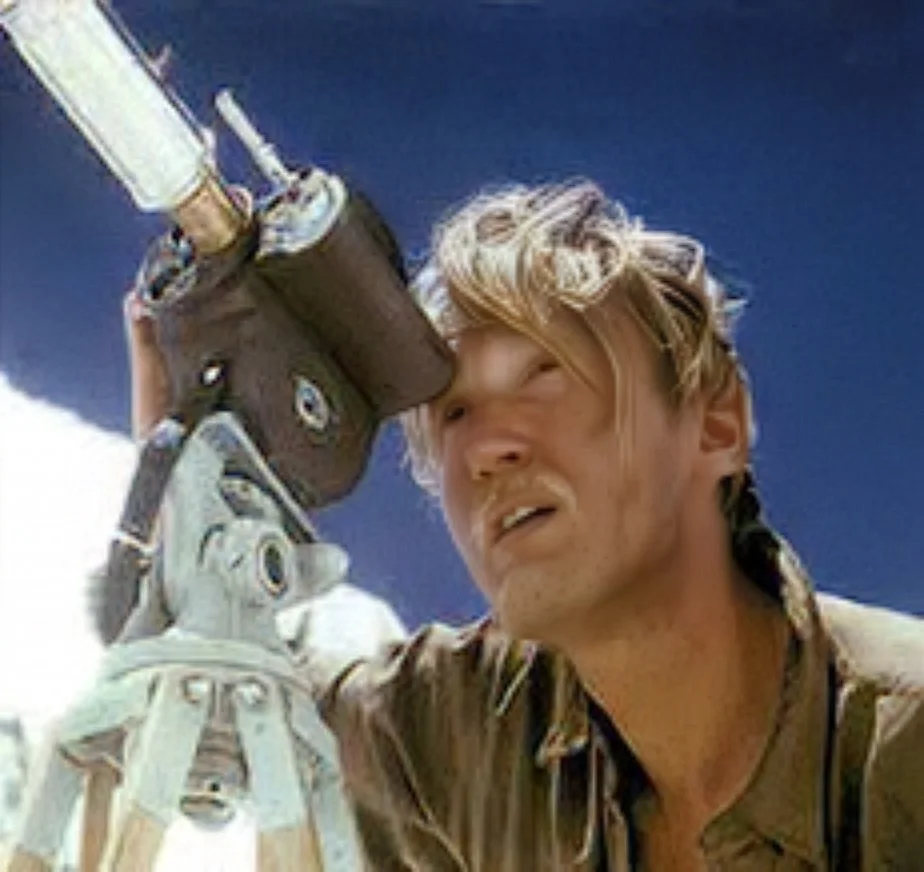
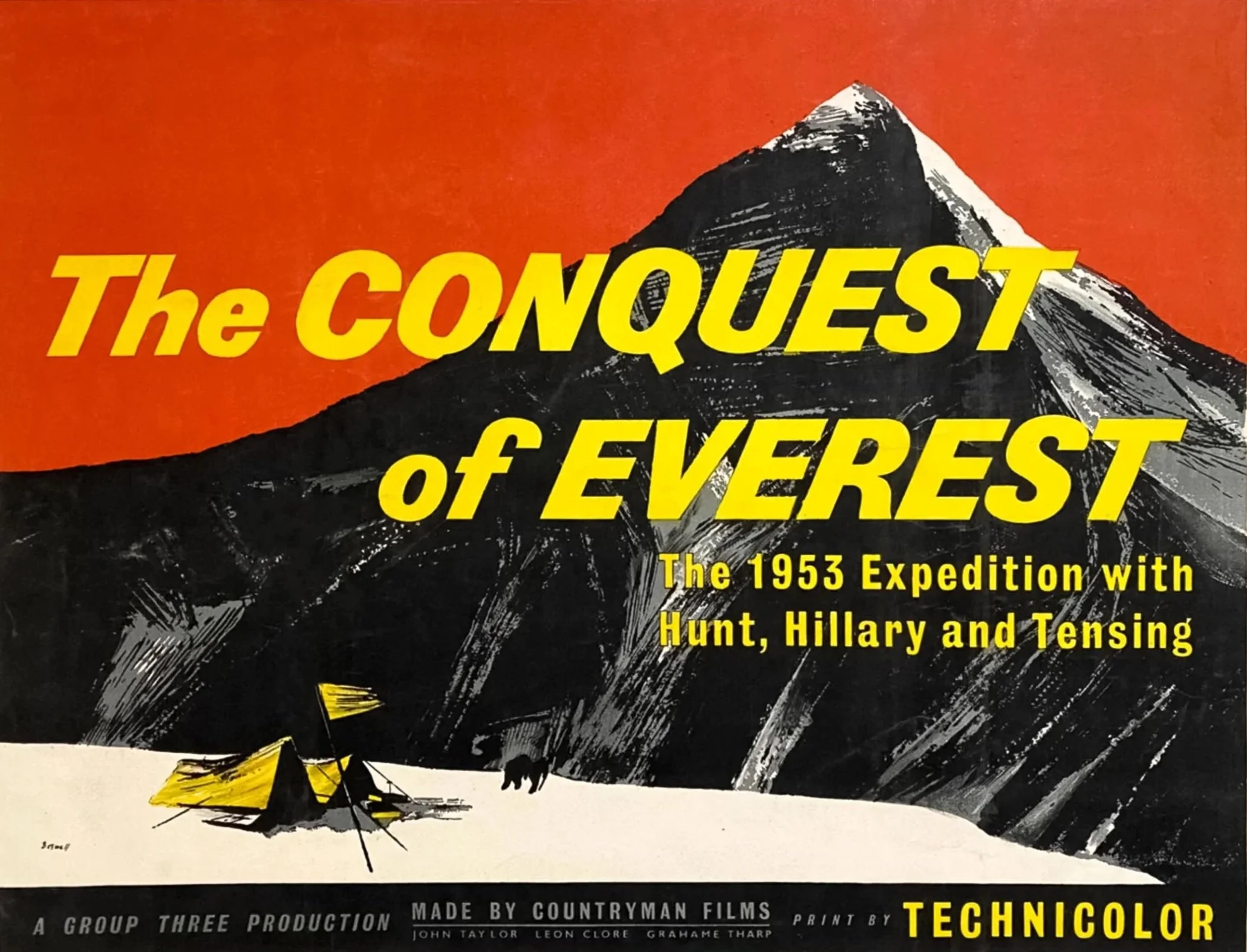
A Hindi language print of George Lowe’s film “The Conquest of Everest”, filmed by Tom Stobart, with aerial photography by the Indian Air Force; 1953.
-
-
“Life is absurd. But you fill it with ideas, with enthusiasm, with joy.”
Nirmal “Nims” Purja.
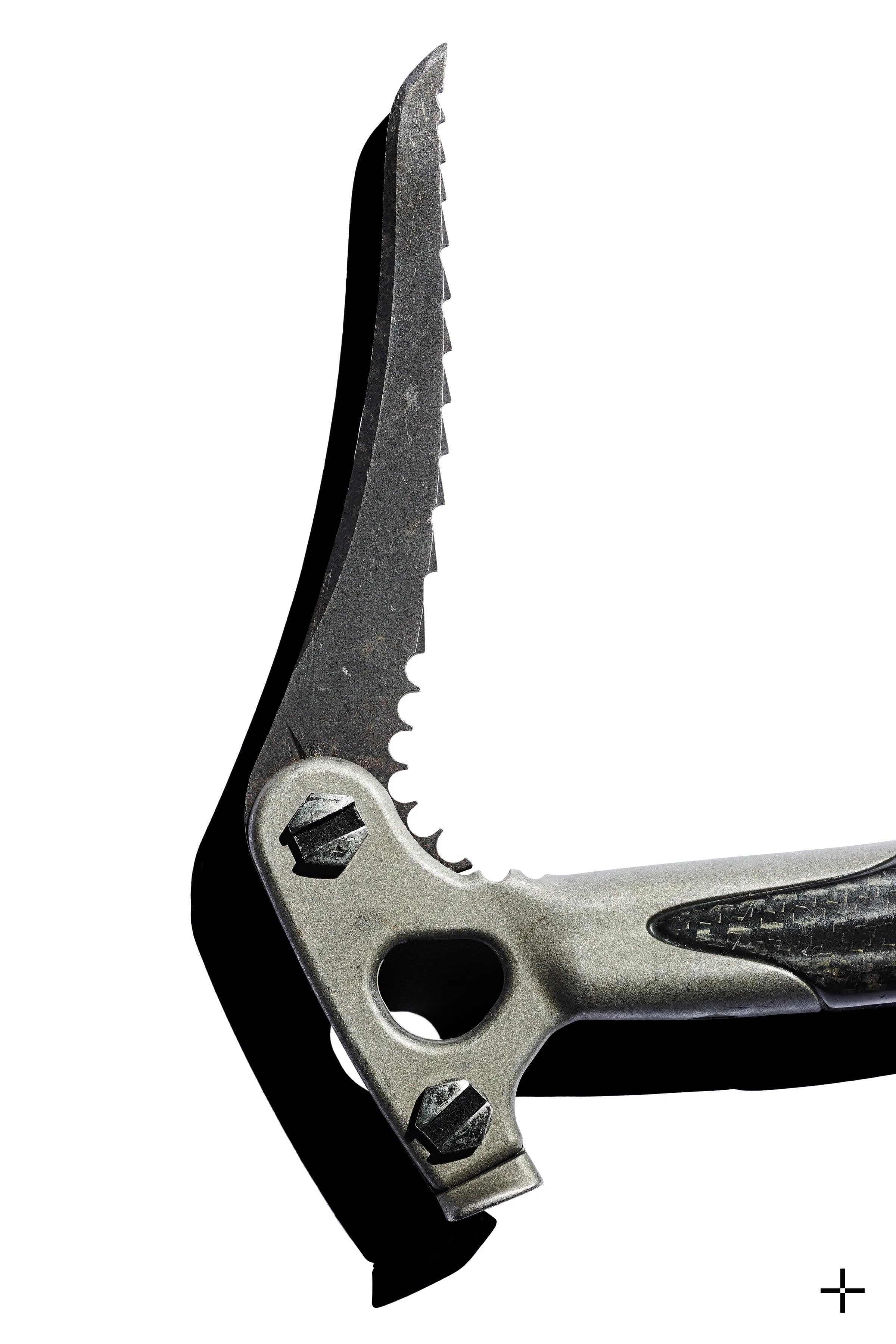
One of Nims Purja’s ice axes, from when he set a world record by summiting all 14 of the world’s 8,000-meter "death zone" peaks in just 6 months and 6 days in 2019, shattering the previous record of 7 years.
-

-
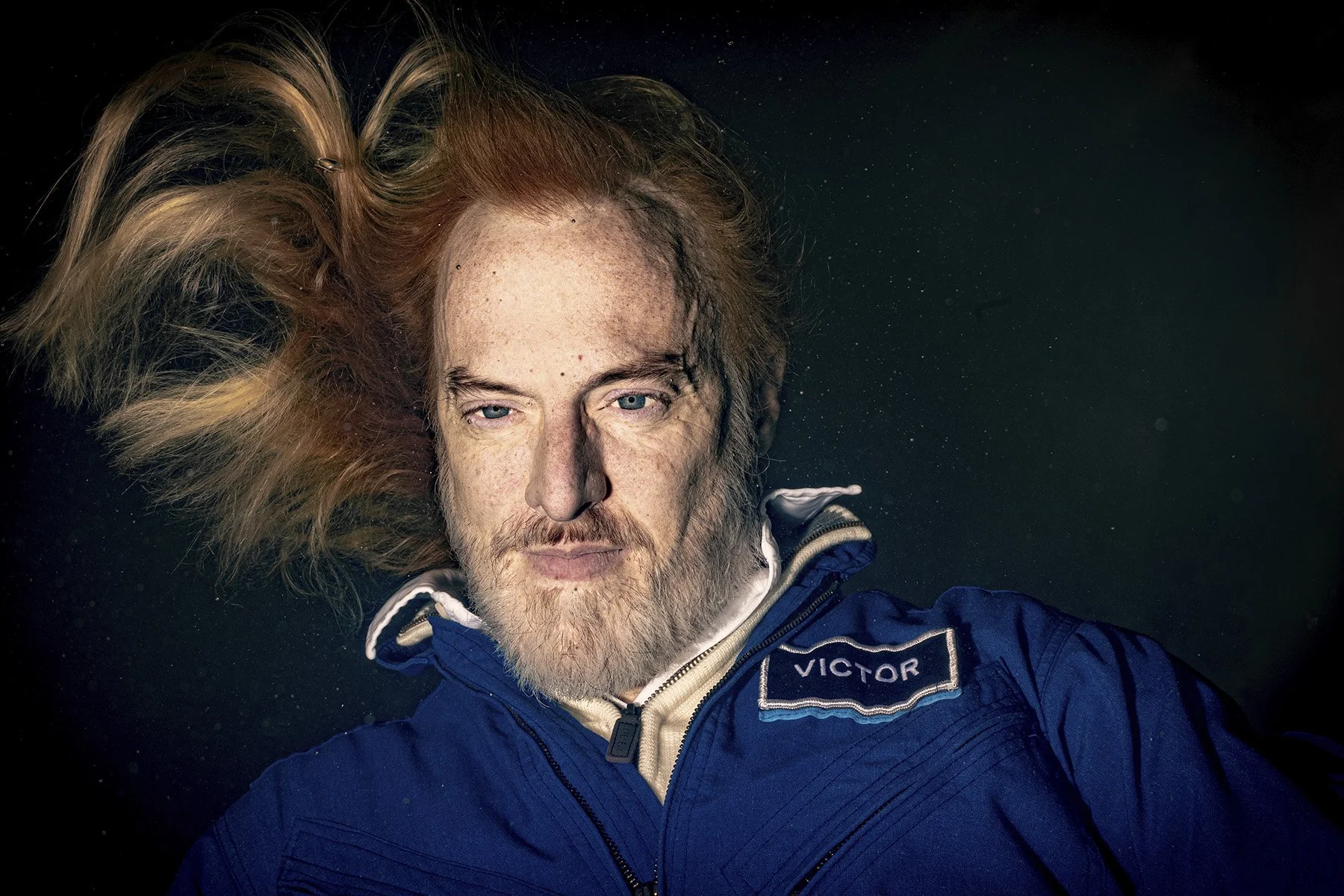
"Fear is just something we have as humans that helps us to survive, but it shouldn't dominate our thoughts and actions."
Victor Vescovo.
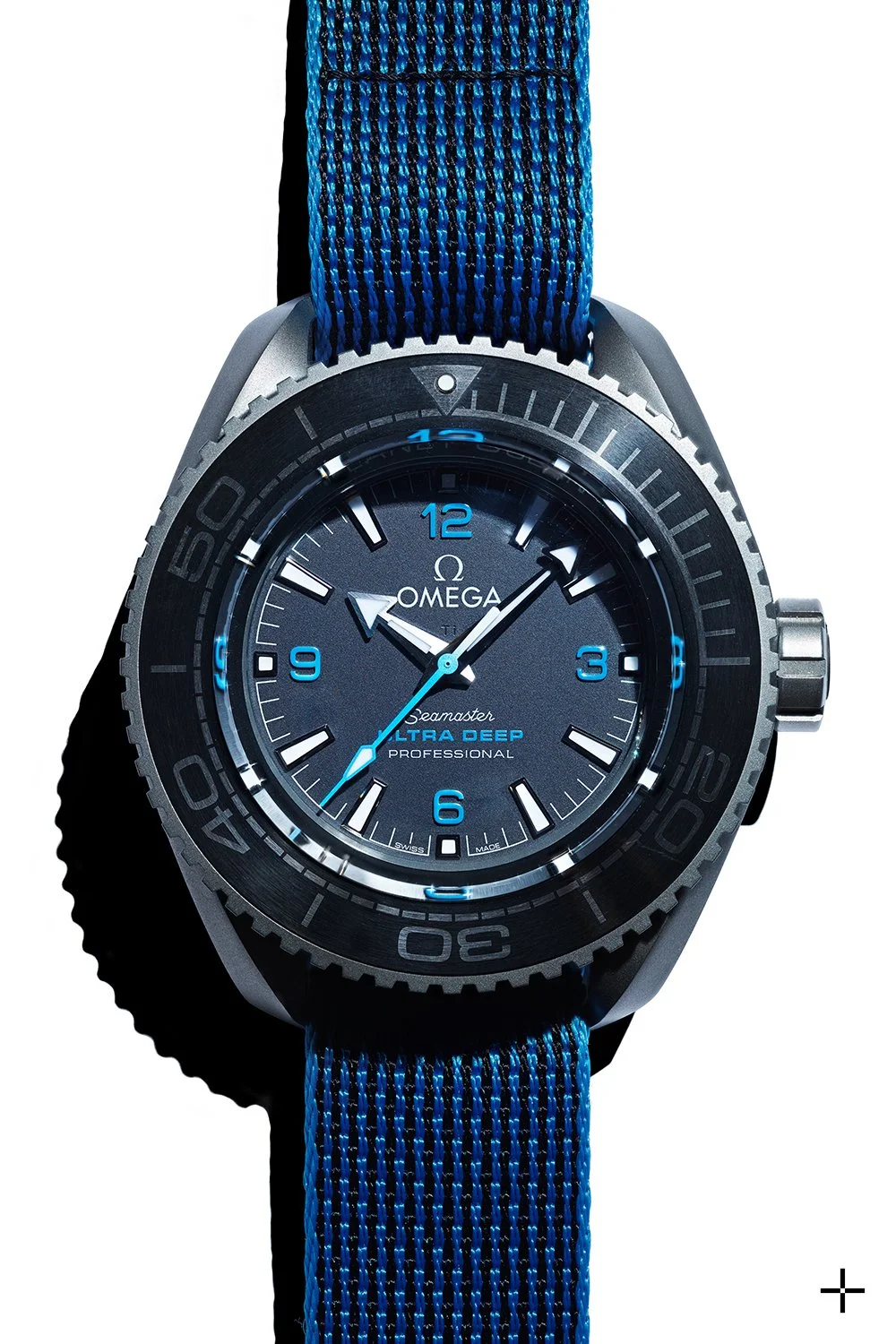
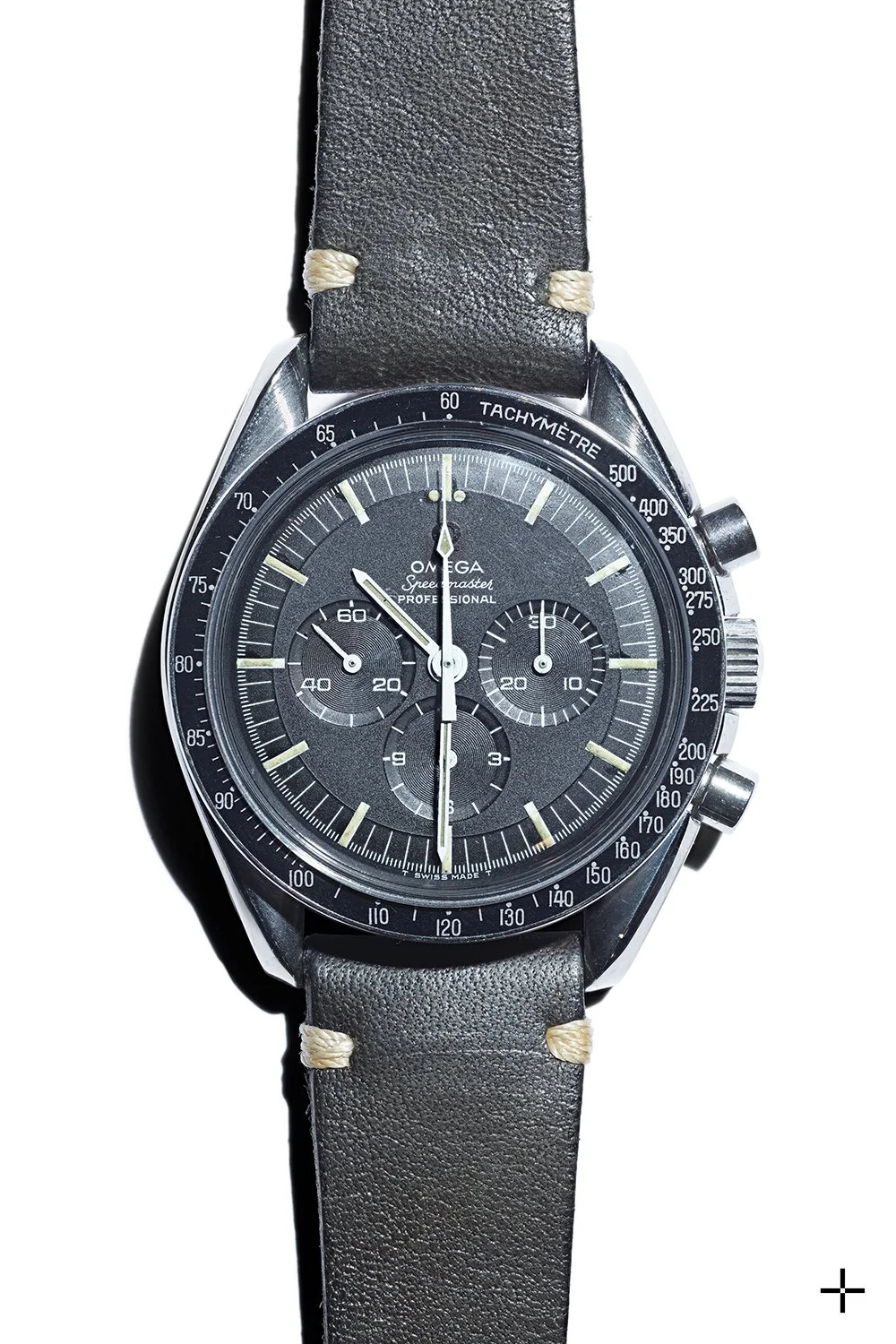
Victor Vescovo has achieved the Explorers Grand Slam by reaching the North and South Poles and climbing the Seven Summits. He visited the deepest points of all of Earth's five oceans during the Five Deeps Expedition of 2018–2019, and is most notably known for piloting the DSV Limiting Factor to the Challenger Deep in the Pacific Ocean's Mariana Trench, to a depth of 10,928 m (35,853 ft), a world record by 16 m (52 ft). This Omega Ultra Deep watch was attached to the outside of the submersible, easily surviving the crushing pressures.
-
-
“Our sole illumination was a dim and foul-smelling blubber lamp, which really only served to make the darkness visible.”
Frank Worsley DSO.
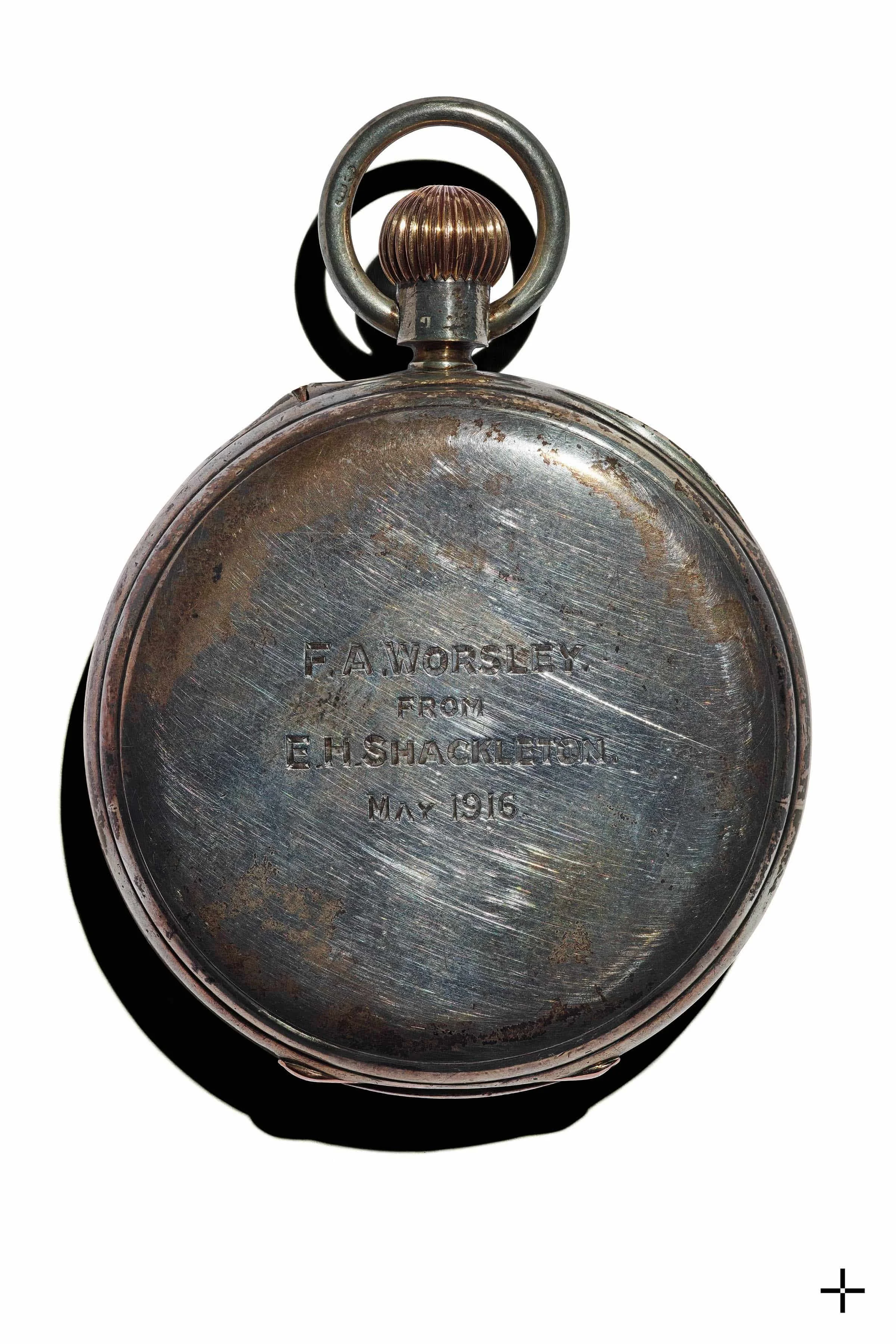
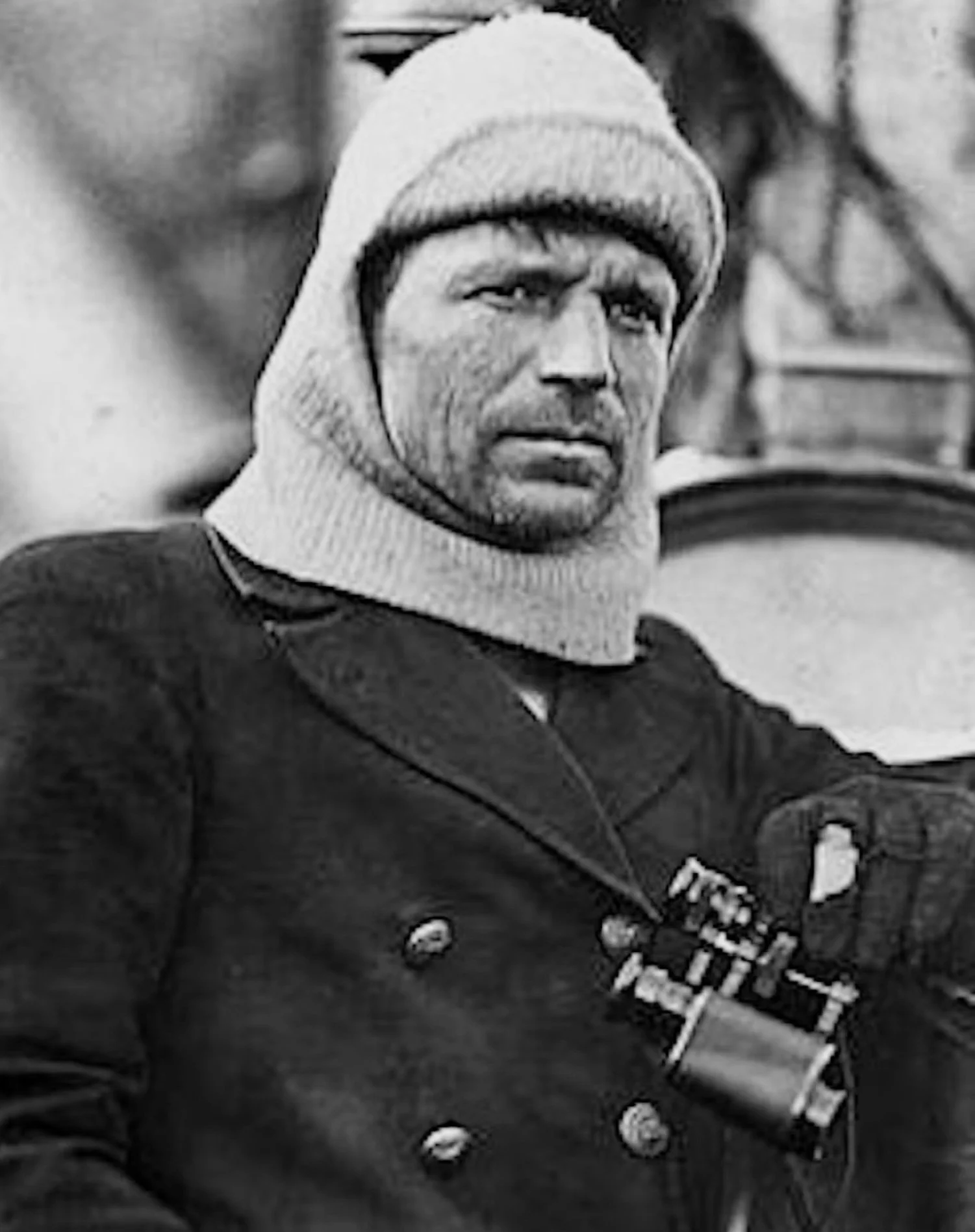
This pocket chronometer was given by Ernest Shackleton to his navigator Frank Worsley, after he had used it to steer the life boat the “James Caird” across 800 miles across the Southern Ocean from Elephant Island to South Georgia. Many regard the voyage of the crew in a 22.5-foot (6.9 m) ship's boat as the greatest piece of open water navigation ever made, ultimately saving the lives of the entire expedition.
-
-
“Victory awaits he who has everything in order, and we call it luck. Defeat is definitely due for those who have neglected to take the necessary precautions, and we call that bad luck.”
Roald Amundsen.
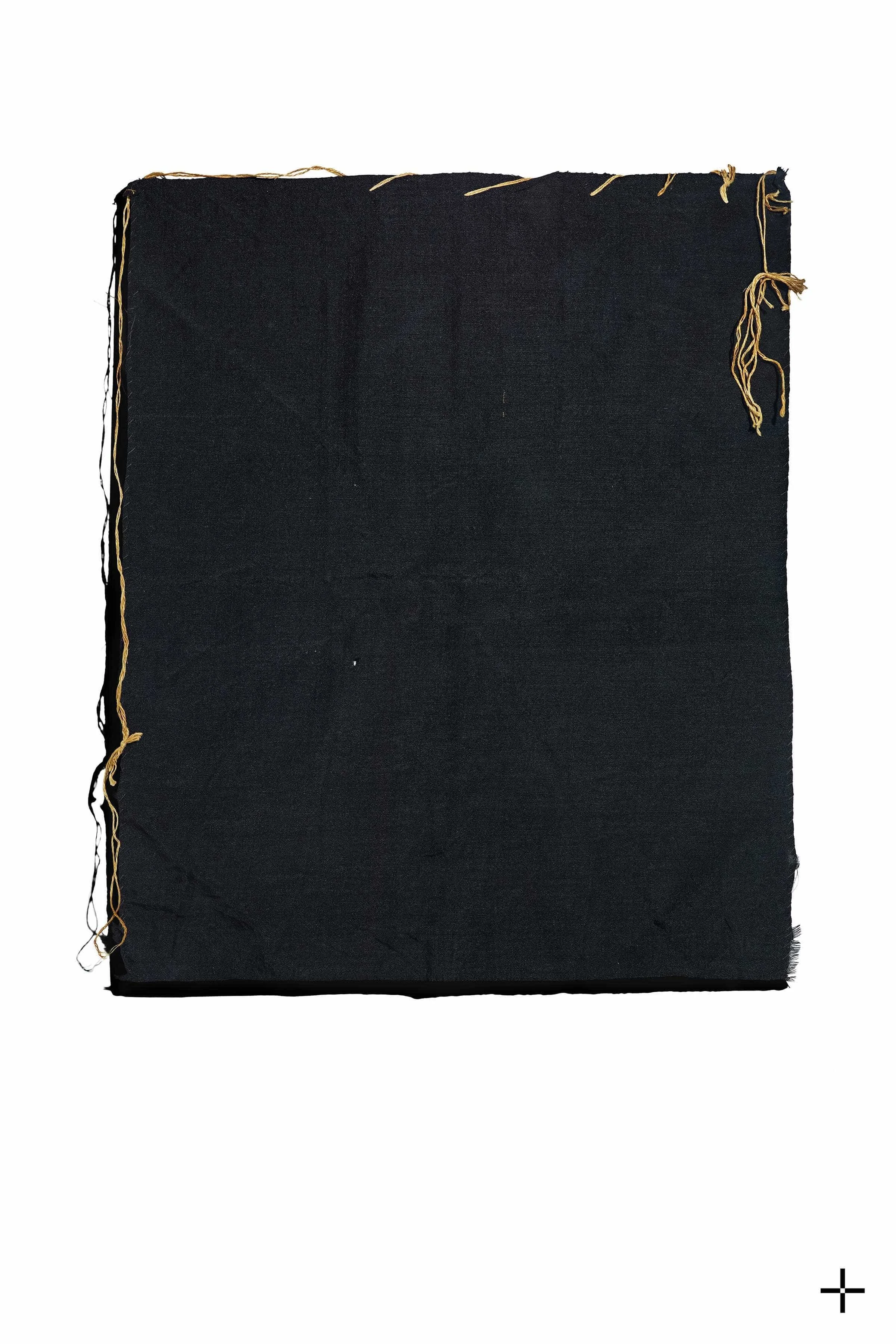
This small black rectangle of cloth, was the first thing Scott and his men saw in a white and frozen world to know that they had been beaten to the South Pole. Left by Amundsen to mark a supply dump of food and letters to corroborate his victory, it sent a knife of despair and dissolution through their hearts.
-
-
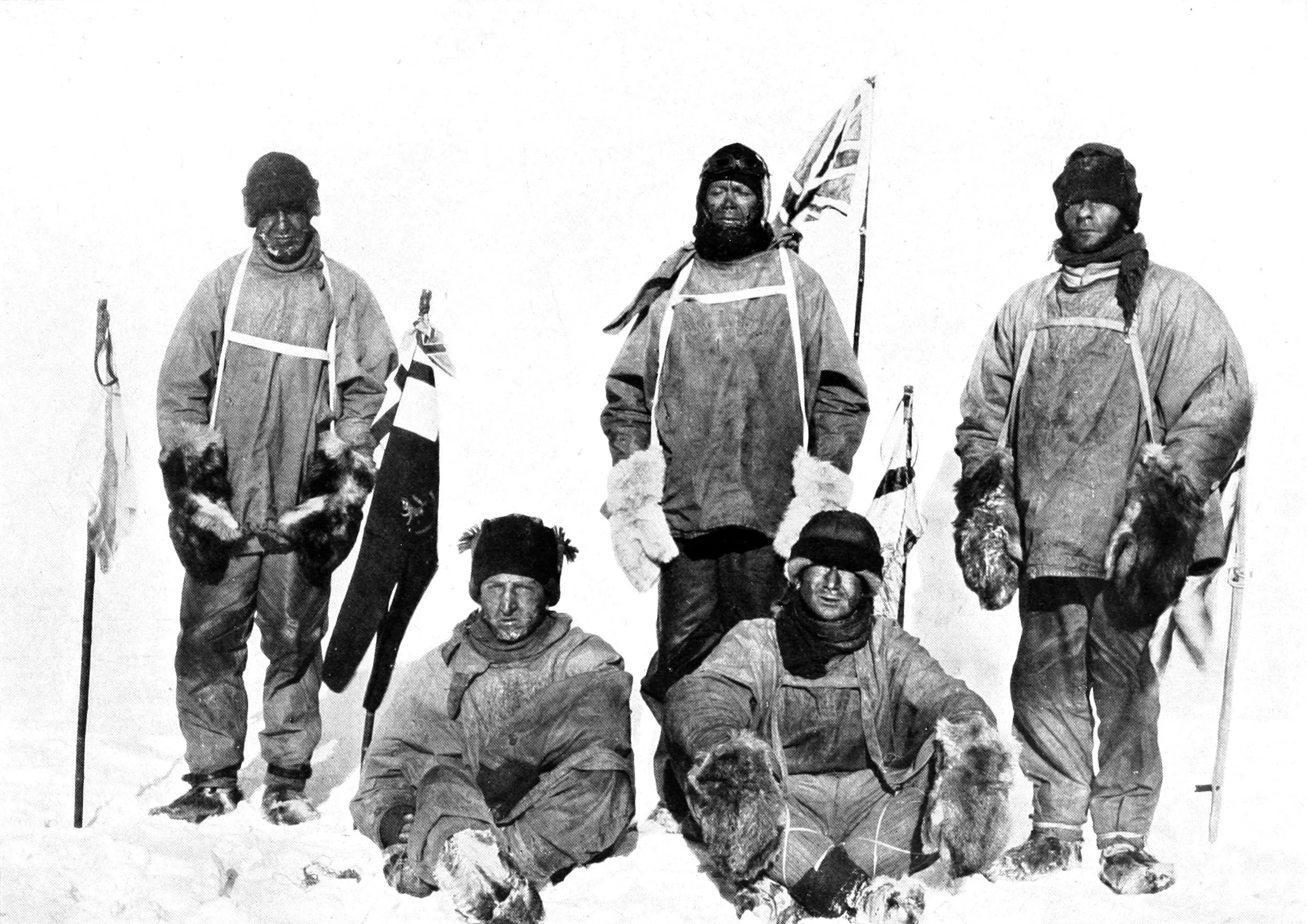
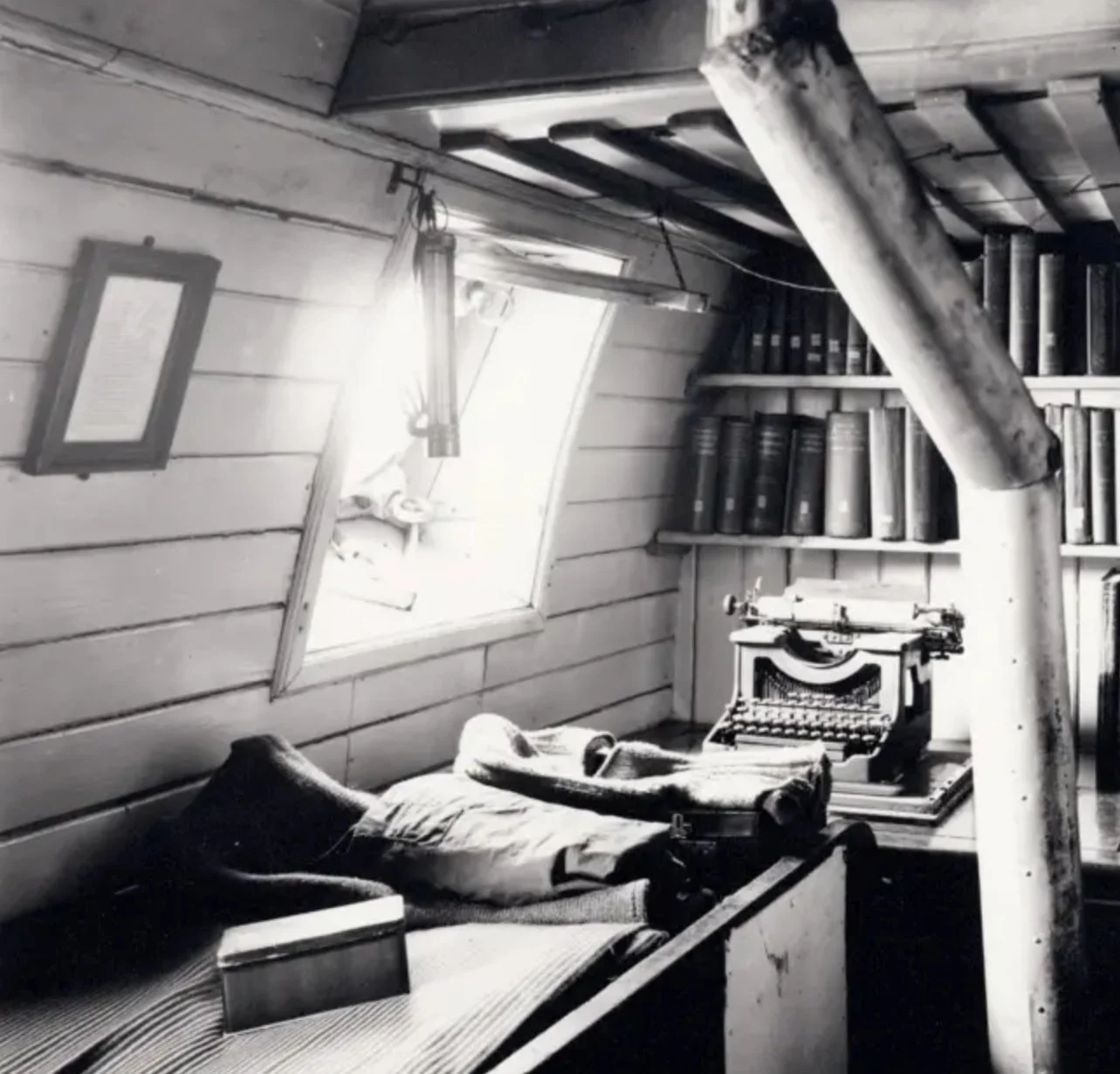
“If” by Rudyard Kipling, a framed copy of which was hung by Shackleton in his cabin on the Endurance; it was so valued by him that he carried it with him onto the ice floe when the ship sank.
If you can keep your head when all about you
Are losing theirs and blaming it on you,
If you can trust yourself when all men doubt you,
But make allowance for their doubting too;
If you can wait and not be tired by waiting,
Or being lied about, don’t deal in lies,
Or being hated, don’t give way to hating,
And yet don’t look too good, nor talk too wise:
If you can dream—and not make dreams your master;
If you can think—and not make thoughts your aim;
If you can meet with Triumph and Disaster
And treat those two impostors just the same;
If you can bear to hear the truth you’ve spoken
Twisted by knaves to make a trap for fools,
Or watch the things you gave your life to, broken,
And stoop and build ’em up with worn-out tools:
If you can make one heap of all your winnings
And risk it on one turn of pitch-and-toss,
And lose, and start again at your beginnings
And never breathe a word about your loss;
If you can force your heart and nerve and sinew
To serve your turn long after they are gone,
And so hold on when there is nothing in you
Except the Will which says to them: ‘Hold on!’
If you can talk with crowds and keep your virtue,
Or walk with Kings—nor lose the common touch,
If neither foes nor loving friends can hurt you,
If all men count with you, but none too much;
If you can fill the unforgiving minute
With sixty seconds’ worth of distance run,
Yours is the Earth and everything that’s in it,
And — which is more — you’ll be a Man, my son!
-