“Fine art is that in which the hand, the head, and the heart of man go together.”
John Ruskin.
LEGACY+ART are proud to present the “Tools of the Trade” Collection, featuring limited edition, fine art prints of original artefacts instrumental in the creative lives and work of a diverse array of legendary artists.
From Lucian Freud to Charles Dickens, Henry Moore to Margot Fonteyn, Oscar Wilde to John Lennon, and from PG Wodehouse to Sir Peter Blake.
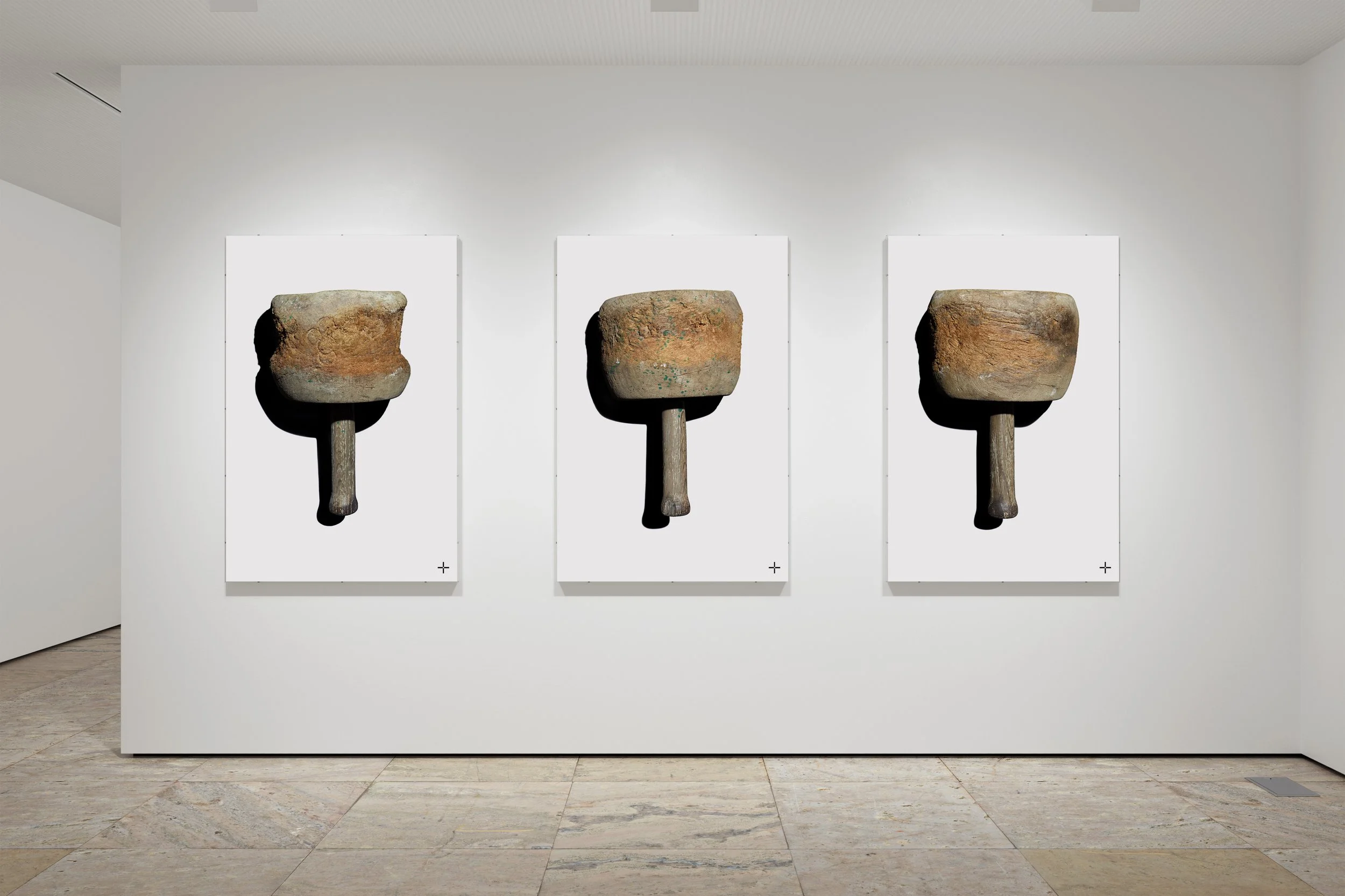
Each final print is a composite of several hundred individual photographic frames, evocatively brought together to bring you hyper detailed, large format, photographs that reveal every mark and every touch, and every pen and every paint stroke.
These are the ultimate artworks to allow you to live with your passions and your heroes, to beautifully compliment your home and to bring you closer to the artists themselves; this stunning body of work is truly unique.
“The longer you look at an object, the more abstract it becomes, and, ironically, the more real.”
Lucian Freud.
"The soul cannot thrive in the absence of art."
Henry Moore.
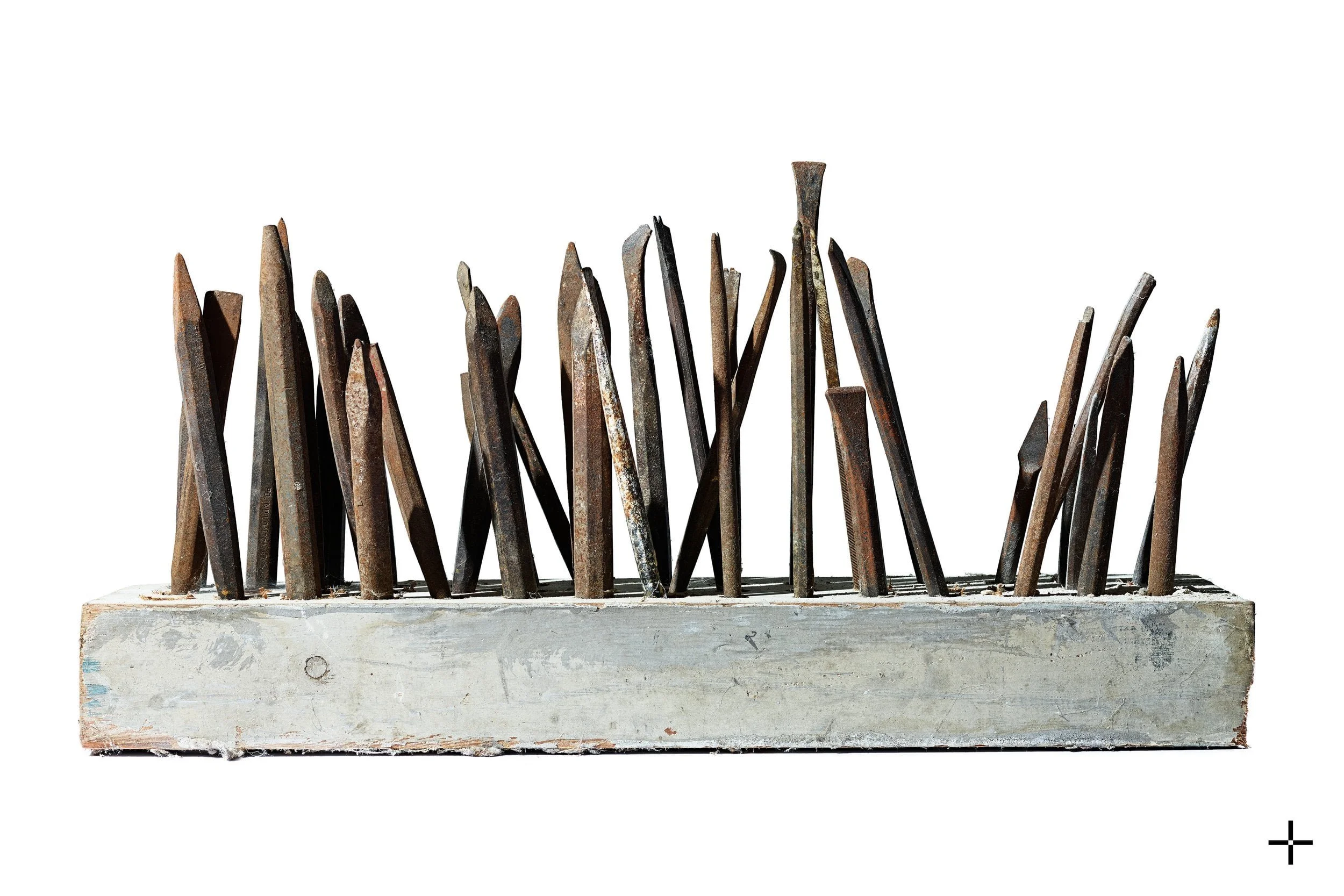
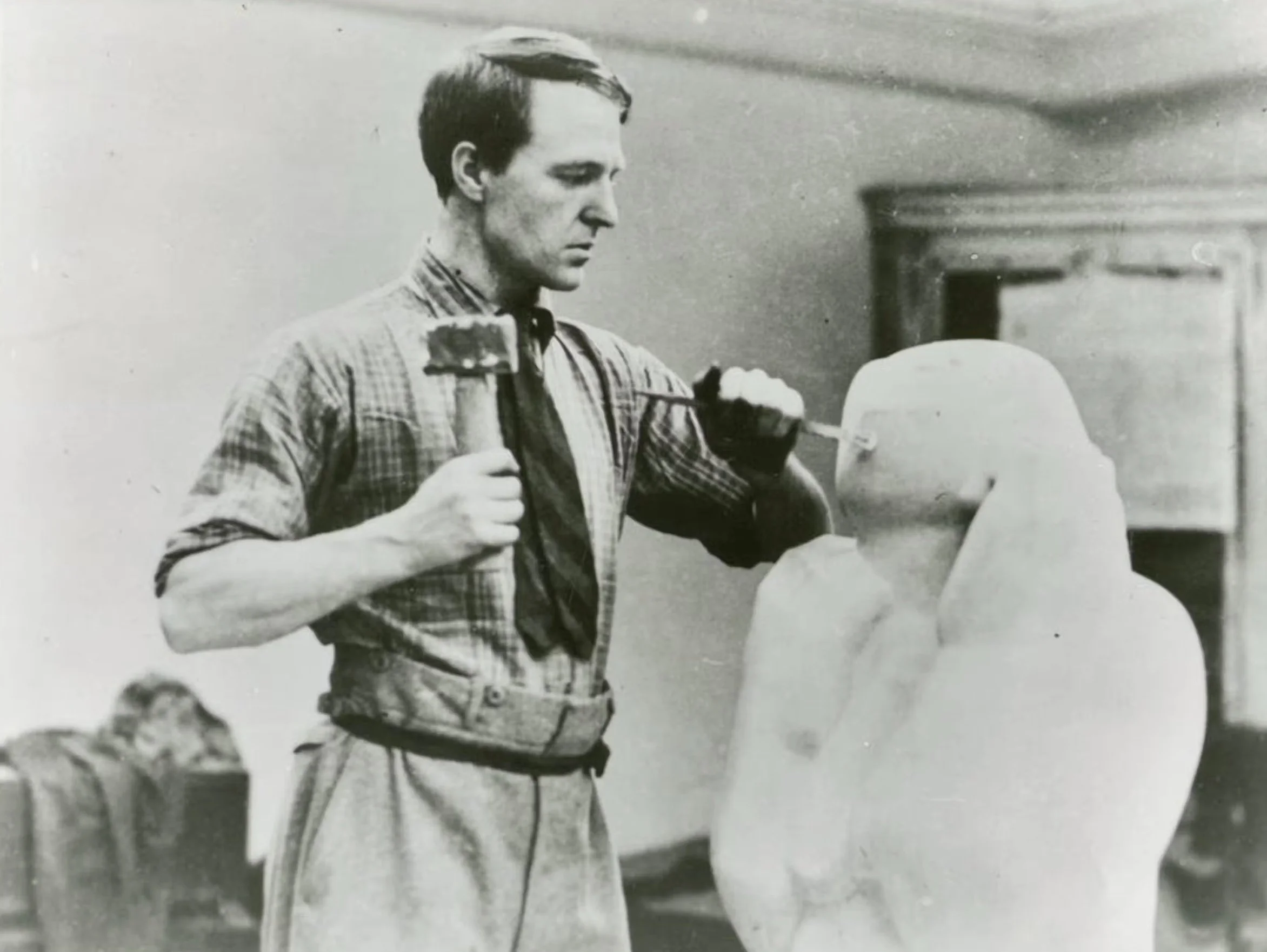
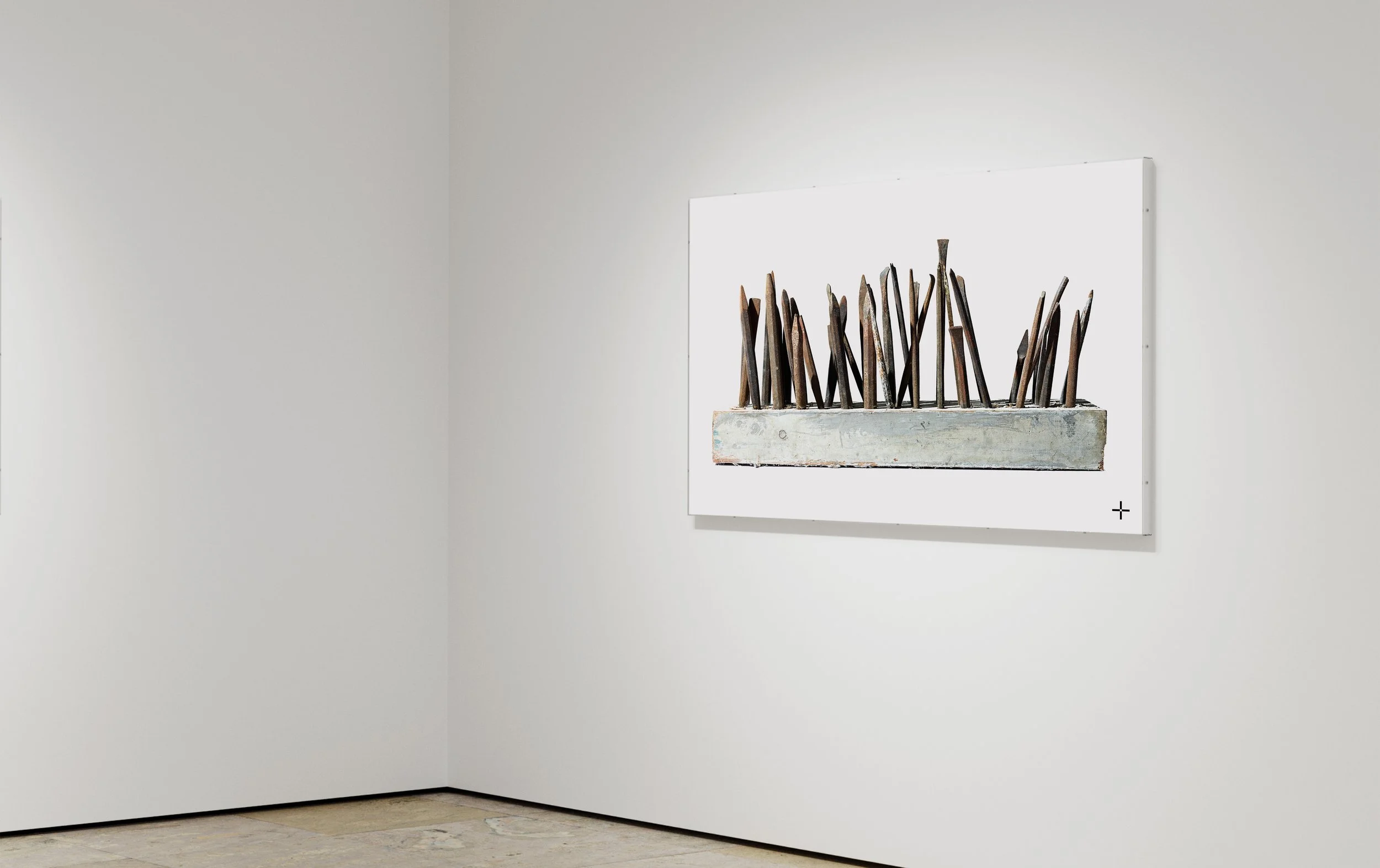
Henry Moore’s chisels, used by him in the creation of his semi-abstract monumental bronze sculptures that have established him as one of the greatest sculptors of the 20th century.
-
-
“The golden rule is that there are no golden rules.”
George Bernard Shaw.
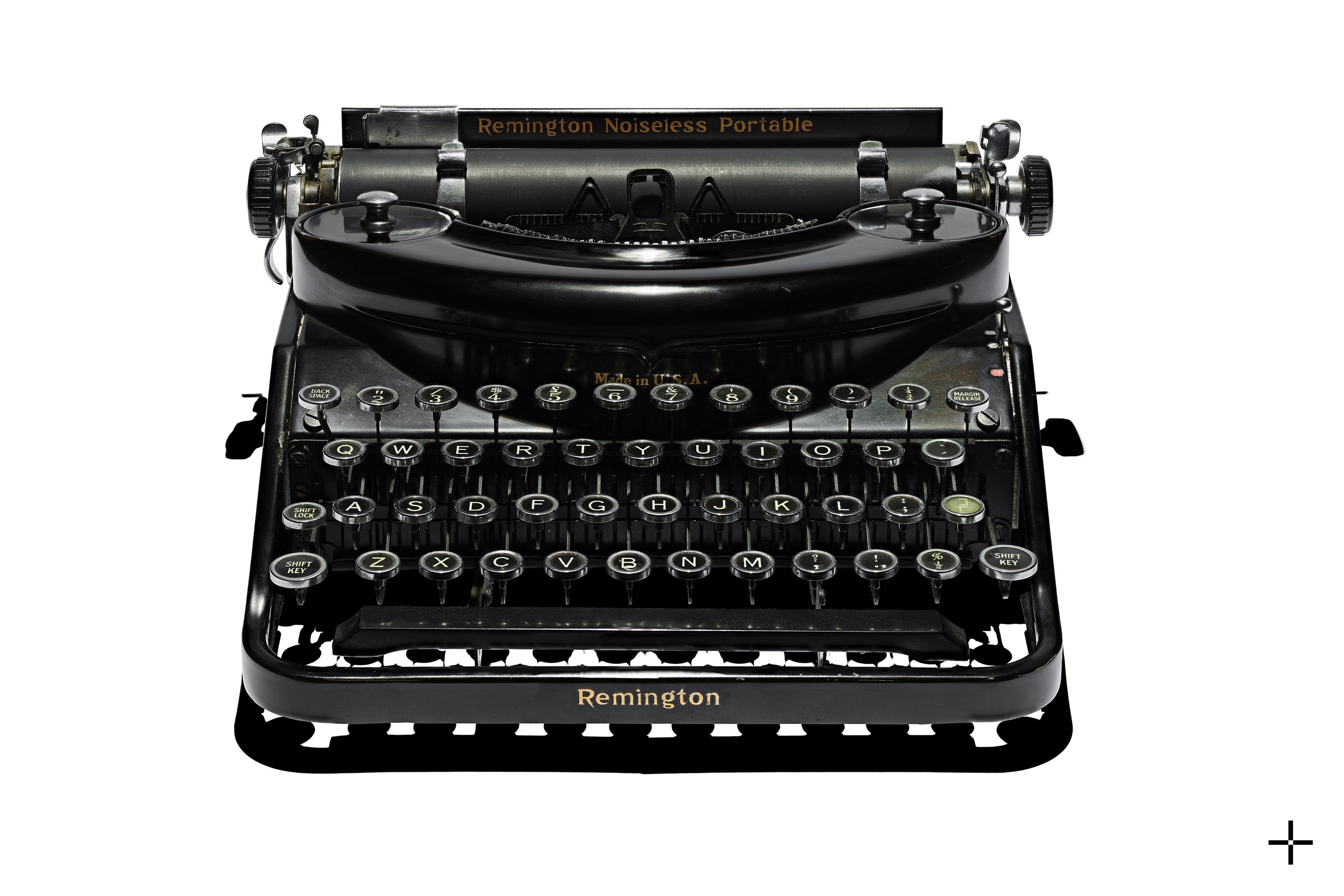
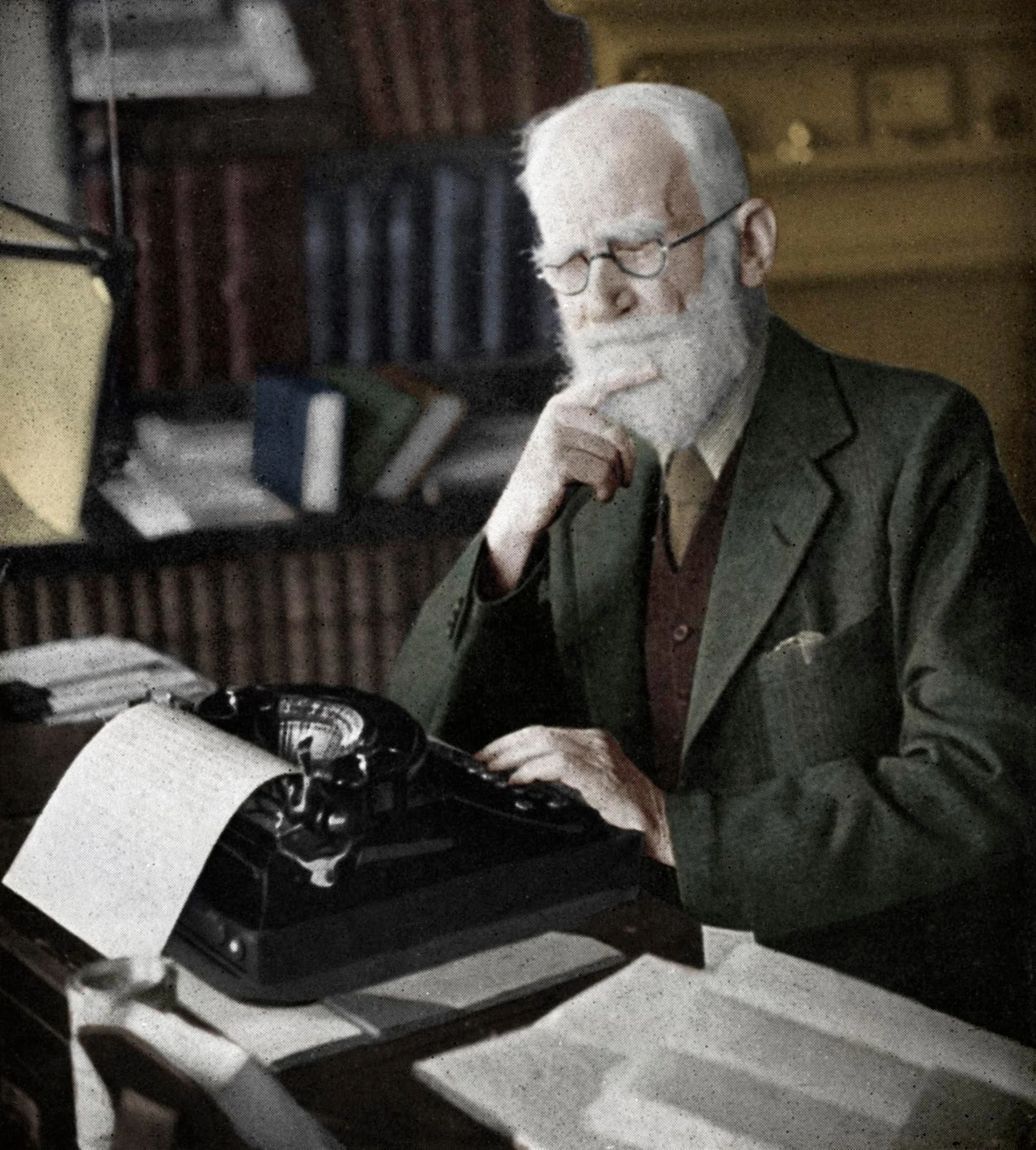
George Bernard Shaw’s 1934 Remington Noiseless 7x typewriter, used for “Pygmalion”, 1912. G.B.Shaw is one of only two people to have ever won a Nobel Prize and an Academy Award, the other being Bob Dylan.
-
-
“The one important thing I have learned over the years is the difference between taking one's work seriously and taking one's self seriously. The first is imperative and the second is disastrous.”
Margot Fonteyn.
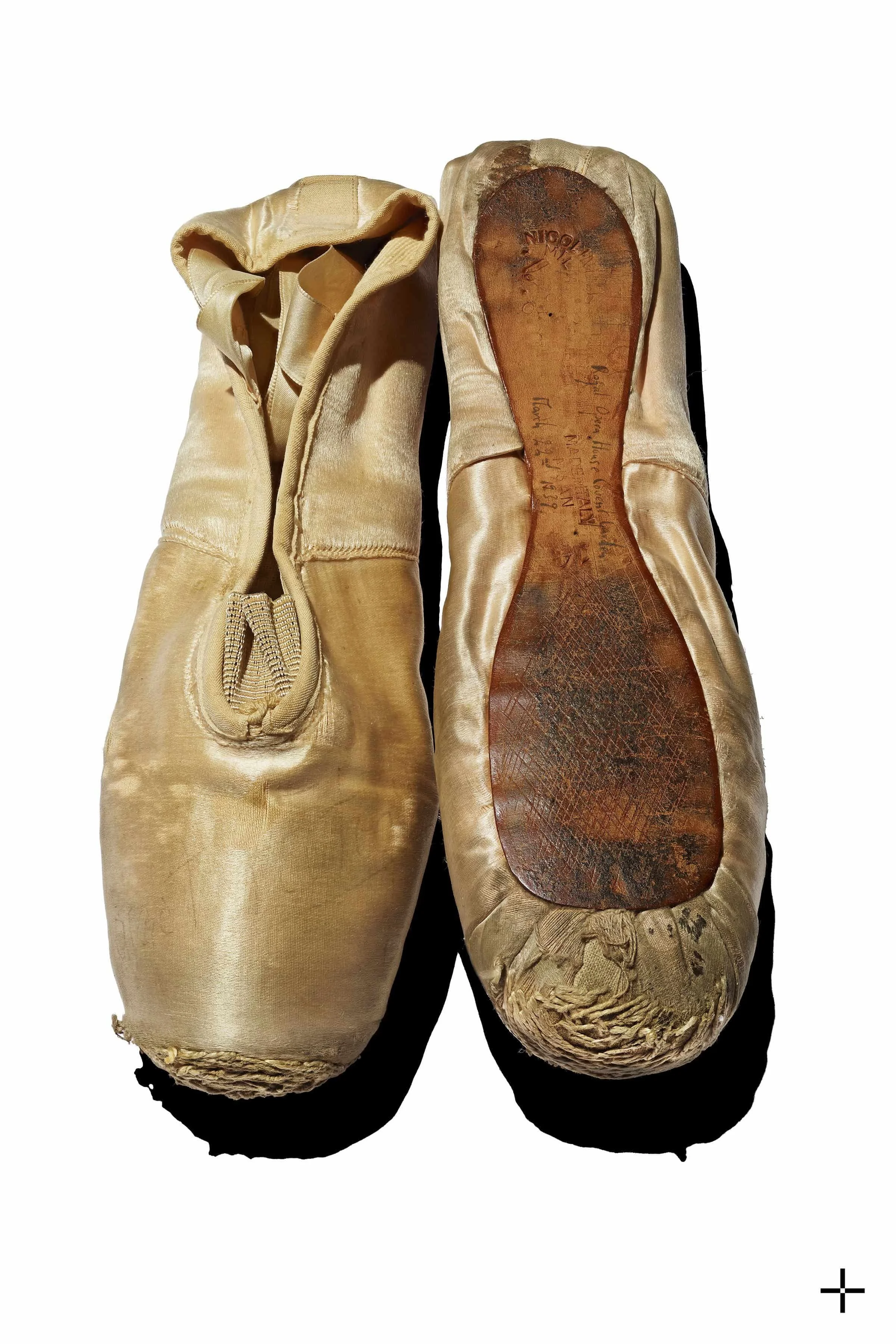
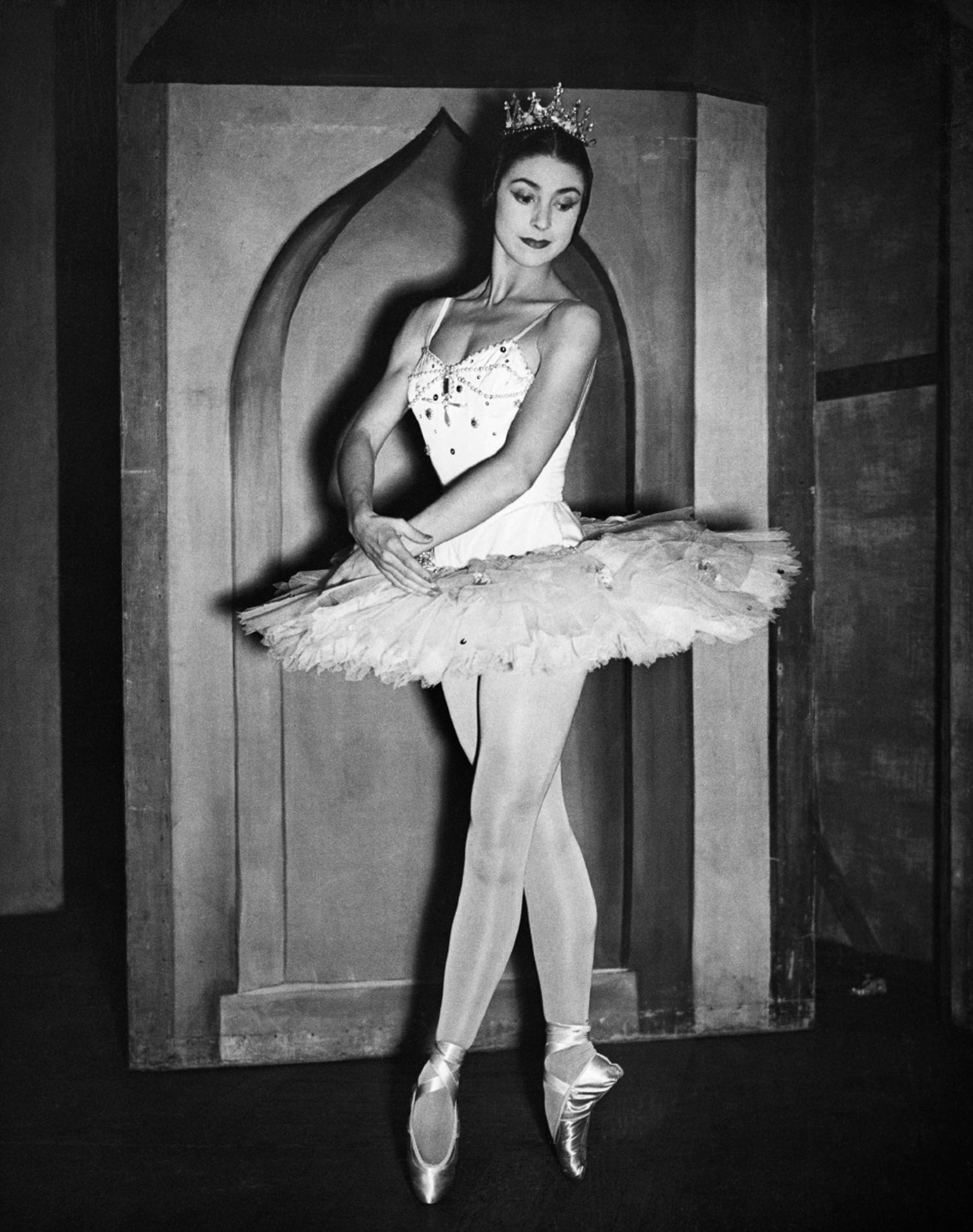
Margot Fonteyn’s pointe shoes, from the first time she danced on The Royal Ballet stage, in Covent Garden, 1939.
-
-
“O friend, how lovely are the things, the English things, you help us to perceive.”
John Masefield, of Sir Alfred Munnings.
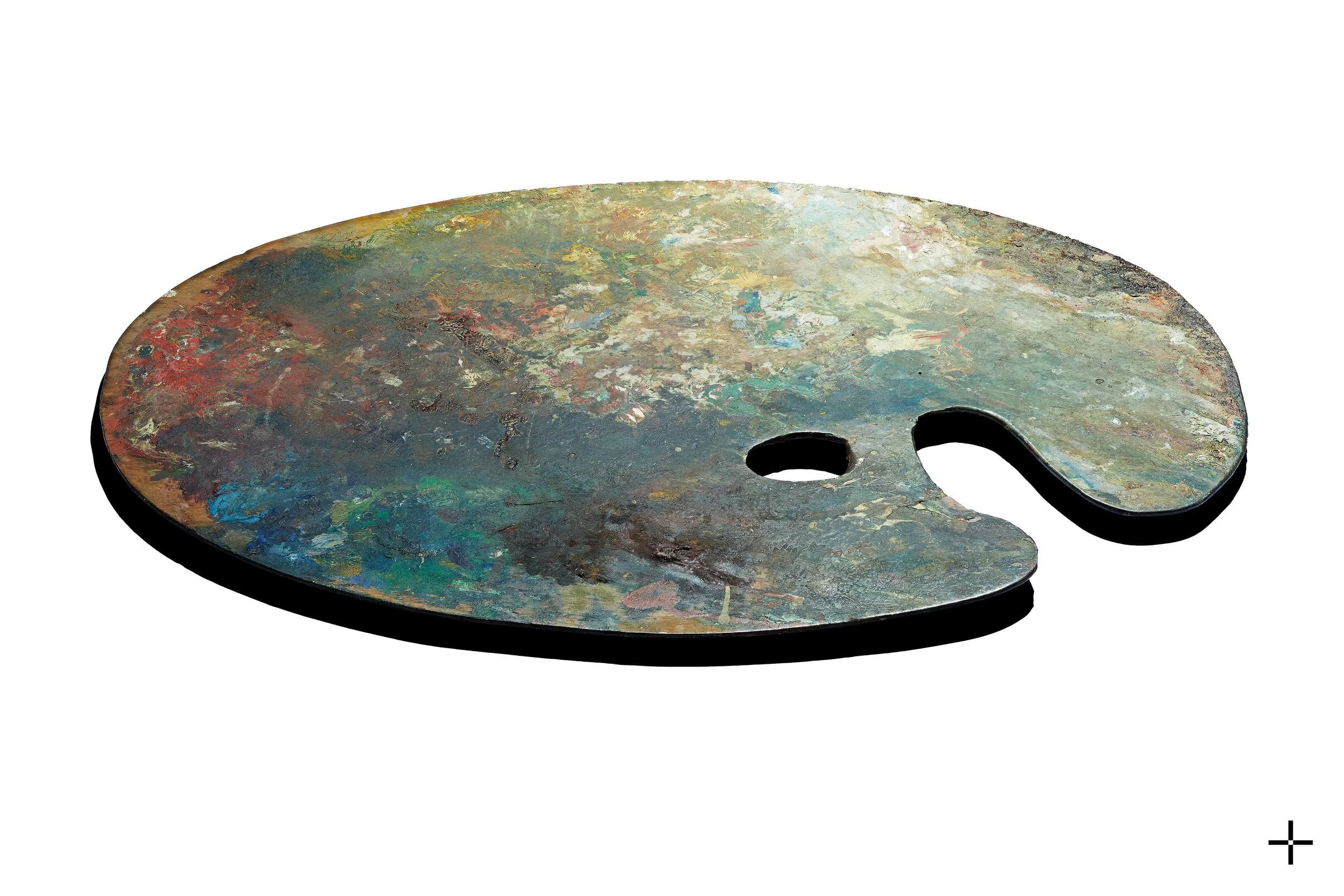
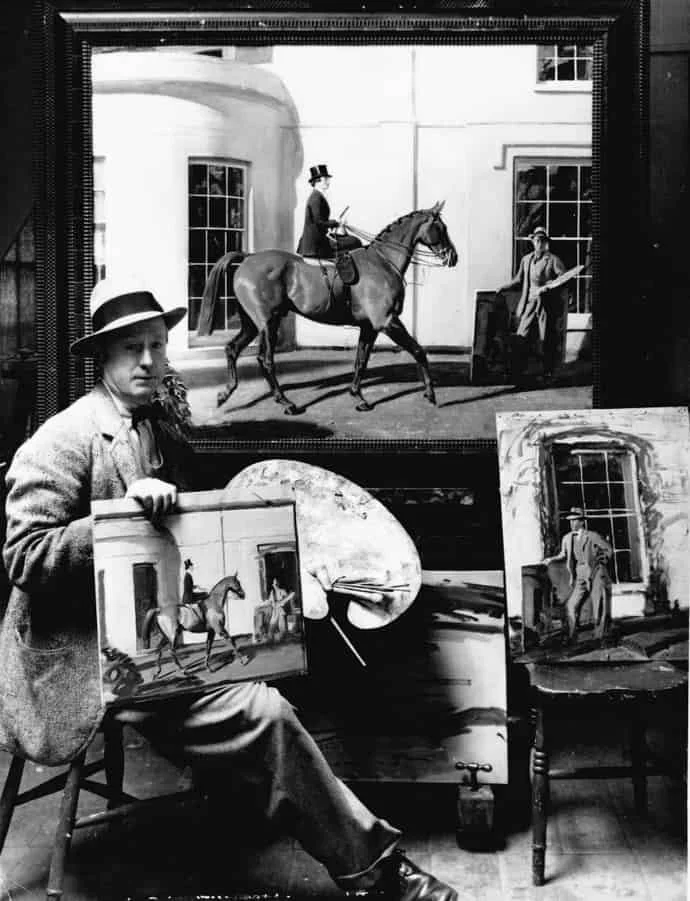
Alfred Munnings: palette, from his painting “My Wife, My Horse and Myself”.
-
-
“Don’t die until you’re dead.”
Billy Connolly.
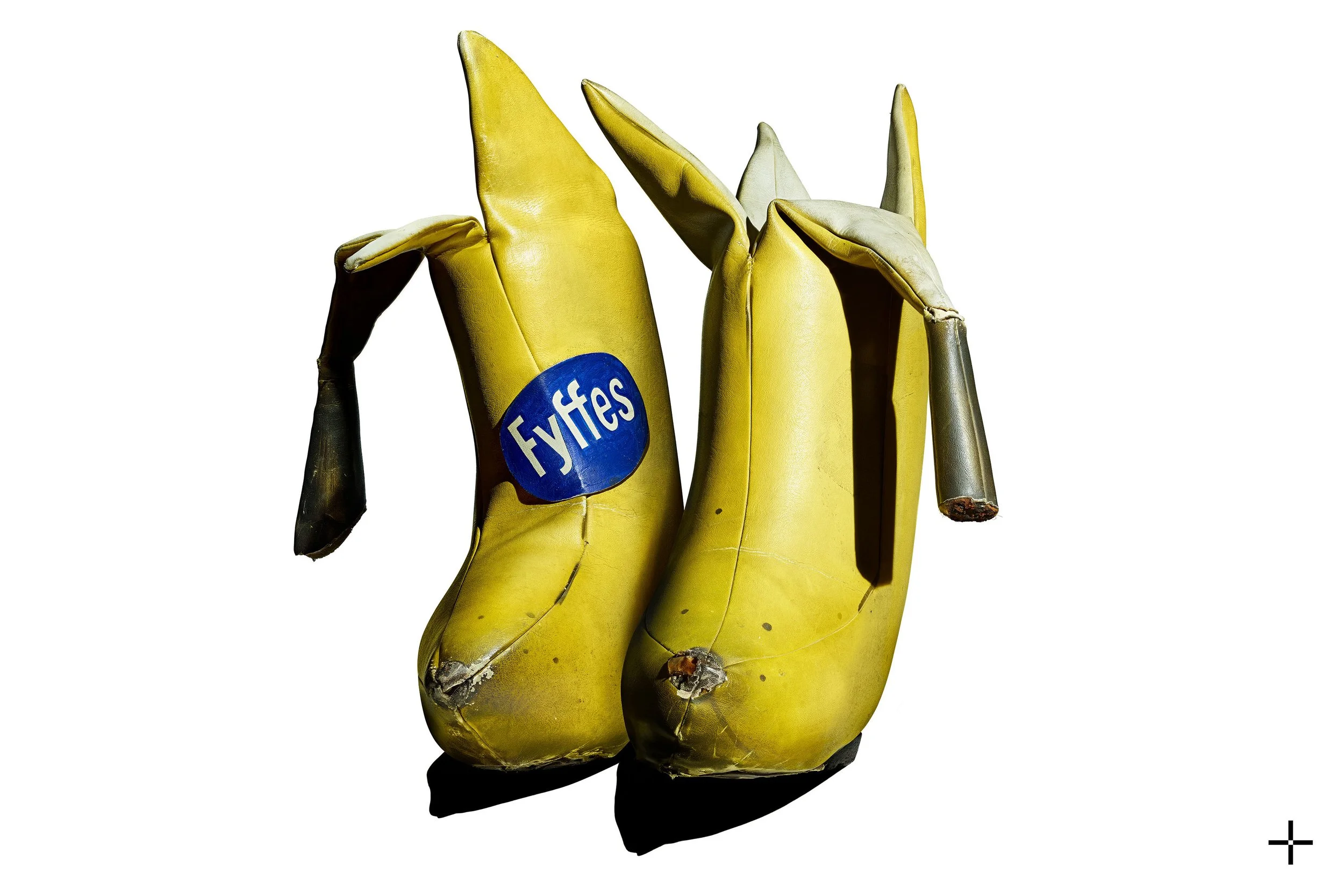
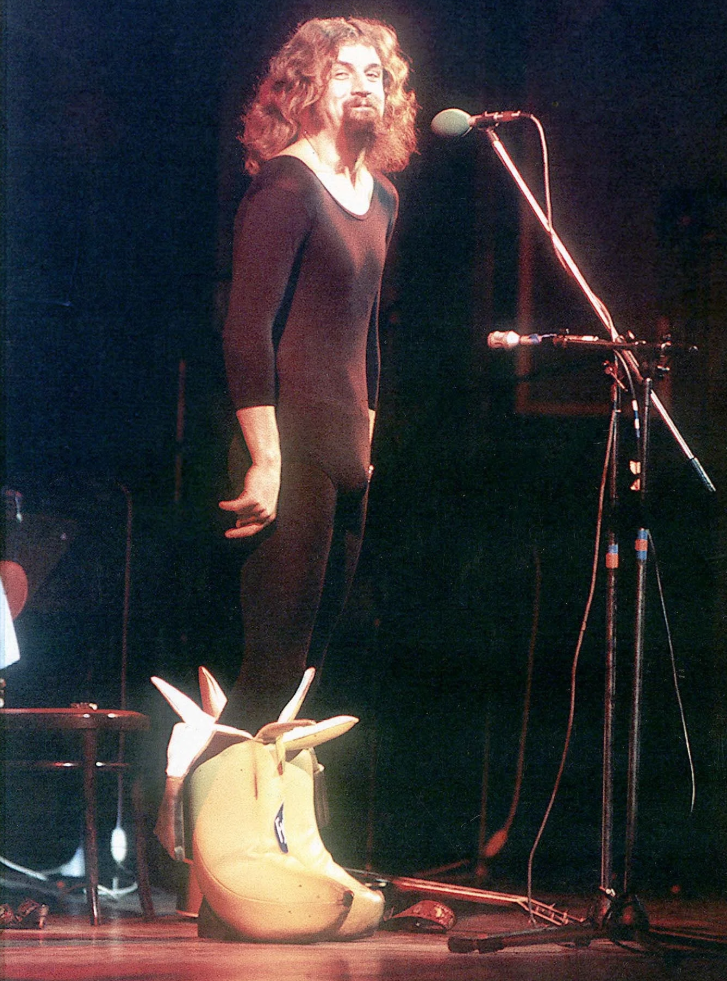
Billy Connolly’s iconic size 9 Banana Boots; created by Glaswegian Pop Artist Edmund Smith in 1975.
-
-
“It is not true that people stop pursuing dreams because they grow old, they grow old because they stop pursuing dreams.”
Gabriel Garcia Marquez.
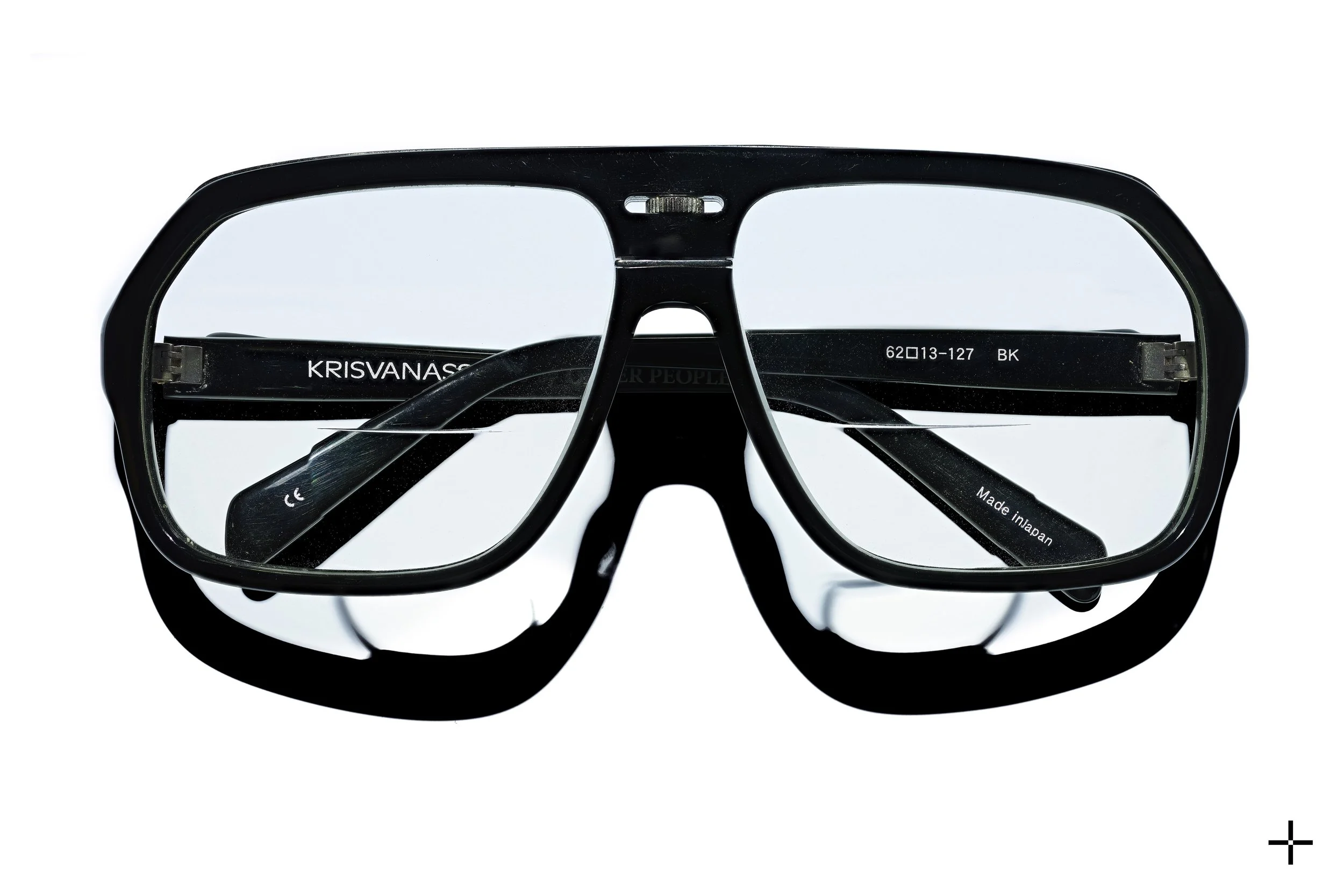
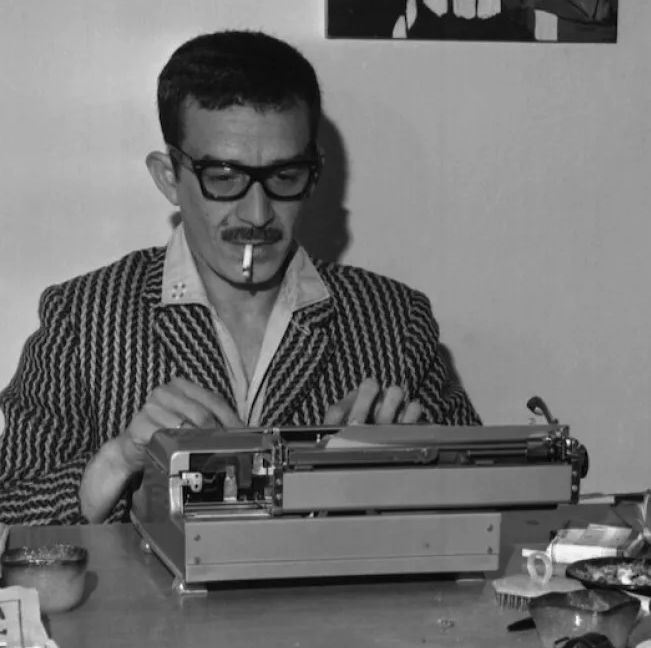
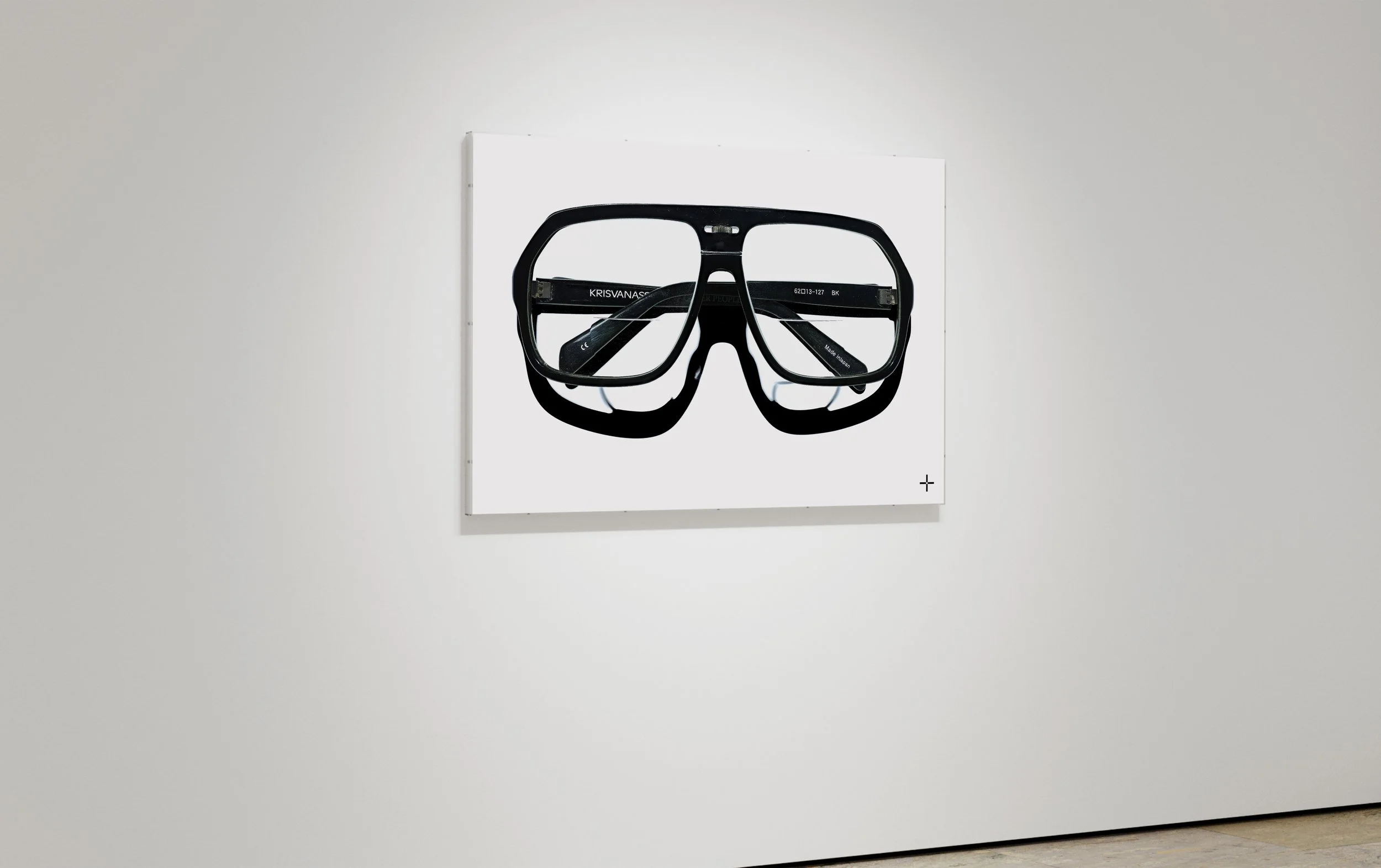
Gabriel Garcia Marquez: glasses. On winning a Nobel Prize, the Nobel Laureate must then donate a personal artefact to the Nobel prize Museum.
-
-
“Have a heart that never hardens, and a temper that never tires, and a touch that never hurts.”
Charles Dickens.
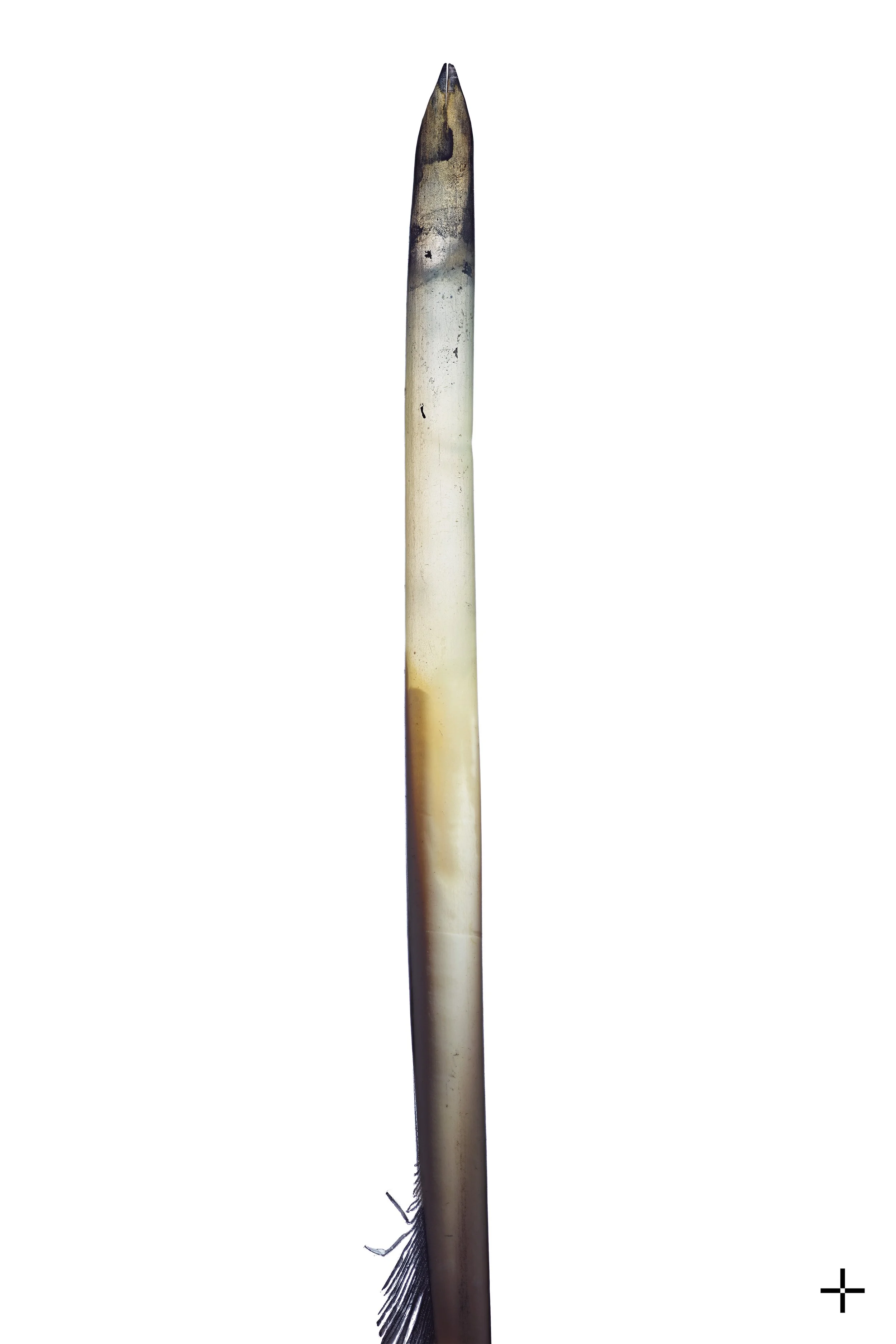
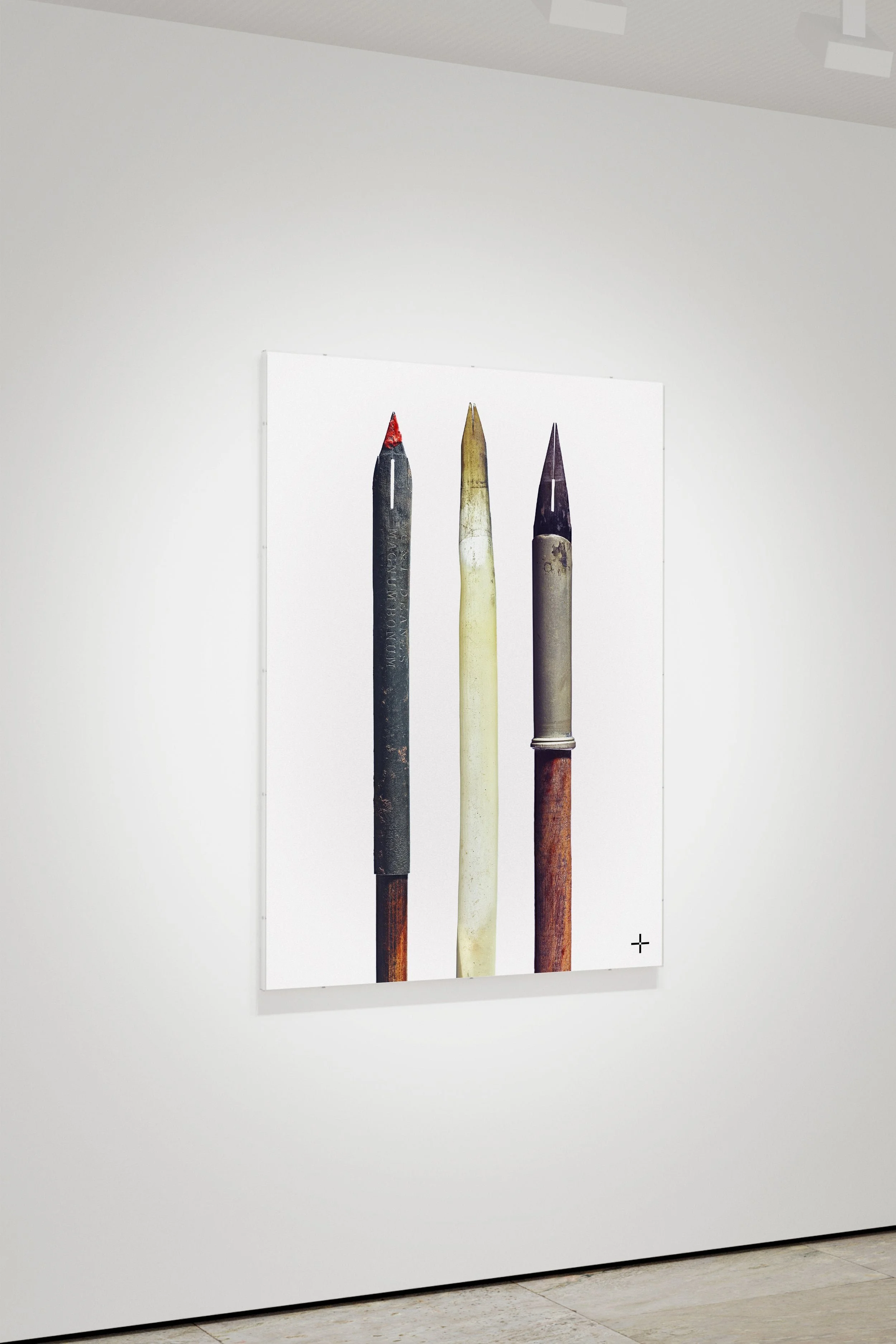
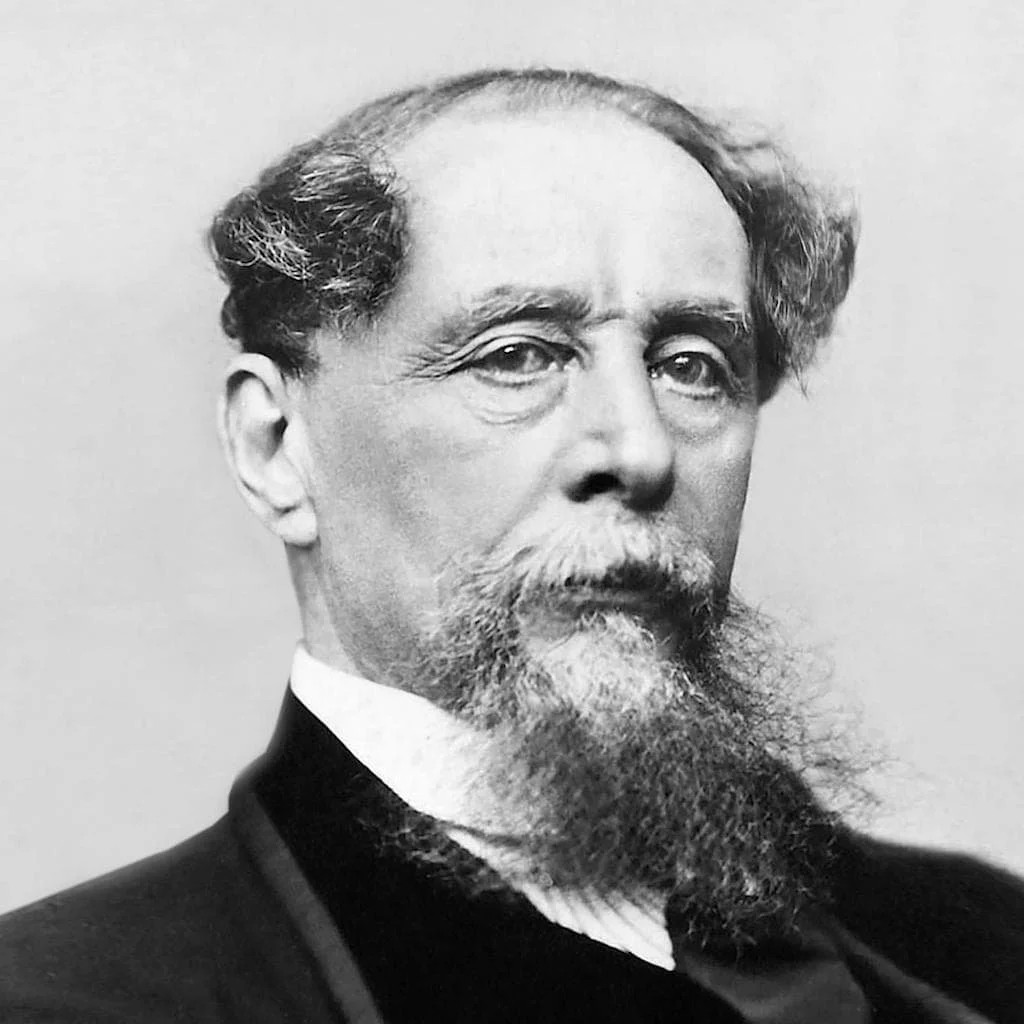
Charles Dickens’ quill, given to the Royal Society of Literature.
-
-
“If a thing is worth doing, it is worth doing well. If it is worth having, it is worth waiting for. If it is worth attaining, it is worth fighting for. If it is worth experiencing, it is worth putting aside time for.”
Oscar Wilde.
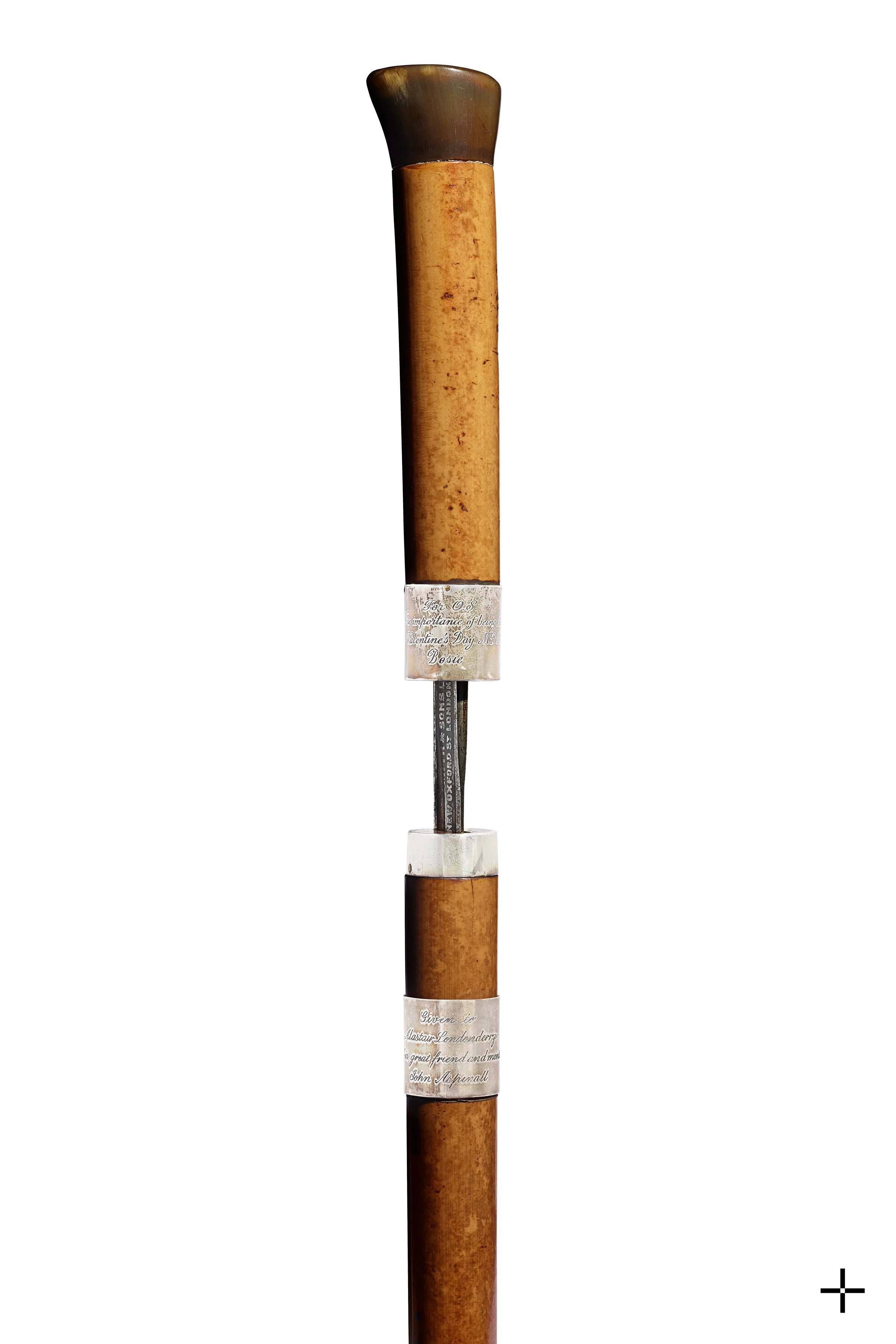
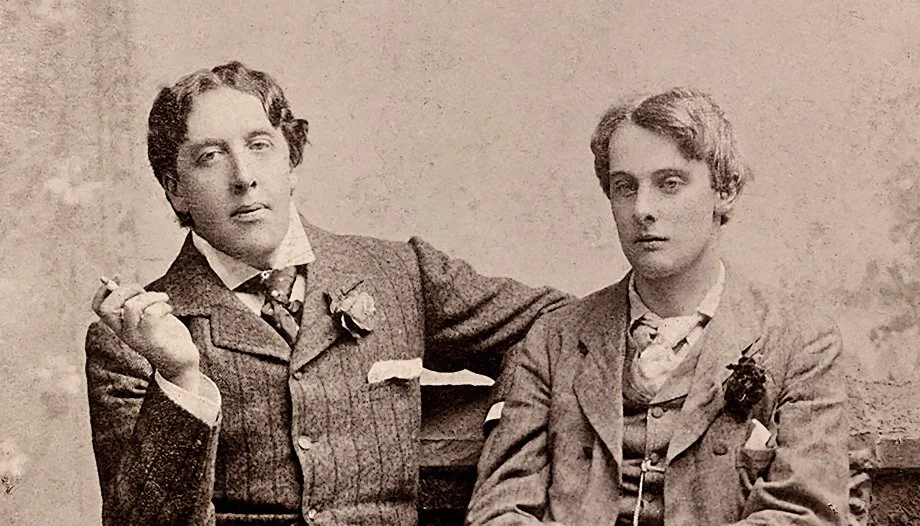
Oscar Wilde’s sword stick, made by James Smith & Sons, given to him by Lord Alfred Douglas, “Bosie”, his then lover, on the opening night of “The Importance of Being Earnest”, 14th February, 1895.
-
-
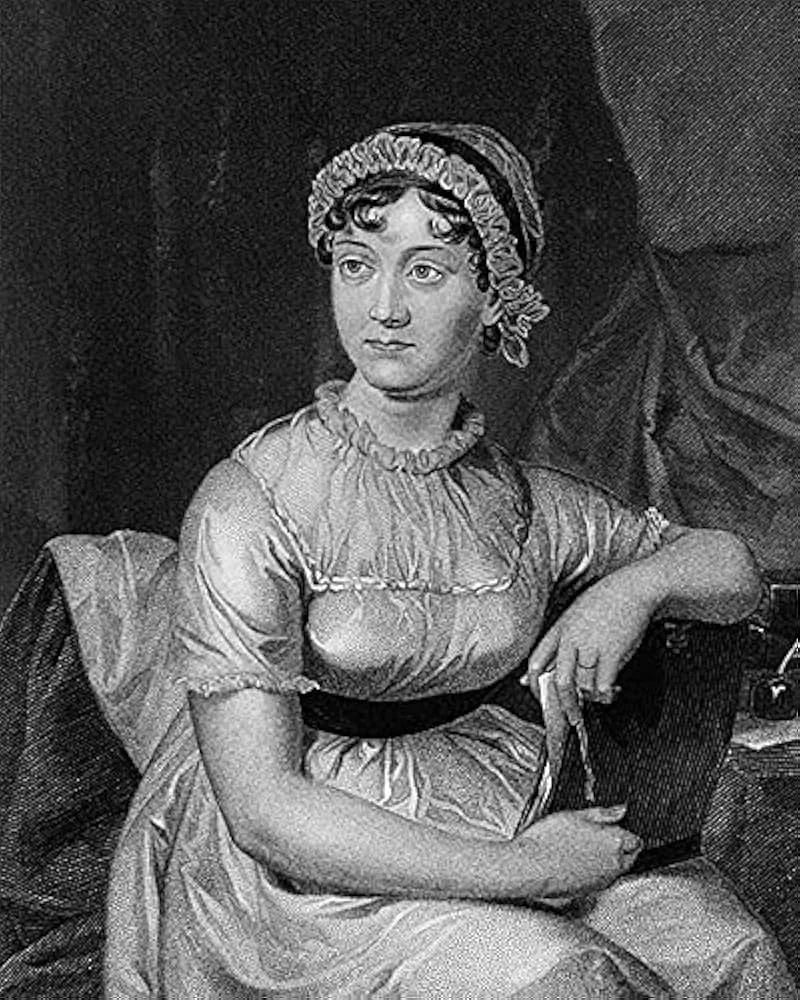
“It is a truth universally acknowledged, that a single man in possession of a good fortune, must be in want of a wife.”
Jane Austen.
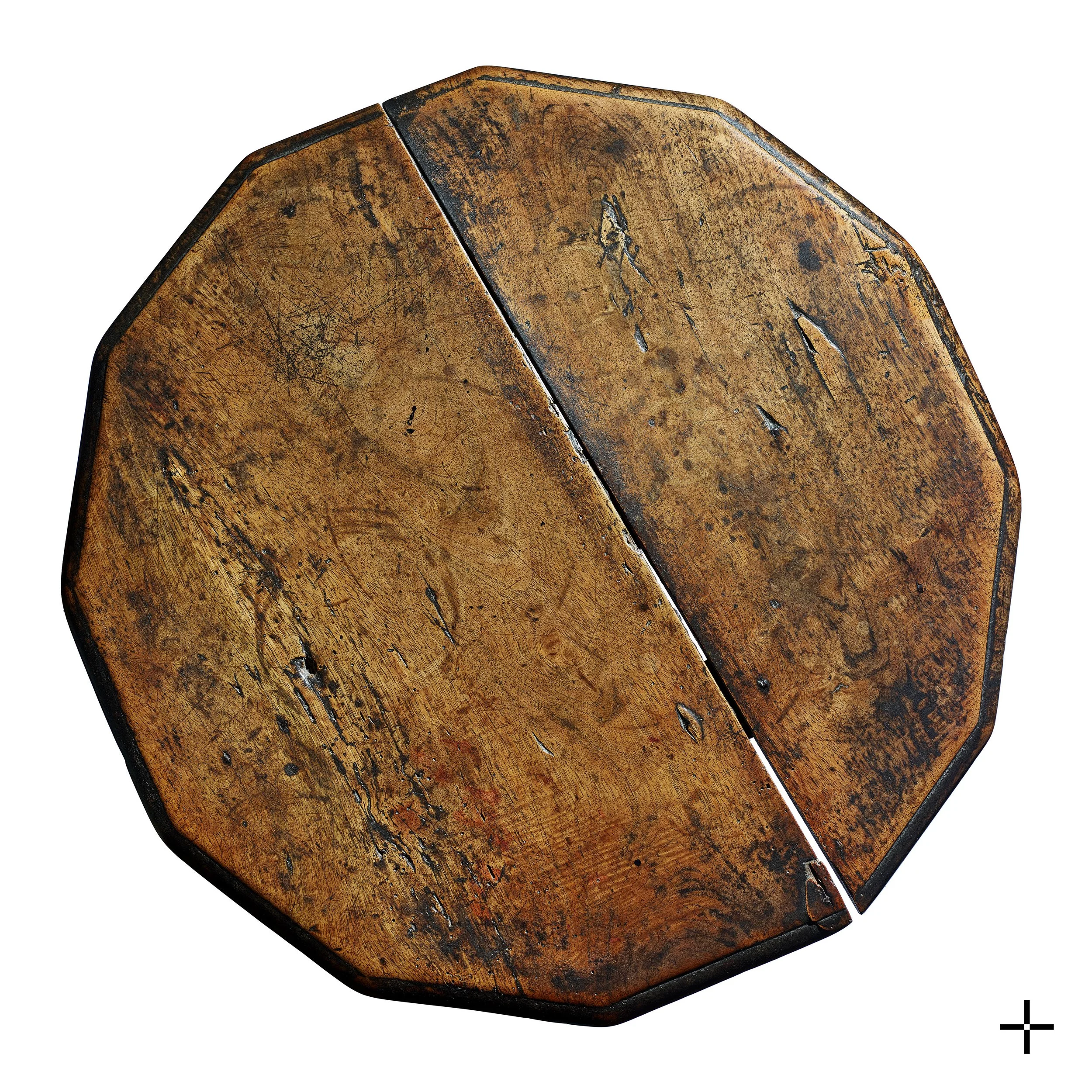
Jane Austen’s small writing table, on which she wrote all her novels.
-
-
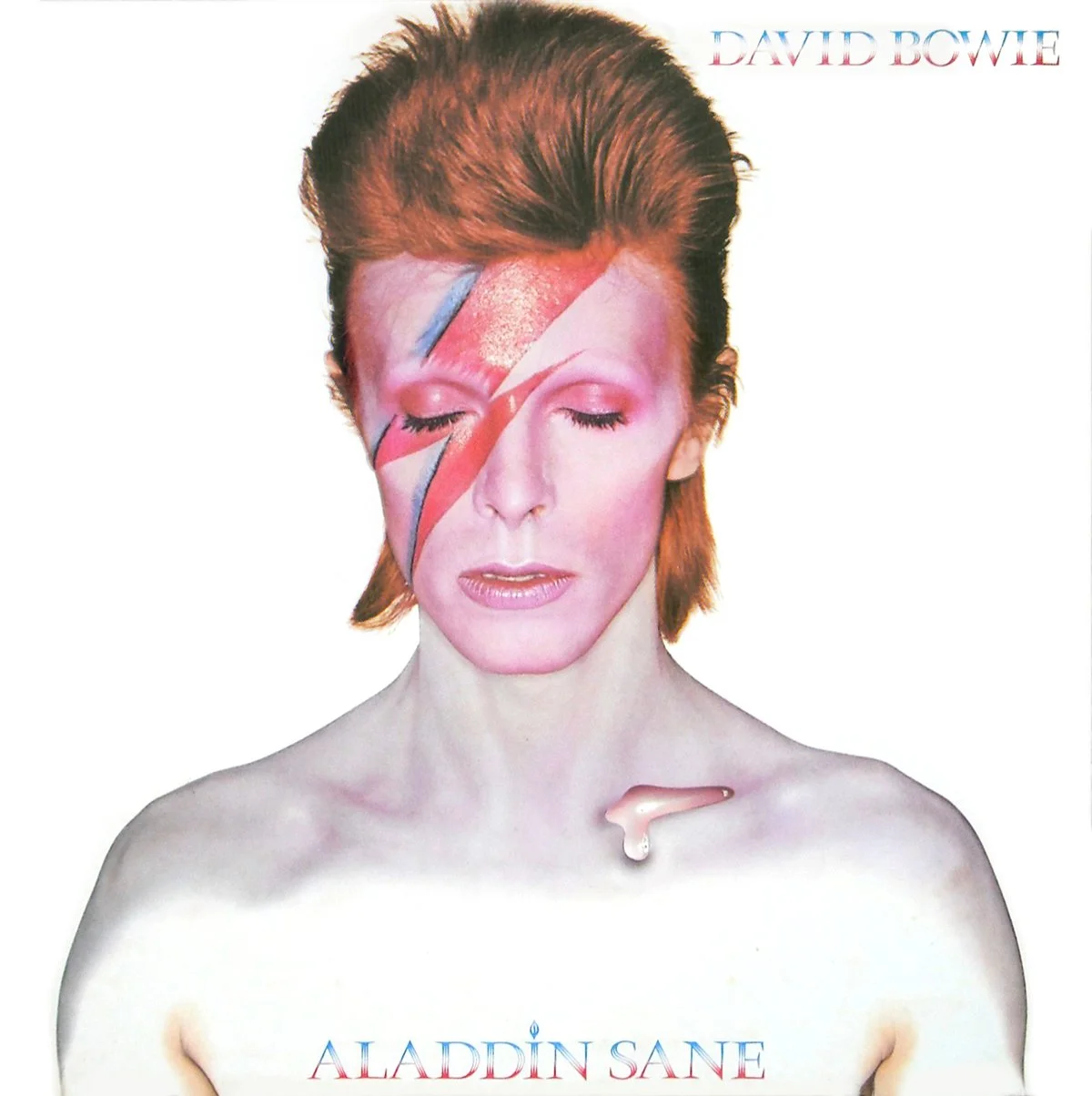
“I drew the zigzag onto his face. It was the trademark for National Panasonic, a red and blue zigzag that I took from a rice cooker. It also came from Elvis Presley, who had a ring with a lightning flash on it.”
Brian Duffy.
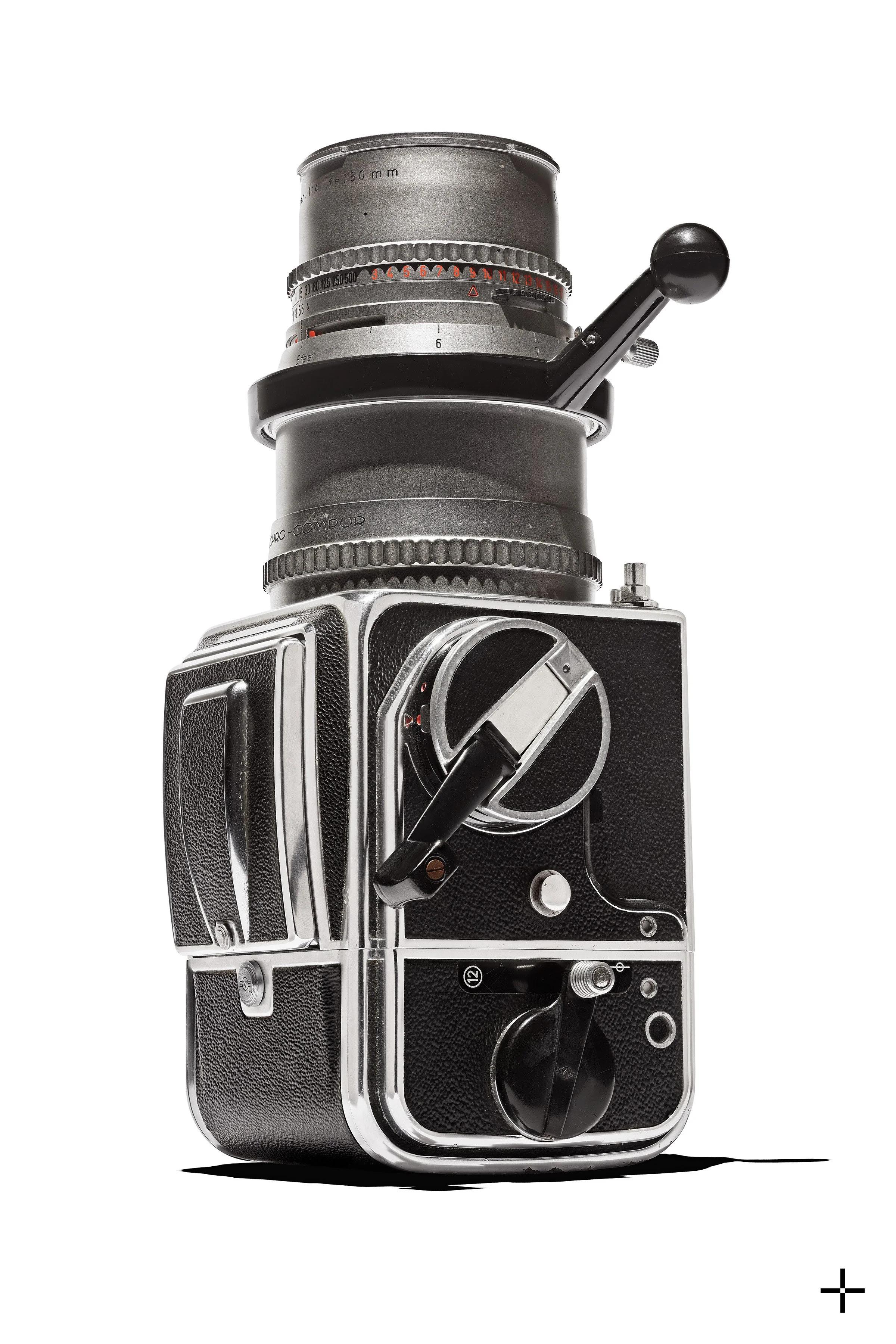
Brian Duffy’s Hasselblad used to photograph David Bowie as Aladdin Sane, 1973.
-
-
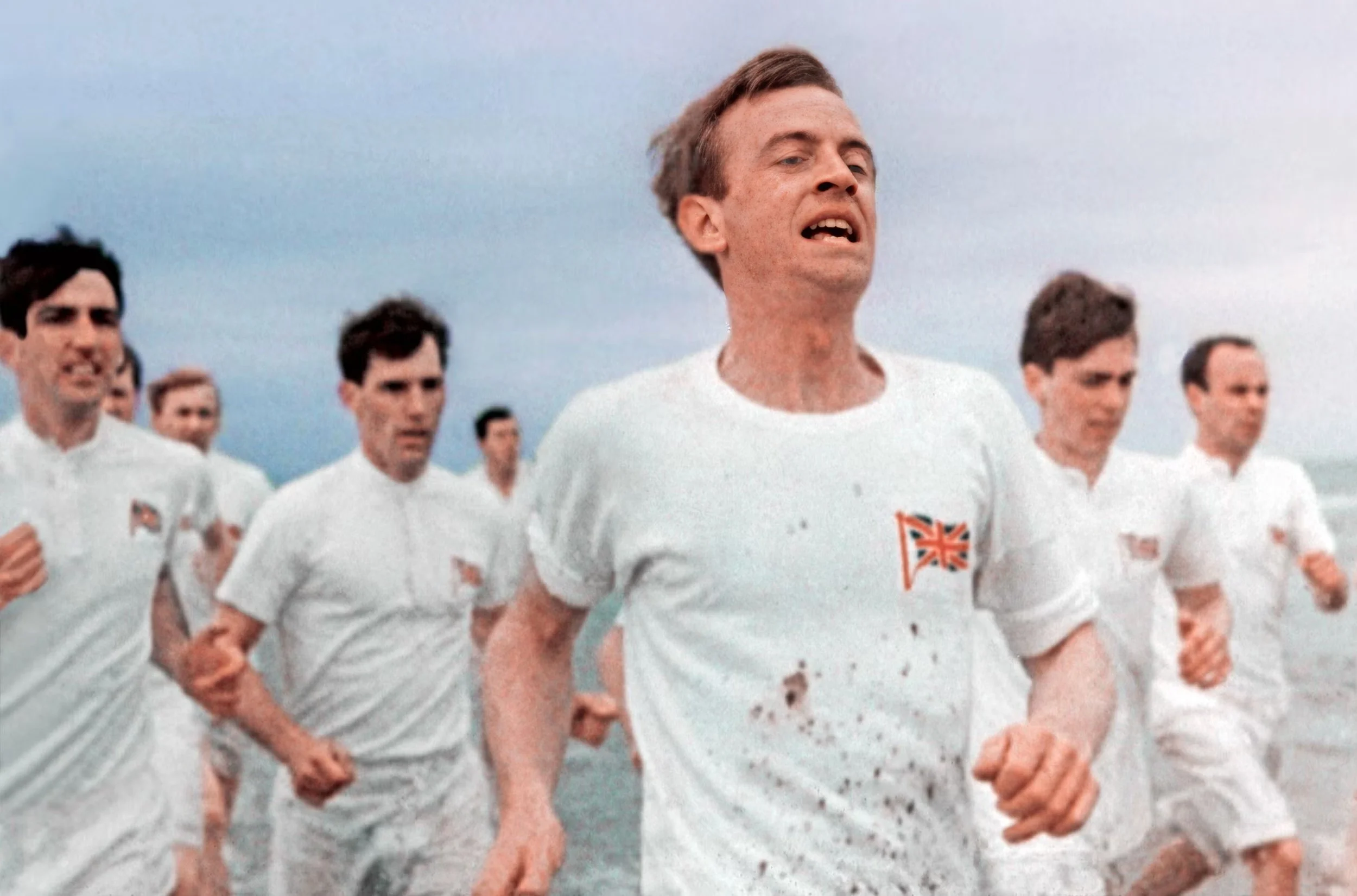
“In the dust of defeat, as well as the laurels of victory, there is a glory to be found if one has done his best.”
Eric Liddell.
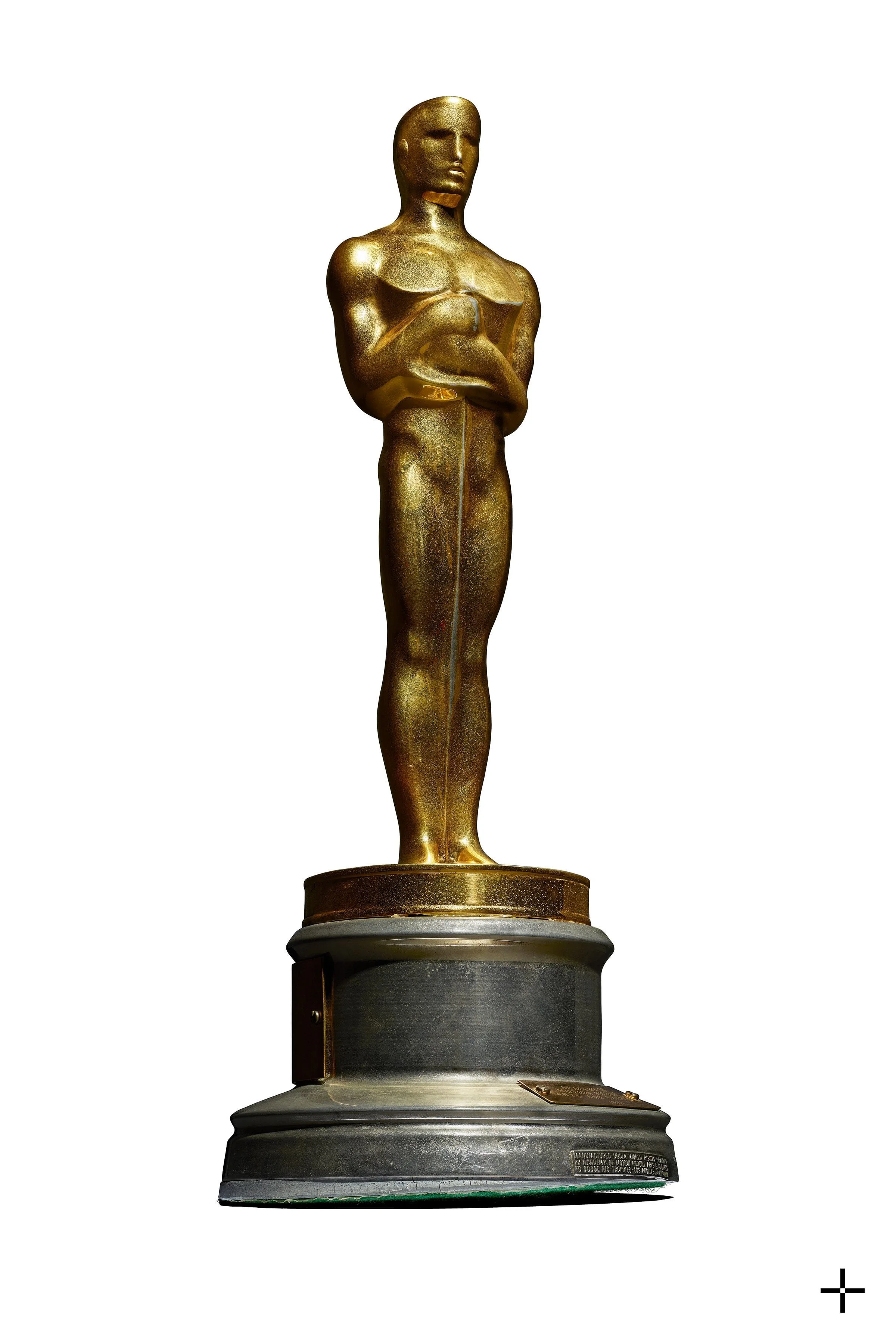
David Puttnam’s Best Picture Oscar for “Chariots of Fire”.
-
-
“I get by with a little help from my friends.”
John Lennon.
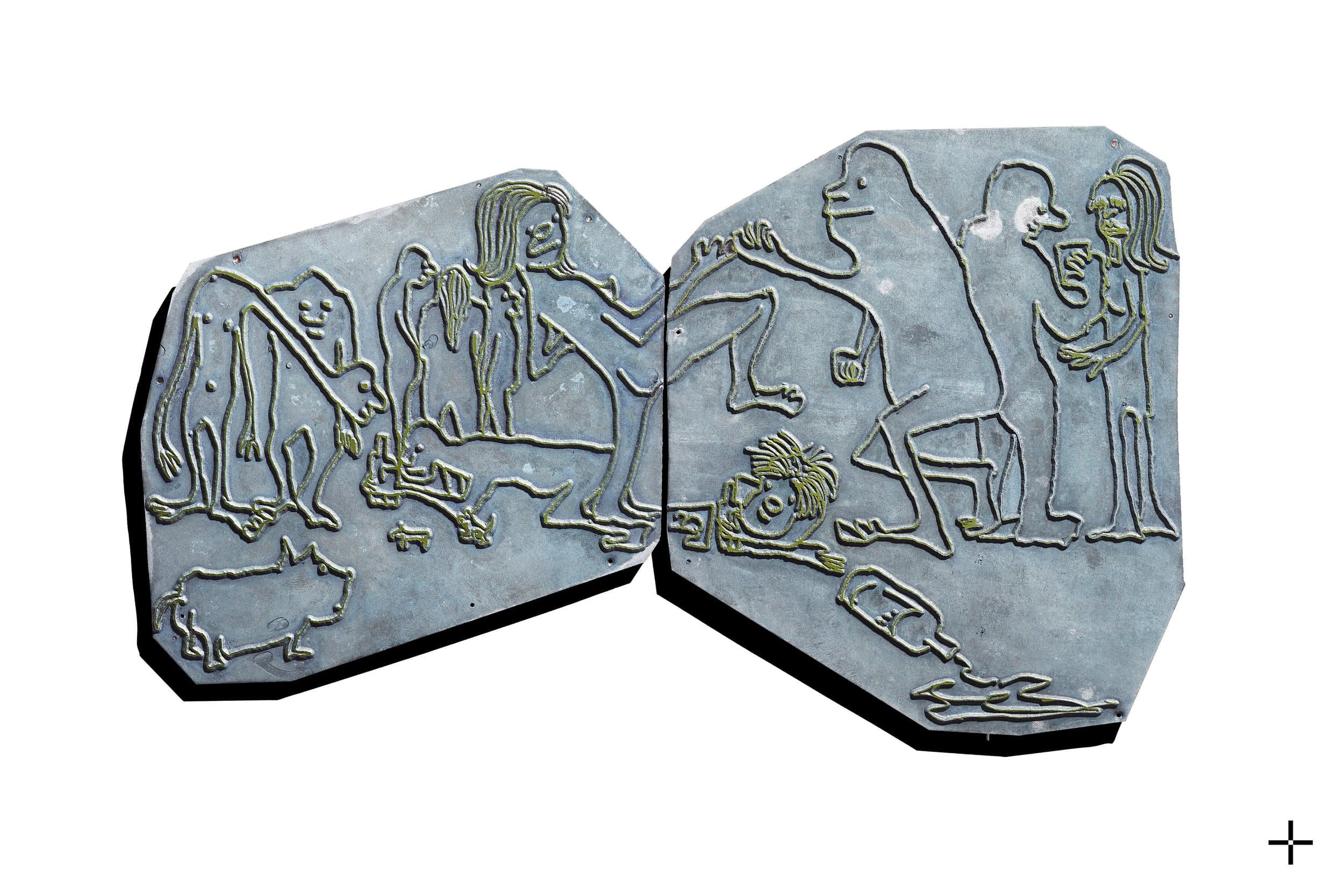
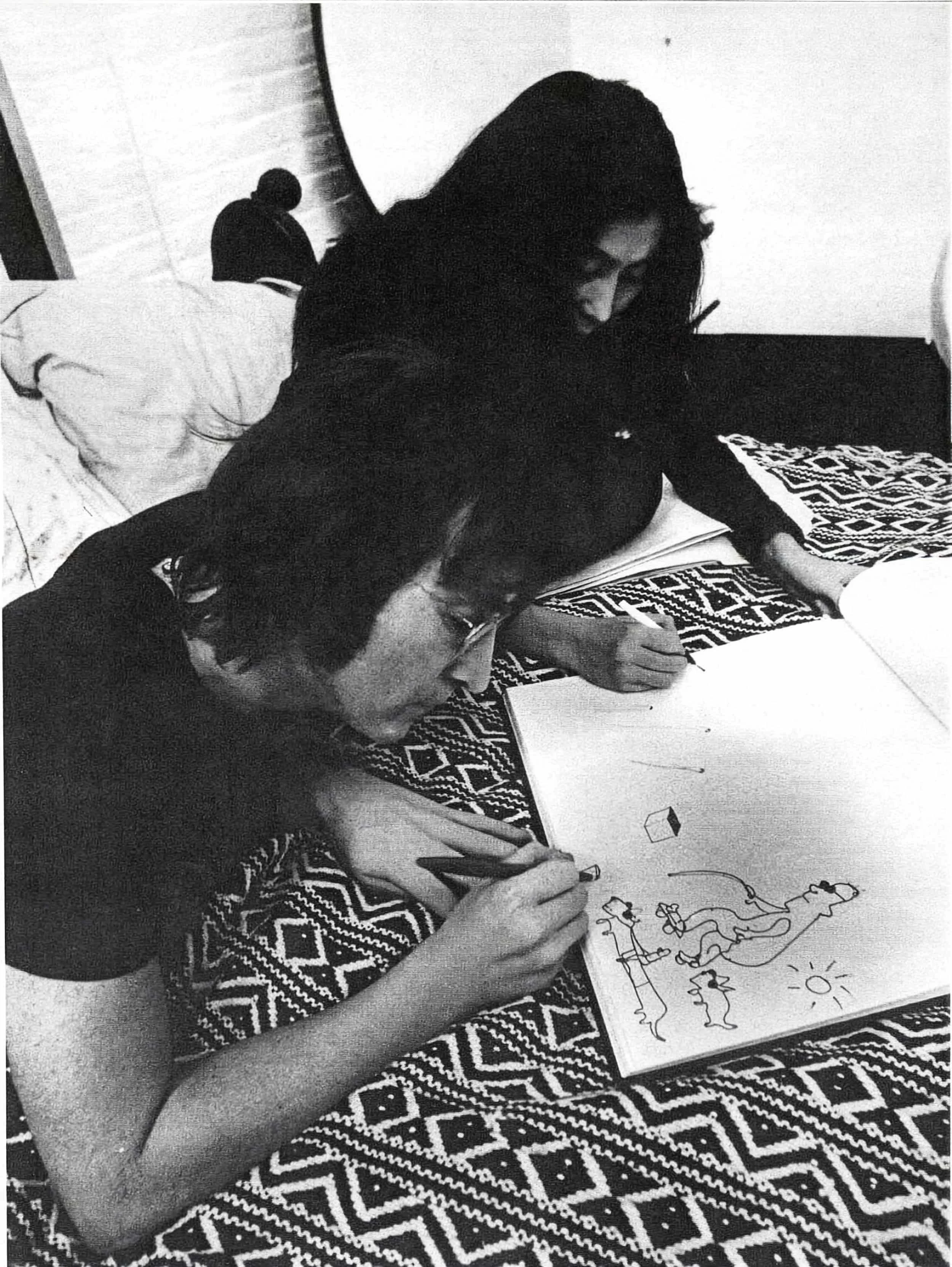
Printing plate from John Lennon’s first book “In His Own Write”, 1964.
-
-
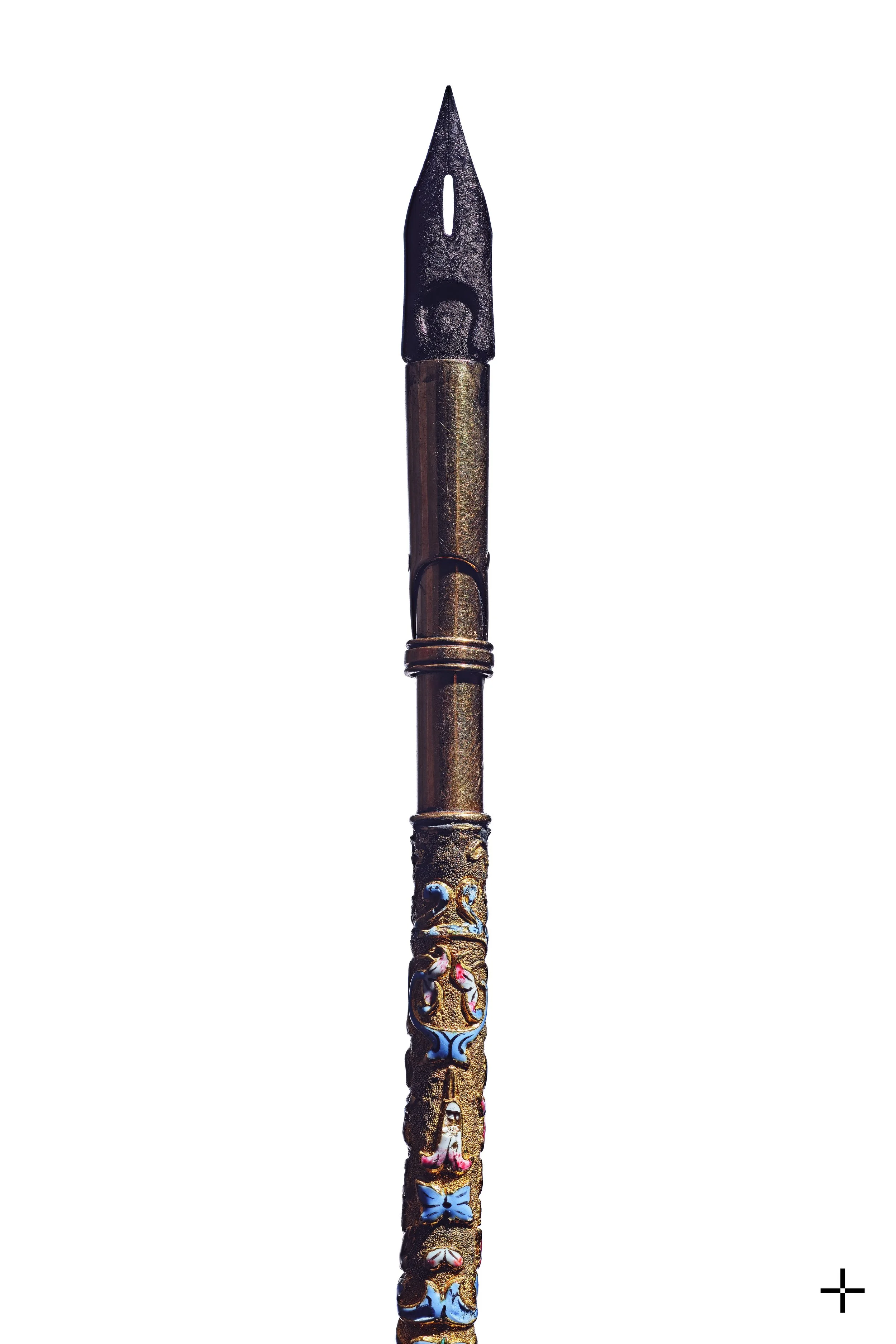
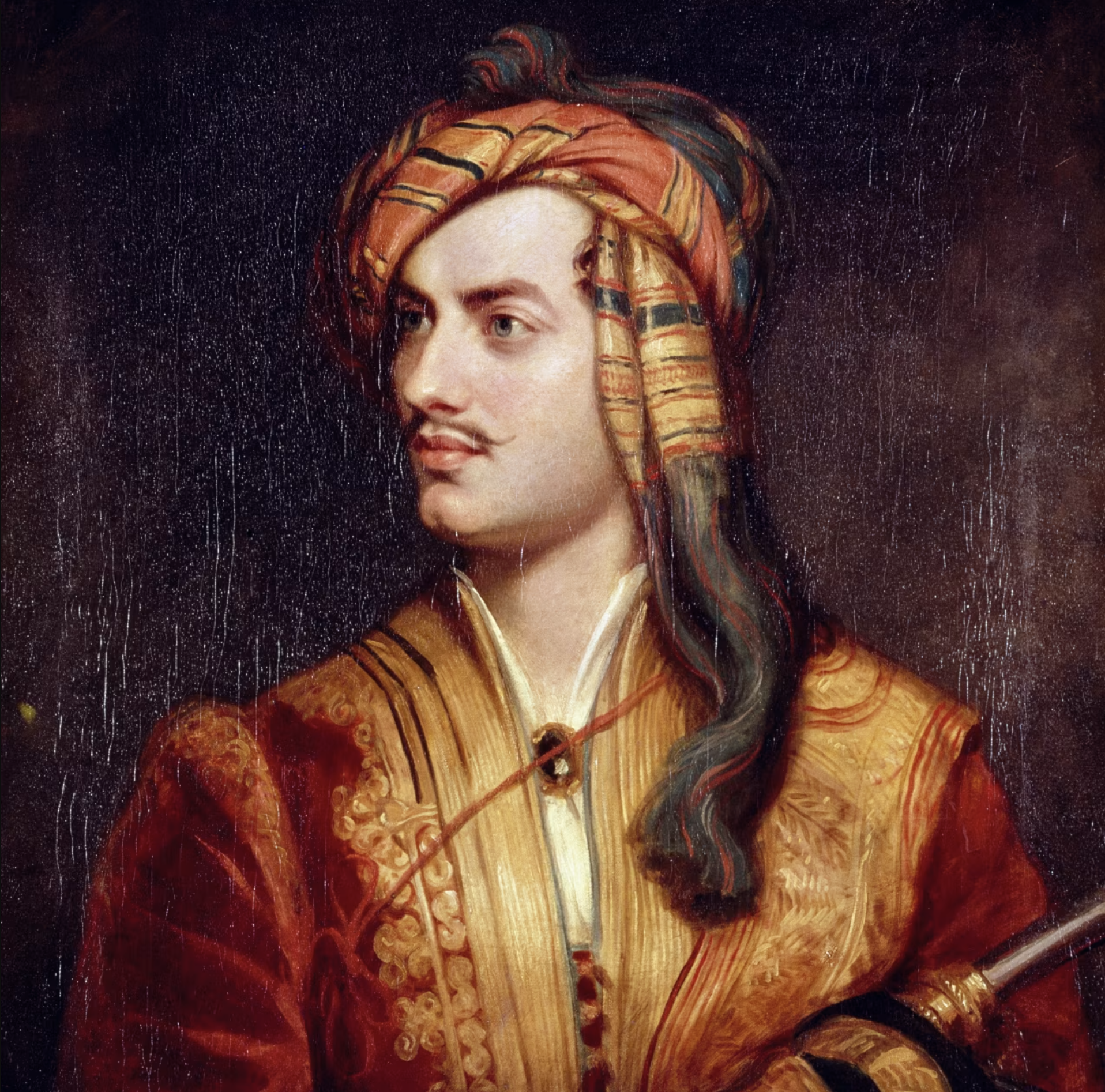
Lord Byron’s gold and enamel dip pen, held at the Royal Society of Literature.
-
-
“There is a pleasure in the pathless woods, there is a rapture on the lonely shore.”
Lord George Gordon Byron, “Mad, bad and dangerous to know.”
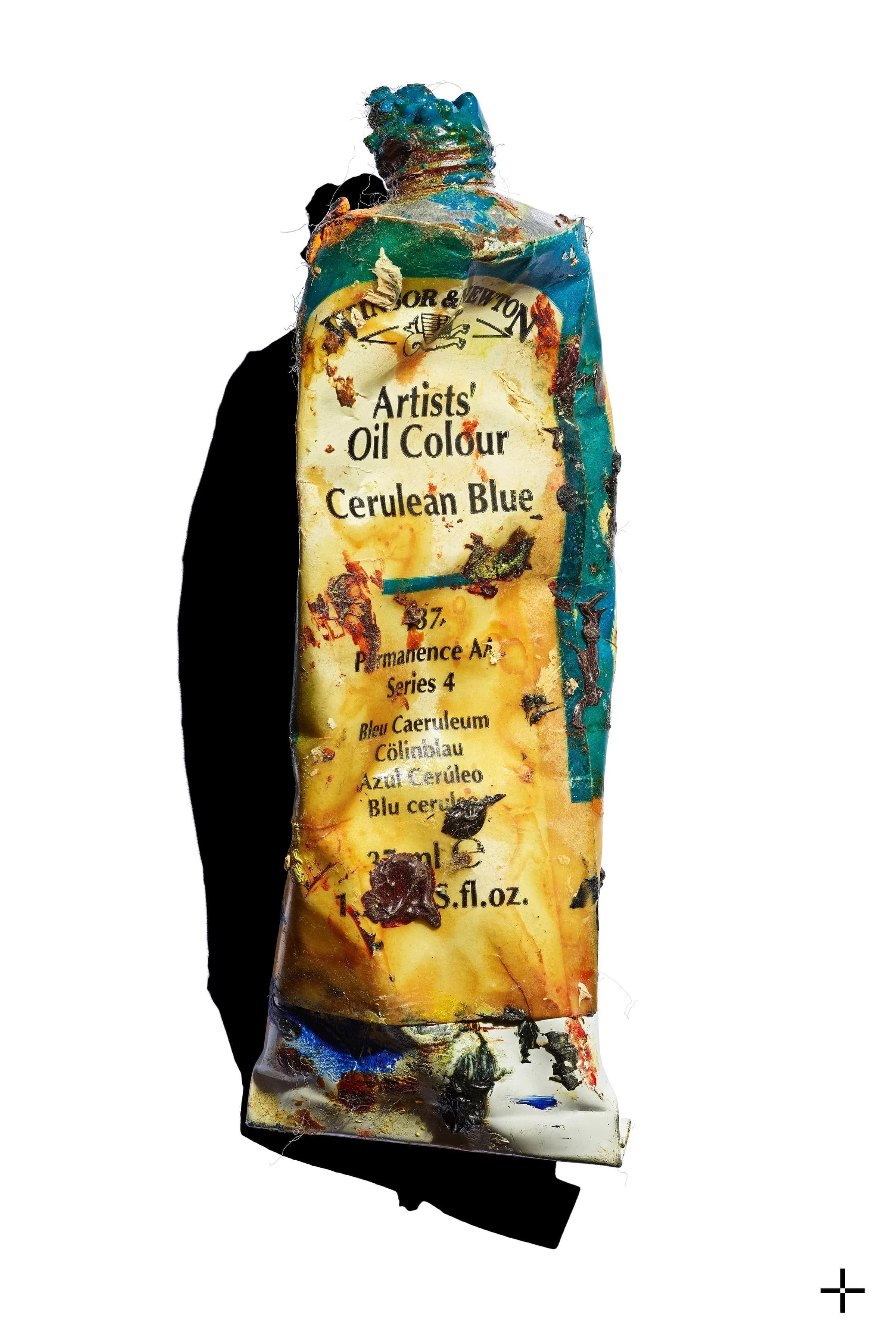
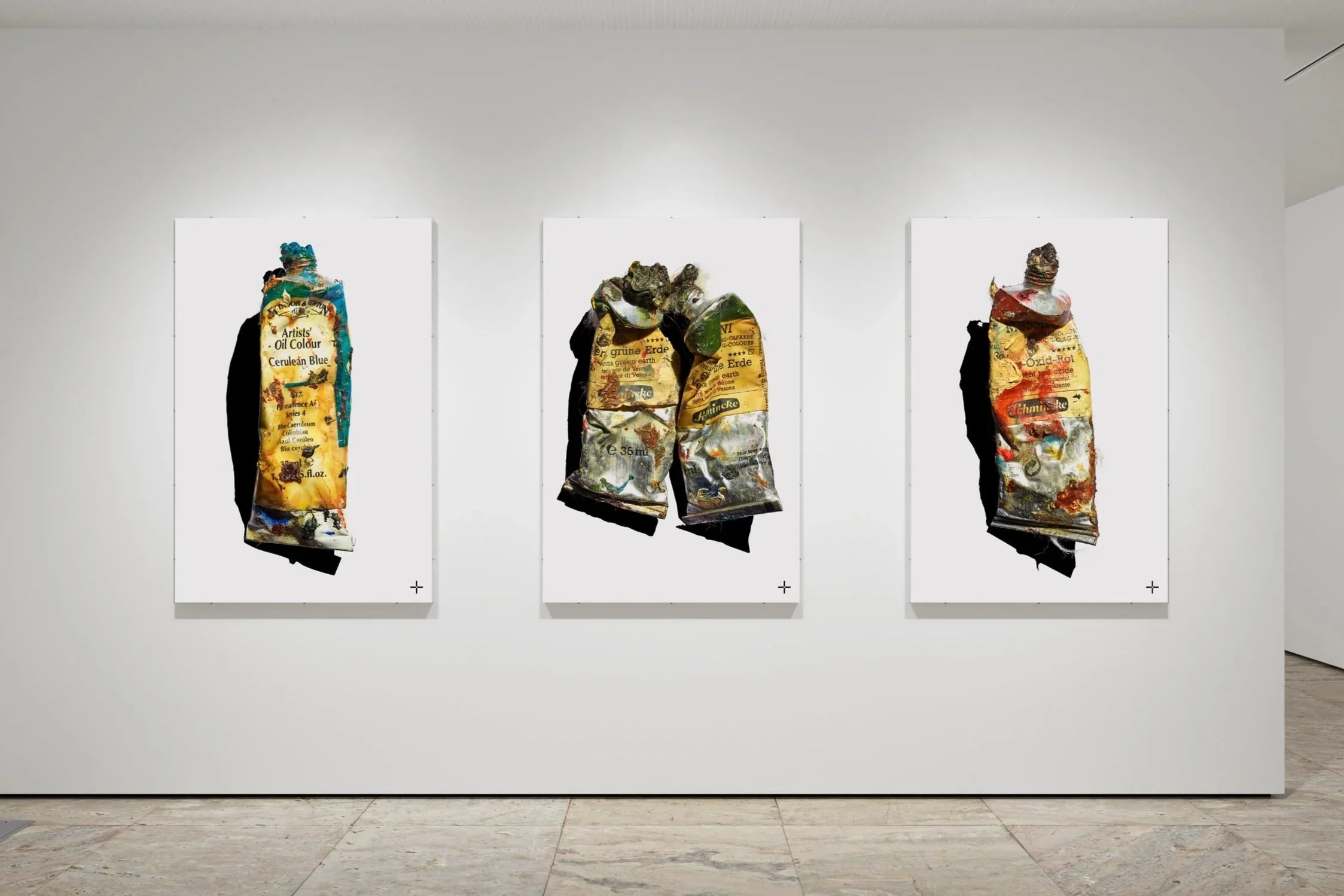
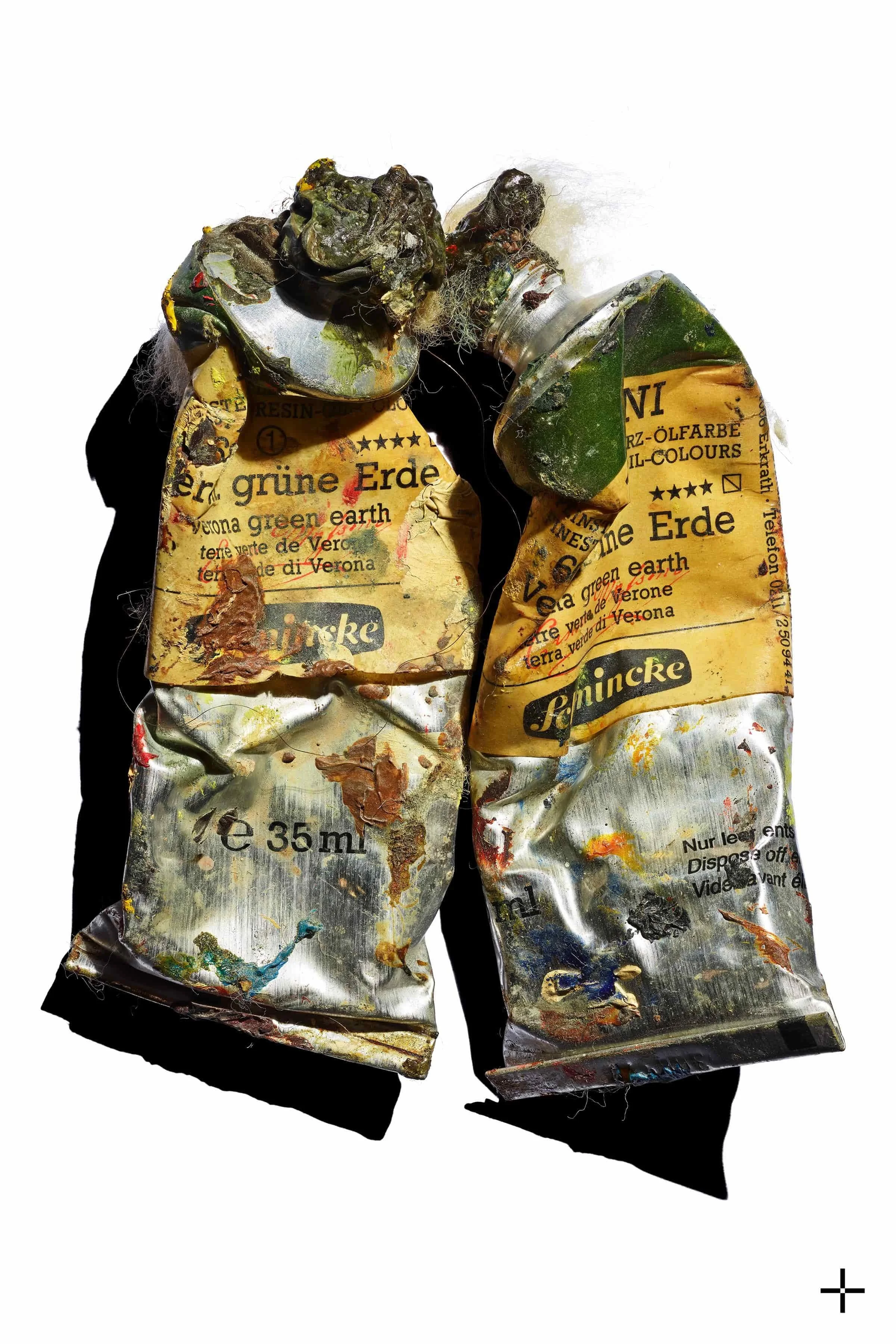
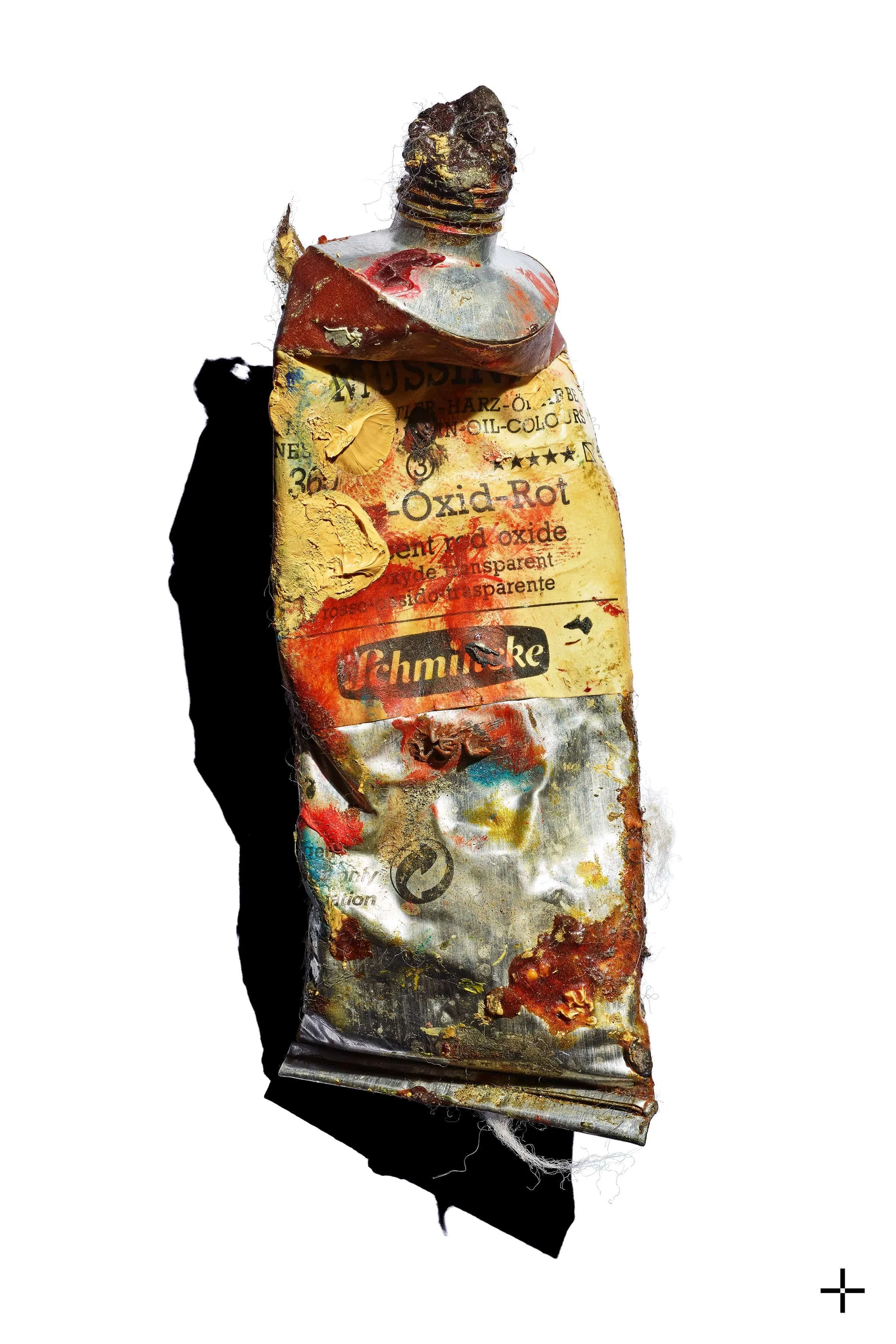
Lucian Freud’s discarded paint tubes.
-
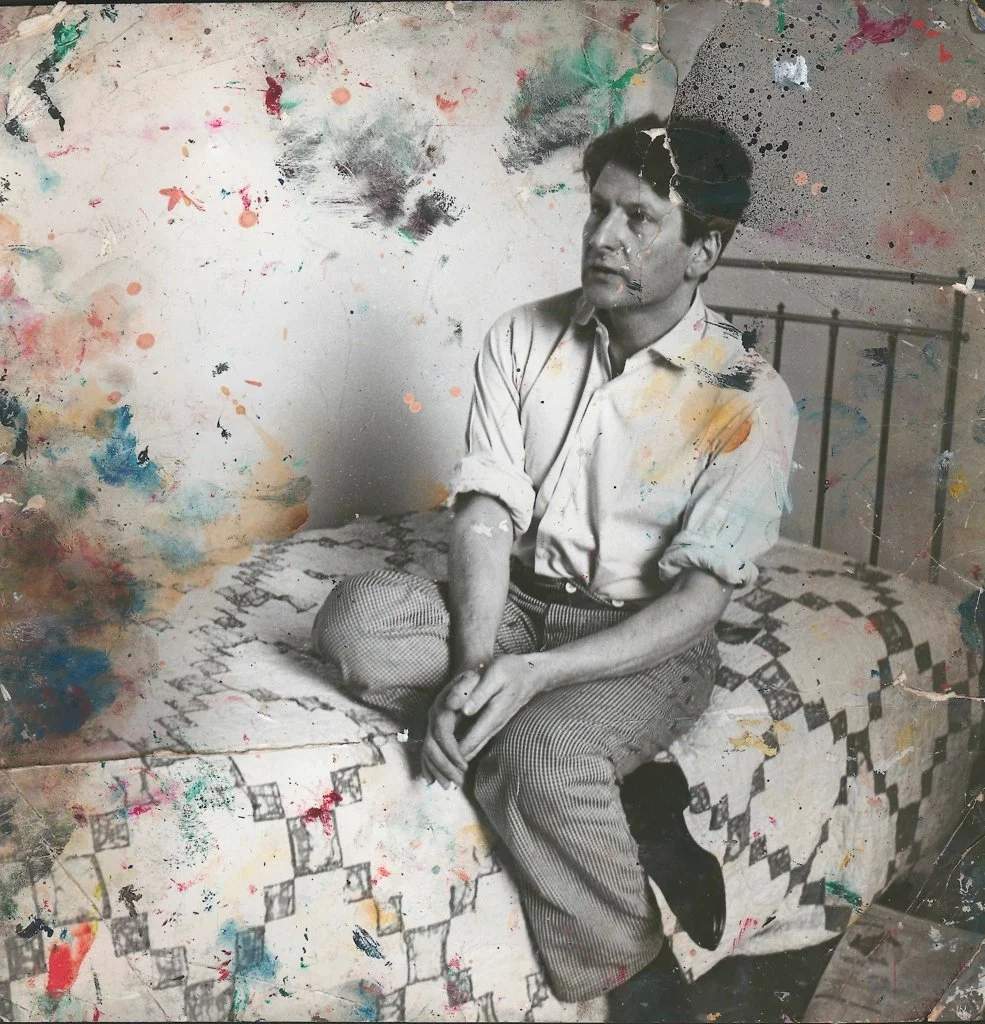
-
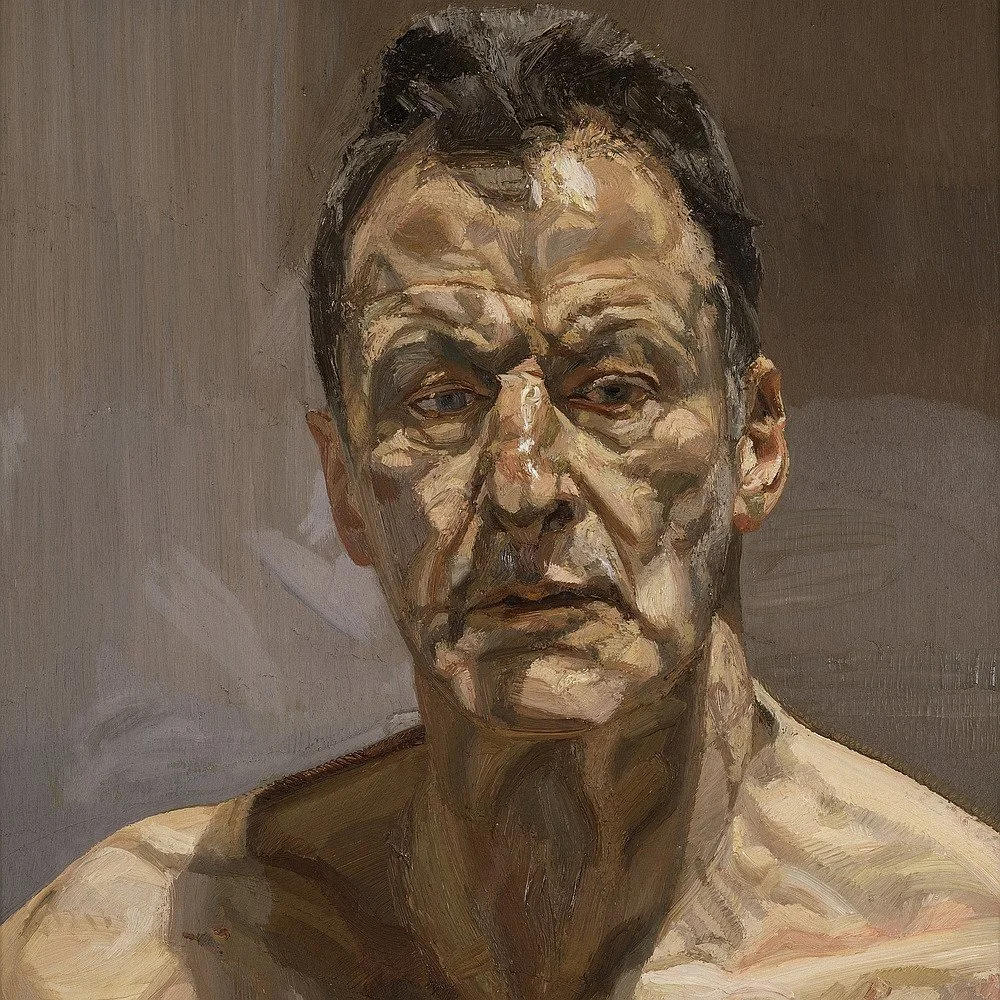
“As far as I am concerned the paint is the person. I want it to work for me just as flesh does.”
Lucian Freud
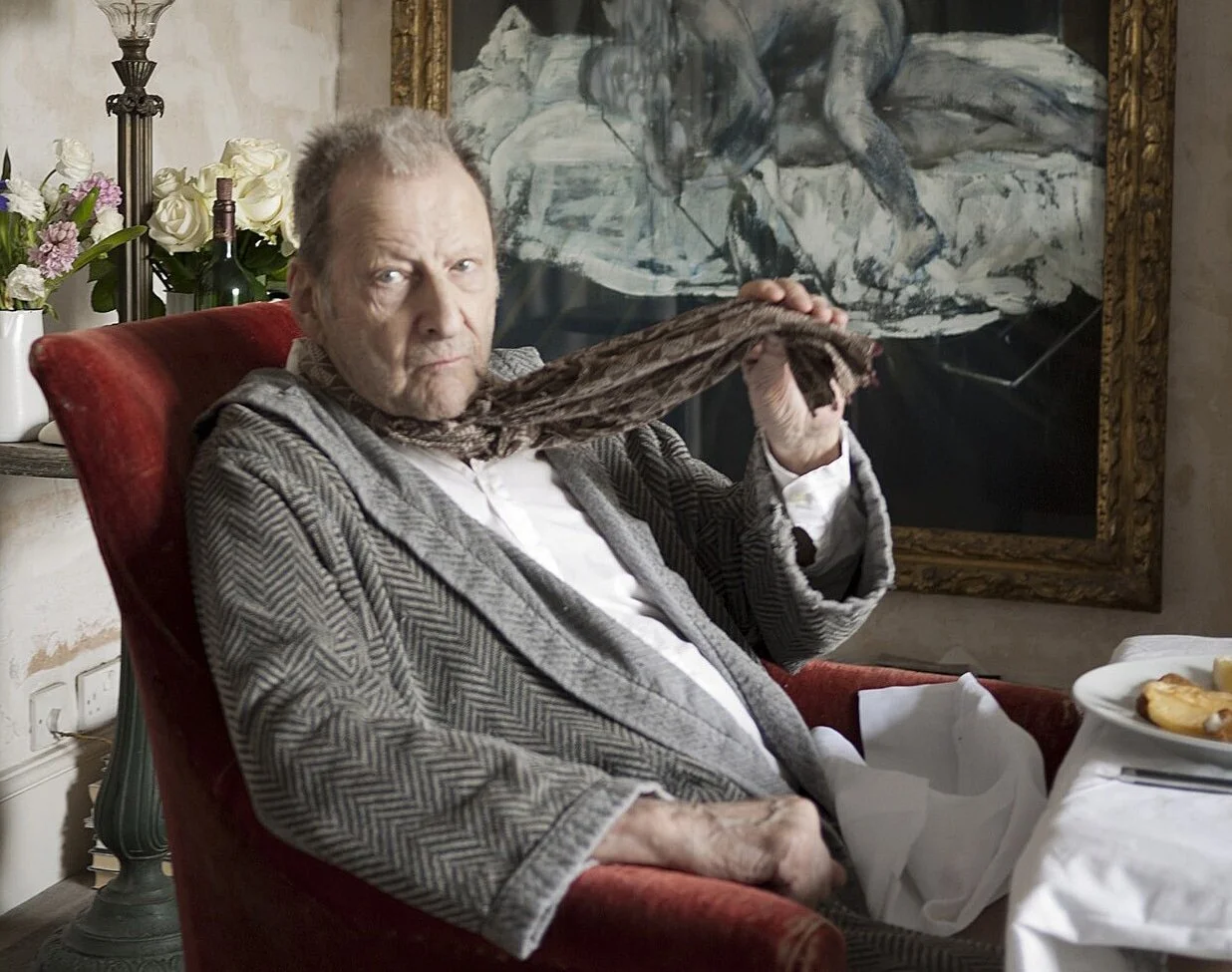
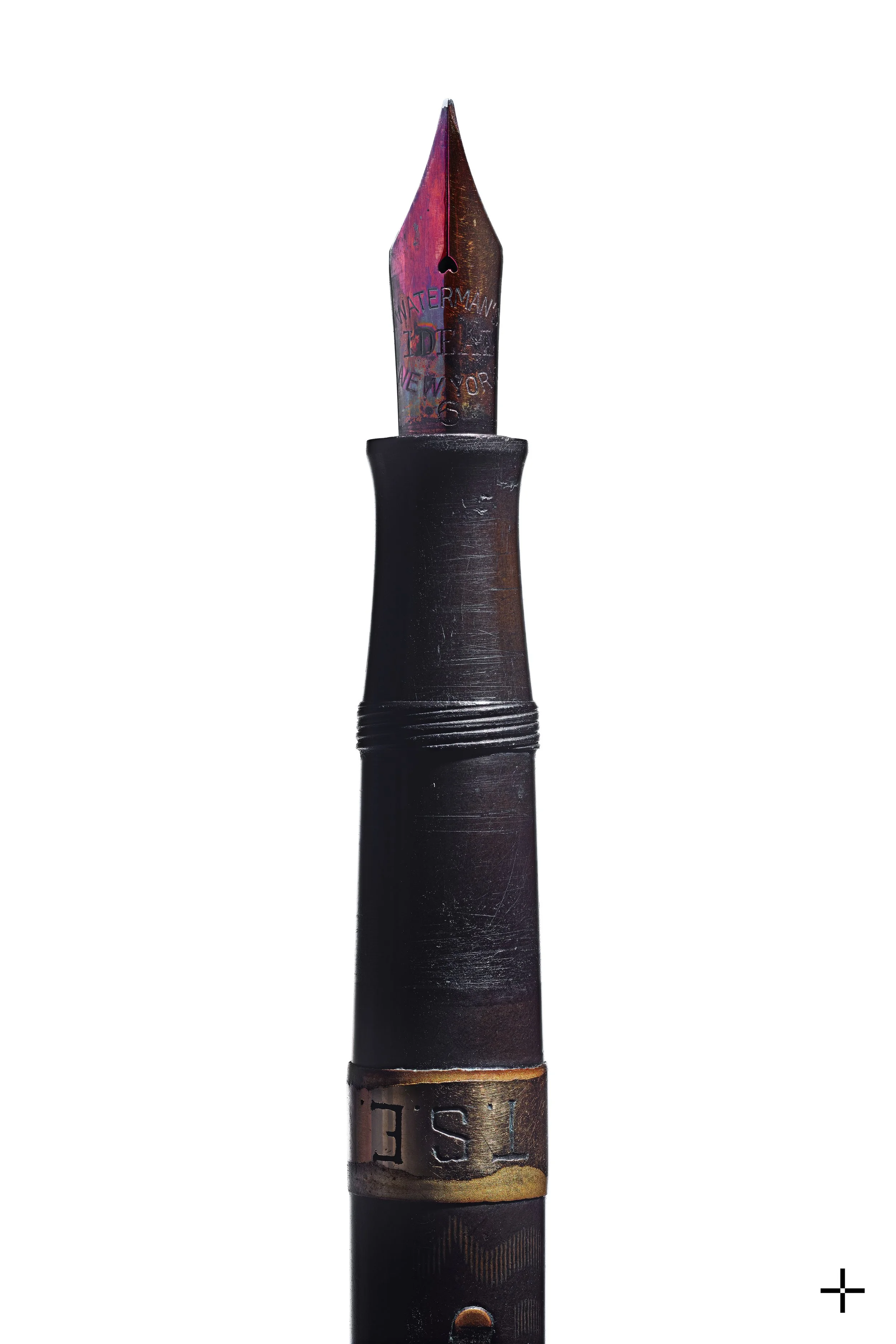
T.S. Eliot’s monogrammed fountain pen.
-
-
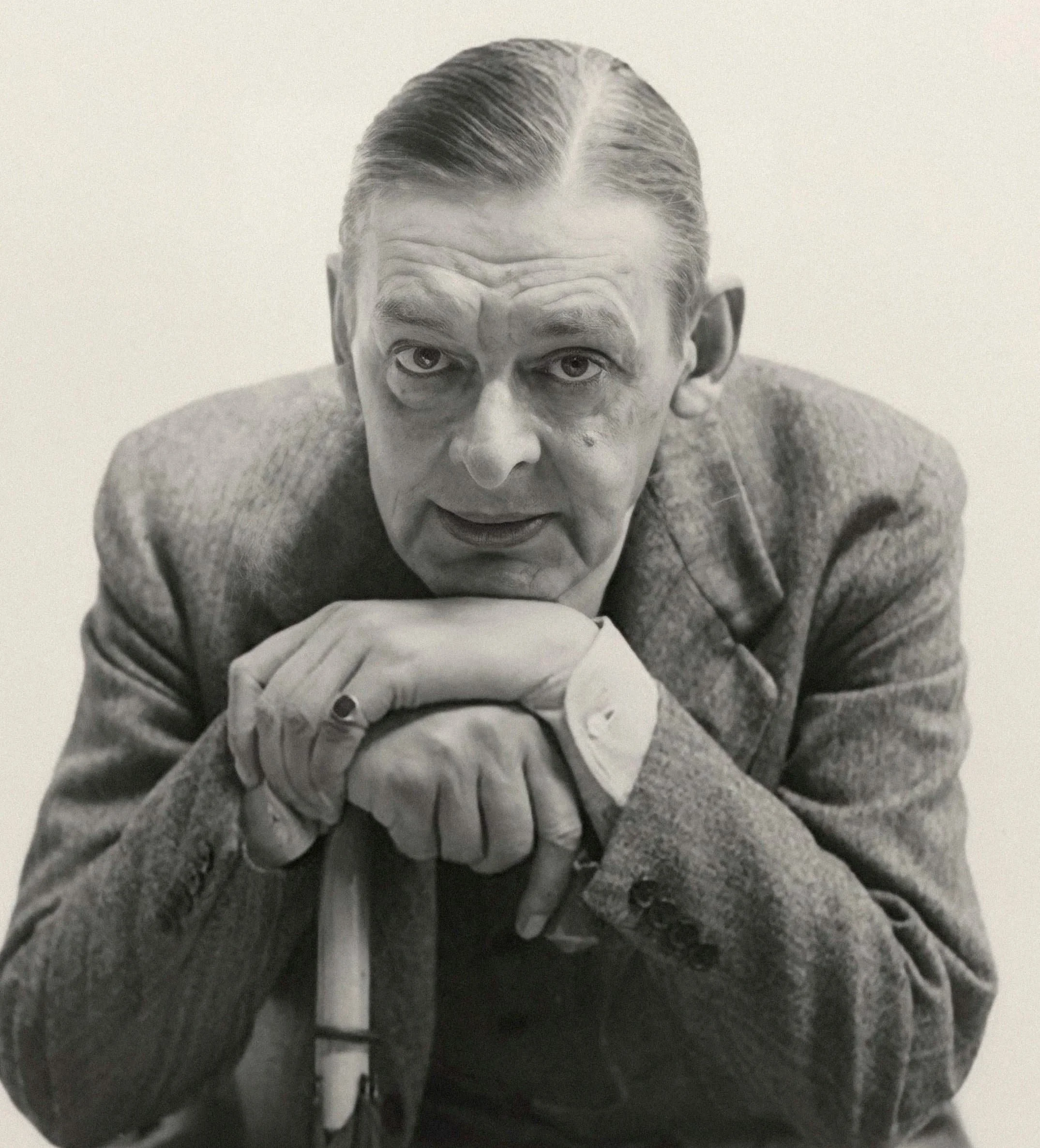
“To do the useful thing, to say the courageous thing, to contemplate the beautiful thing: that is enough for one man's life.”
T.S. Eliot.
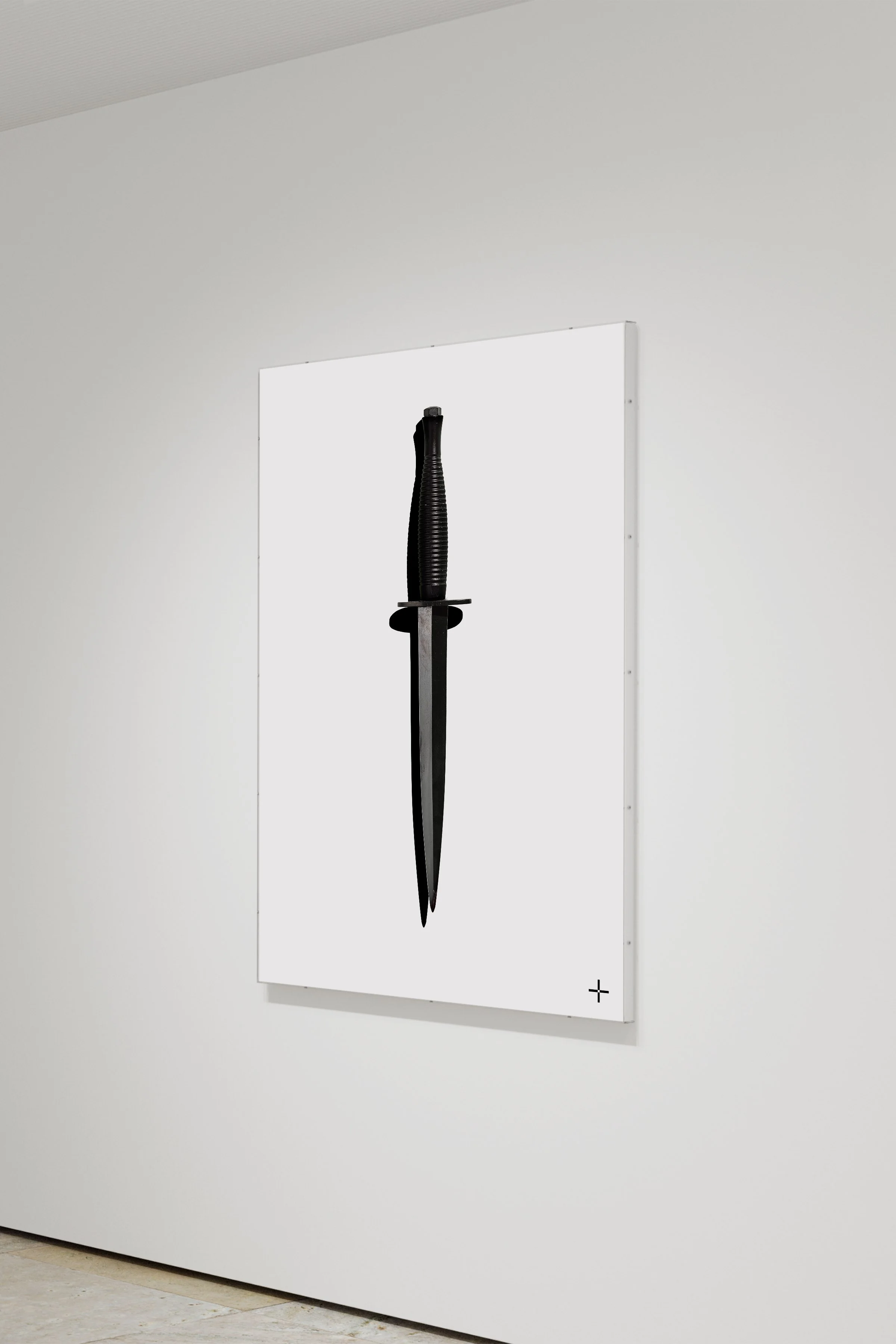
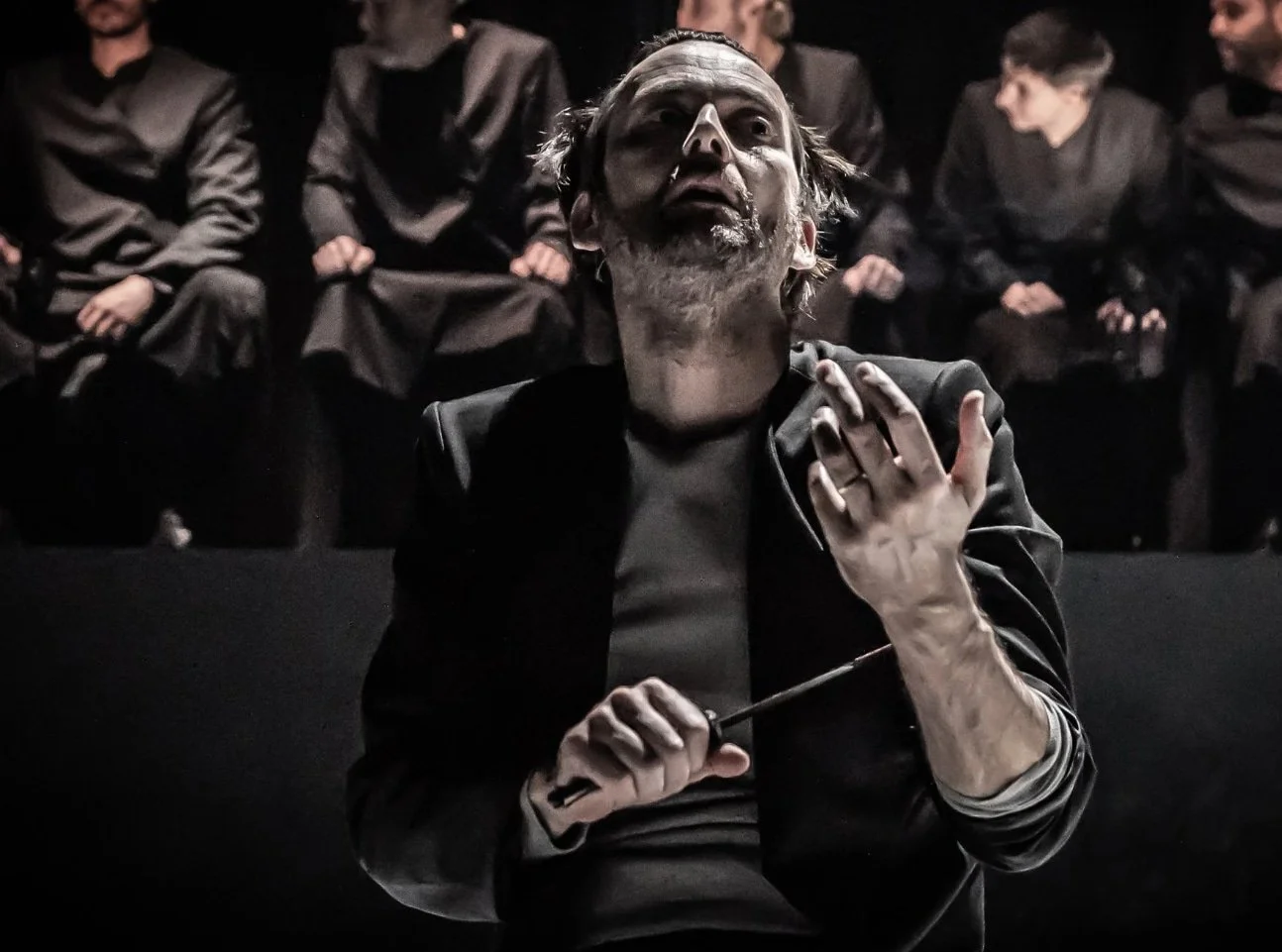
Dagger used by David Tennant as Macbeth, 2025.
-
-
“Is this a dagger which I see before me, the handle toward my hand?”
Macbeth, William Shakespeare.
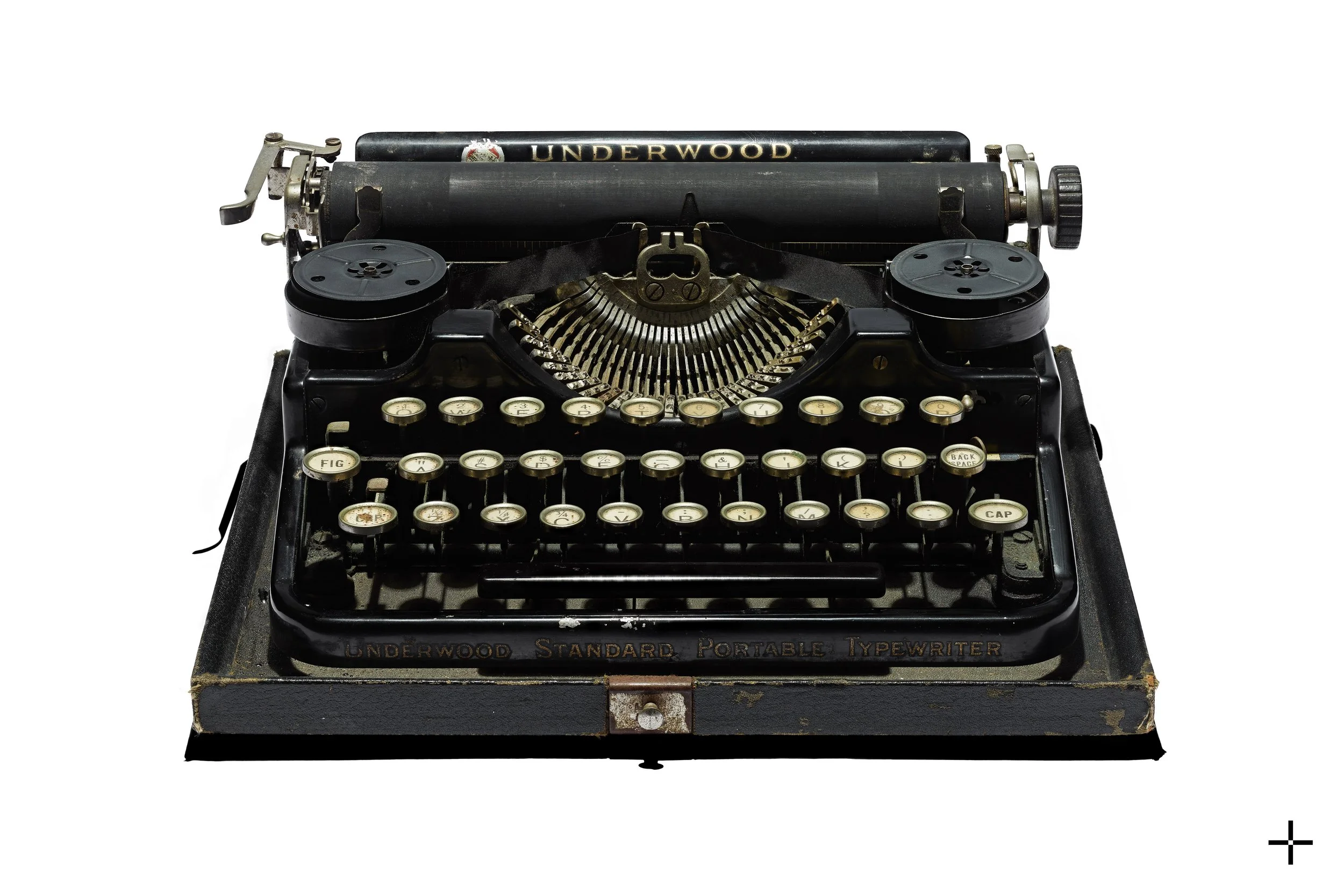
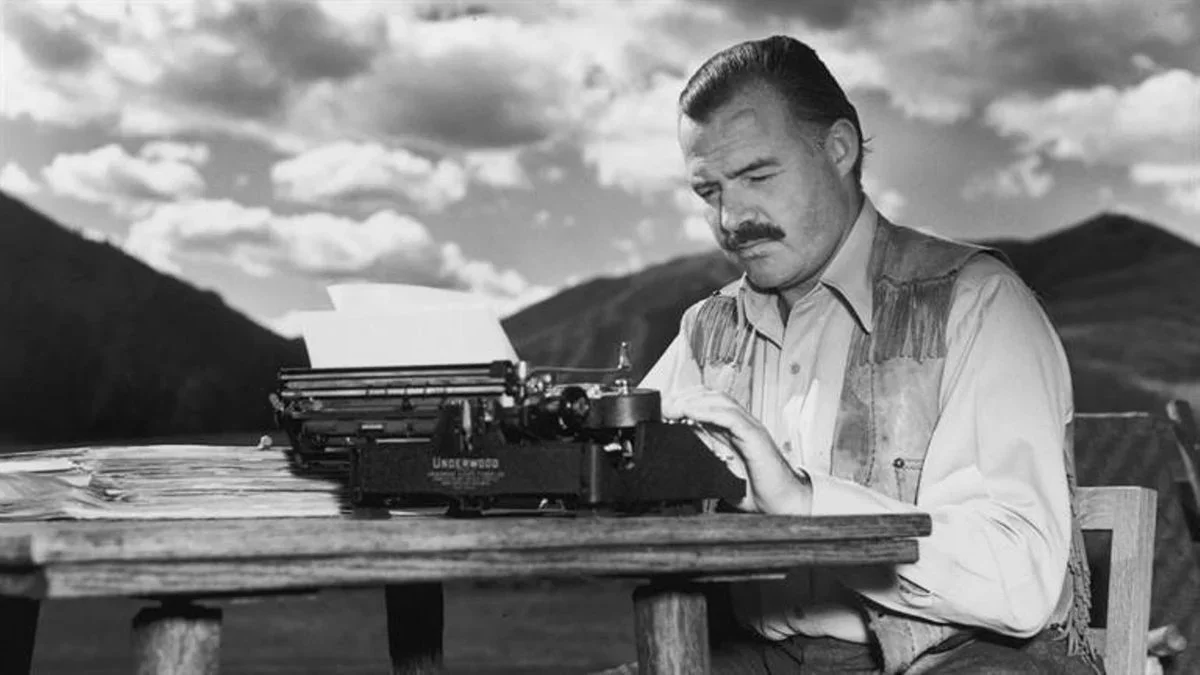
Ernest Hemingway’s 1926 Underwood Standard Portable typewriter, used in the Cuba years and for “The Old Man and the Sea”.
-
-
“There is nothing to writing. All you do is sit down at a typewriter and bleed.”
Ernest Hemingway.
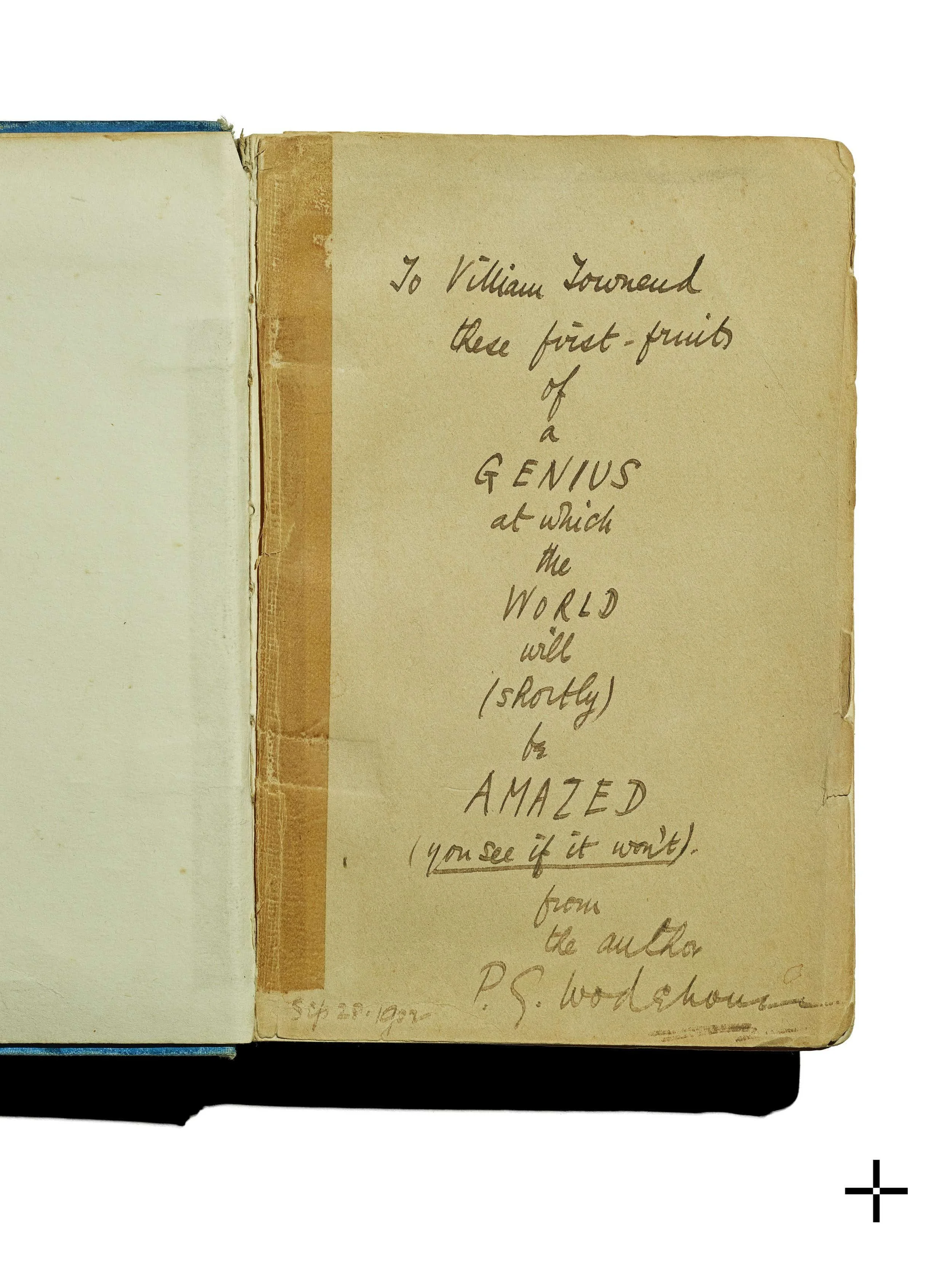
Dedication in “The Pot Hunters”, the first book by P.G. Wodehouse to his great friend William Townend, describing the great things to come. 1902.
-
-
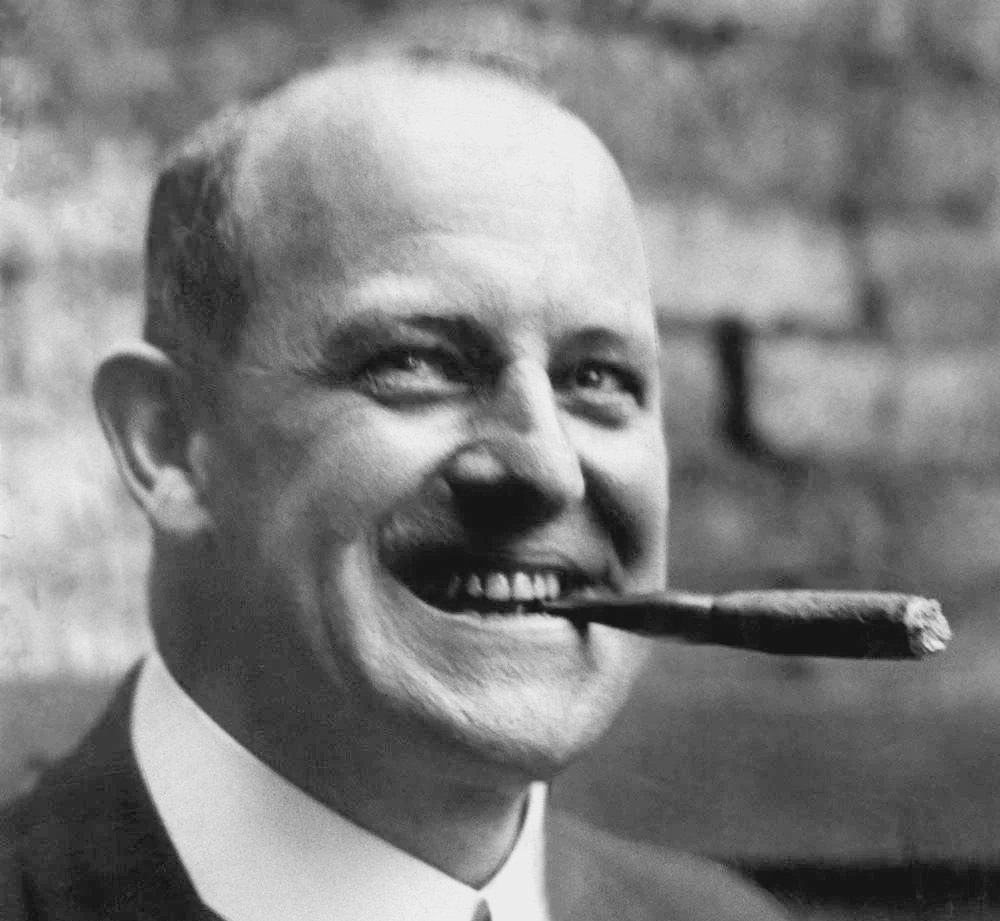
“As we grow older and realize more clearly the limitations of human happiness, we come to see that the only real and abiding pleasure in life is to give pleasure to other people.”
P.G. Wodehouse.
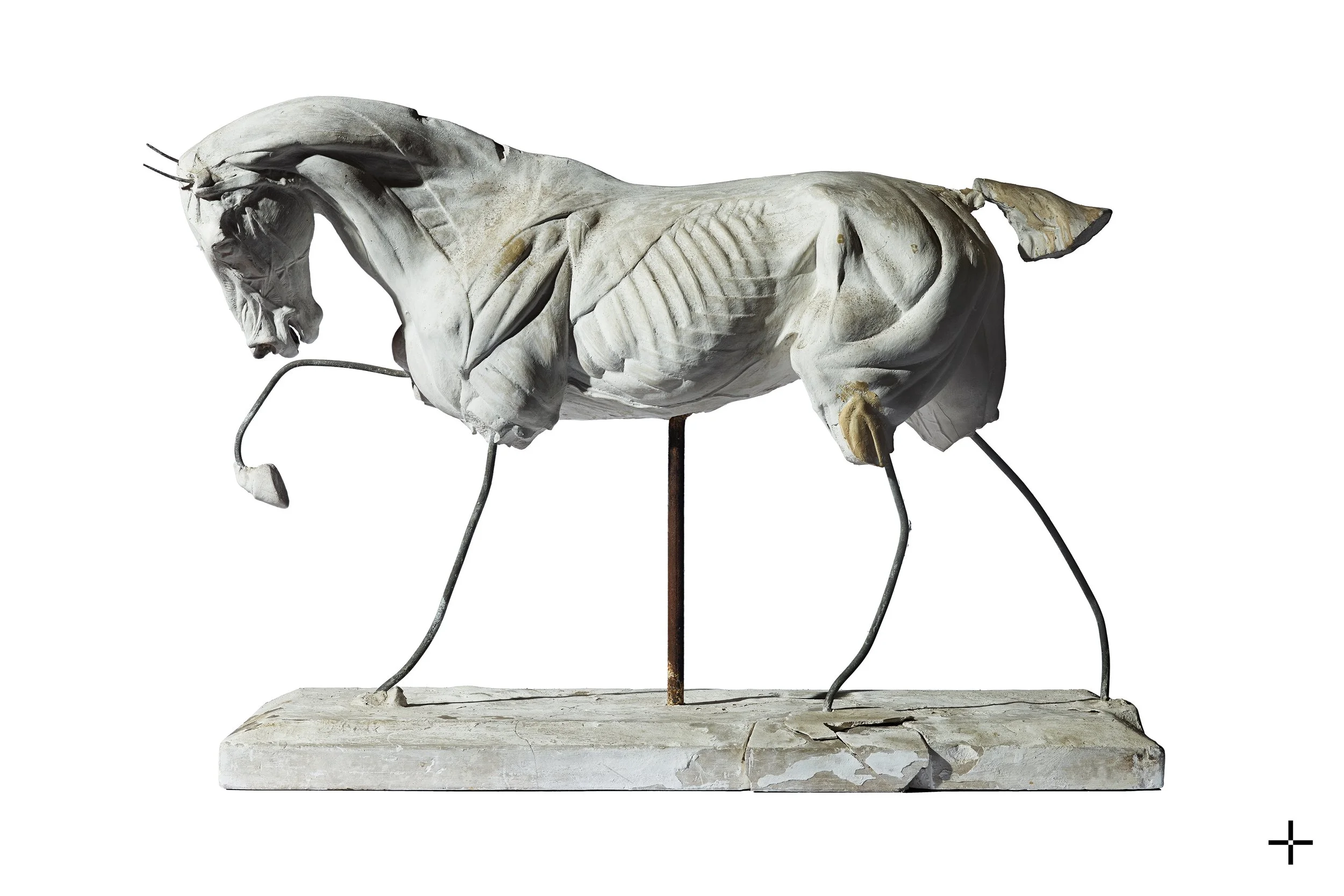
Alfred Munnings: Swiss plaster model of a horse, purchased in Paris.
-
-
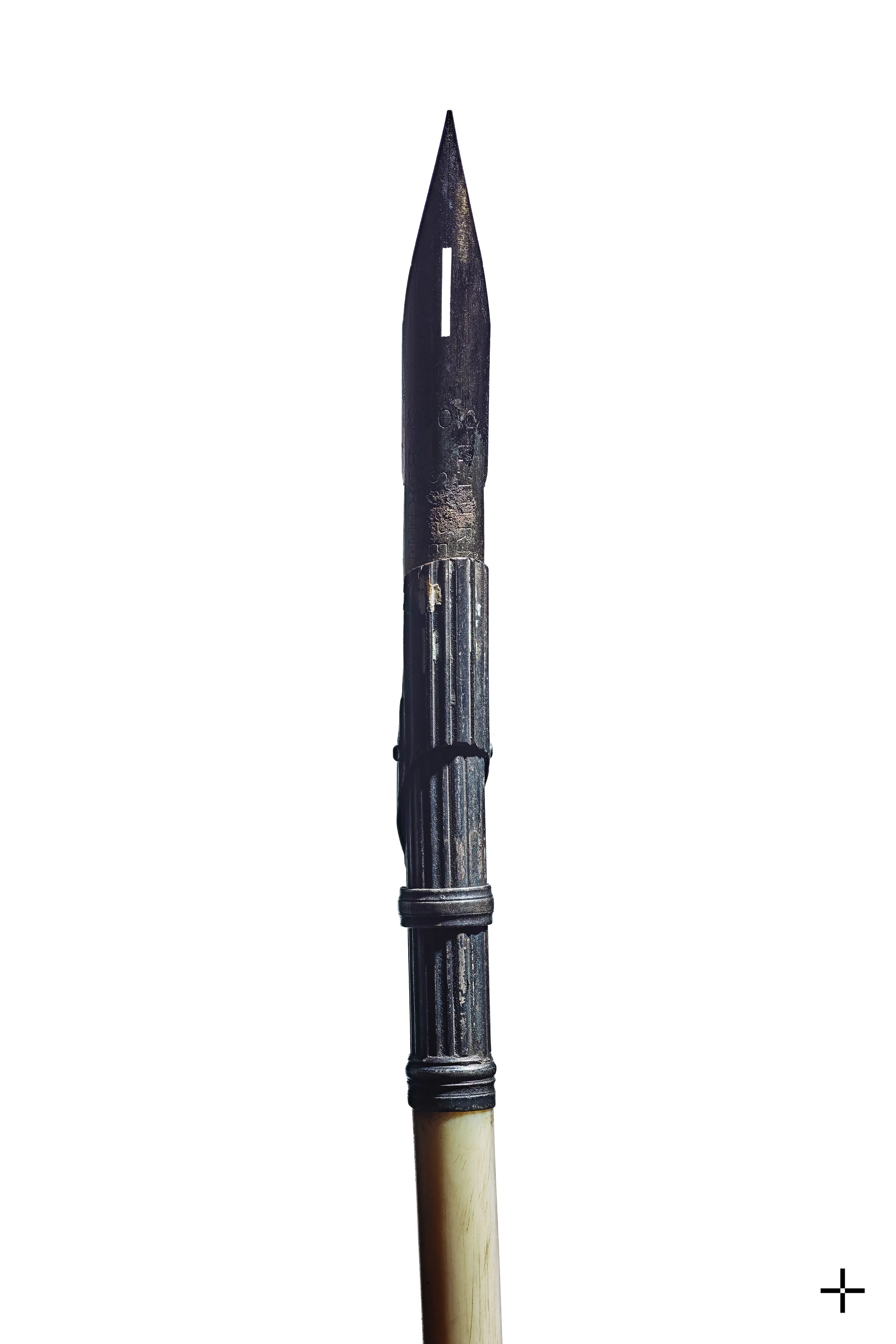
George Eliot’s dip pen.
-

-
“It is never too late to be what you might have been.”
George Eliot.
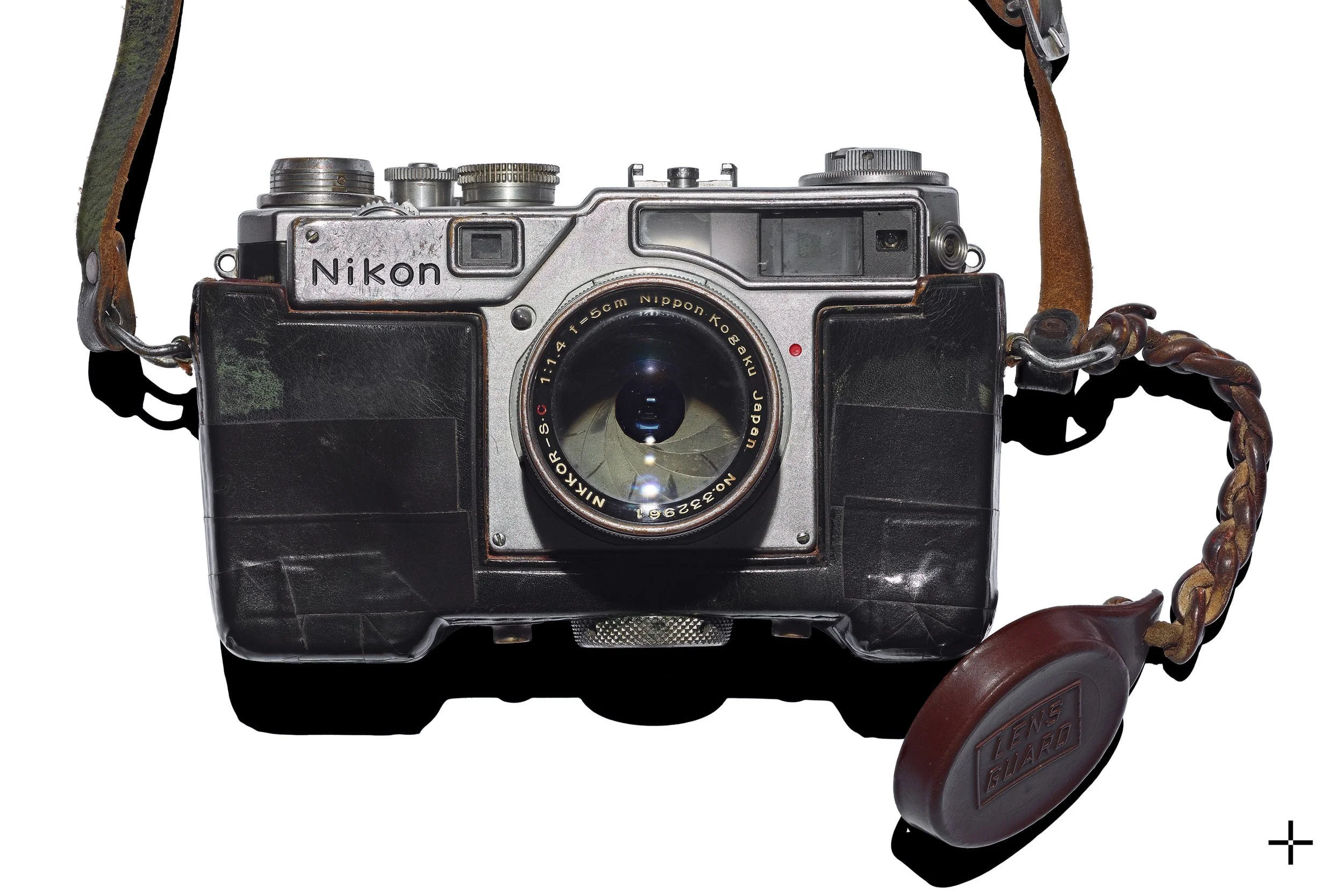
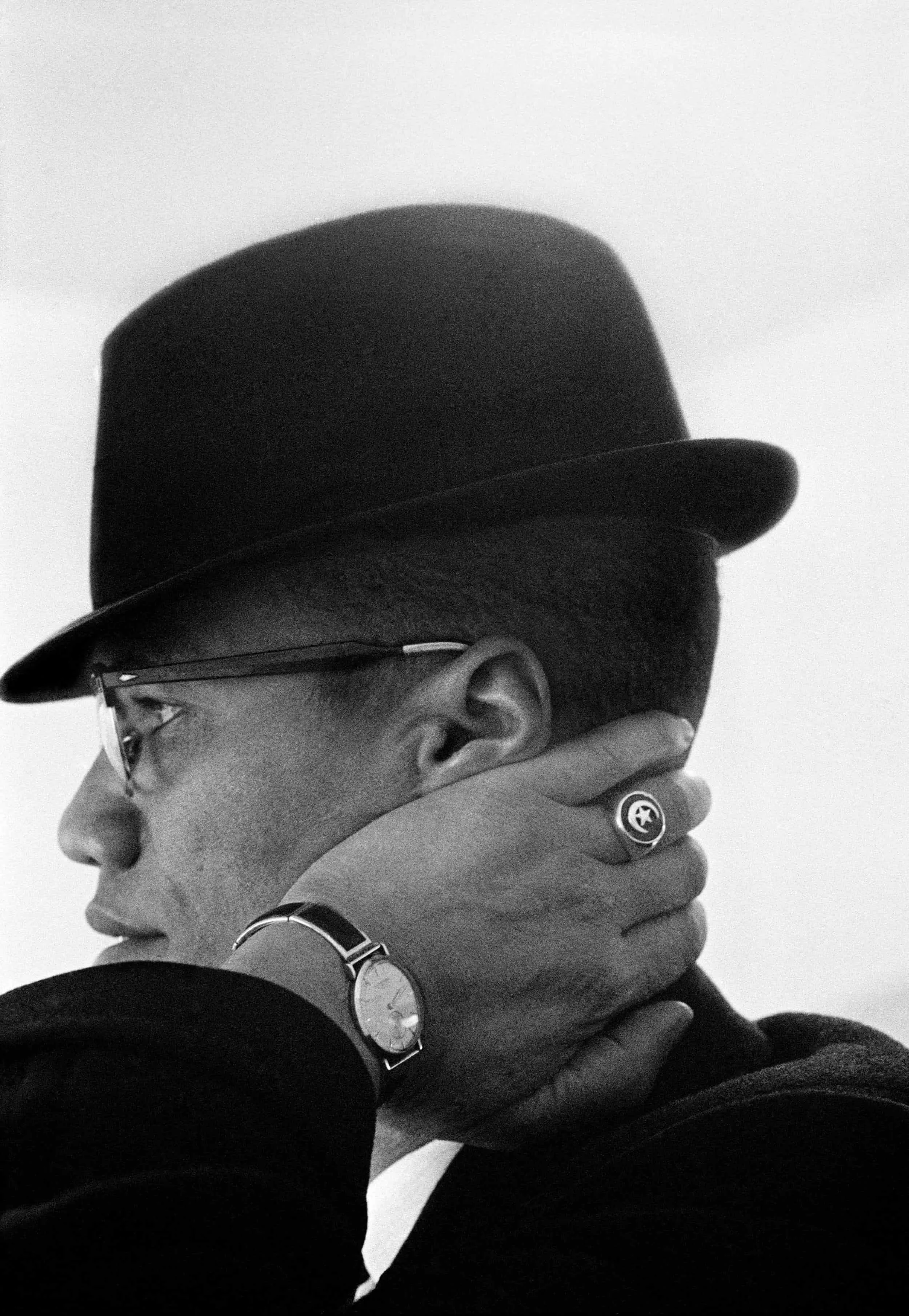
Eve Arnold’s Nikon S2 Rangefinder with 50mm Nikkor lens, used to photograph Malcom X, see below:
-
-
"What drove me and kept me going over the decades? If I had to use a single word, it would be 'curiosity'".
Eve Arnold.
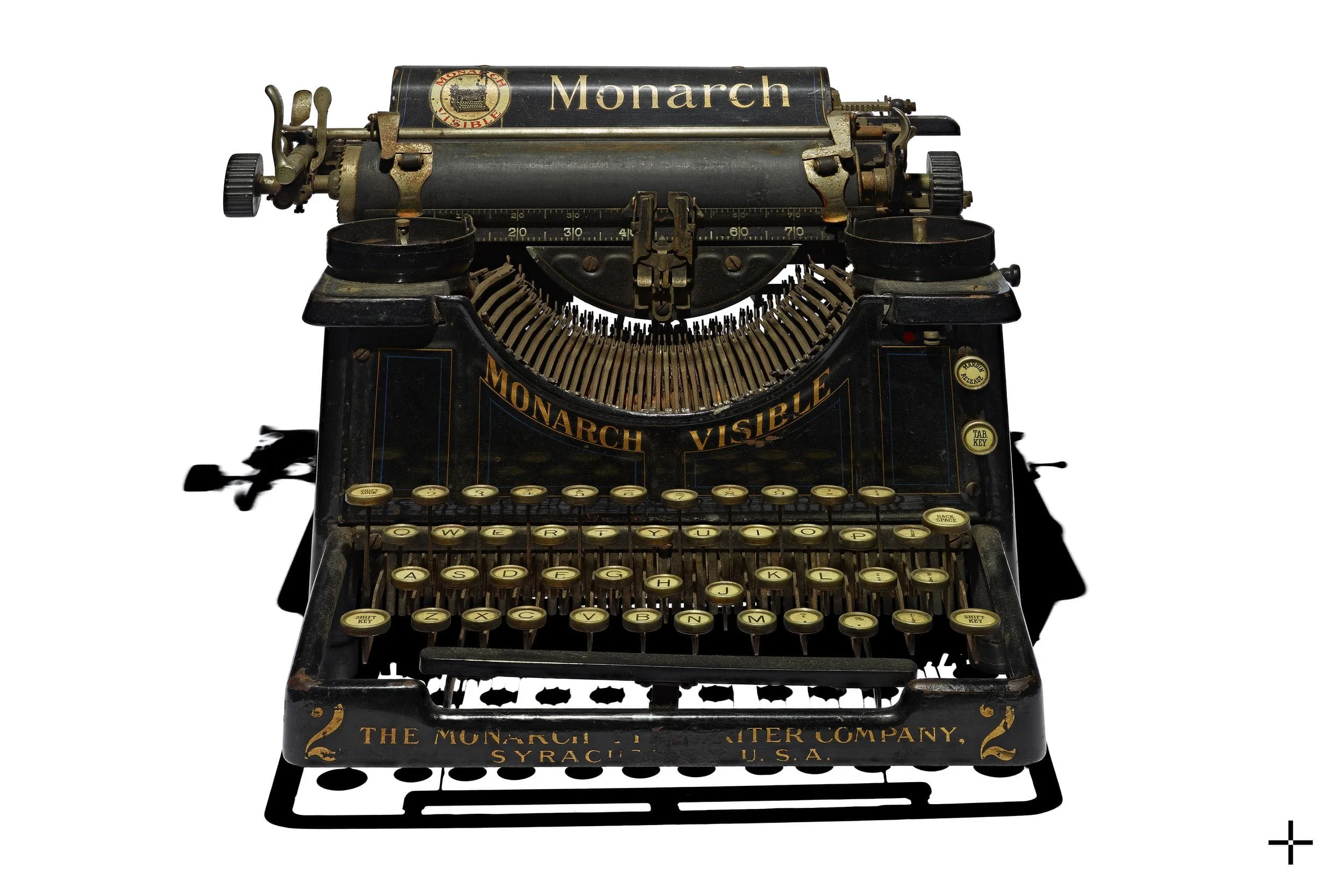
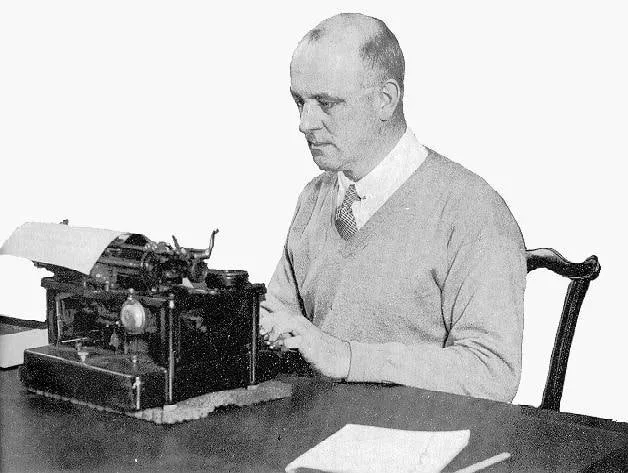
PG Wodehouse, famously used this Monarch Visible for most of his career.
-
-
“One of the Georges - I forget which - once said that a certain number of hours' sleep each night - I cannot recall at the moment how many - made a man something which for the time being has slipped my memory.”
P.G. Wodehouse.
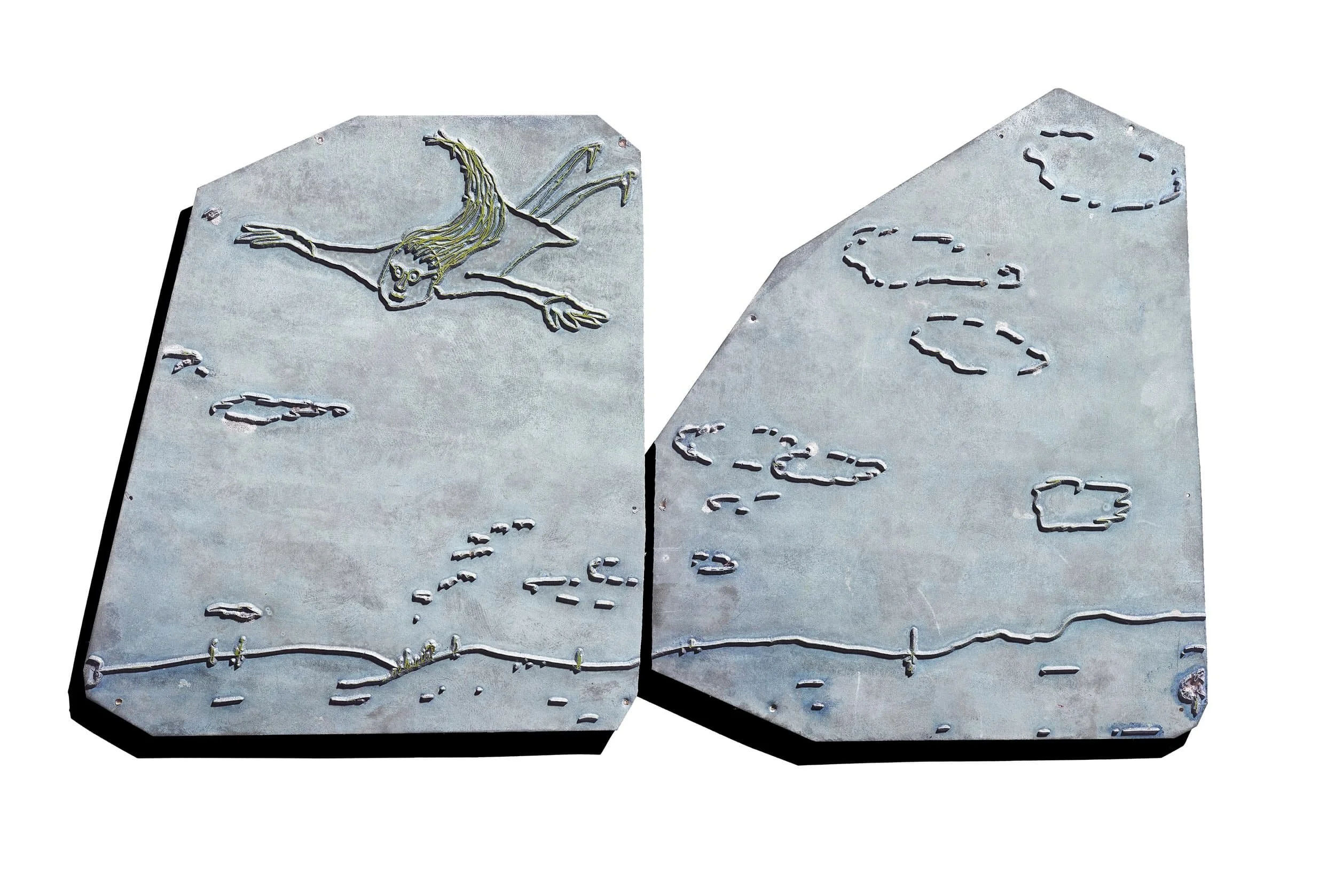
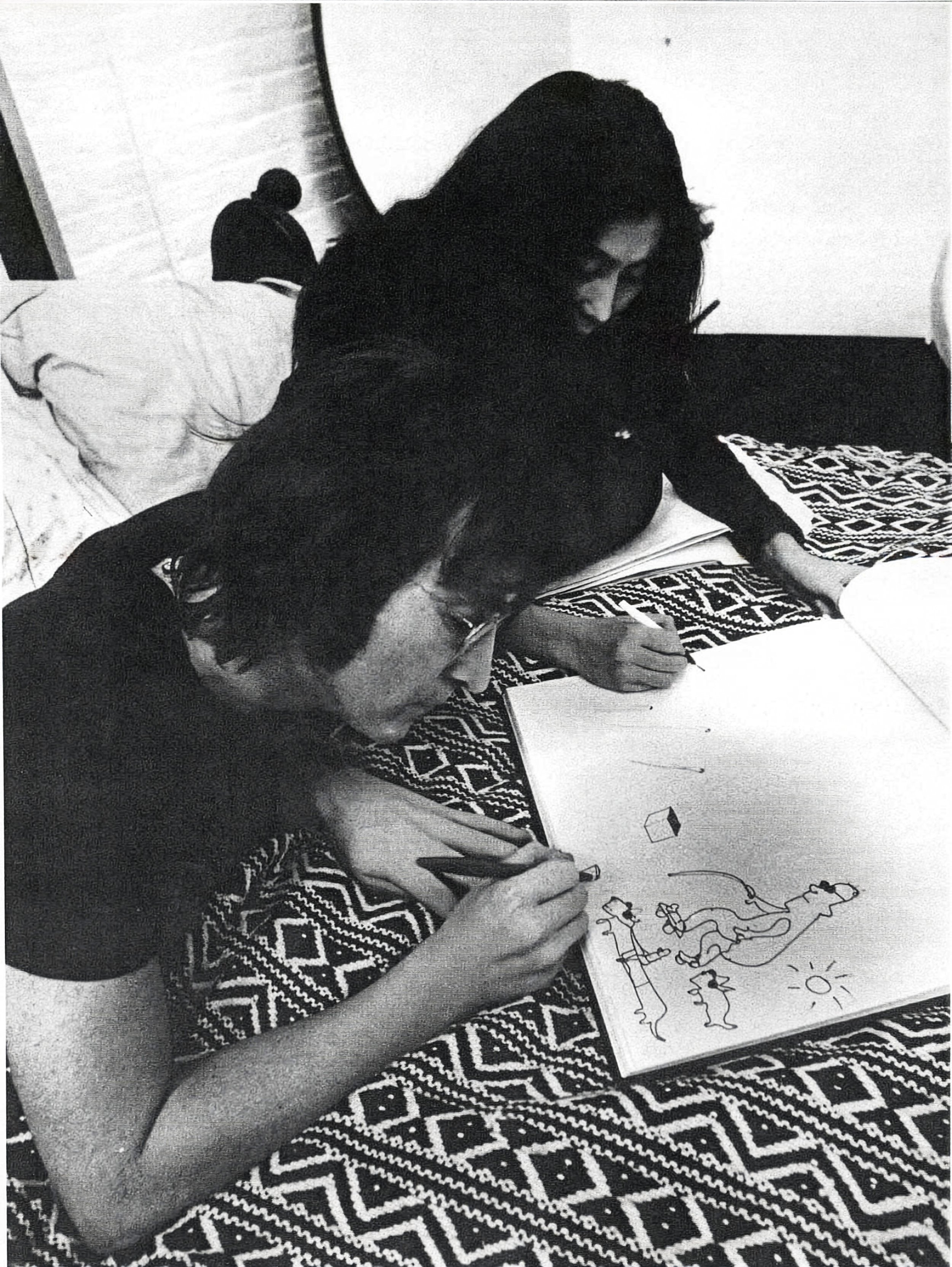
Printing plate from John Lennon’s first book “In His Own Write”, 1964.
-
-
“Cellophane flowers of yellow and green, towering over your head. Look for the girl with the sun in her eyes, and she's gone. Lucy in the sky with diamonds.”
John Lennon.
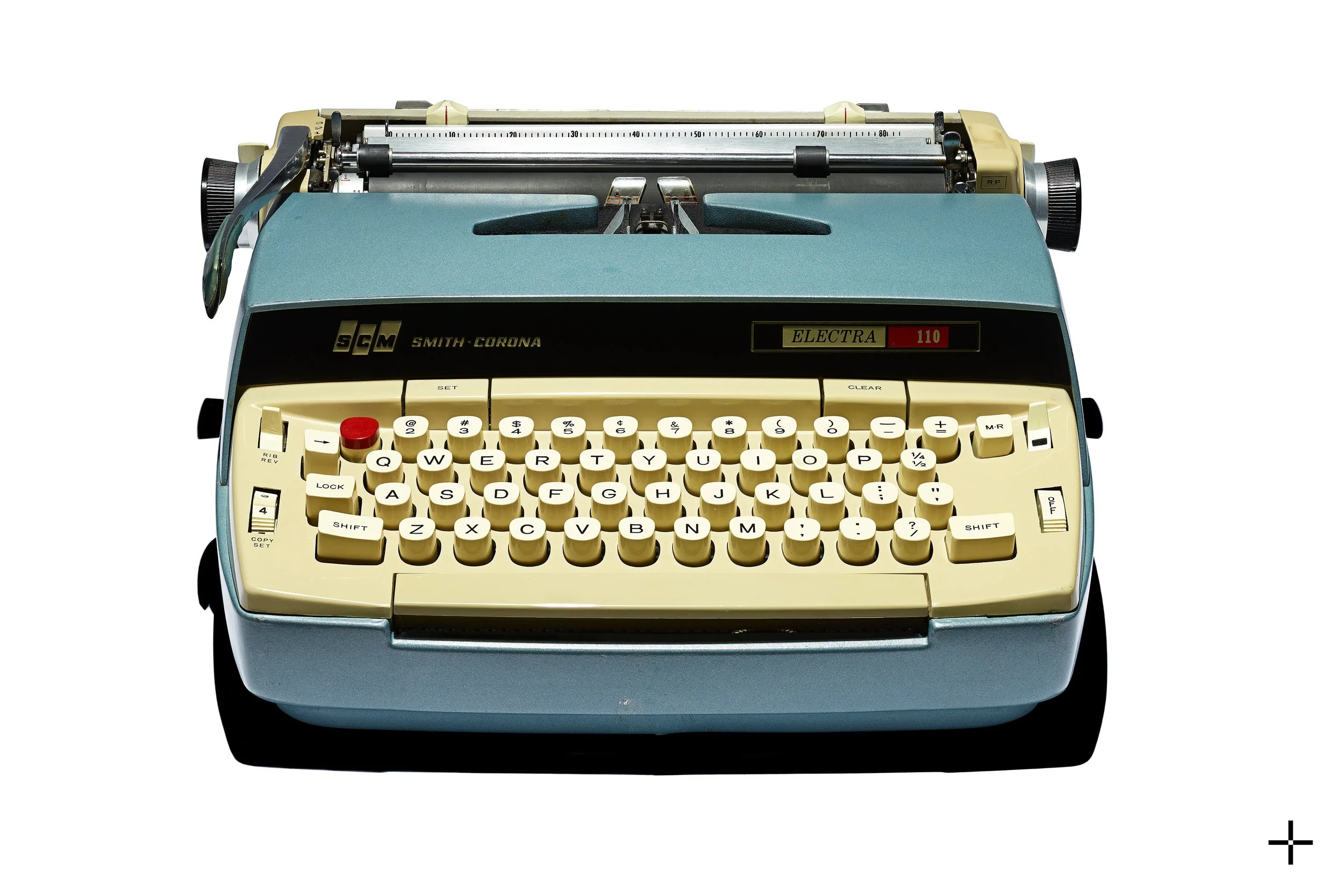
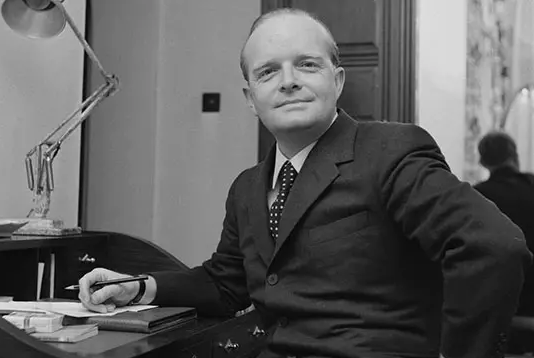
Truman Capote, his 1961 Smith-Corona Electra 110 typewriter.
-
-
“To me, the greatest pleasure of writing is not what it's about, but the music the words make.”
Truman Capote.
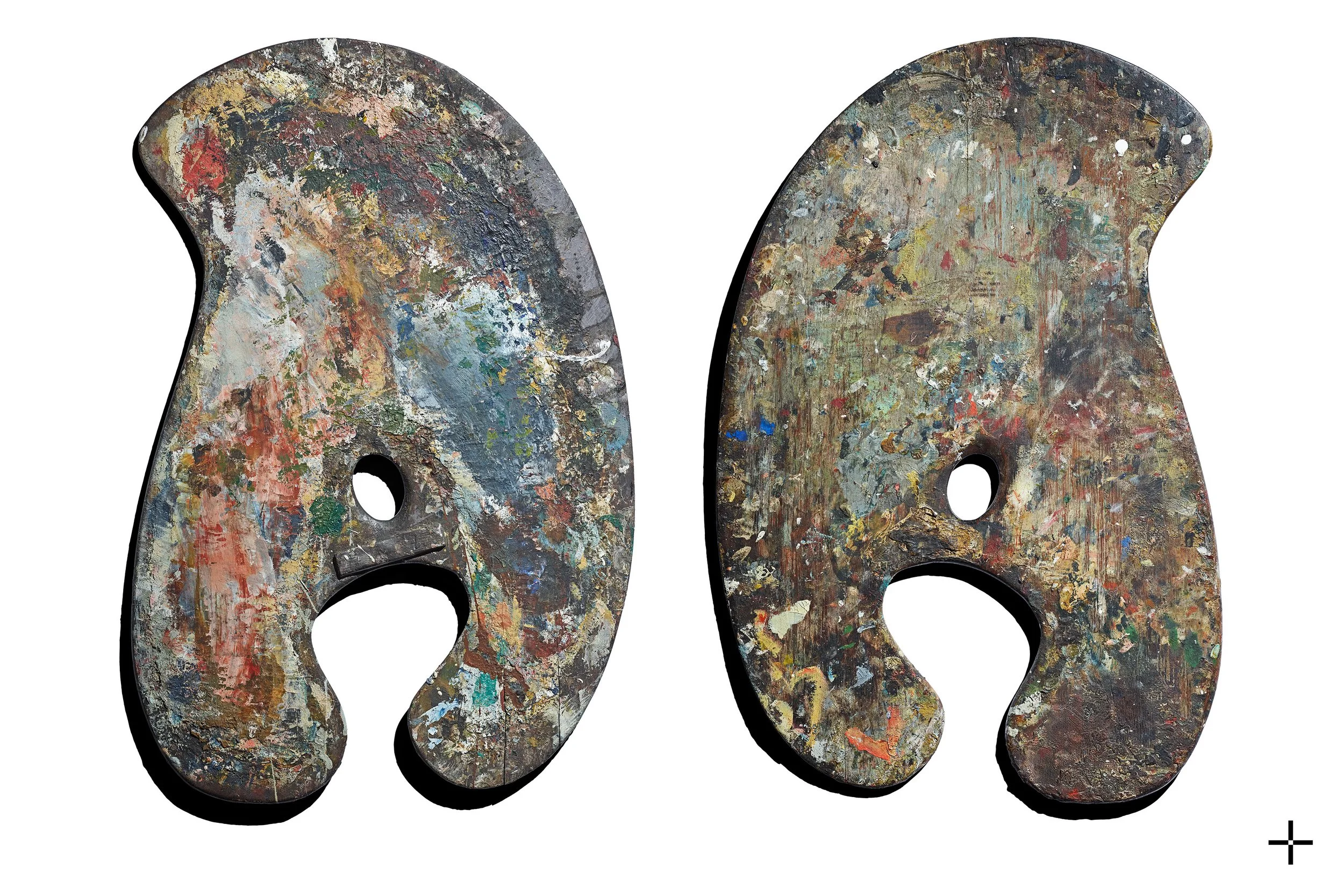
George Frederic Watts, palette front and back..
-
-
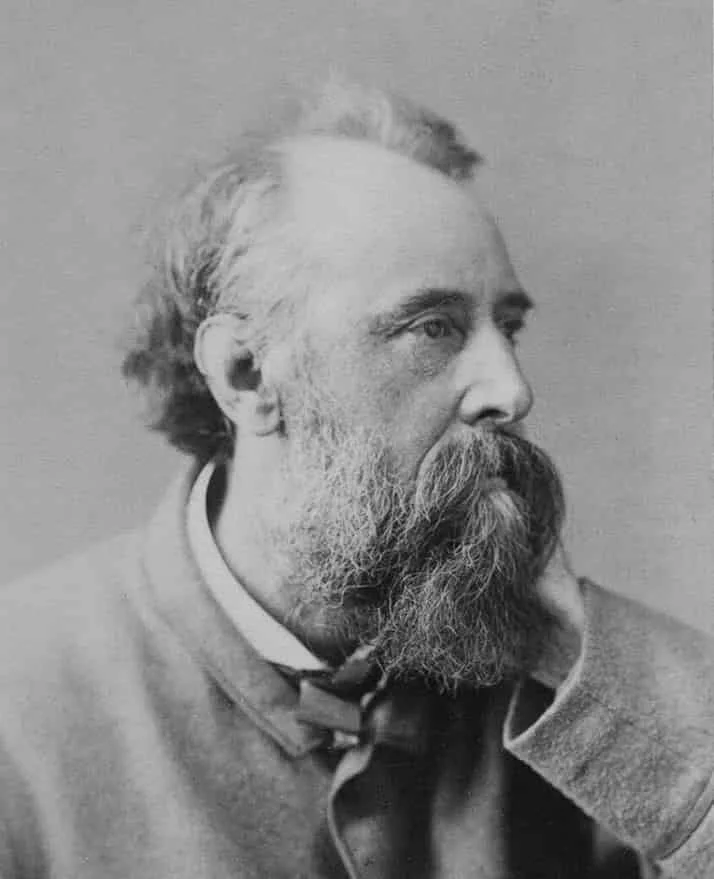
“I paint ideas, not things. My intention is less to paint works that are pleasing to the eye than to suggest great thoughts which will speak to the imagination and the heart and will arouse all that is noblest and best in man.”
George Frederic Watts.
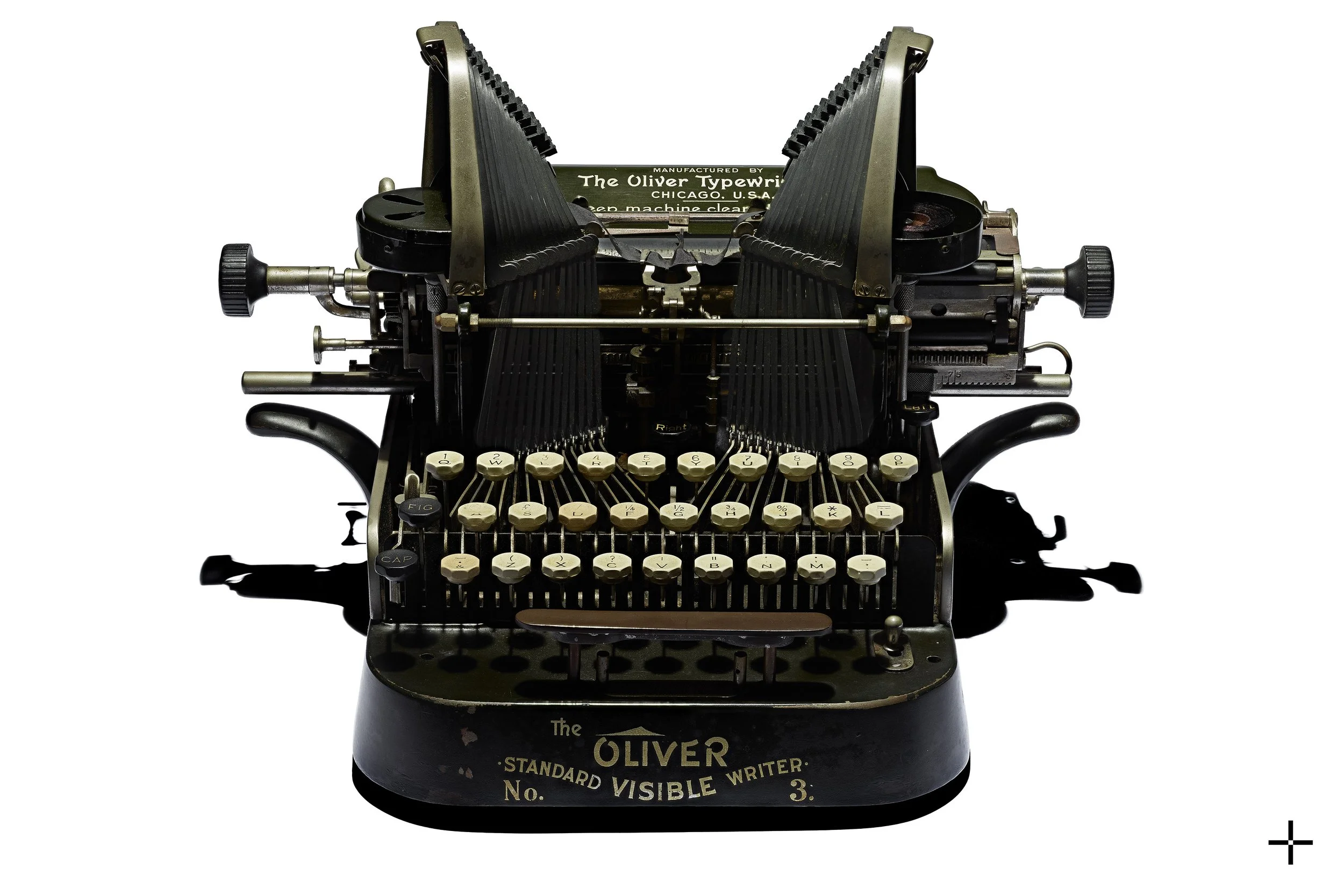
E.M. Forster’s 1904 Oliver Standard Visible Writer No:3.
-
-
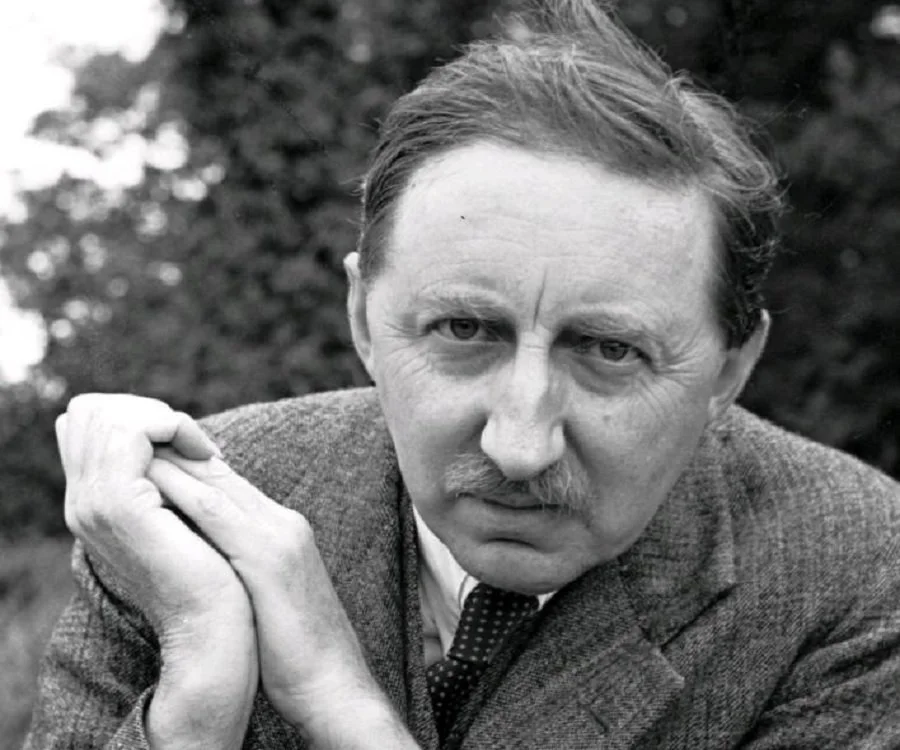
“We must be willing to let go of the life we have planned, so as to have the life that is waiting for us.”
E. M. Forster.
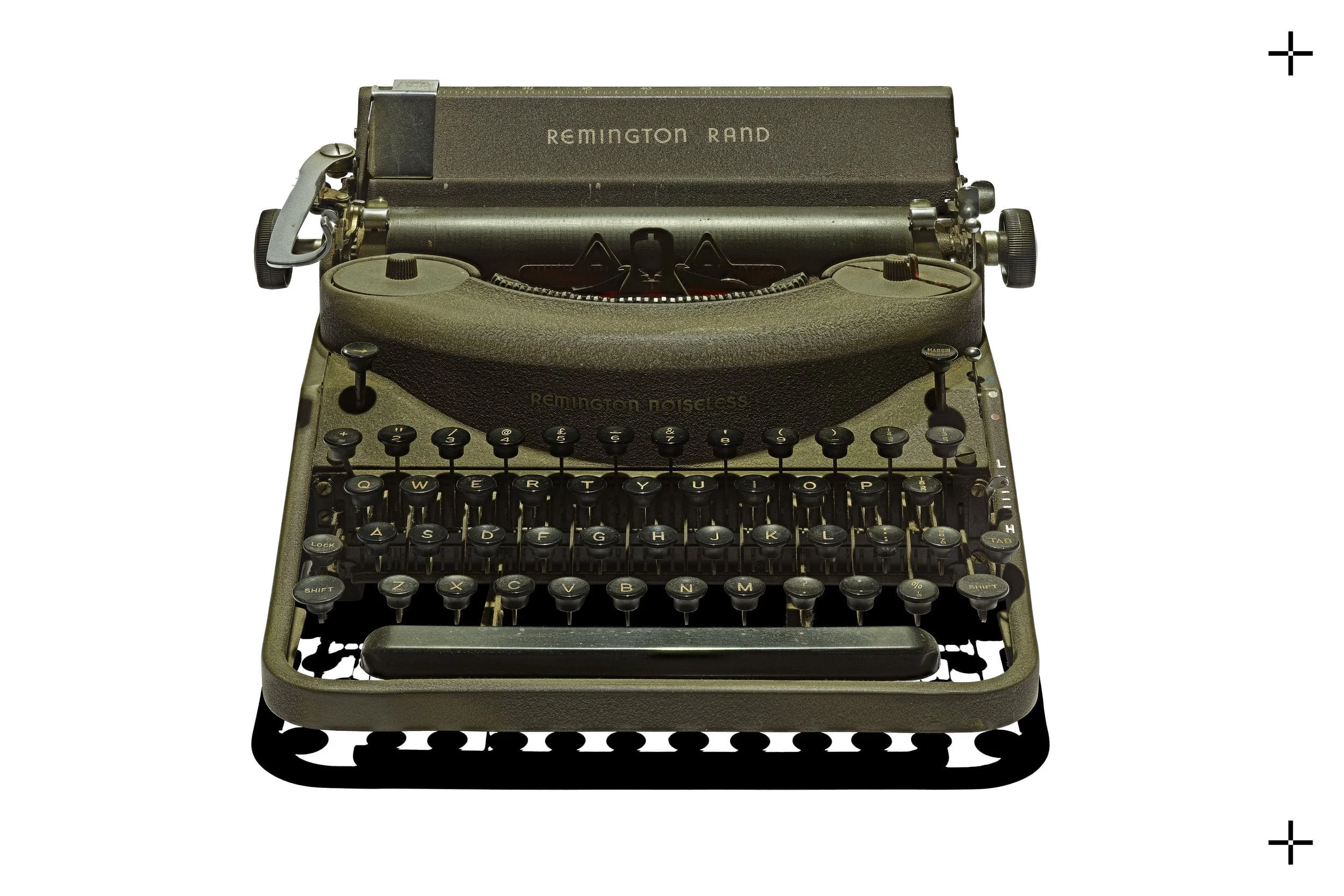
Noël Coward’s Remington Rand typewriter.
-
-
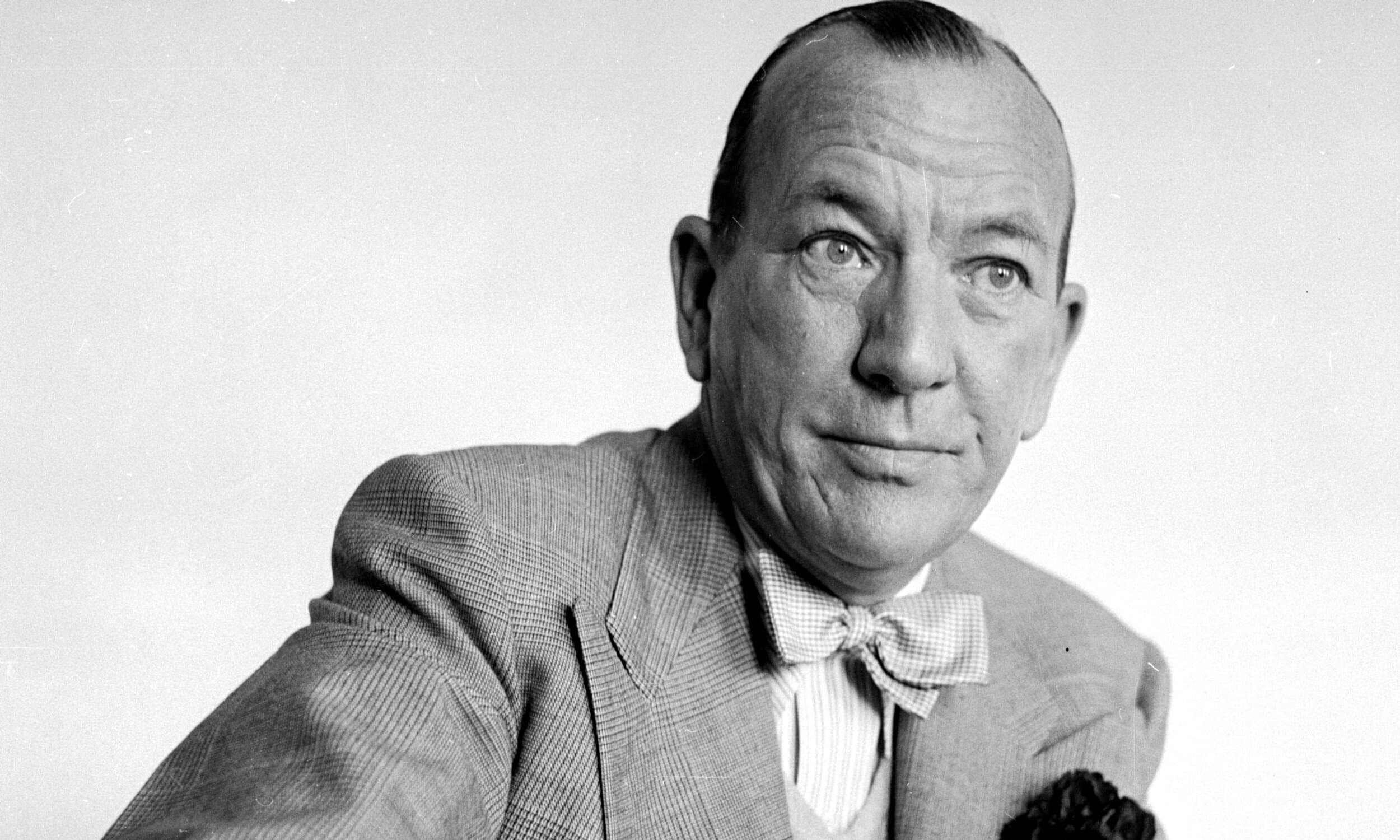
“Work hard, do the best you can, don't ever lose faith in yourself and take no notice of what other people say about you.”
Noël Coward.
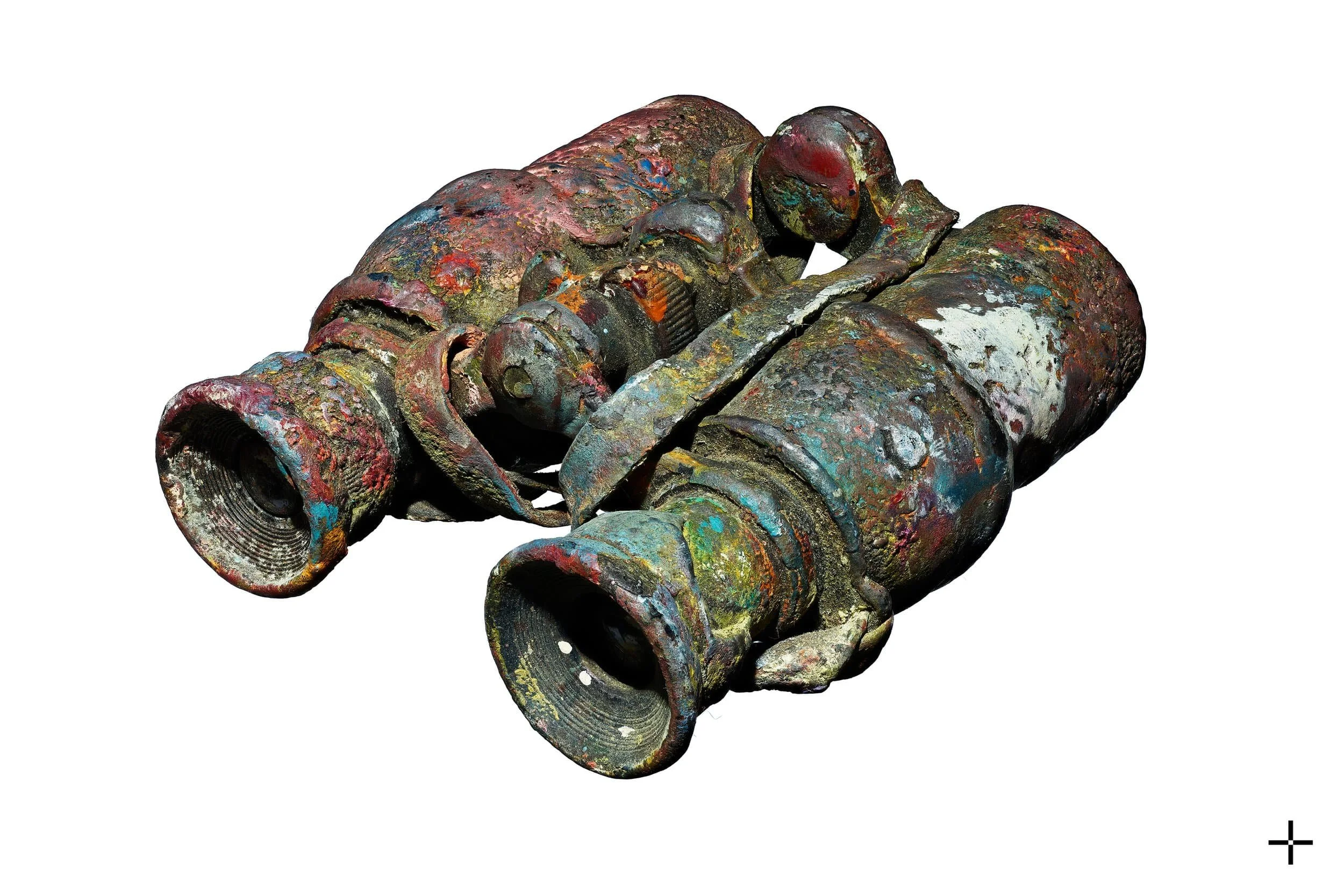
Sidney Nolan’s binoculars, used backwards to take in his huge canvases in one go.
-
-
“Painting is an extension of man's means of communication. As such, it's pure, difficult, and wonderful.”
Sidney Nolan.
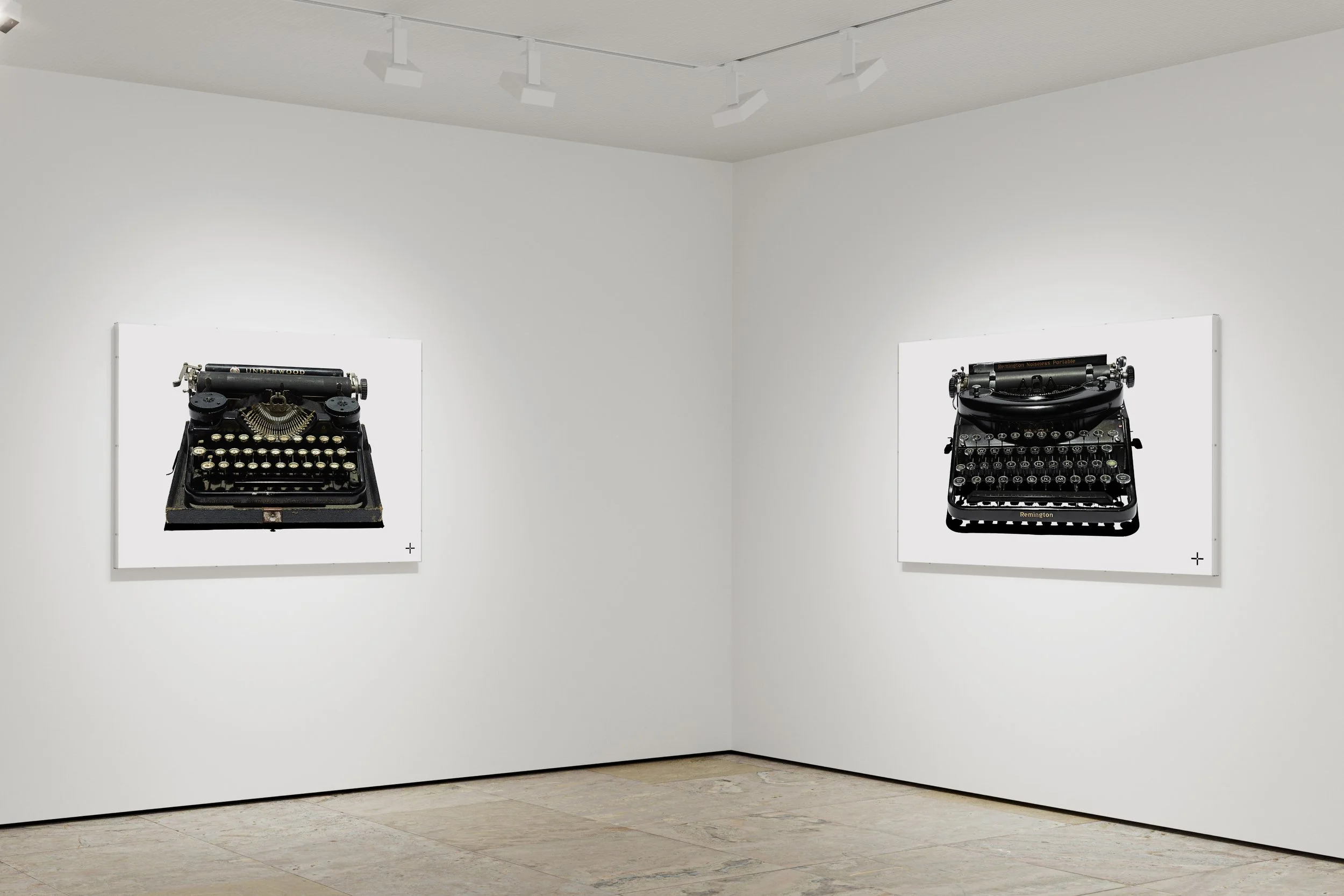
The typewriter that Ernest Hemingway typed “The Old Man and the Sea” on and that George Bernard Shaw typed “Pygmalion”.
George Bernard Shaw was awarded the Nobel Prize for Literature in 1925, and Ernest Hemingway in 1954.
60”x40” limited edition prints.
-
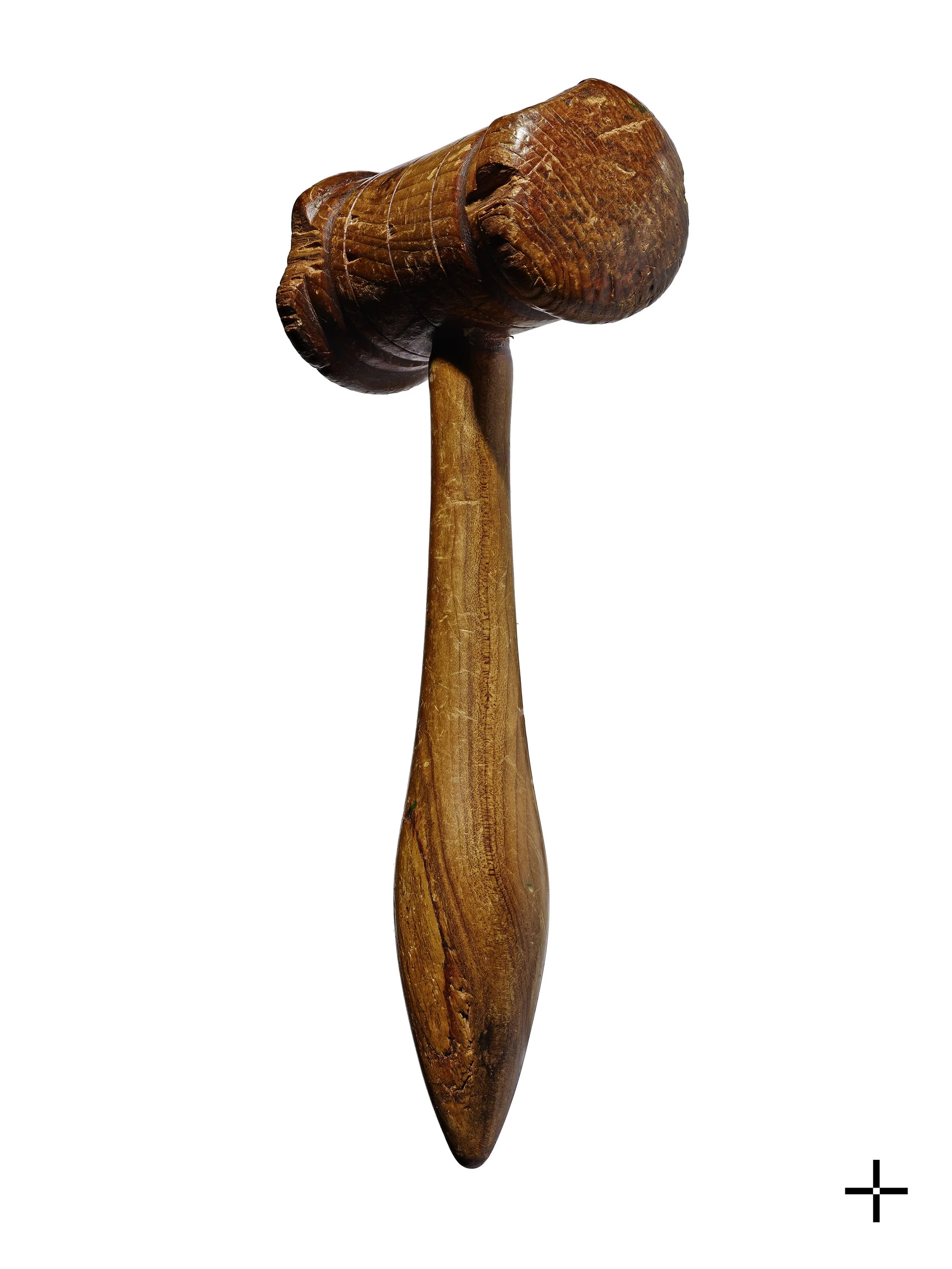
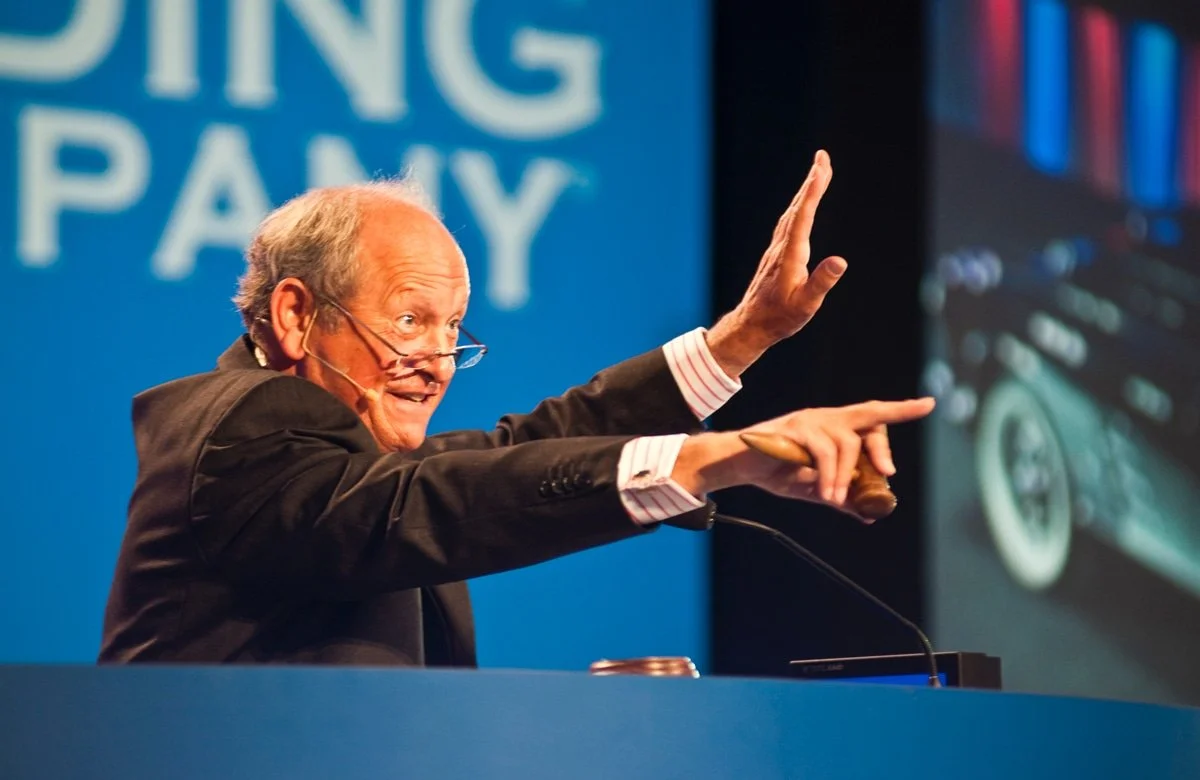
Auctioneer’s gavel belonging to Charlie Ross. Gifted to him in the 1970’s by his Mother-in-law, he has auctioned everything in his career from chickens to charities to the most expensive car ever sold at the time, taking the revenue it’s generated into the billions of dollars.
-
-
“Have gavel, will travel!”
Charlie Ross.
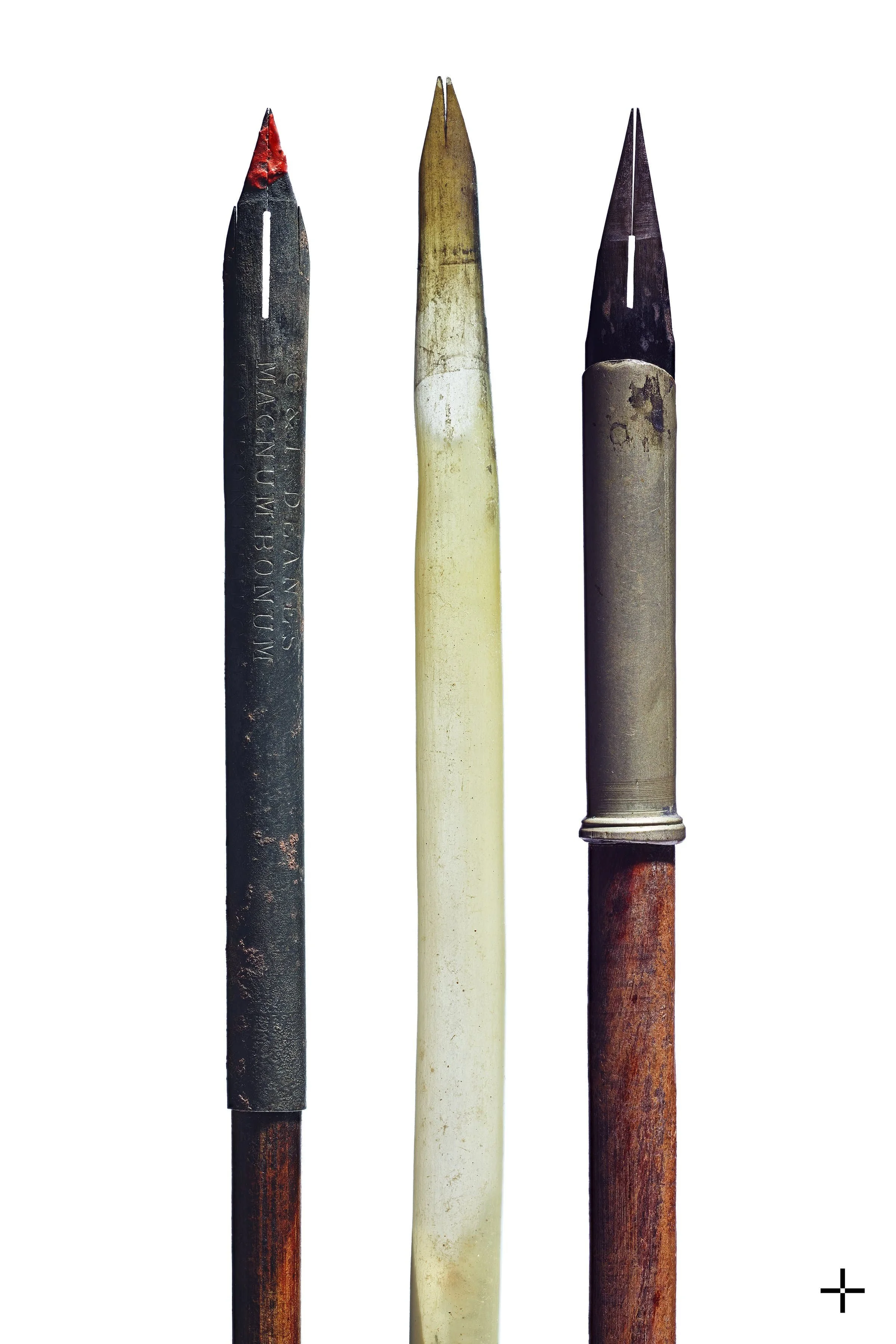
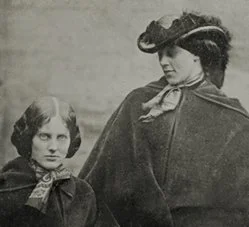
Quill and dip pens from the desks of Charlotte and Emily Brontë.
-
-
“I'm just going to write because I cannot help it.”
Charlotte Brontë.
“She burned too bright for this world.”
Emily Brontë.
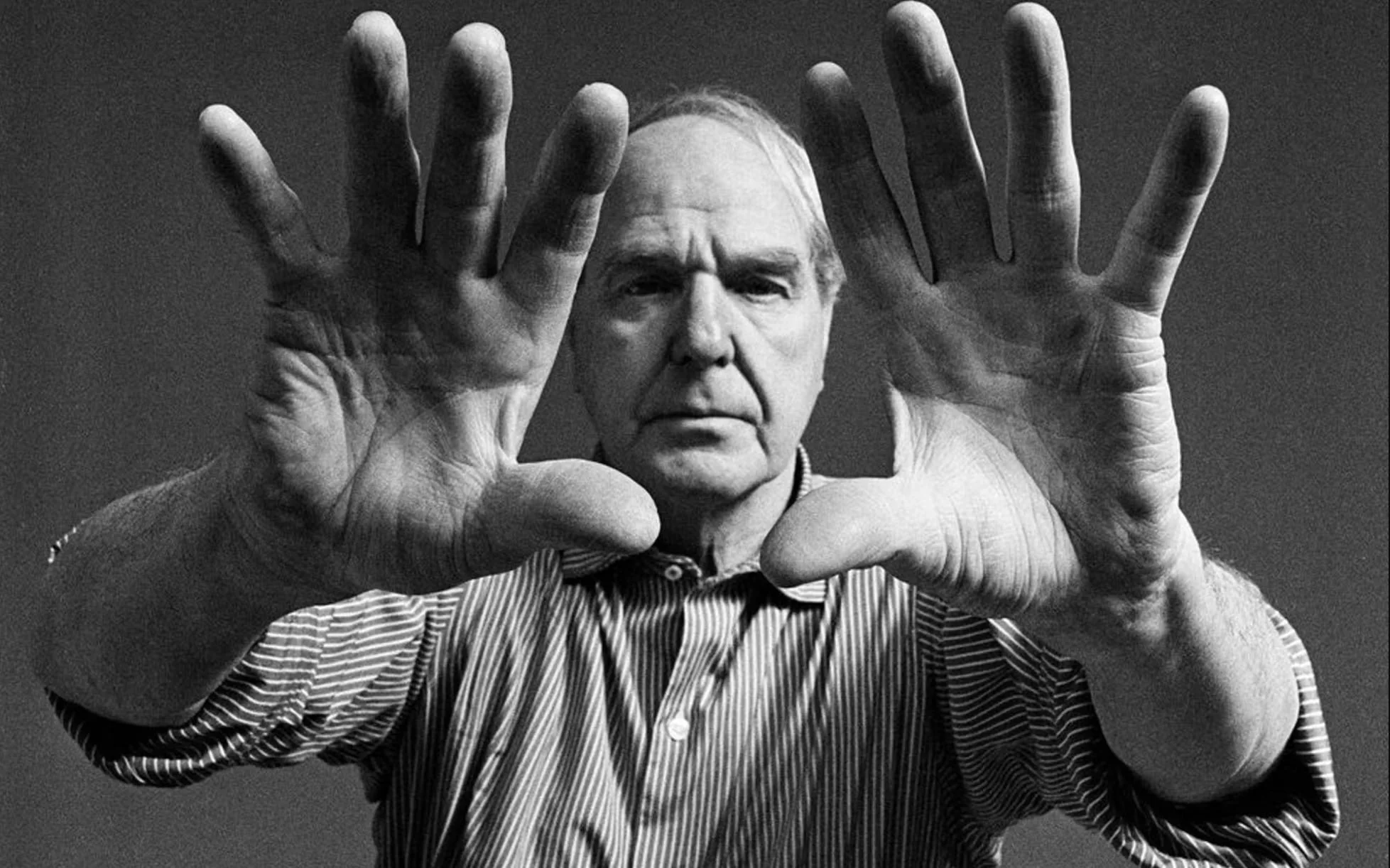
“The secret of life is to have a task, something you devote your entire life to, something you bring everything to, every minute of the day for the rest of your life. And the most important thing is, it must be something you cannot possibly do.”
Henry Moore.
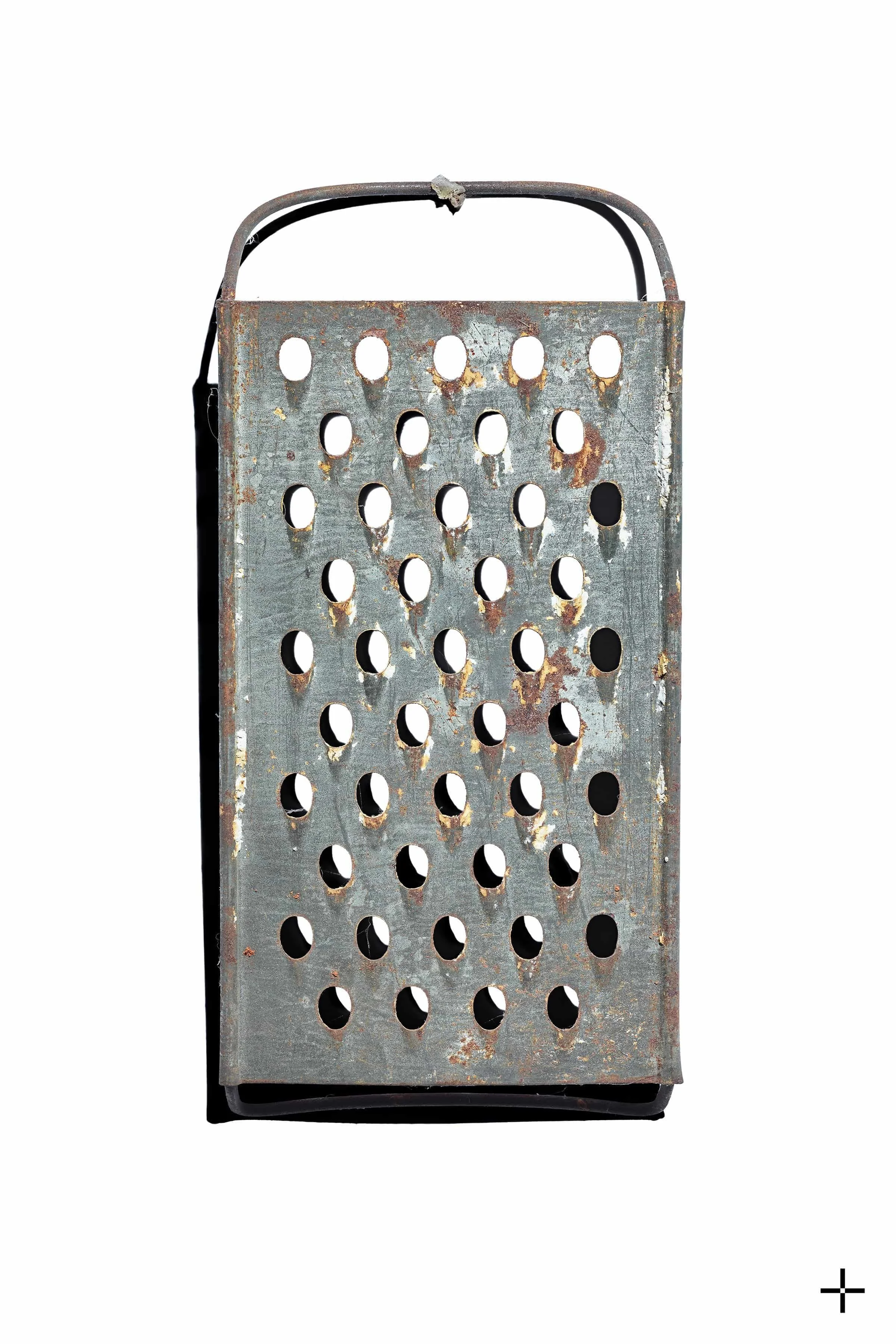
1950’s domestic cheese grater, used by Henry Moore to shape polystyrene maquettes for his larger works, and give texture to plaster works.
-
-
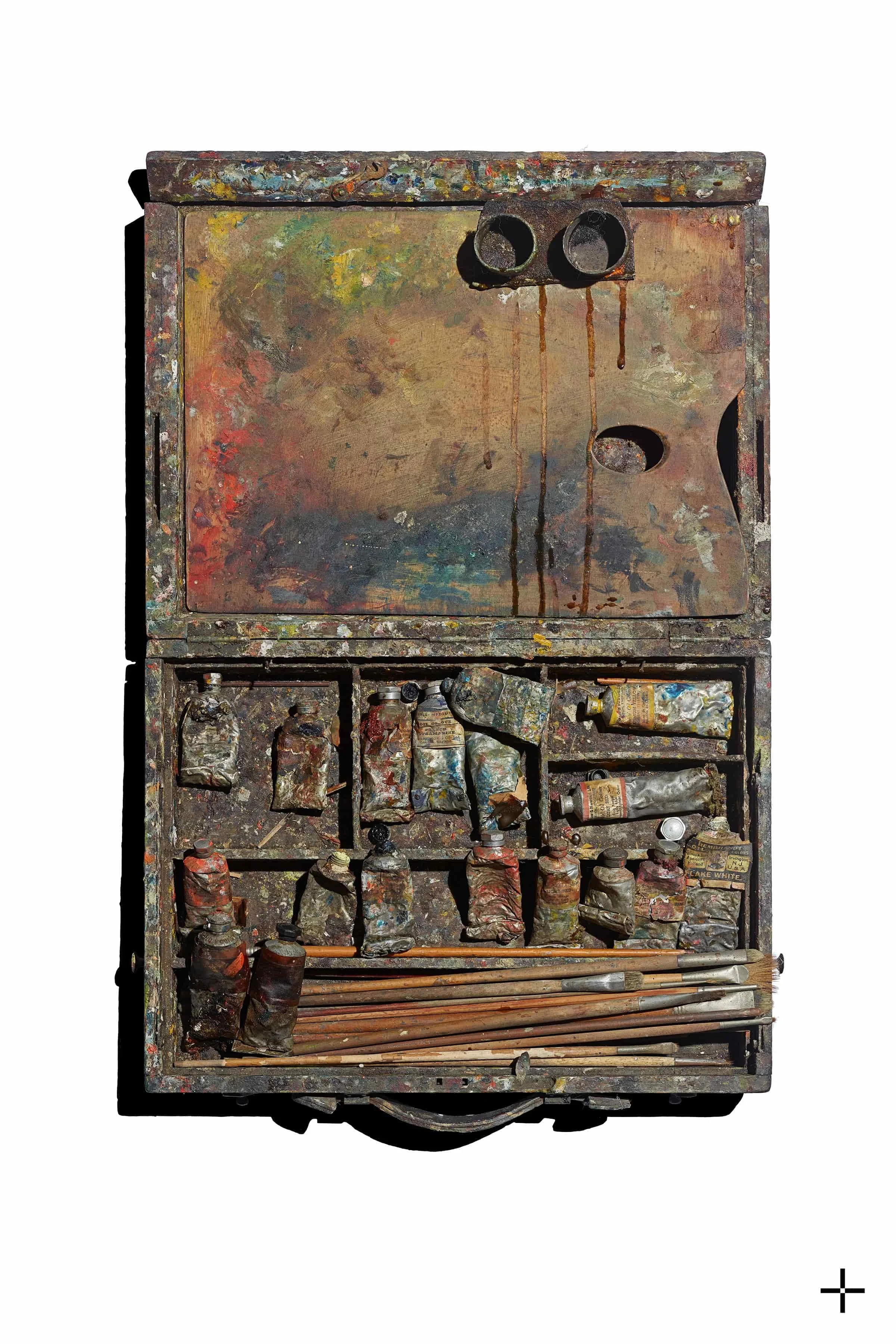
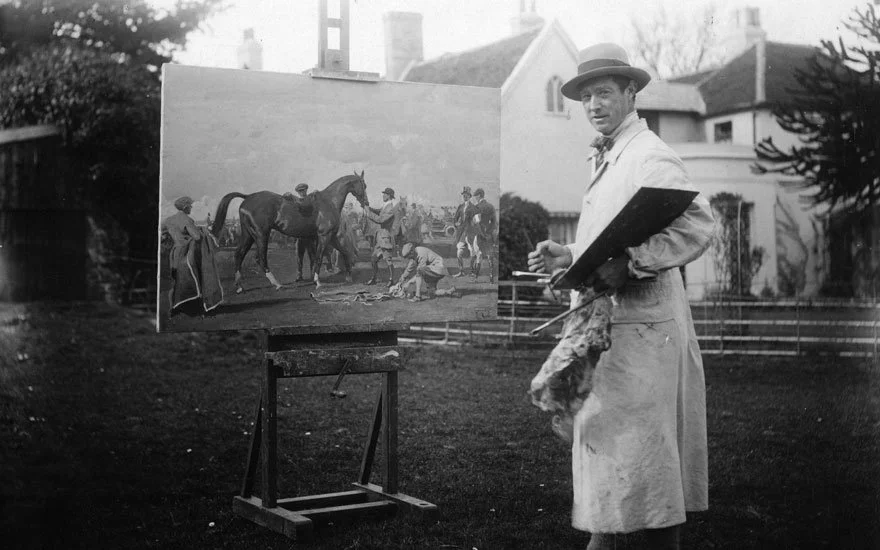
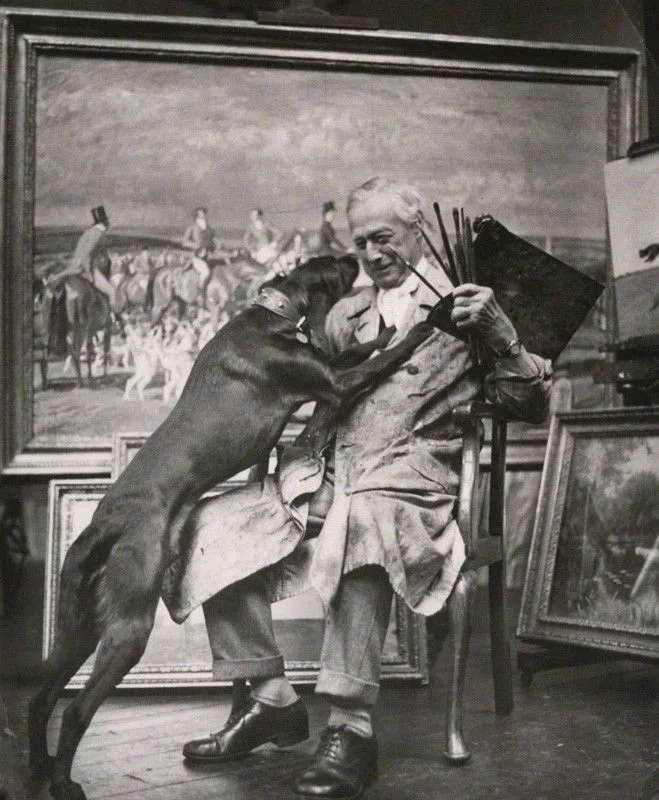
Alfred Munnings, paint and palette case for painting ‘en plein air’.
-
-
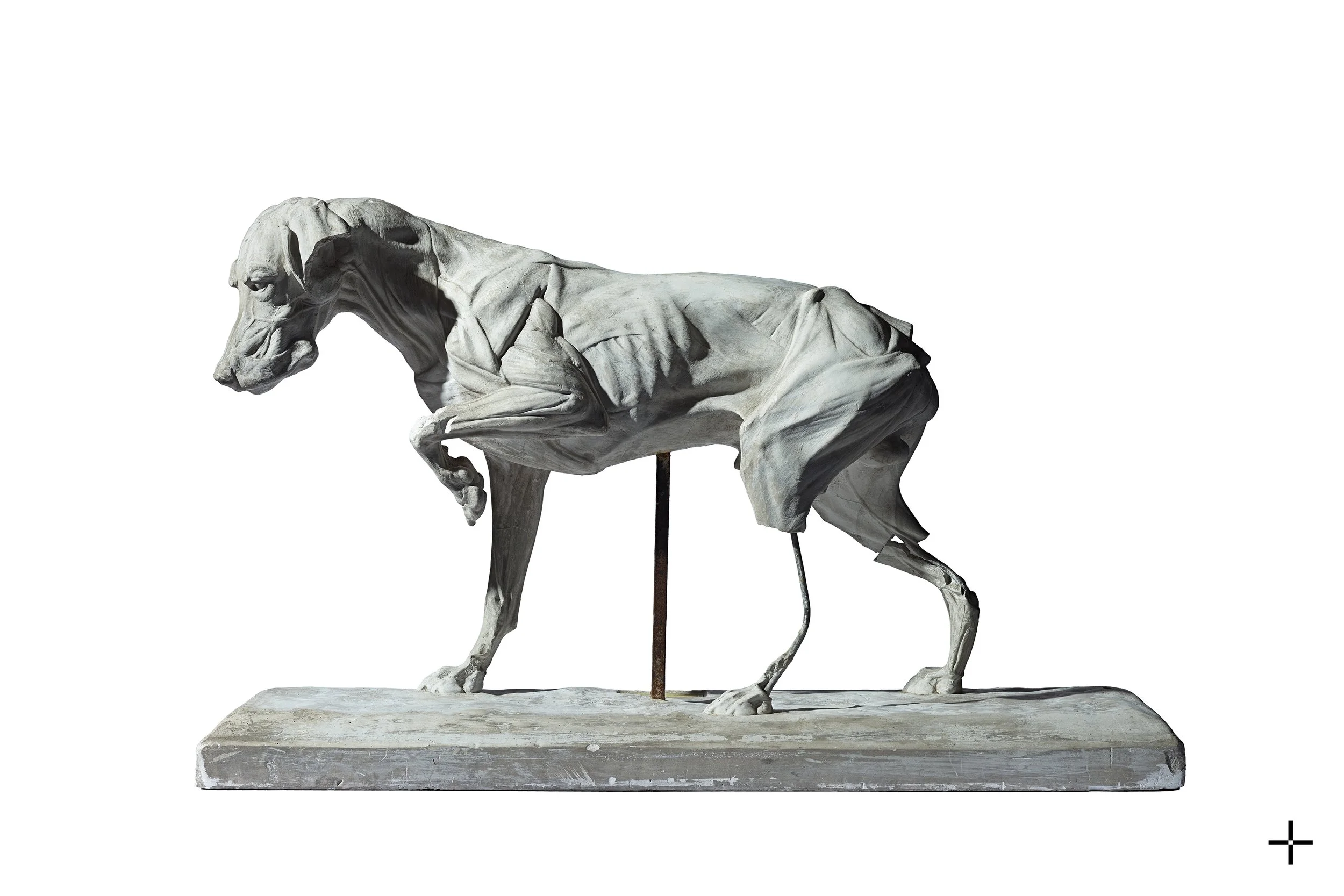
Alfred Munnings: Swiss plaster model of a pointer, purchased in Paris.
-
-
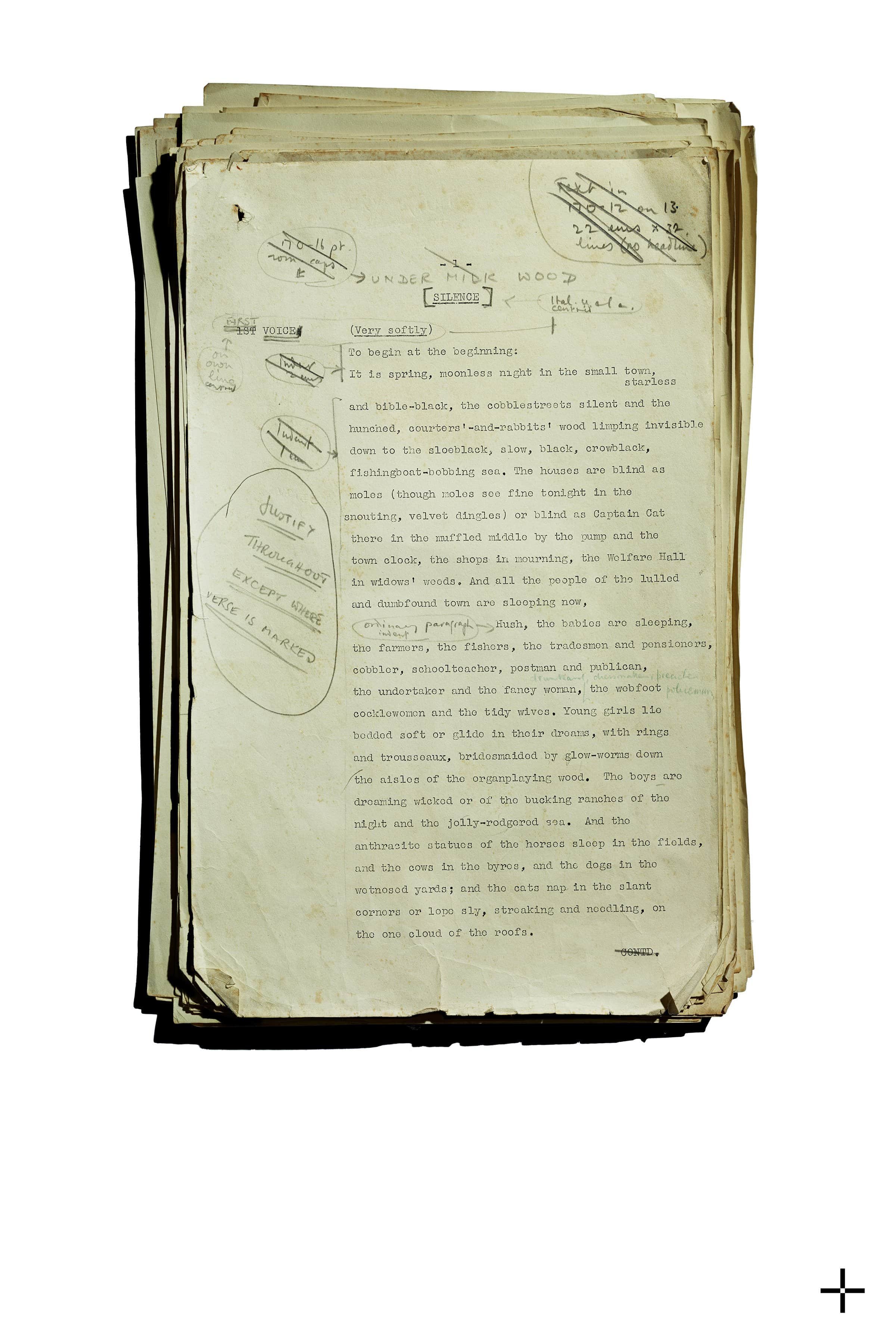
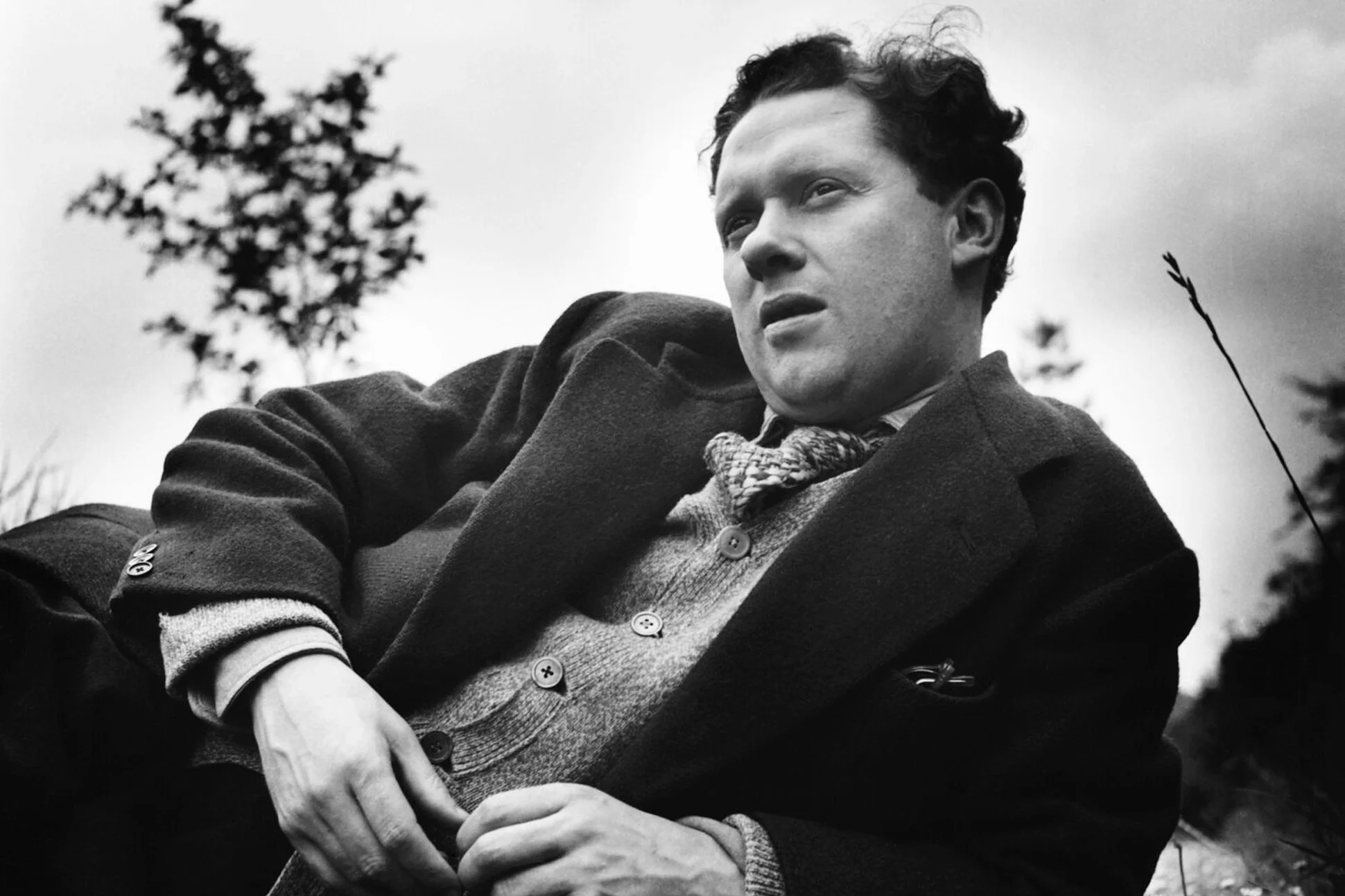
Hand annotated script for Dylan Thomas’ “Under Milk Wood”.
-
-
“Do not go gentle into that good night.
Rage, rage against the dying of the light.”
Dylan Thomas.
“It isn't what we say or think that defines us, but what we do.”
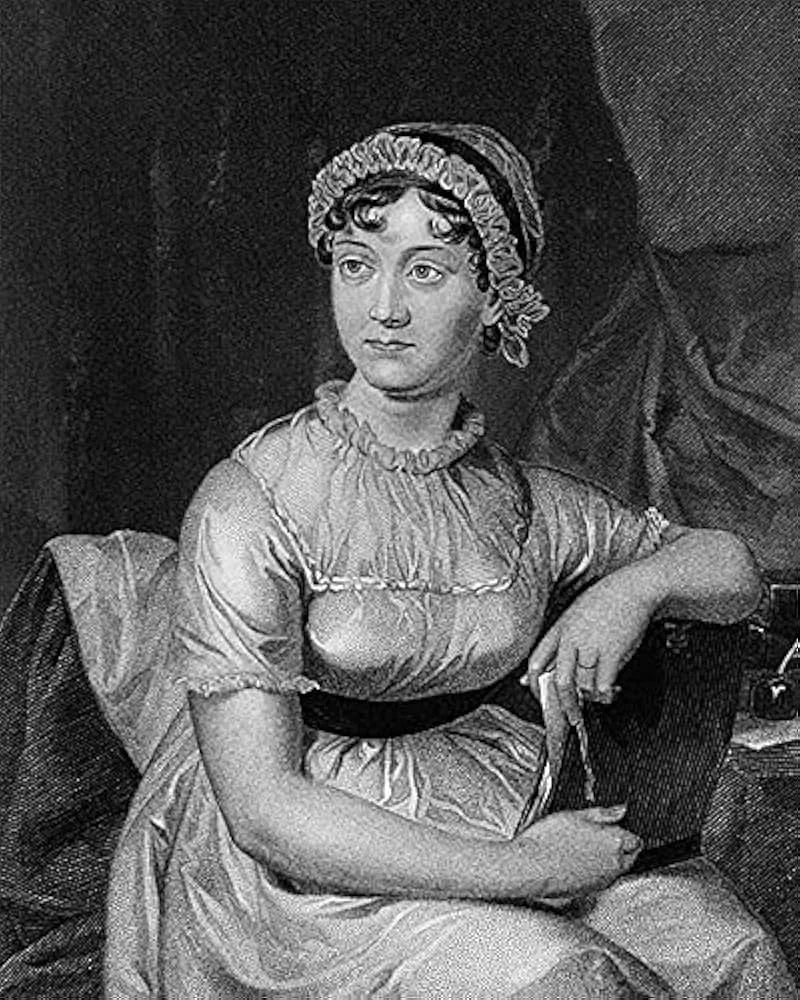
Jane Austen.
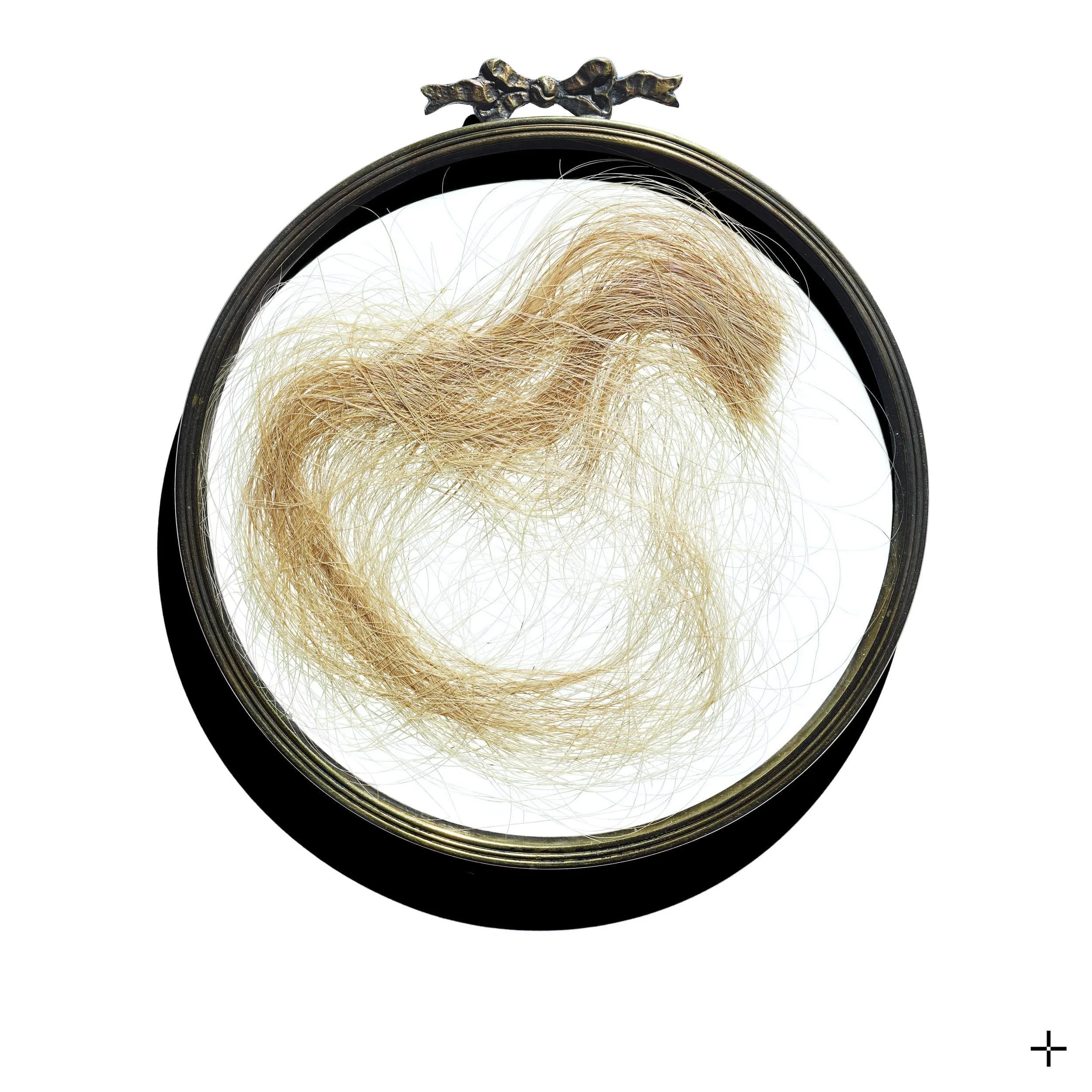
A lock of Jane Austen’s hair.
-
-
“There could have been no two hearts so open, no tastes so similar, no feelings so in unison.”
Jane Austen.
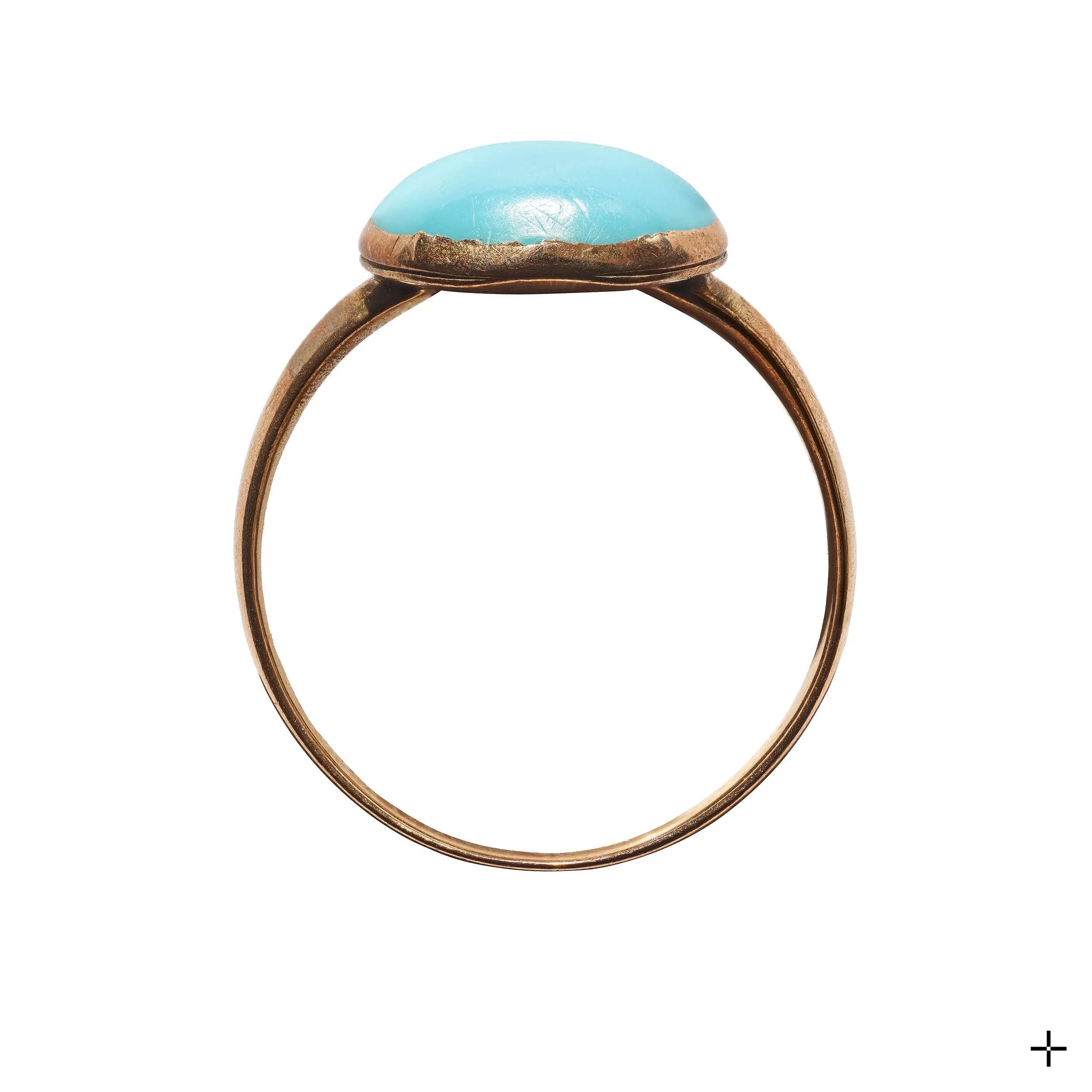
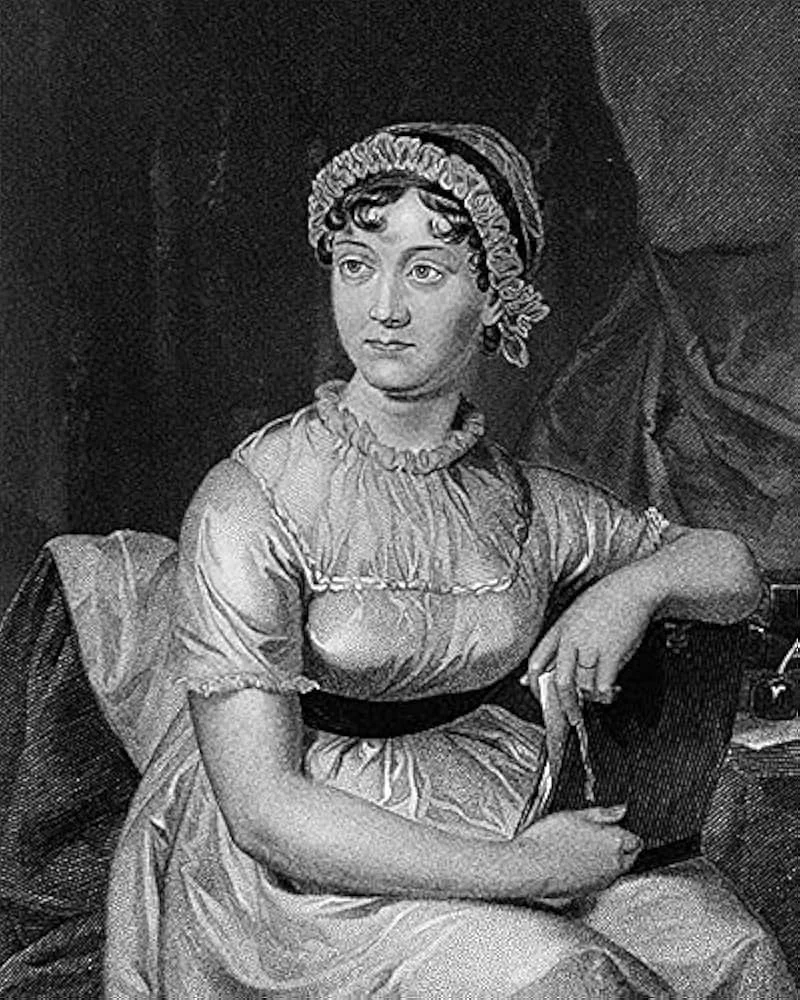
Jane Austen’s turquoise and gold ring.
-
-
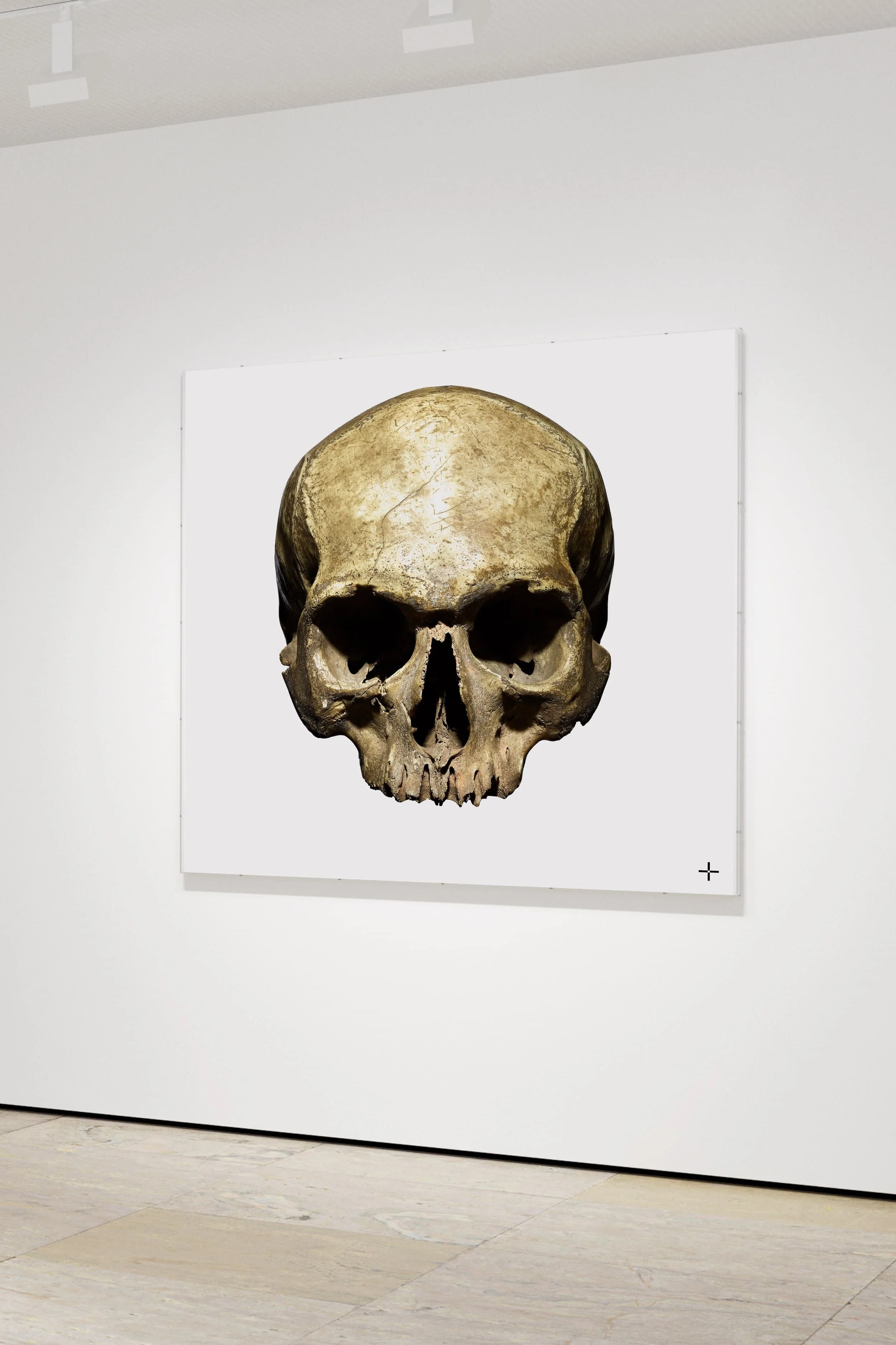
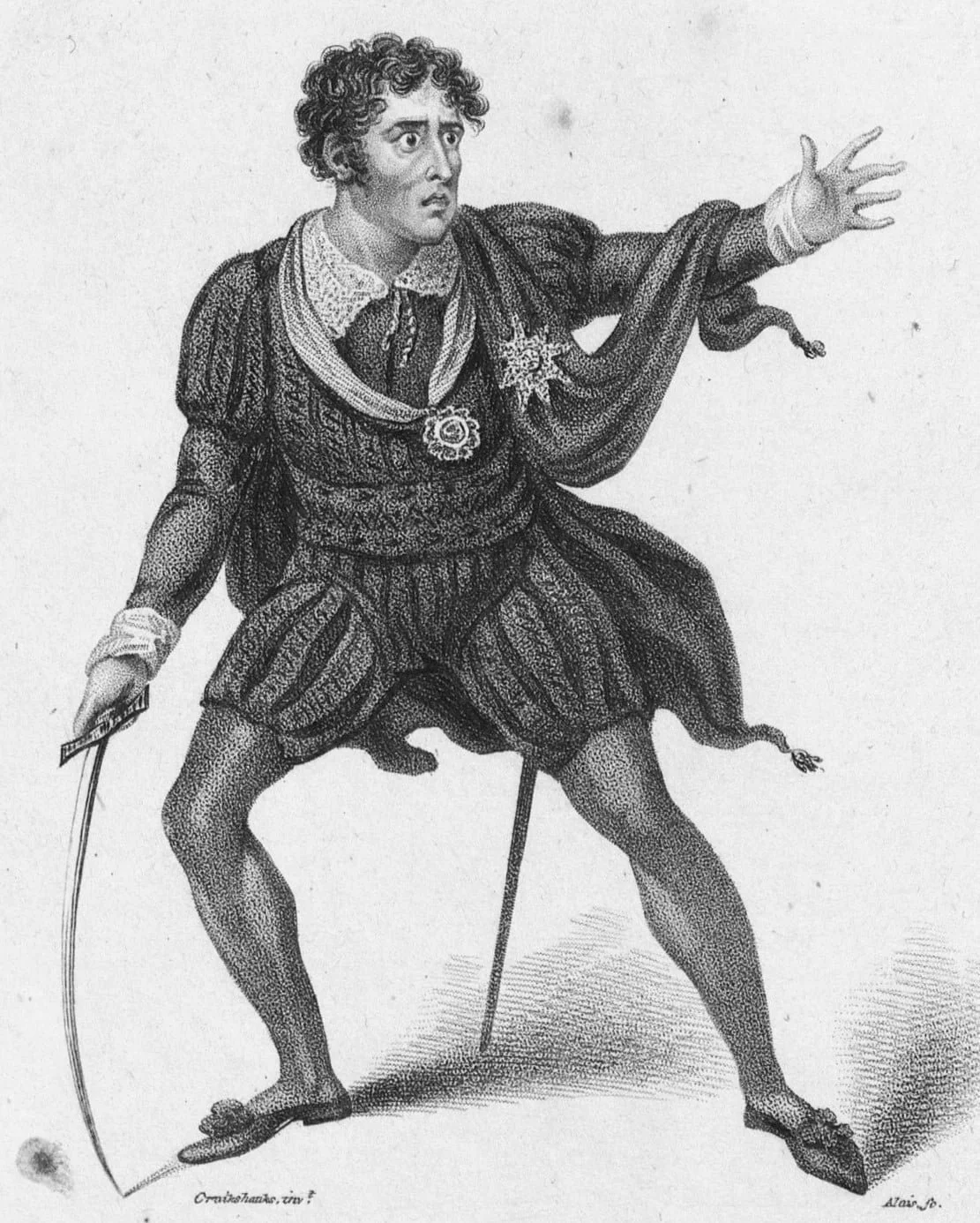
“Dying is Easy. Comedy is Hard.”
Edmund Kean, from his deathbed.
A human skull, used by Edmund Kean as Yorick, in his production of Hamlet around 1814.
-
-
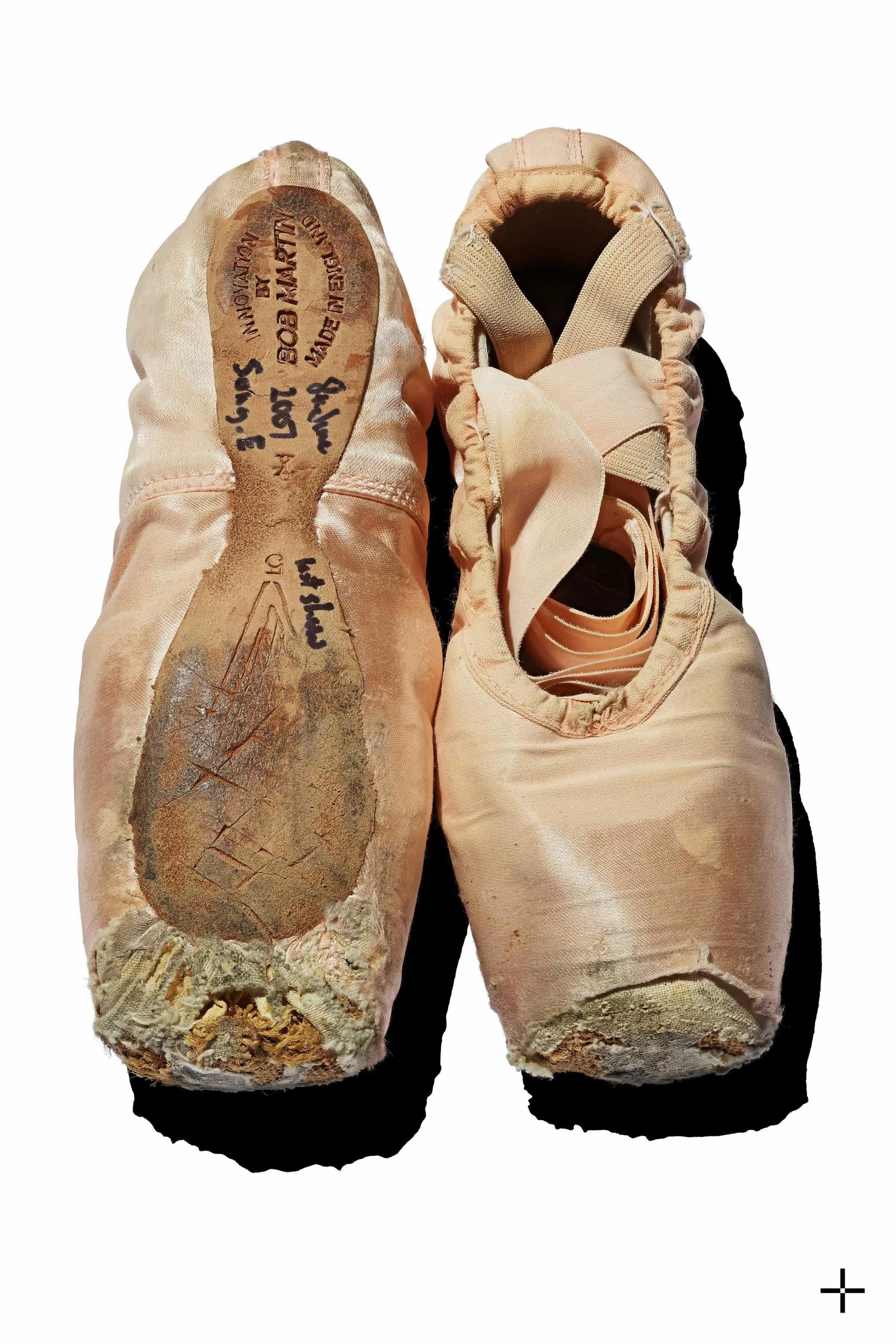
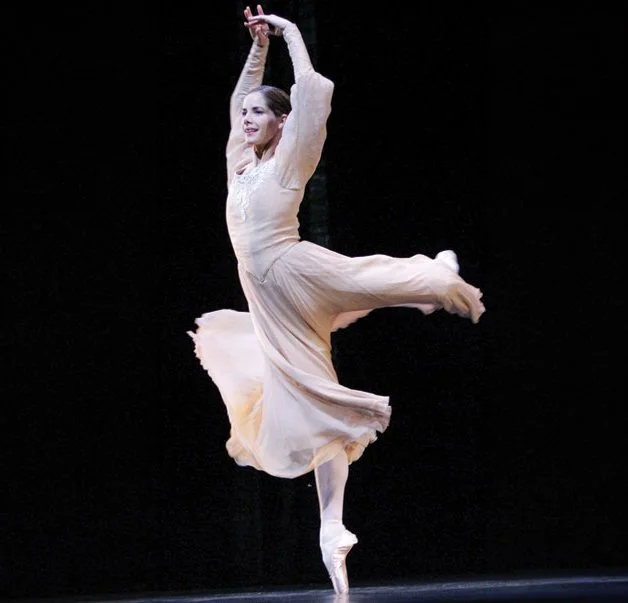
The last pointe shoes used by Dame Darcey Bussell on The Royal Opera House stage, in Song of the Earth, 2017.
-
-
“If you have enough ambition, you can create talent.”
Darcey Bussell.
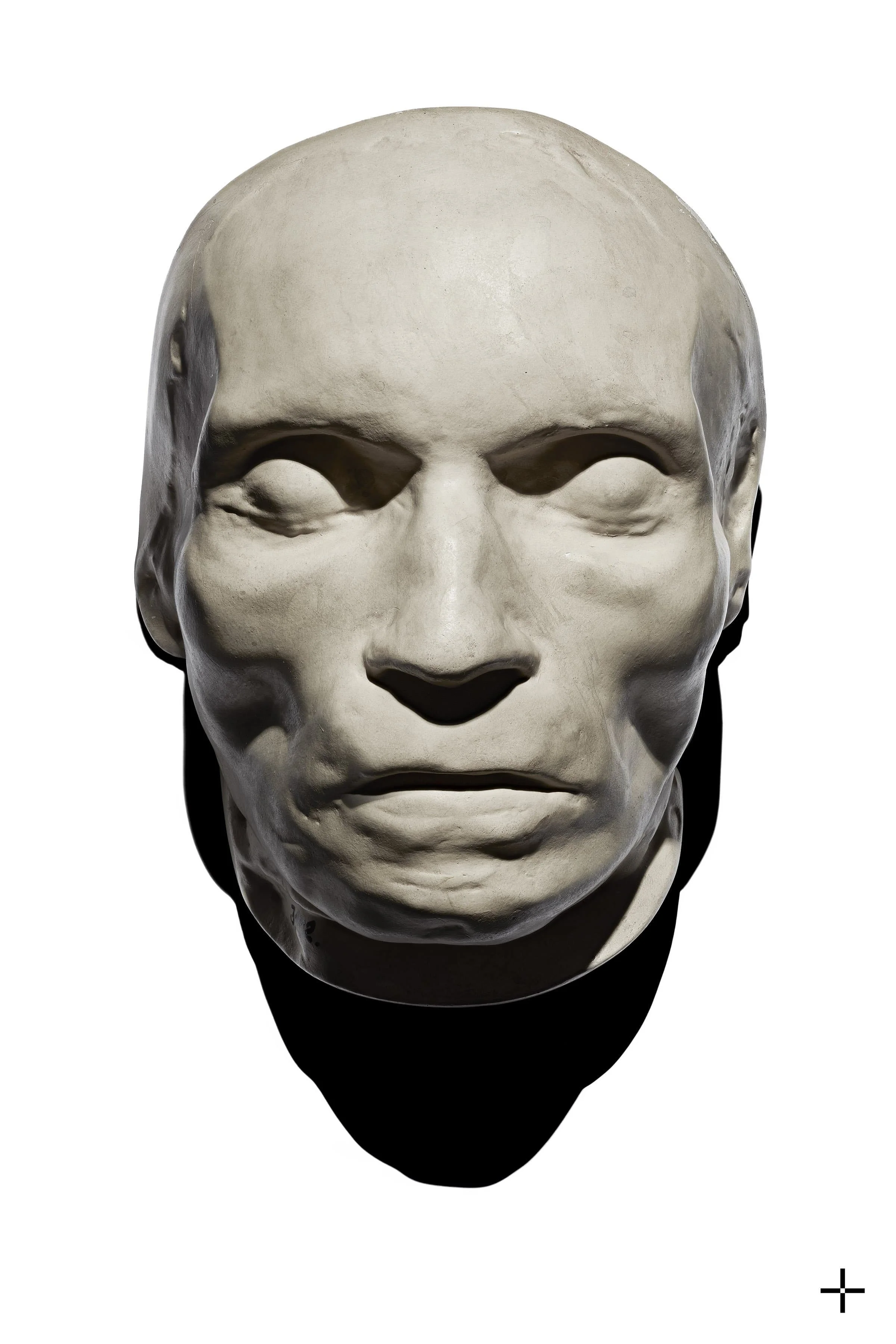
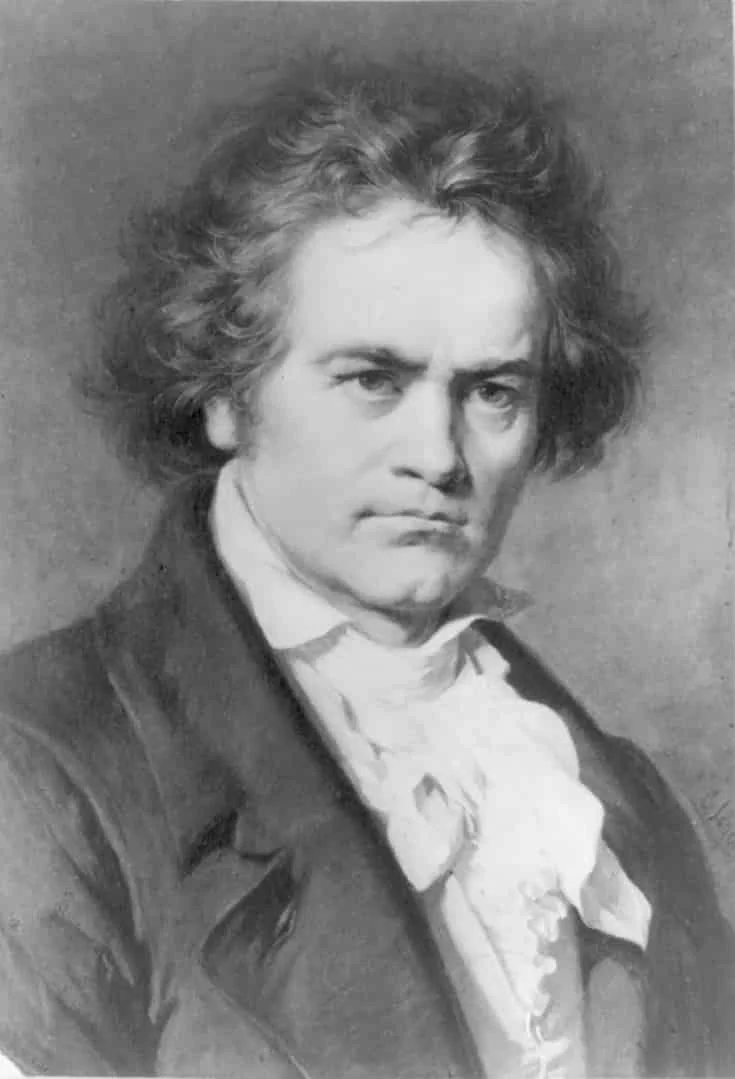
Ludwig van Beethoven, life mask.
-
-
“I will seize fate by the throat; it shall certainly never wholly overcome me.”
Ludwig van Beethoven.
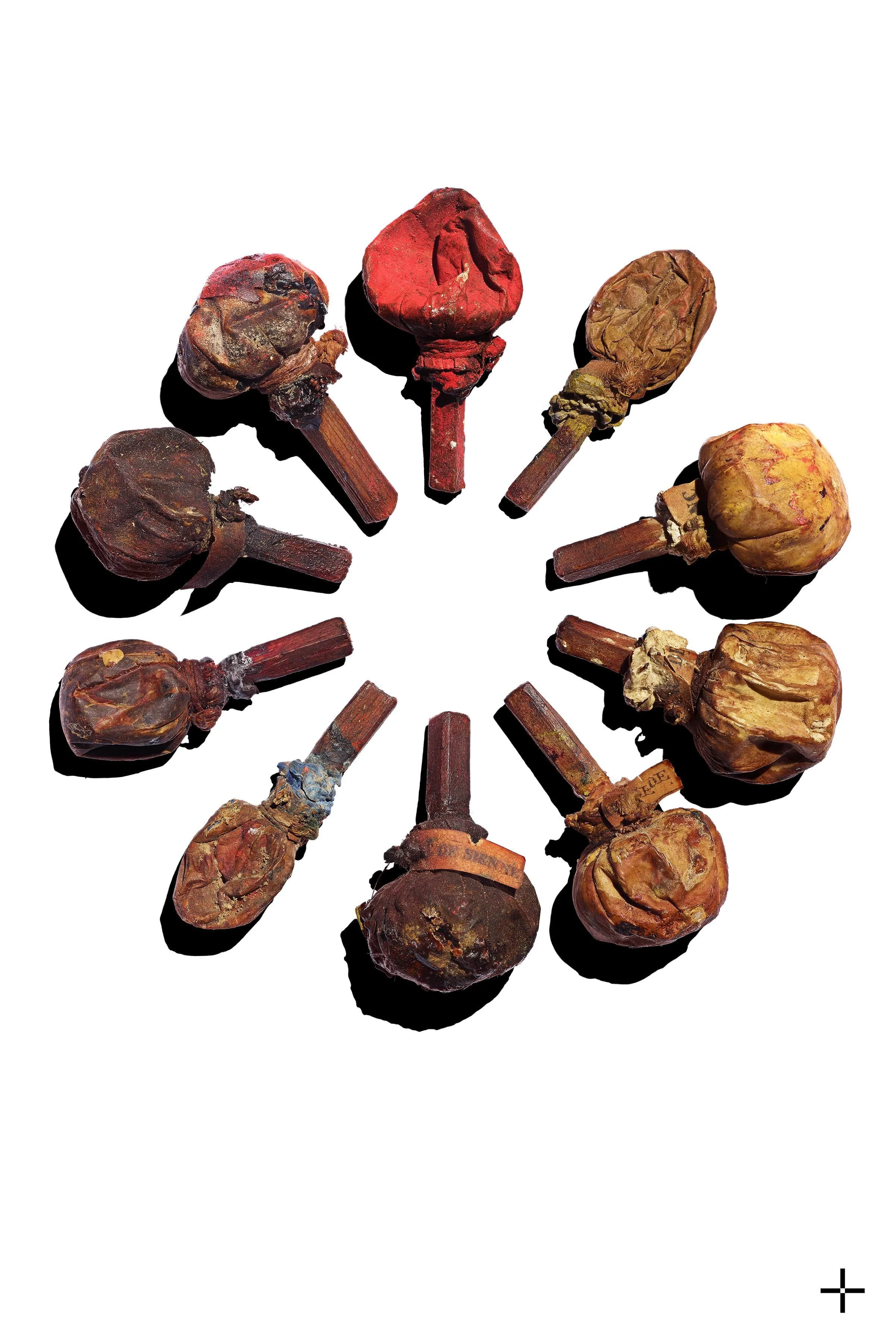
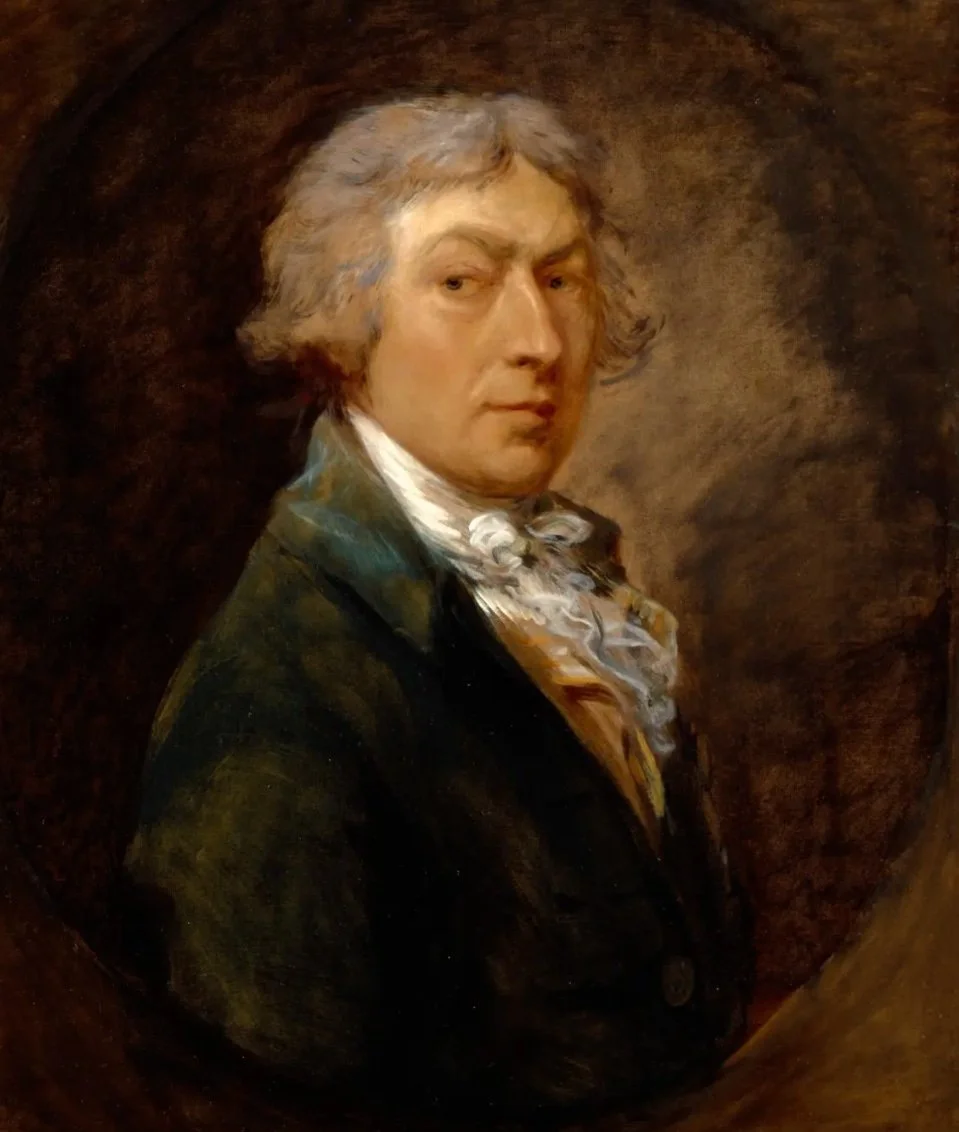
Paint blisters belonging to Thomas Gainsborough.
-
-
“I wish you would recollect that Painting and Punctuality mix like Oil and Vinegar, and that Genius and regularity are utter Enemies and must be to the end of time.”
Thomas Gainsborough.
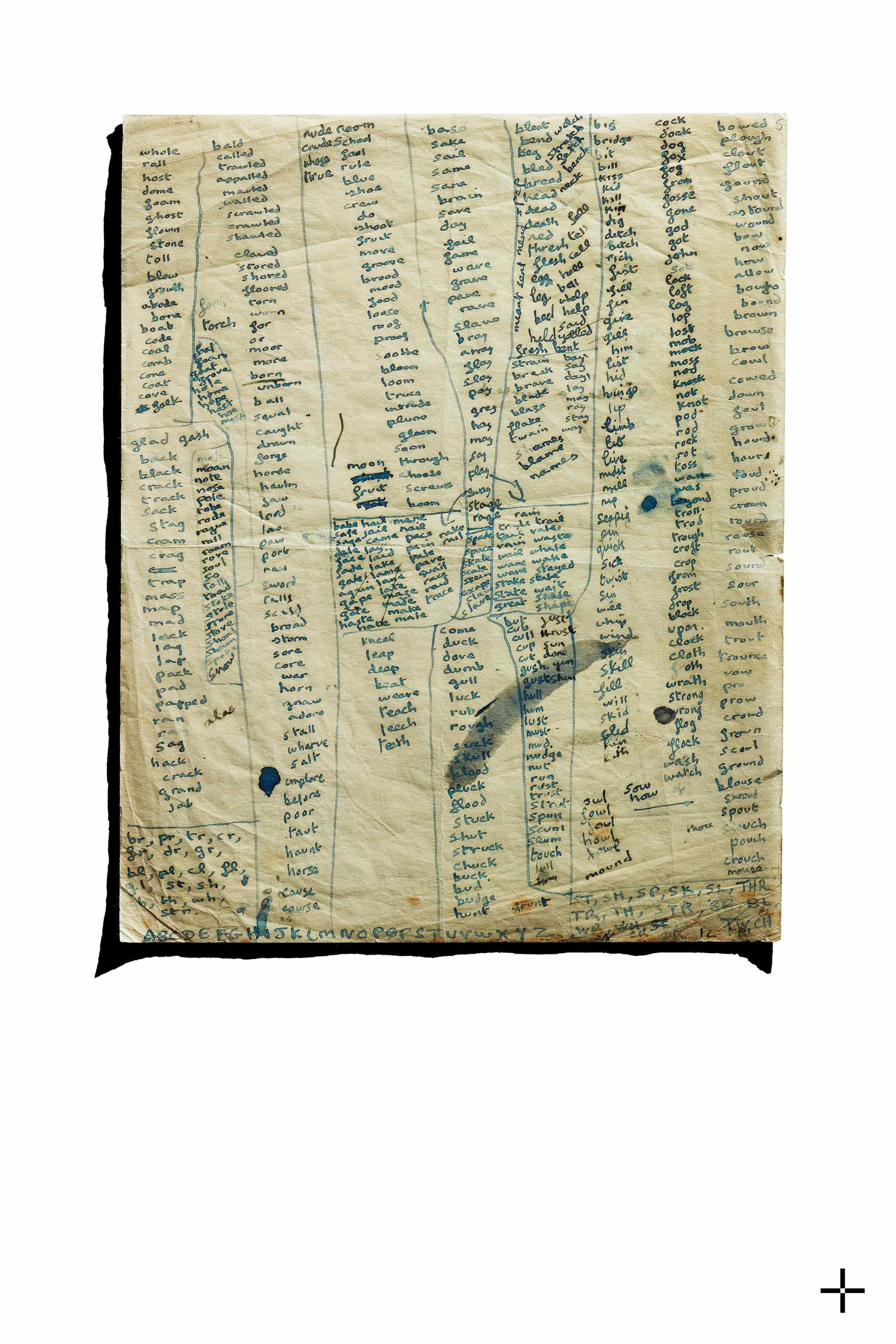
Dylan Thomas meticulously constructed poems using handwritten word lists, selecting intense, rhythmic, and visceral vocabulary often organised by rhyme or assonance.
-
-
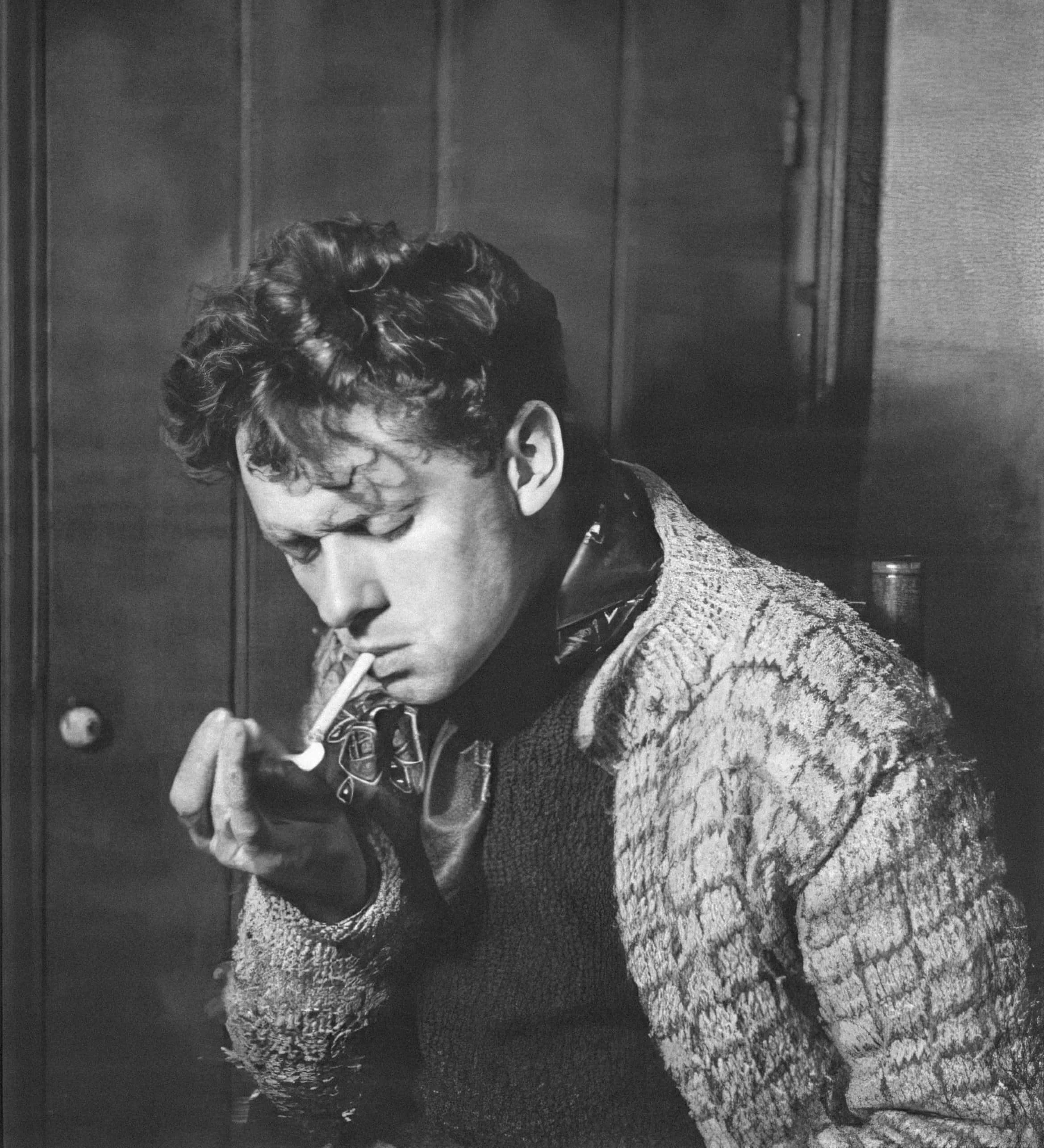
“When one burns one's bridges, what a very nice fire it makes.”
Dylan Thomas.
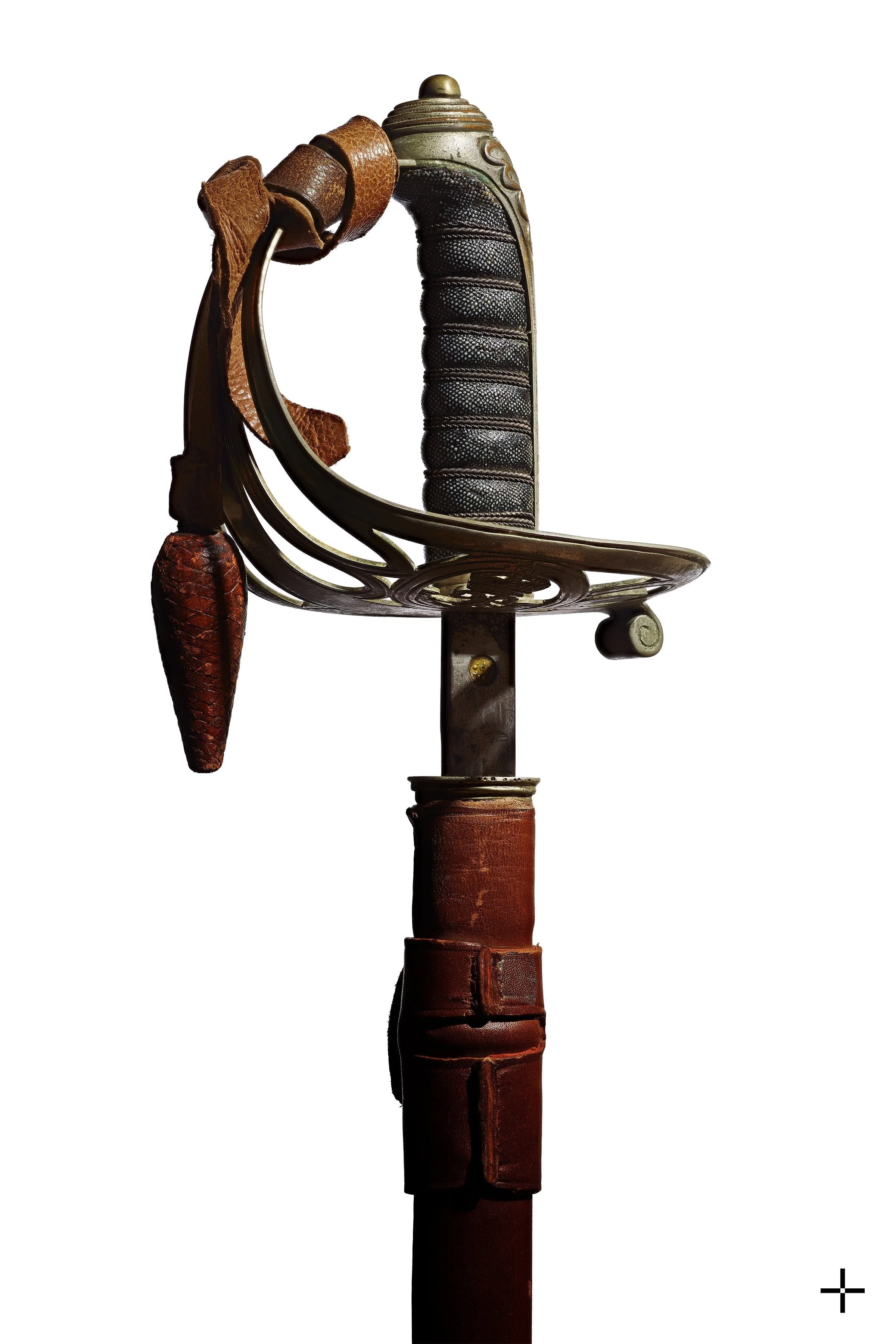
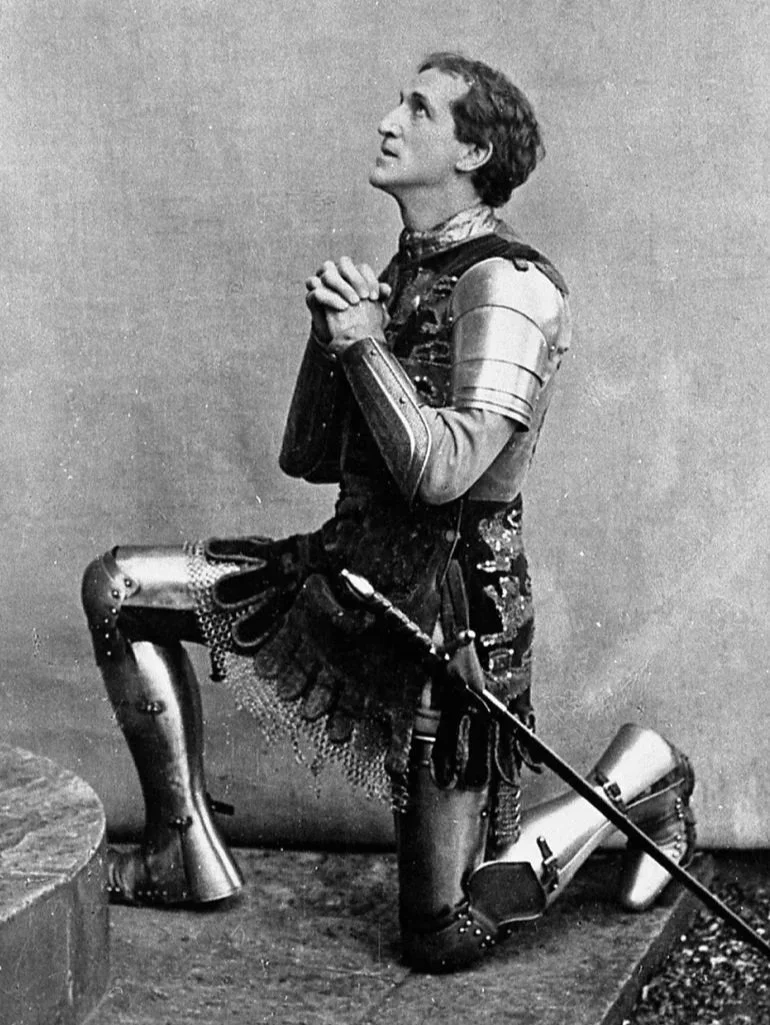
The sword used by King George V to knight the actor Frank Benson in 1916 in the Royal Box in the Drury Lane Theatre. His Shakespearean company and for establishing the Stratford-upon-Avon Shakespeare Festival, paved the way for the Royal Shakespeare Company.
-
-
"Wanted, good fast bowler; willing to play Hamlet."
Telegram from legendary sport mad actor and manager, Frank Benson to his manager.
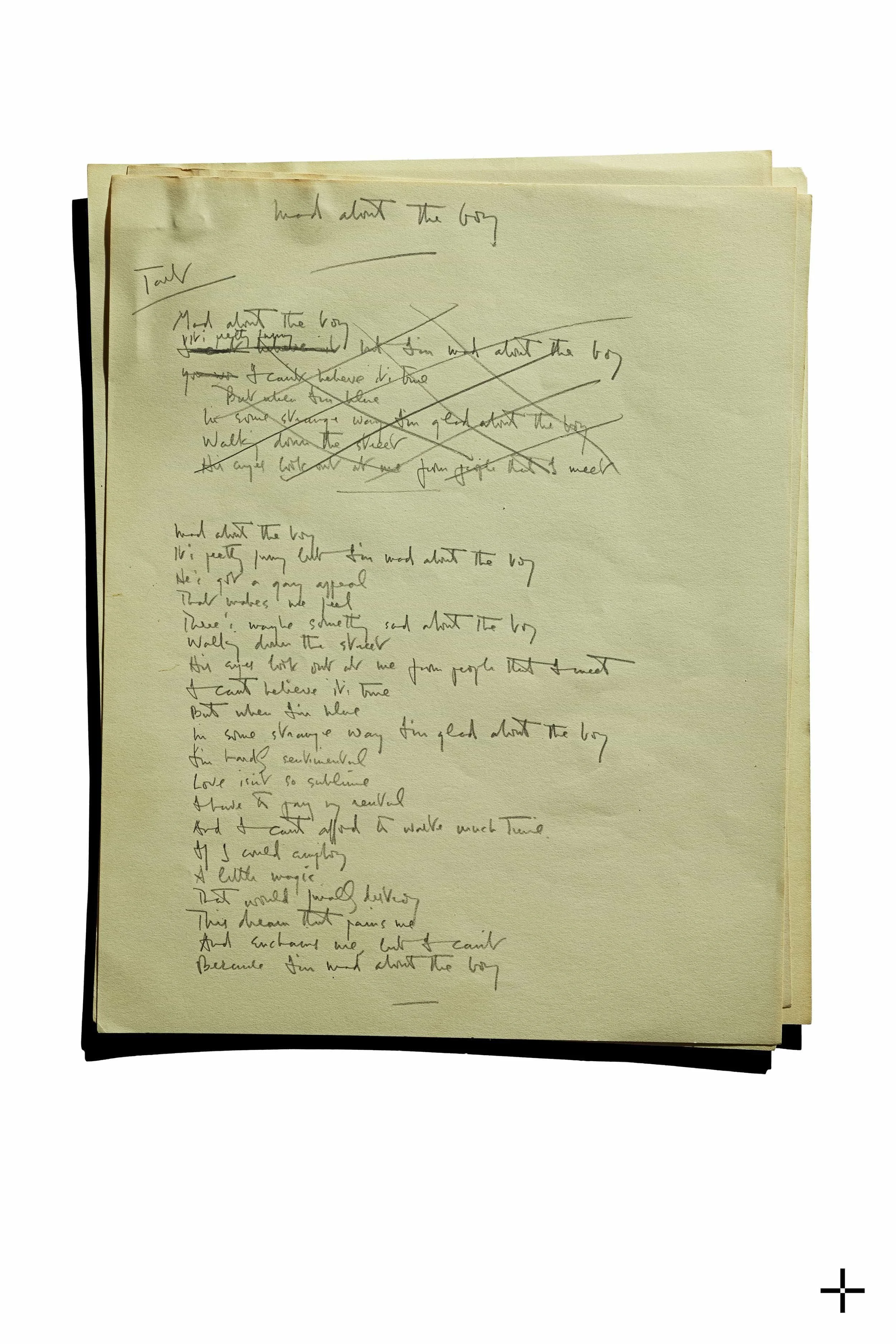
Noël Coward’s hand written lyrics to “Mad About the Boy”.
-
-
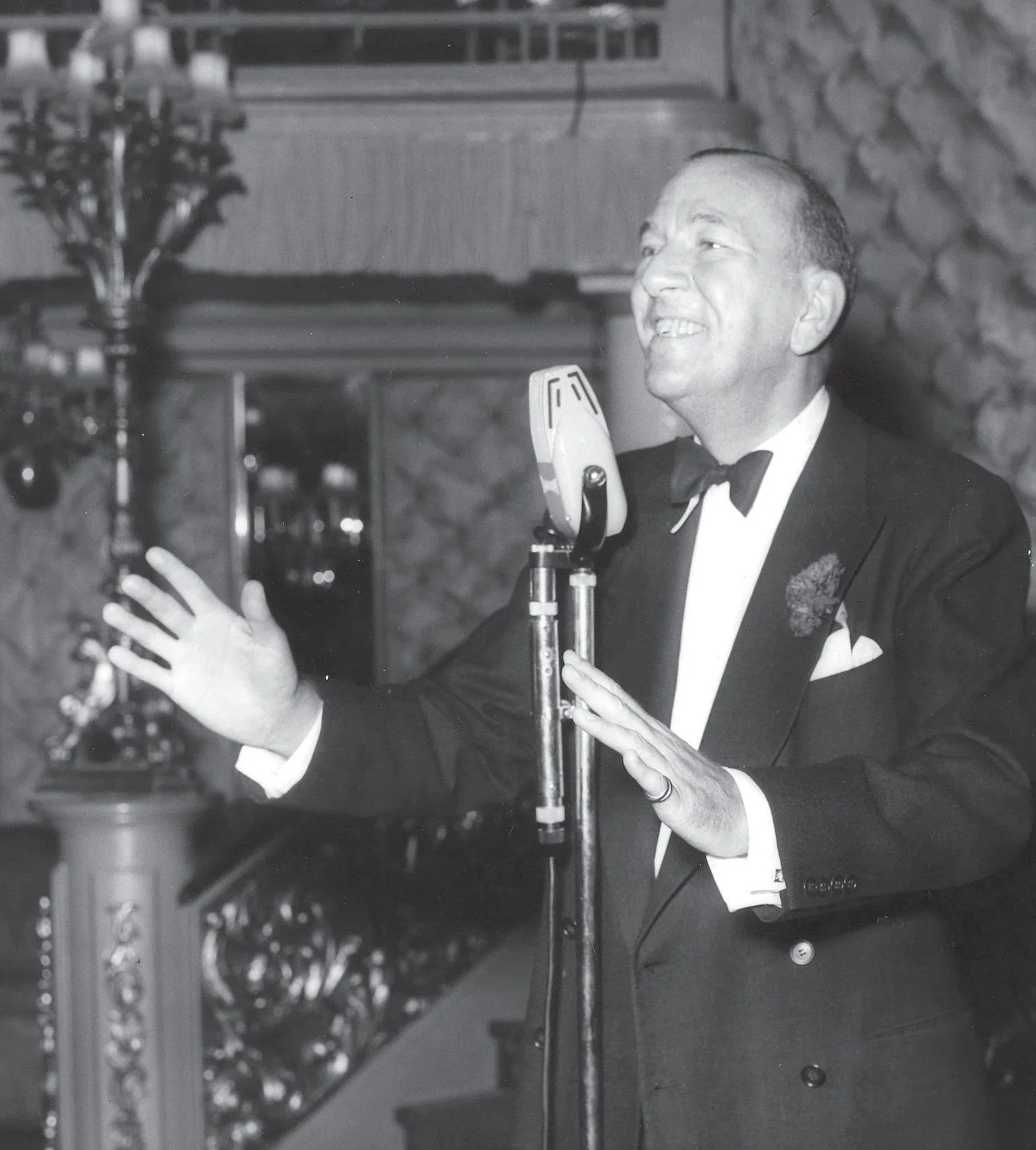
“Wit ought to be a glorious treat like caviar; never spread it about like marmalade.”
Noël Coward.
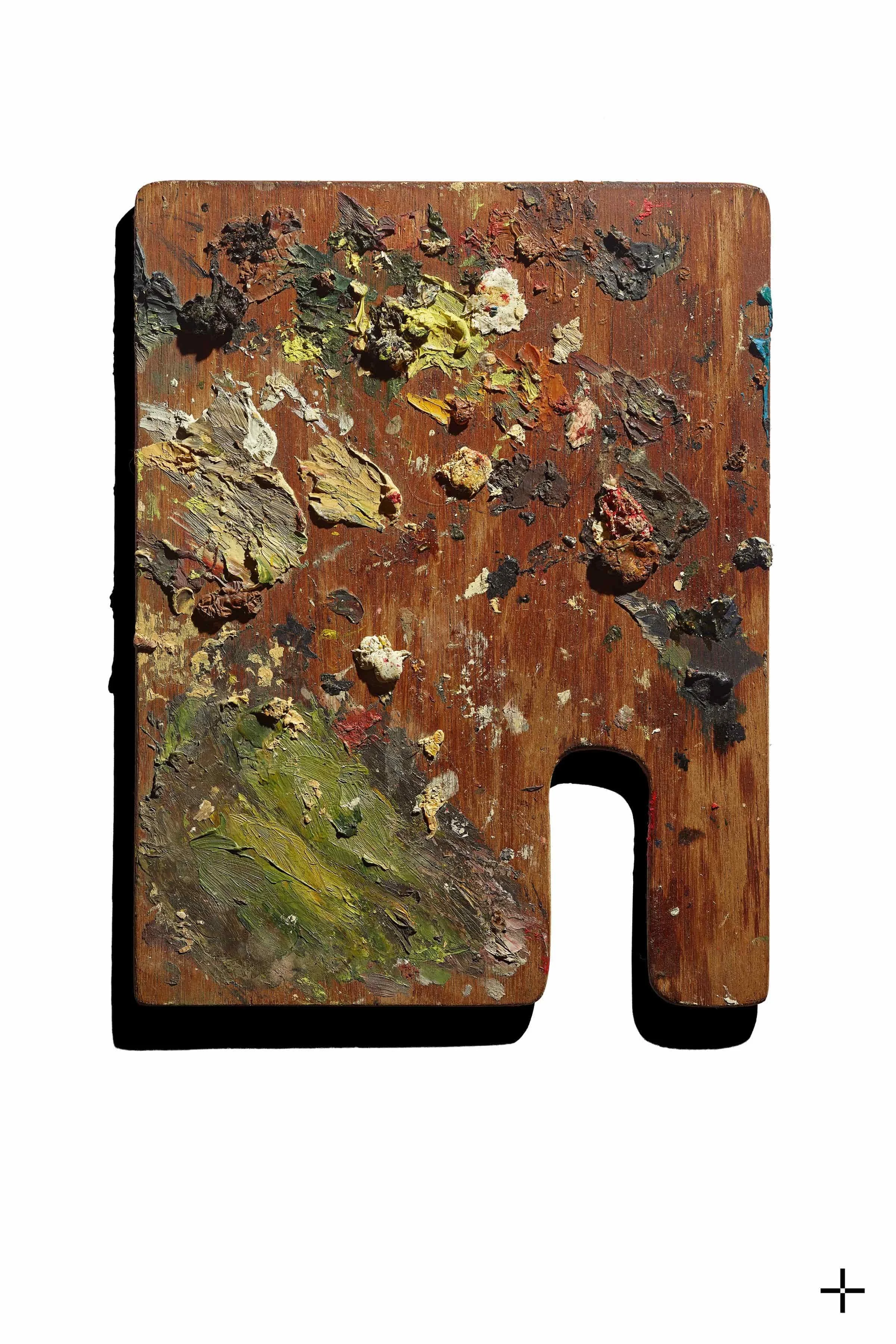
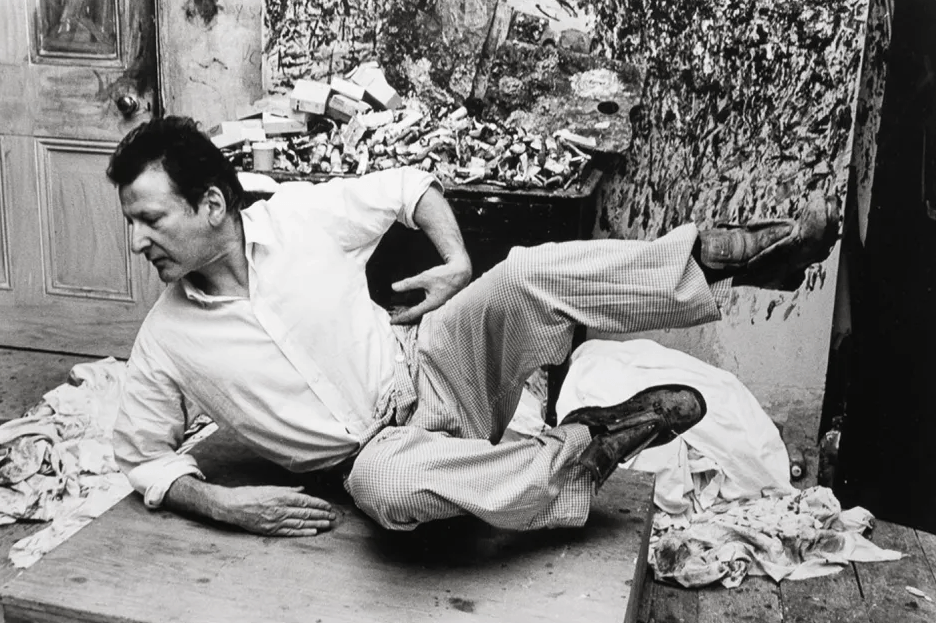
Lucian Freud, palette from the creation of “After Chardin” for the National Gallery in 2000.
-
-
“A moment of complete happiness never occurs in the creation of a work of art. The promise of it is felt in the act of creation, but disappears towards the completion of the work. For it is then the painter realises that it is only a picture he is painting. Until then he had almost dared to hope the picture might spring to life.”
Lucian Freud.
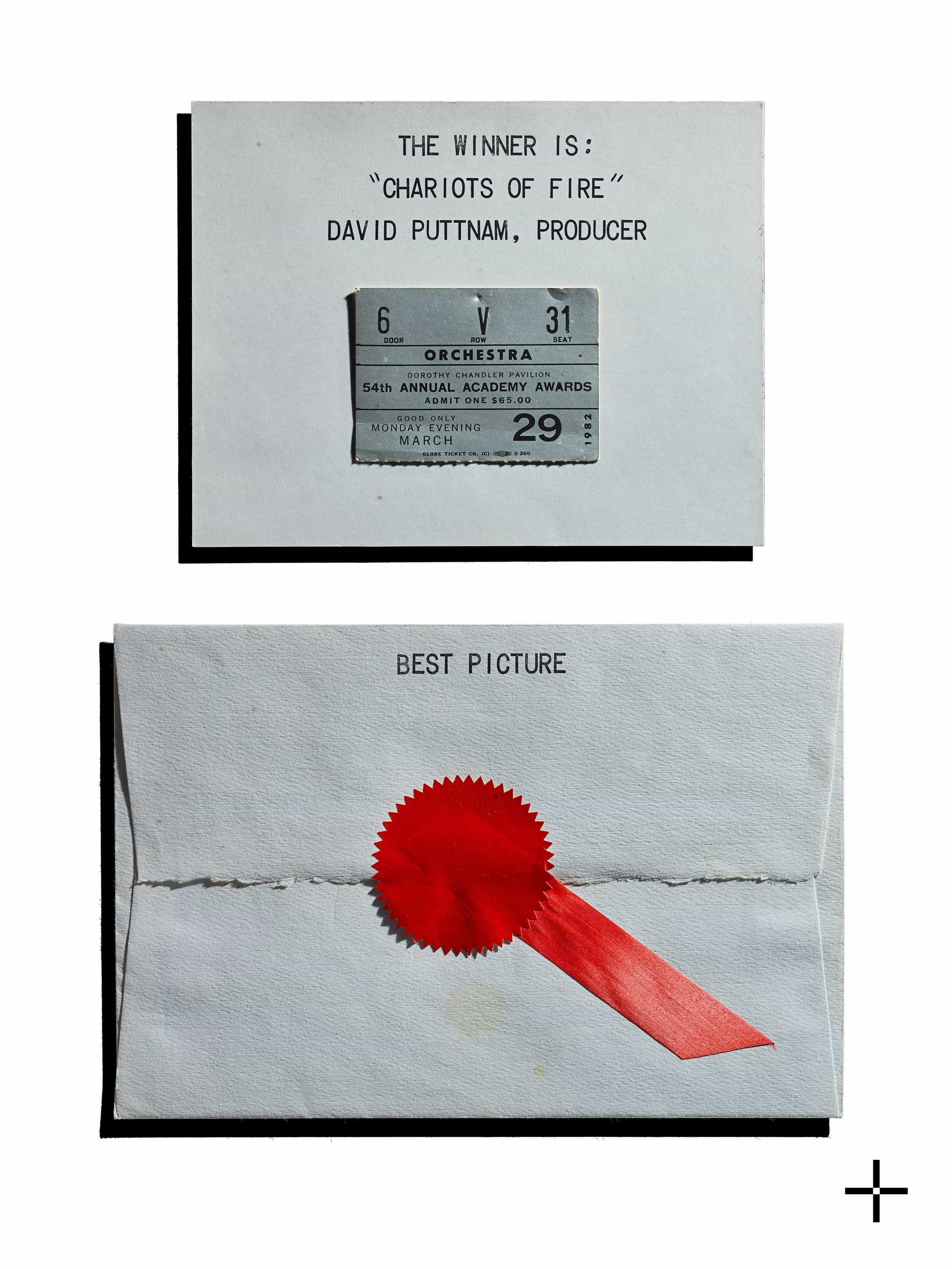
David Puttnam’s Best Picture Oscar award envelope and ceremony ticket for “Chariots of Fire”.
-
-
“I'm not afraid to fail, providing I fail honourably.”
David Puttnam.
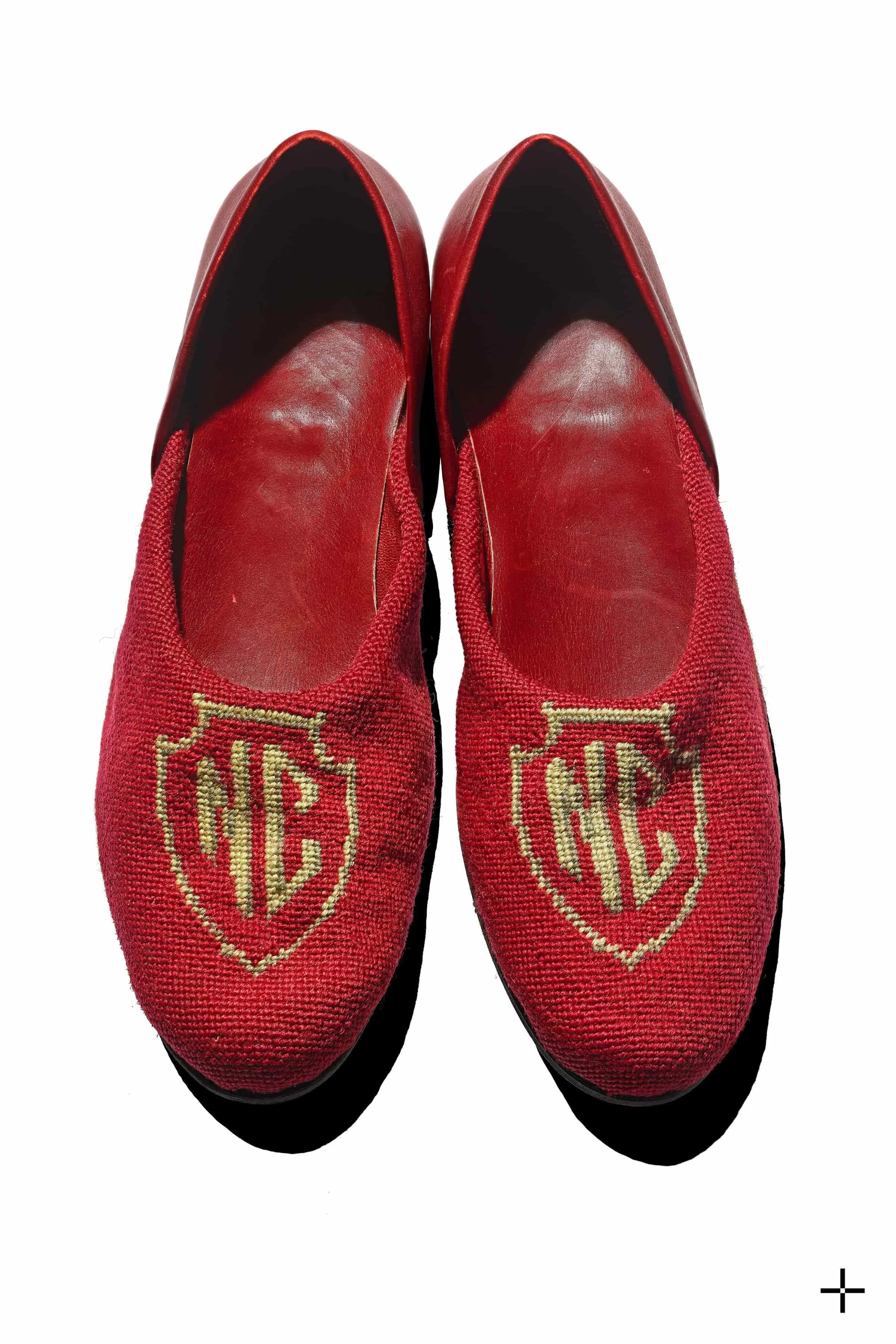
Noël Coward’s hand crocheted monogrammed slippers.
-
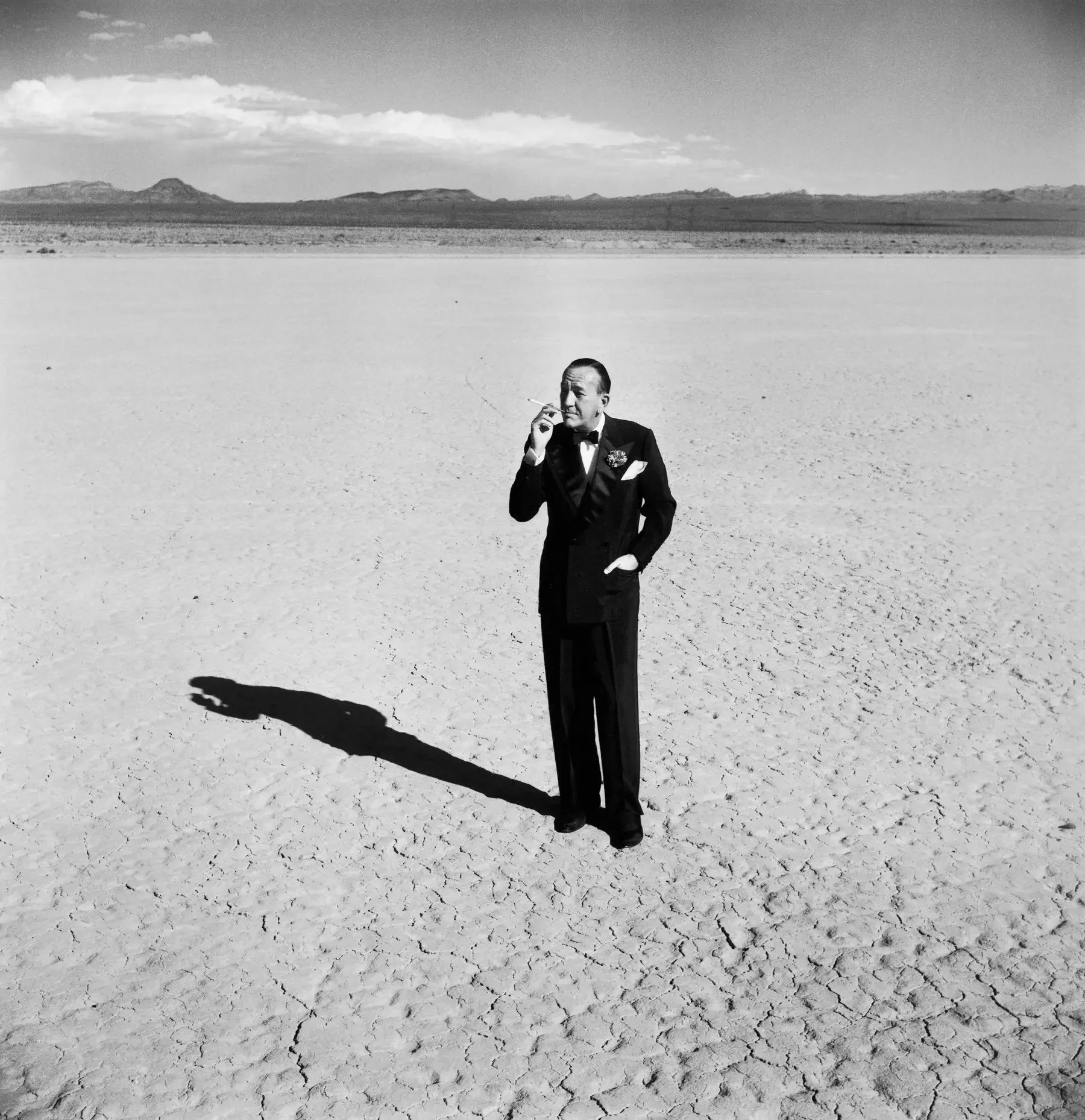
-
“Star quality: I don't know what it is, but I've got it.”
Noël Coward.
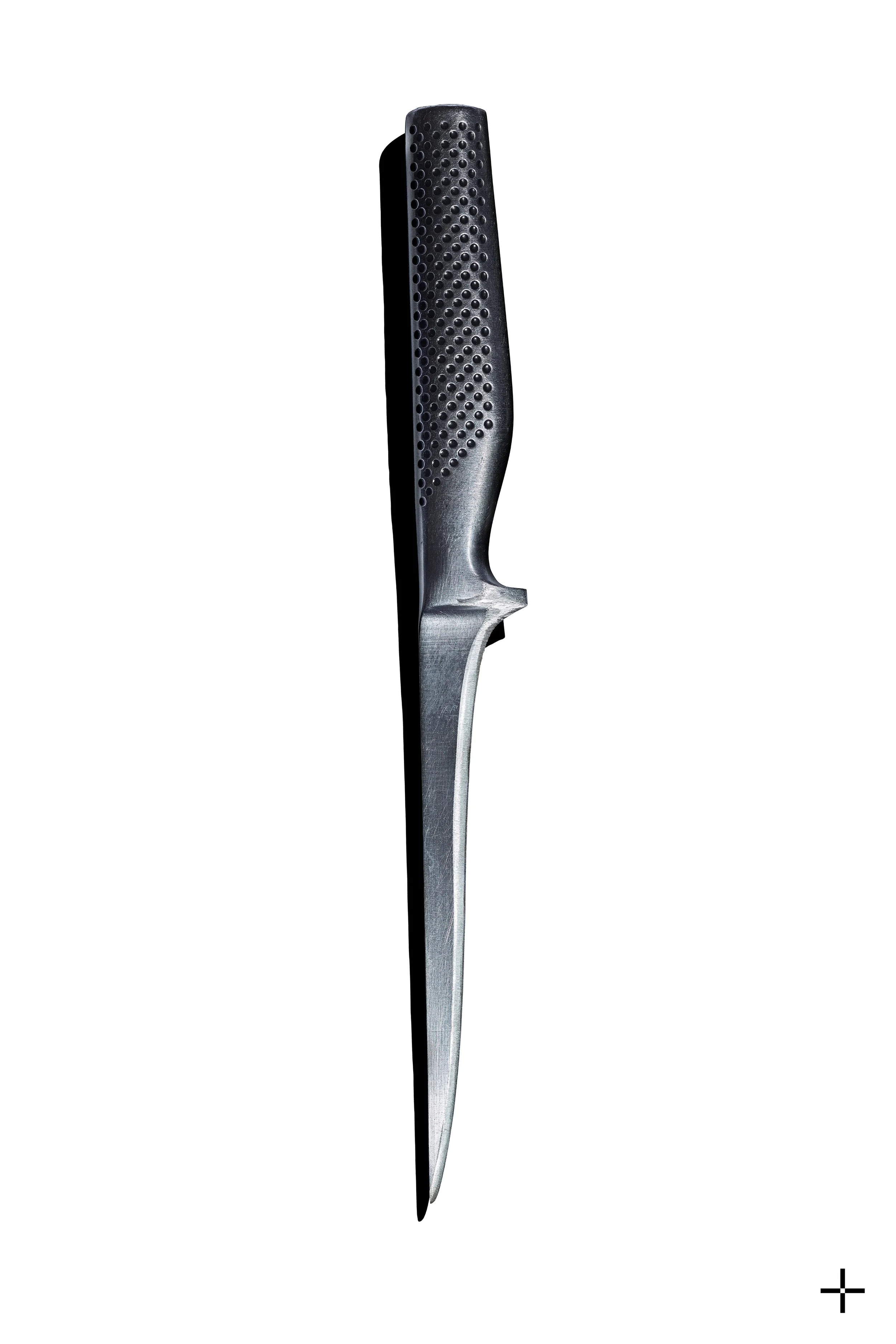
Michel Roux Jnr.’s longest serving and favourite kitchen knife.
-

-
“The chaos of the kitchen is almost peaceful. When I am in the middle of a service, I am so focused. There is nothing else on my mind apart from the food in front of me.”
Michel Roux Jnr.
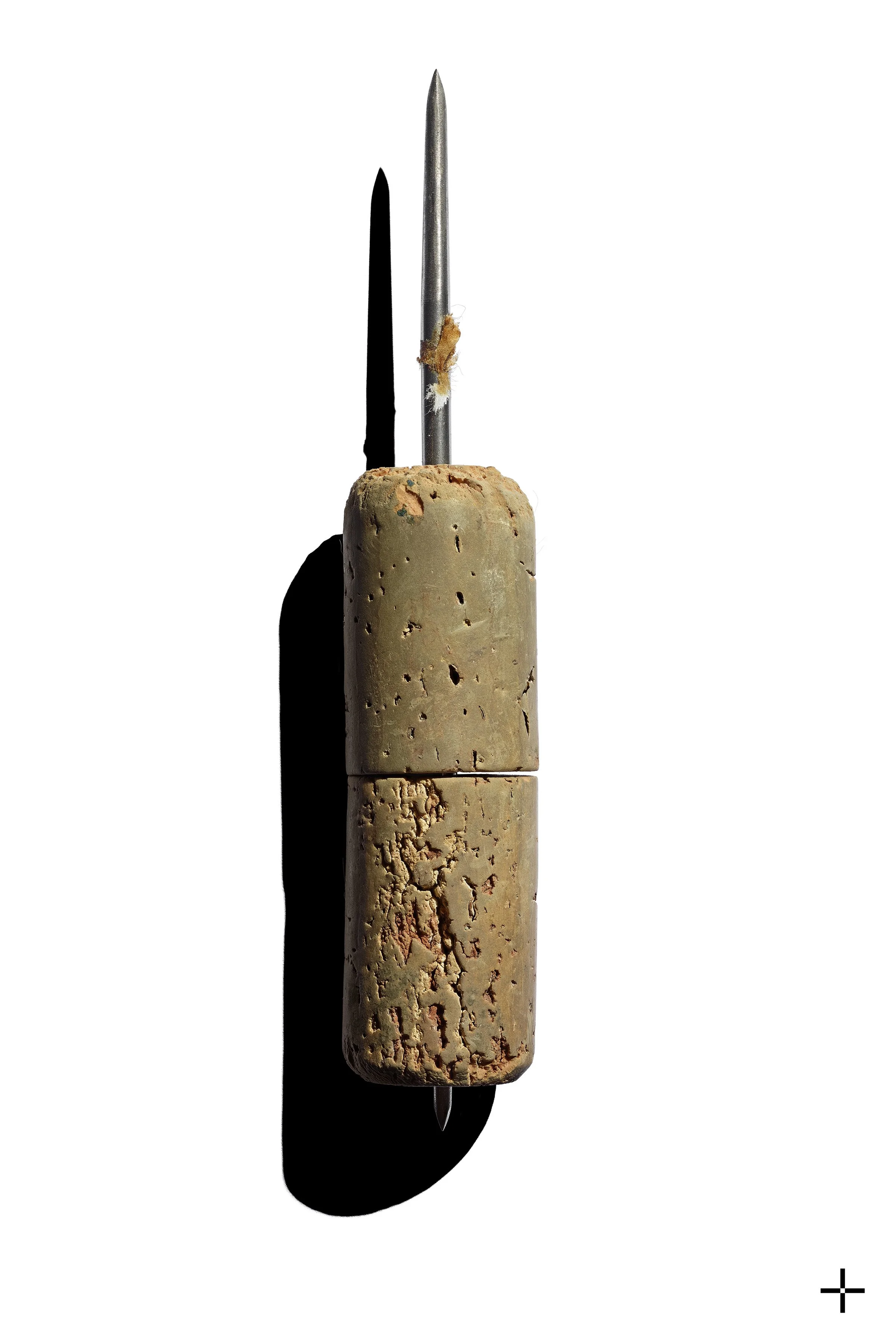
Lucian Freud: home made etching scribe, created from two wine corks.
-
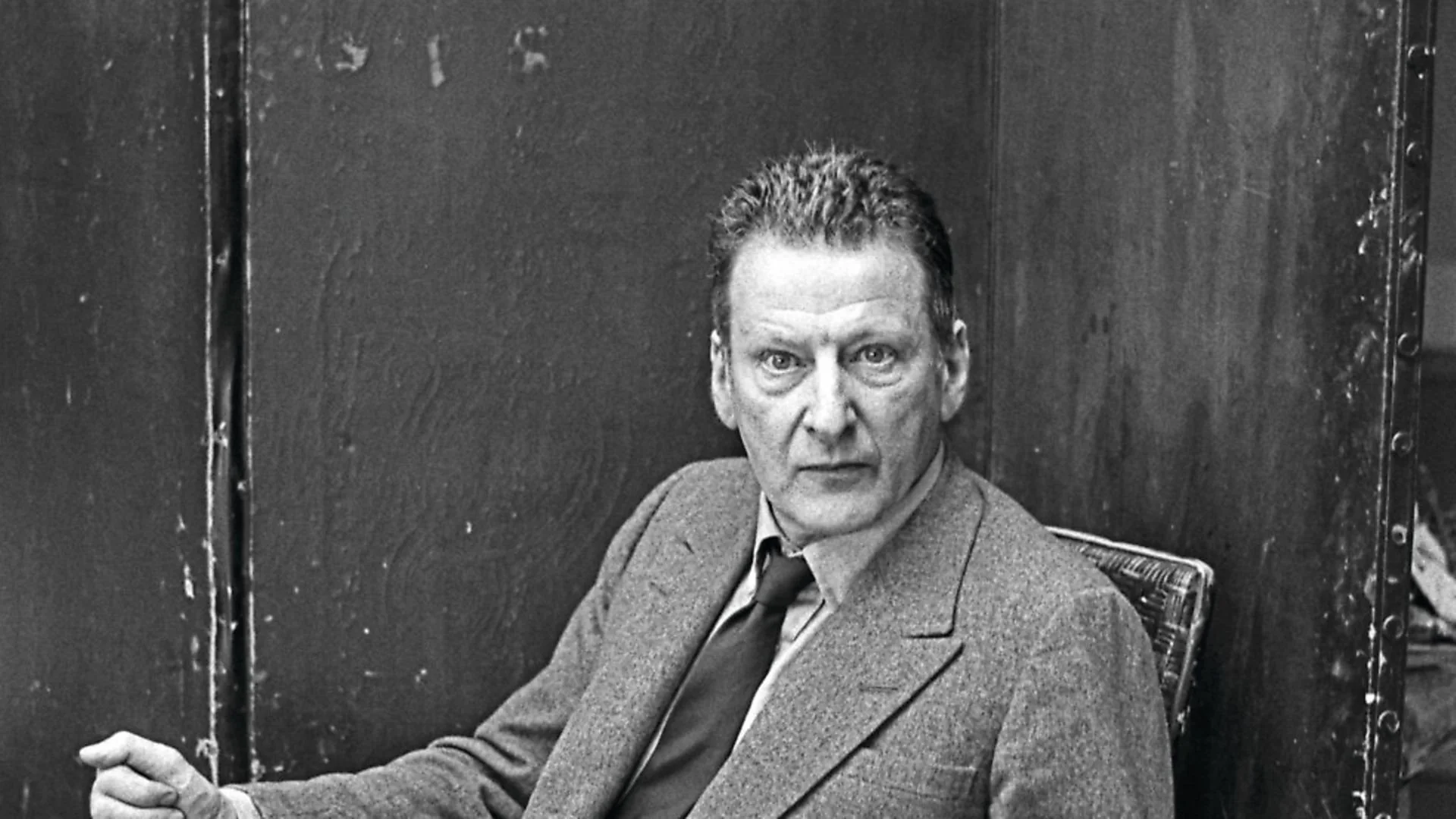
-
“I'm only trying to do what I can't do.”
Lucian Freud.
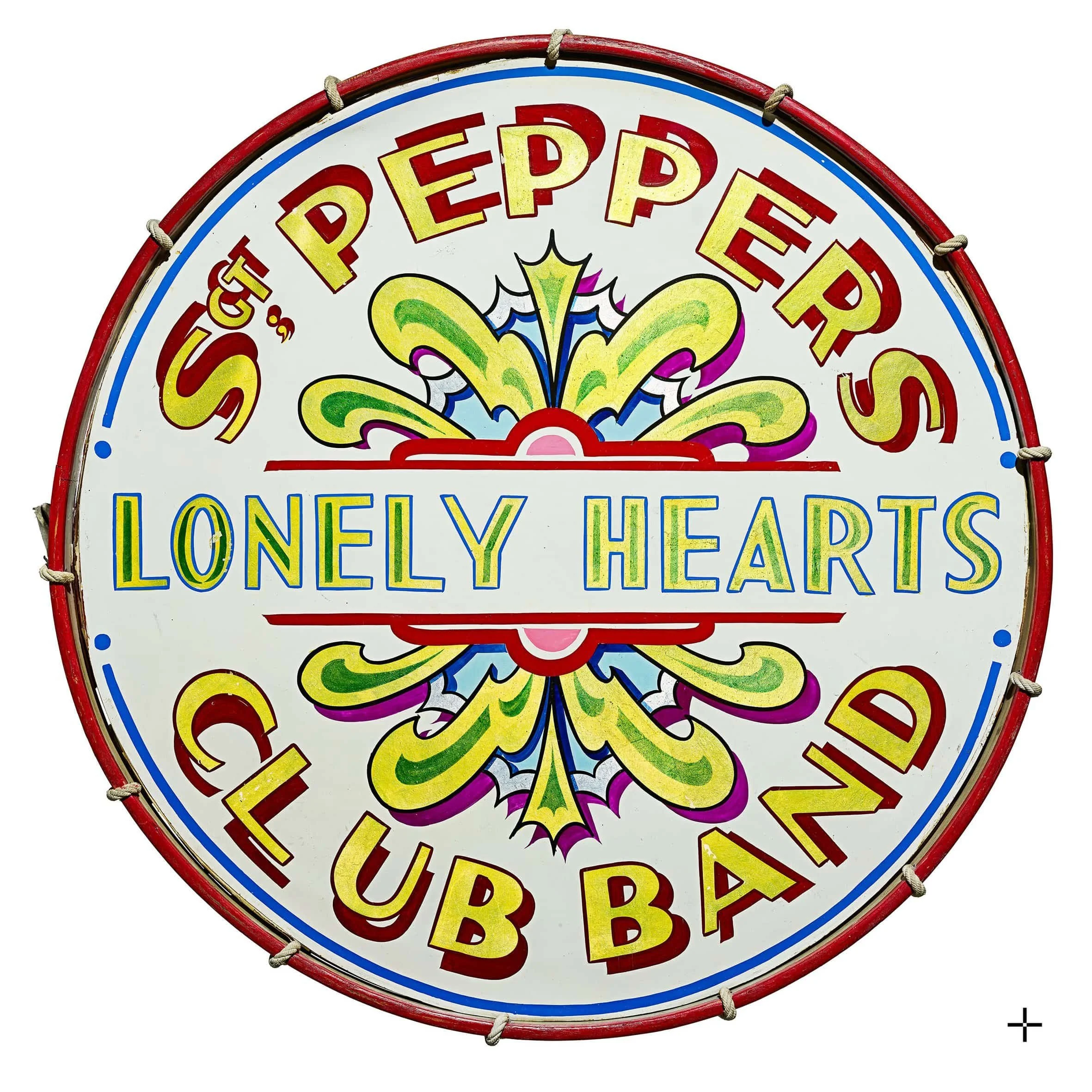
The original Bass drum from the cover of Sgt. Pepper’s Lonely Hearts Club Band, designed by Sir Peter Blake.
-
-
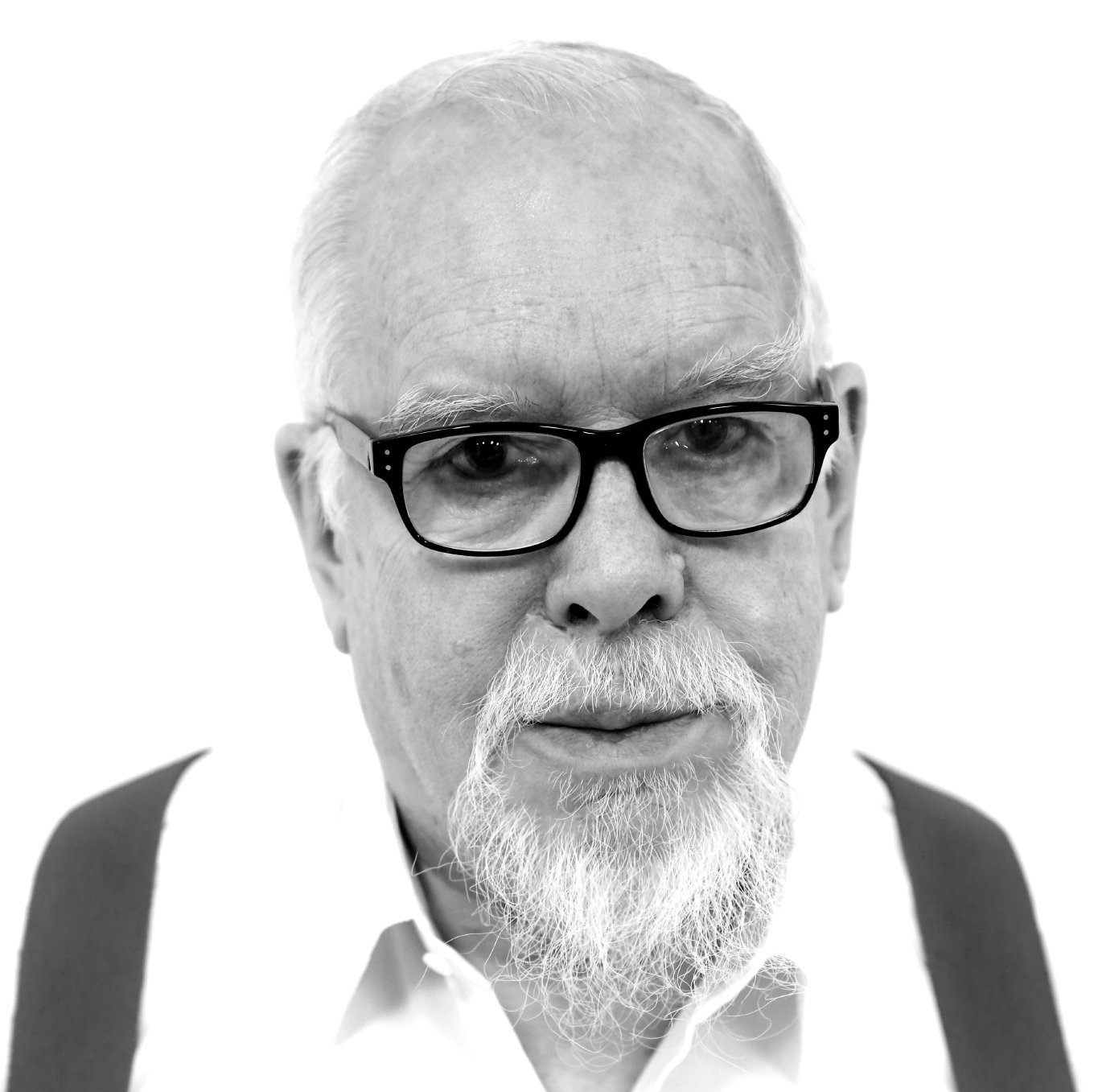
"I wanted to make art that was the visual equivalent of pop music."
Sir Peter Blake.
"You know full well as I do the value of sisters' affections: there is nothing like it in this world.”
Charlotte Bronte.