
“I saw the angel in the marble, and carved until I set him free.”
Michelangelo.
The “Carved in Time” Collection takes us even closer to our heroes, to see three dimensional bodies and faces, carved from marble and stone, or shaped in plaster. This is what they looked like, whether like the bust carved contemporaneously of Julius Caesar or Brutus circa 100AD, or plaster casts taken from both life and death, such as Napoleon or Beethoven.
Each final print is a composite of several hundred individual photographic frames of the original, evocatively brought together to bring you hyper detailed, large format, photographs that reveal every mark and scratch from the conquest of Antarctica and the Moon, the deepest floor of the Pacific and the summit of Everest.
These are the ultimate artworks that allow you to live with your passions and your heroes, and to beautifully compliment your home; this stunning body of work is truly unique.
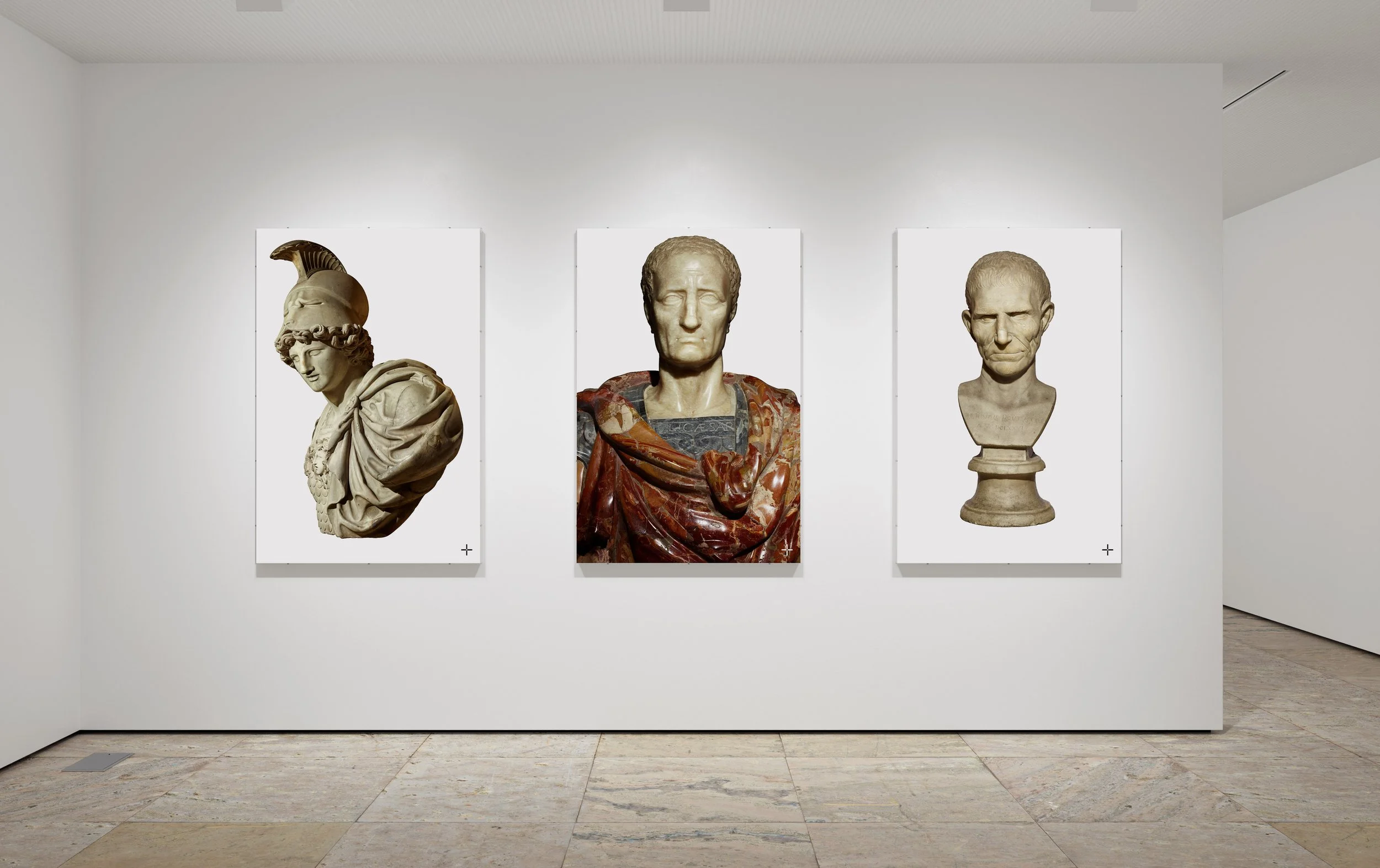
Statues and busts from the collection at Wilton House, belonging to the 18th Earl and Countess of Pembroke.
Many of these astonishing busts and statues are 1st and 2nd century AD, meaning that they were actually created with the subject standing in front of the sculptor.
Left to Right: Alexander the Great, Julius Caesar and Brutus, his most famous assassin.
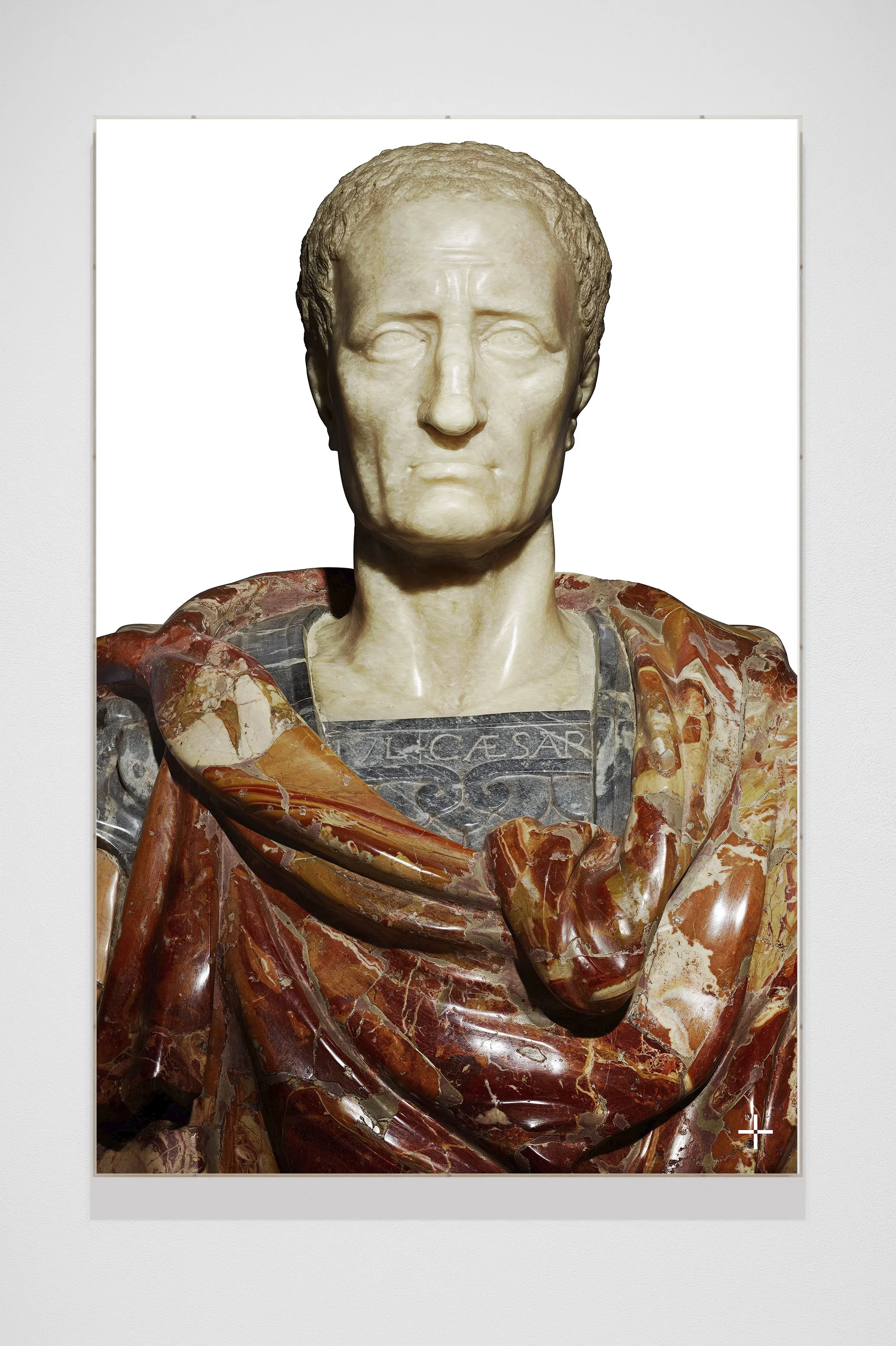
Bust of Julius Caesar, from the collection at Wilton House, belonging to the 18th Earl and Countess of Pembroke.
Gaius Julius Caesar, (12th or 13th July 100 BC – 15th March 44 BC), was a Roman general, statesman, and author who was the dictator of the Roman Republic almost continuously from 49 BC until his assassination in 44 BC.
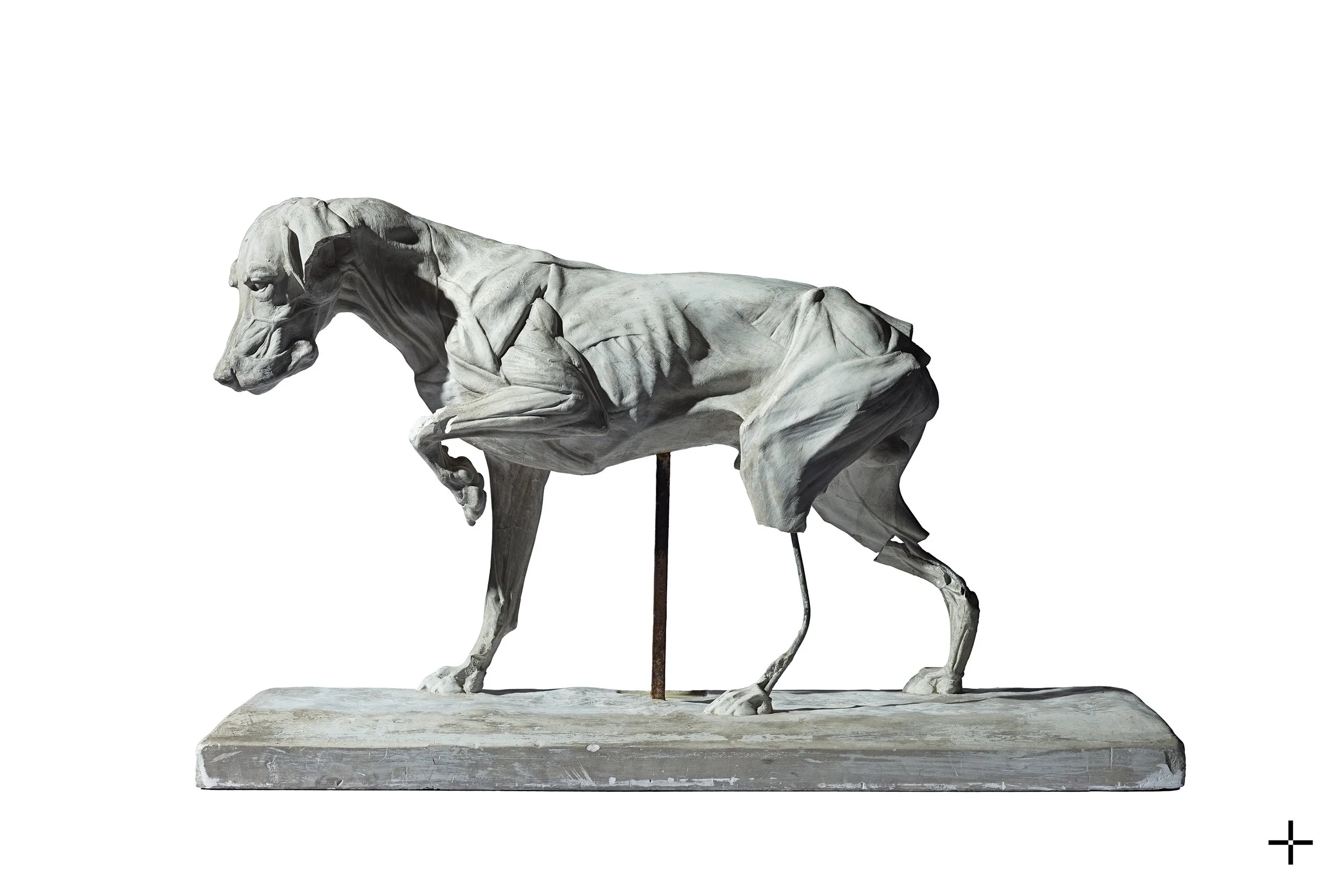
Sir Alfred Munnings.
Swiss plaster anatomical model of a pointer, purchased in Paris.
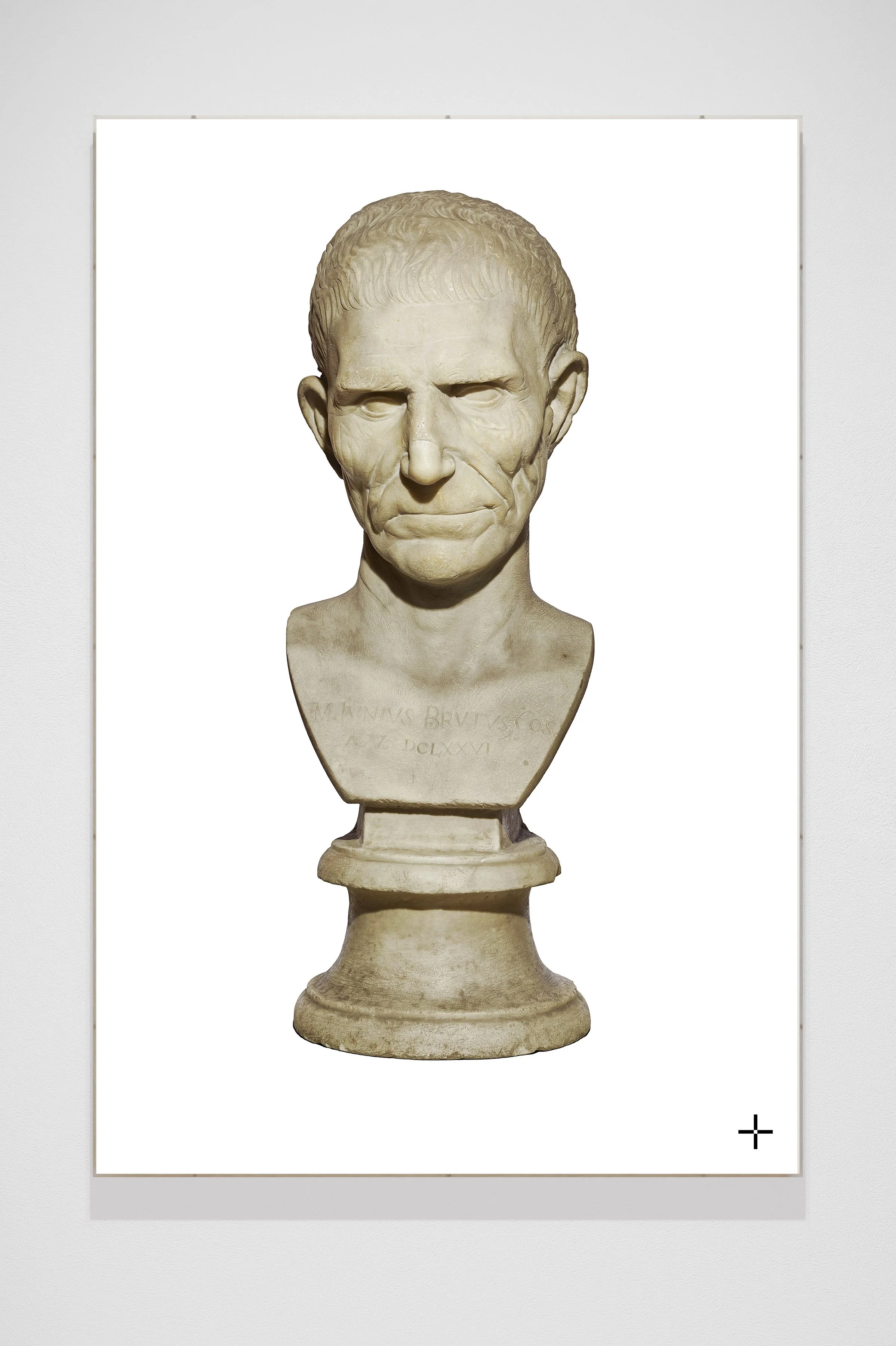
Bust from the collection at Wilton House, belonging to the 18th Earl and Countess of Pembroke.
Marcus Junius Brutus, (c. 85 BC – 42 BC), was a Roman politician and the main leader of the plot to kill Julius Caesar on the Ides of March in 44 BC.
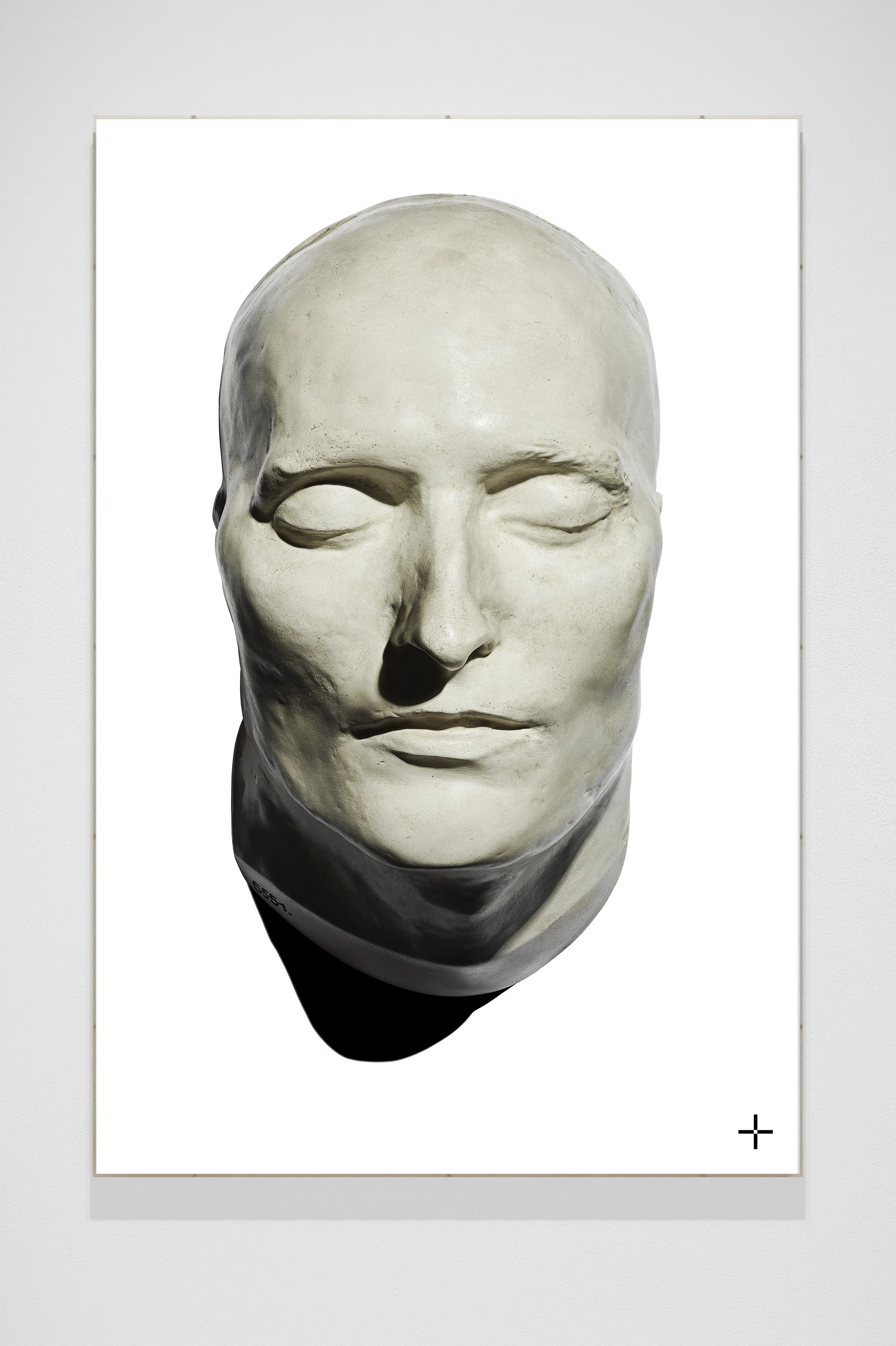
The death mask of Napoleon Bonaparte.
From the astonishing collection of the Berlin Gipsformerei.
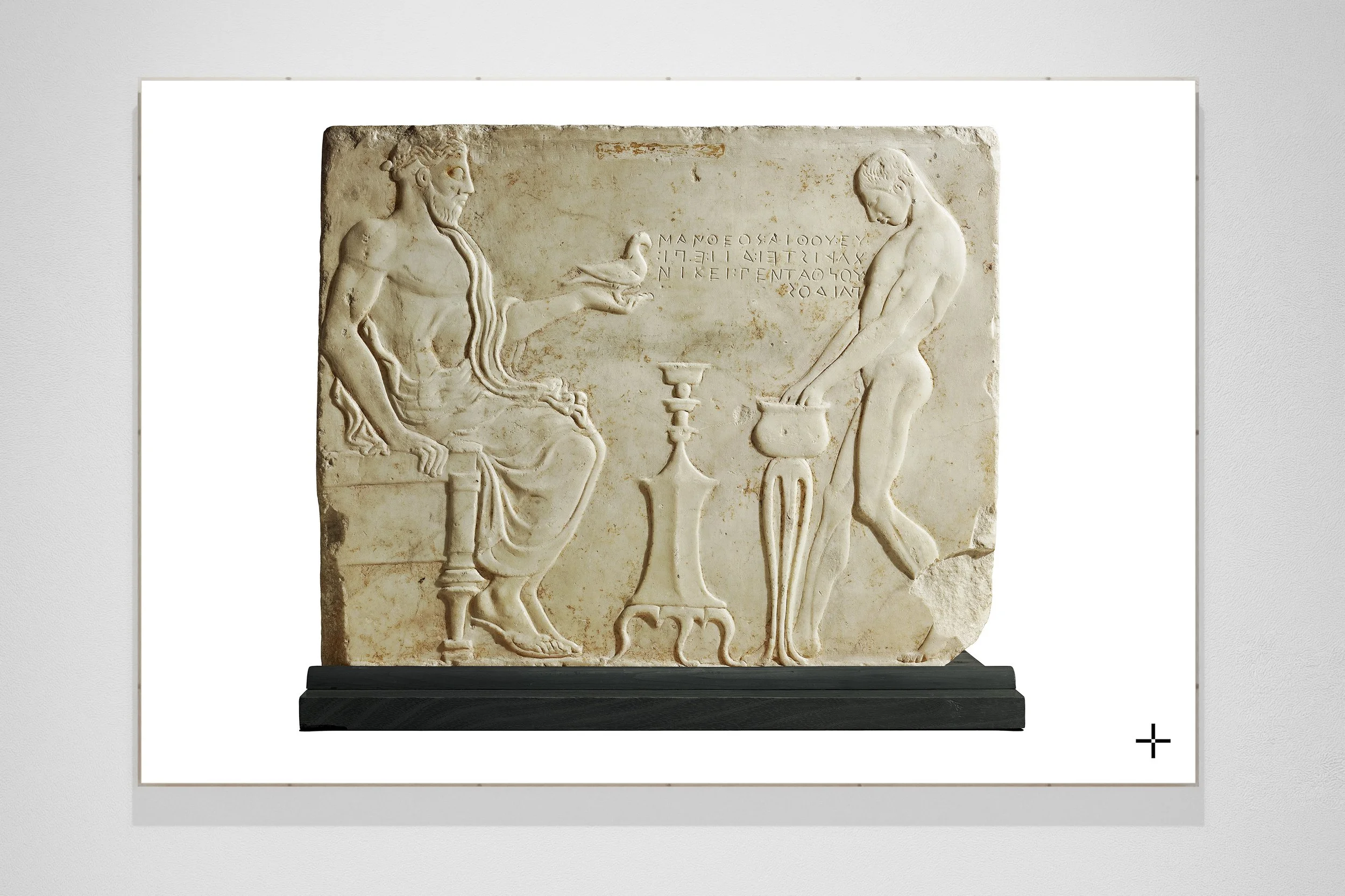
Relief from the collection at Wilton House, belonging to the 18th Earl and Countess of Pembroke.
The Votive Relief of Mantheos is a classical marble relief depicting Zeus receiving an offering from a young man. Dating from the 1st century BC to 1st century AD, it imitates archaic Greek style.
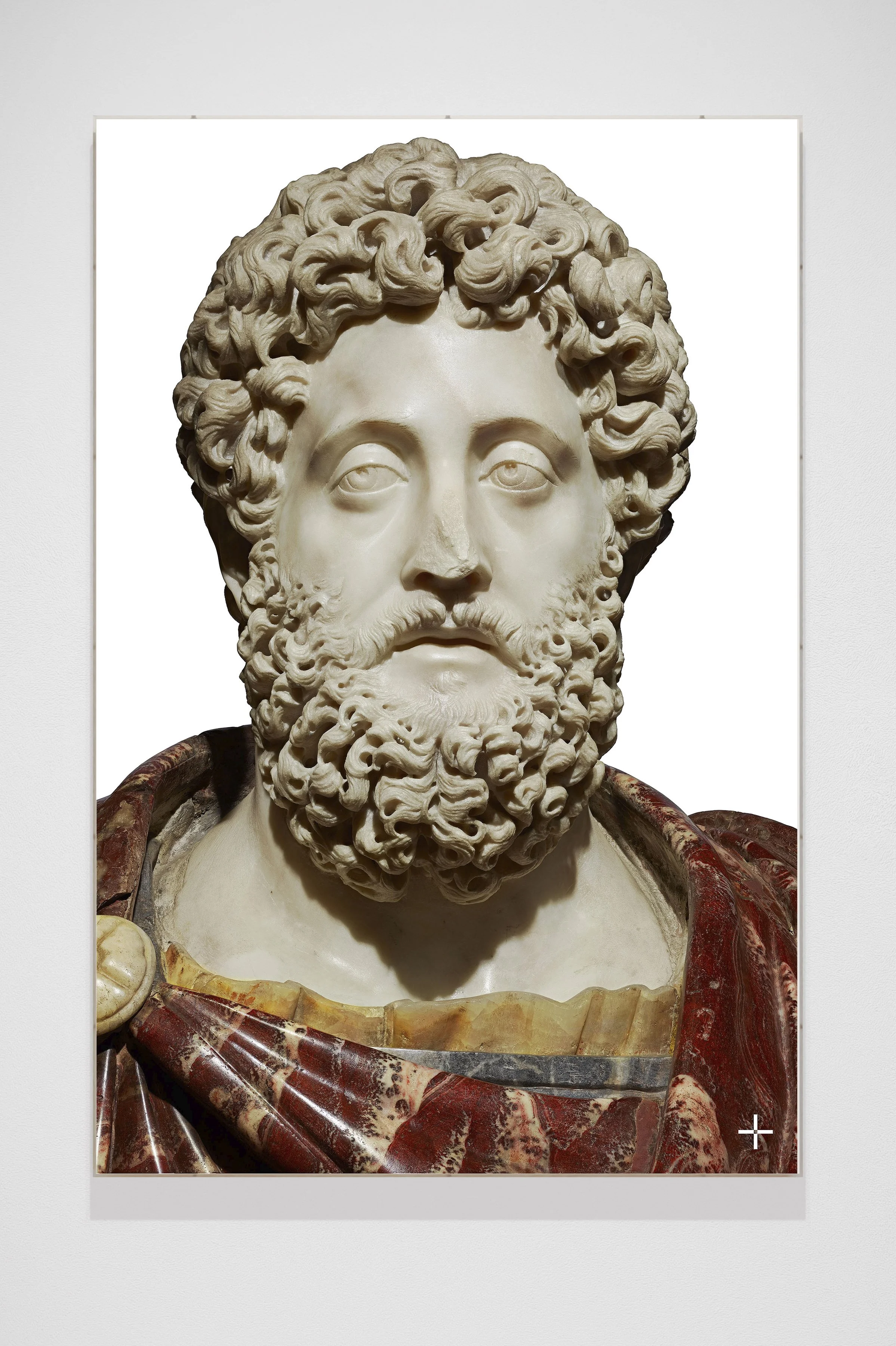
Bust of Emperor Marcus Aurelius, from the collection at Wilton House, belonging to the 18th Earl and Countess of Pembroke.
Marcus Aurelius, (born April 26, 121 AD, died March 17, 180AD was a Roman emperor, (161–180), and is best known for his Meditations on Stoic philosophy. Marcus Aurelius has come to symbolise the Golden Age of the Roman Empire.
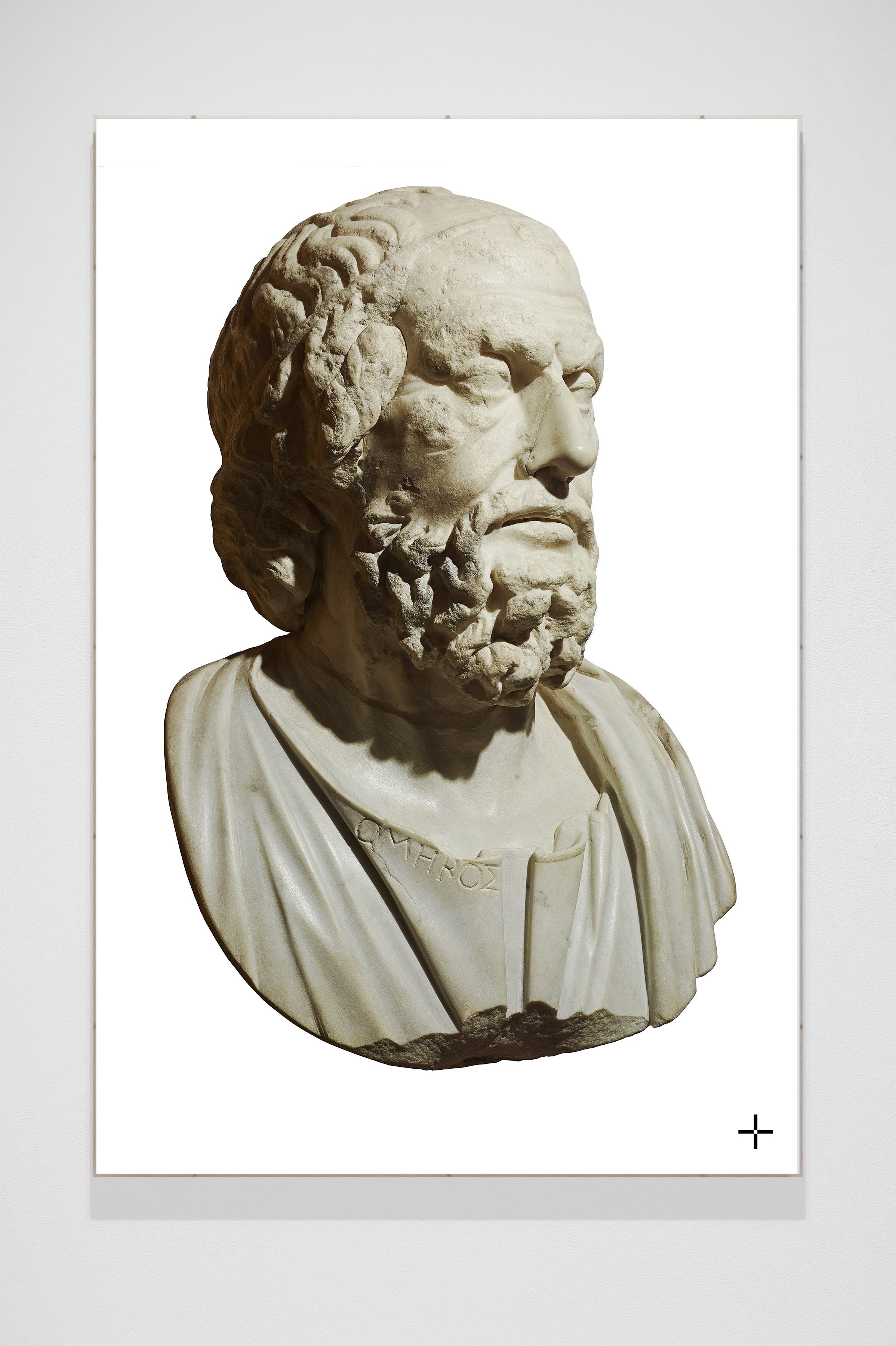
Bust of Homer, from the collection at Wilton House, belonging to the 18th Earl and Countess of Pembroke.
Homer, (born c. 8th century BC), was an ancient Greek poet who is traditionally credited as the author of the Iliad and the Odyssey, two epic poems that are foundational works of ancient Greek literature. Homer was highly revered in ancient Greek society and is considered one of the most influential authors in history.
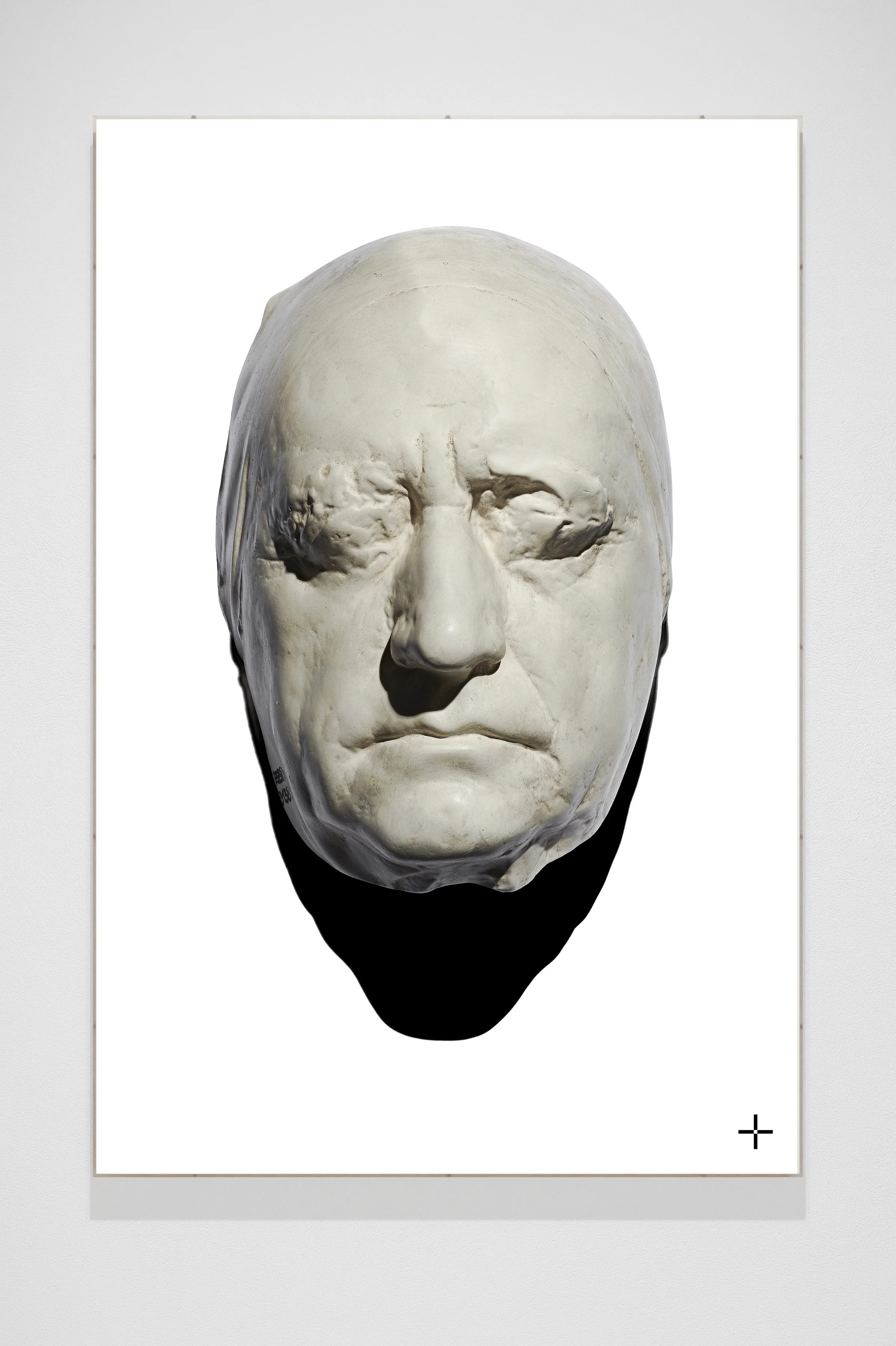
The death mask of writer and philosopher Johann Wolfgang von Goethe.
From the astonishing collection of the Berlin Gipsformerei.
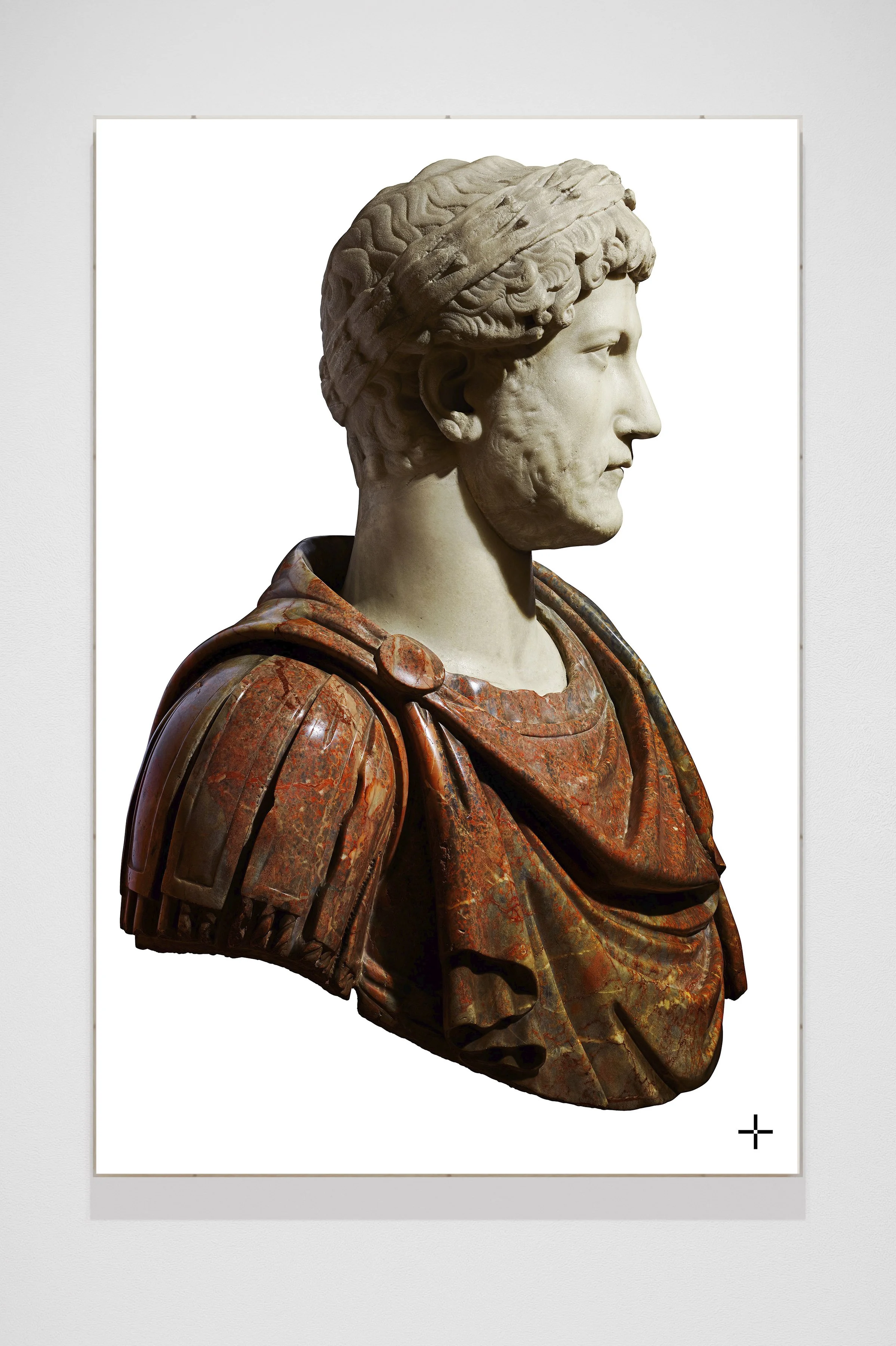
Bust of a Roman, from the collection at Wilton House, belonging to the 18th Earl and Countess of Pembroke.
Many of these astonishing busts and statues, including this one, were created in the 1st and 2nd century AD, meaning that they were actually created with the subject standing in front of the sculptor.
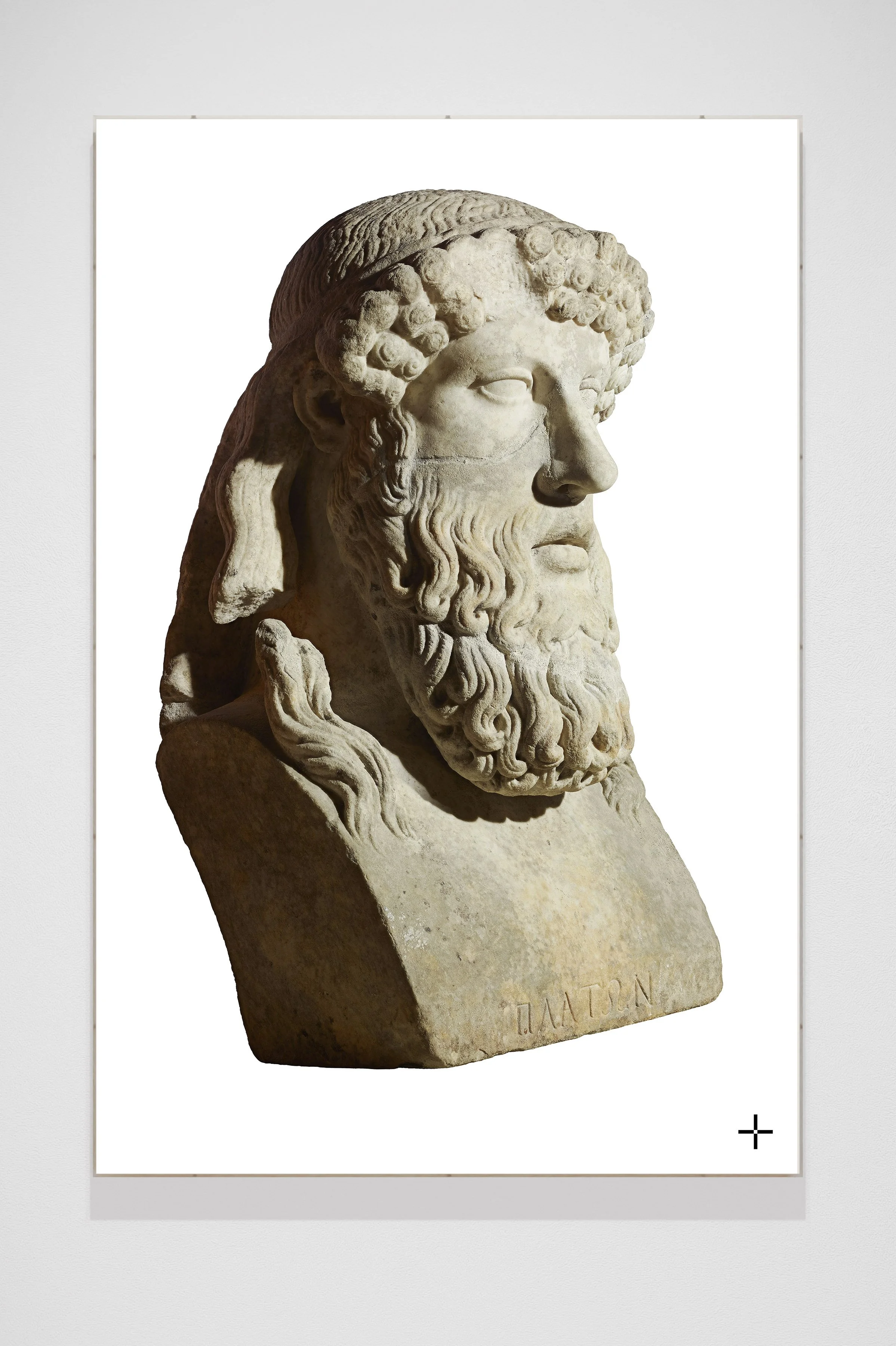
This bust of Plato is part of the renowned classical sculpture collection at Wilton House in Wiltshire, England. Gathered largely by Thomas Herbert, the 8th Earl of Pembroke, in the late 17th and early 18th centuries.
Plato, the ancient Greek philosopher of Classical Athens who is most commonly considered the foundational thinker of the Western philosophical tradition.
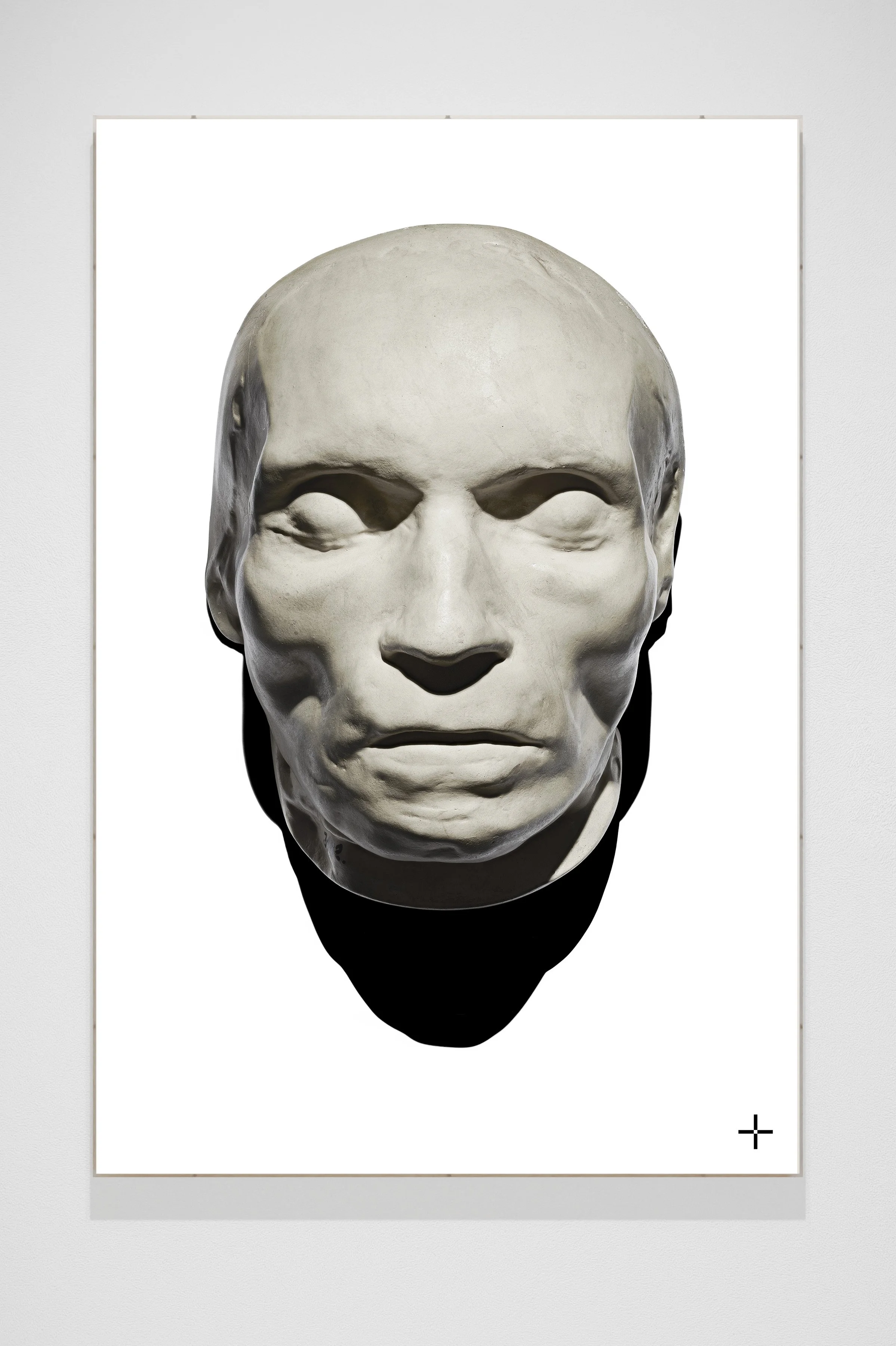
The death mask of the composer Ludwig van Beethoven.
From the astonishing collection of the Berlin Gipsformerei.
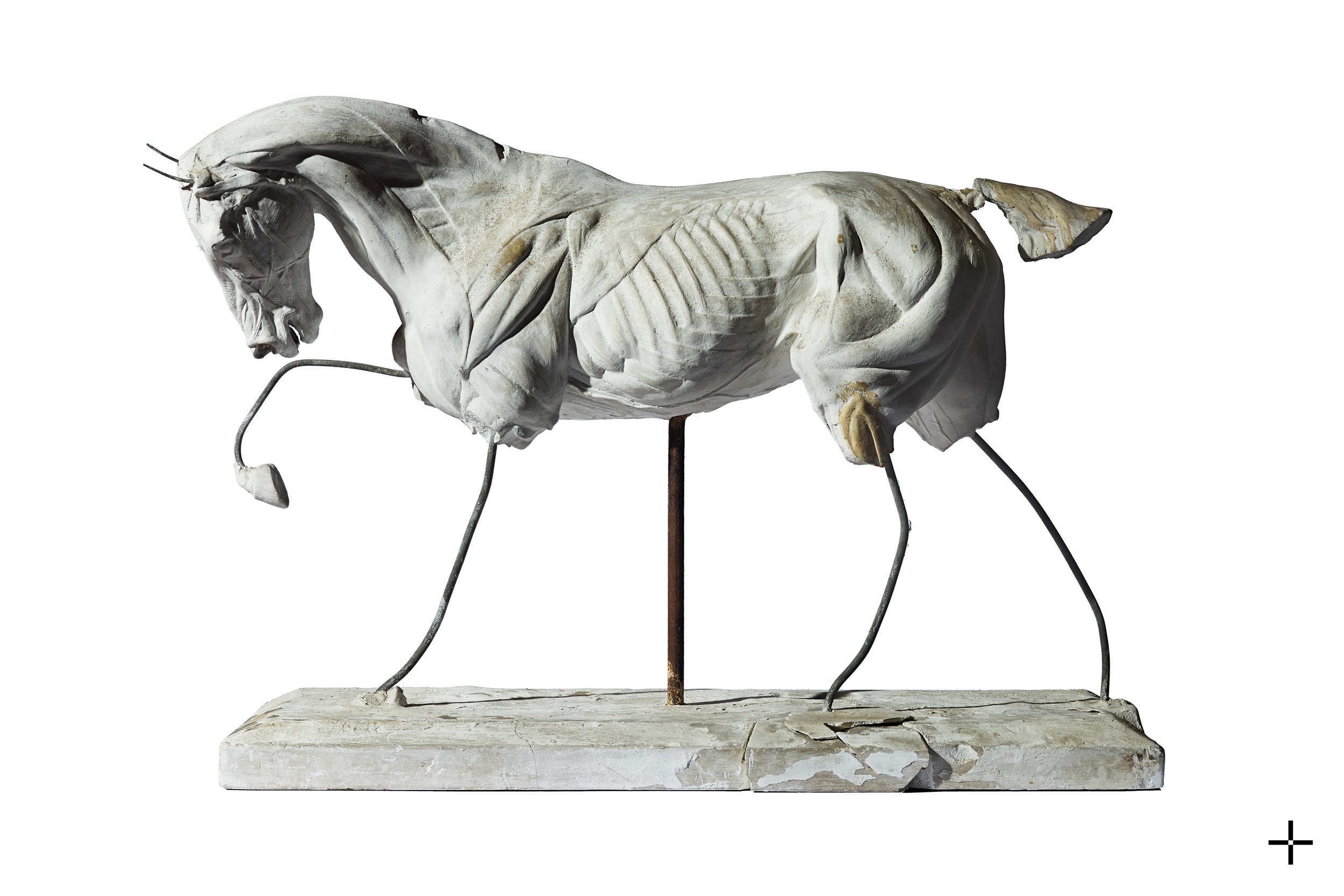
Sir Alfred Munnings.
Swiss plaster anatomical model of a horse, purchased in Paris.
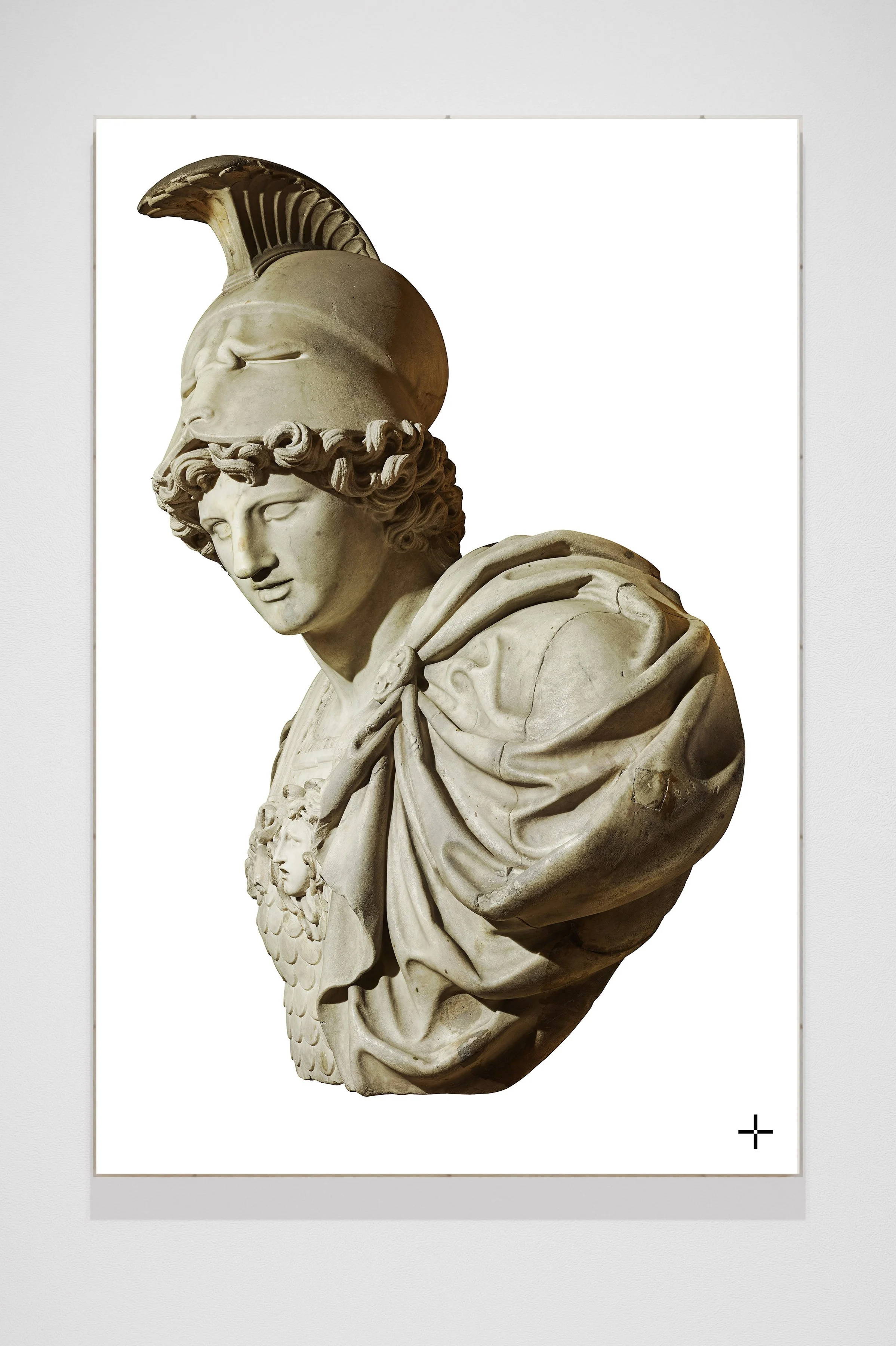
The colossal bust of Alexander the Great at Wilton House is an over life-sized, idealised 17th century sculpture crafted in the style of classical antiquity.
Alexander the Great, (356–323 BC), king and military commander of Macedon.