These artworks are multi-focal composites, often created from several hundred individual photographic frames, all evocatively brought together to produce prints of incredible clarity and depth.
All prints are Giclée printed on 308gsm Hahnemühle archival paper, with 12 colour UltraChrome Pro pigments, to give perfect renditions of the original artefacts.
If you don’t see the particular artefact that you are interested in, please contact me directly to check availability.
“Fine art is that in which the hand, the head, and the heart of man go together.”
John Ruskin.
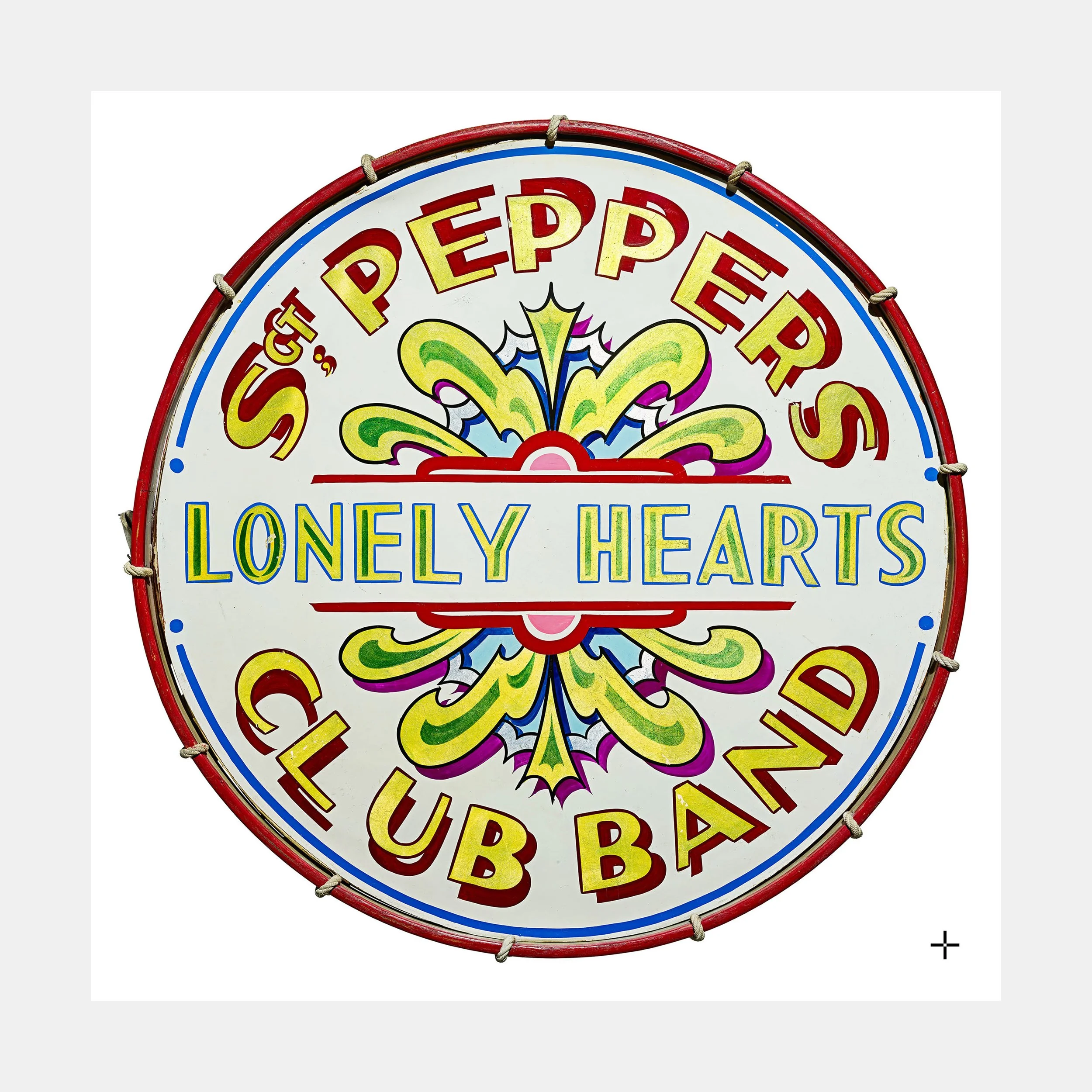
The original bass drum from the cover of Sgt. Pepper’s Lonely Hearts Club Band, hand painted by Joe Ephgrave, designed by Sir Peter Blake and Jann Haworth, photographed for the album by Michael Cooper.
Printed on Hahnemühle archival 308gsm Photorag paper.
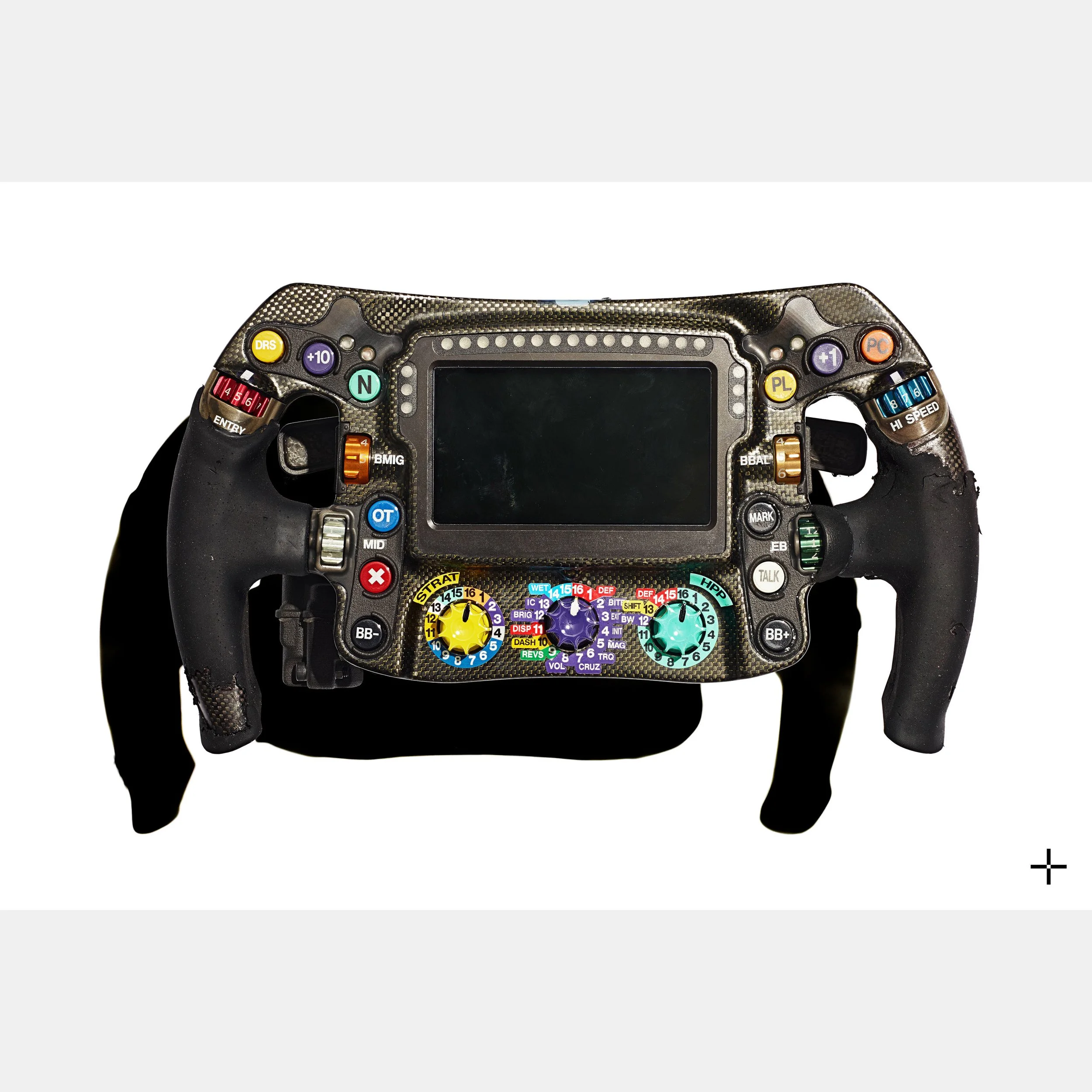
Sir Lewis Hamilton’s steering wheel from the Portugal Grand Prix in 2020 on beating Michael Schumacher’s record for the most GP wins.
Printed on Hahnemühle archival 308gsm Photorag paper.
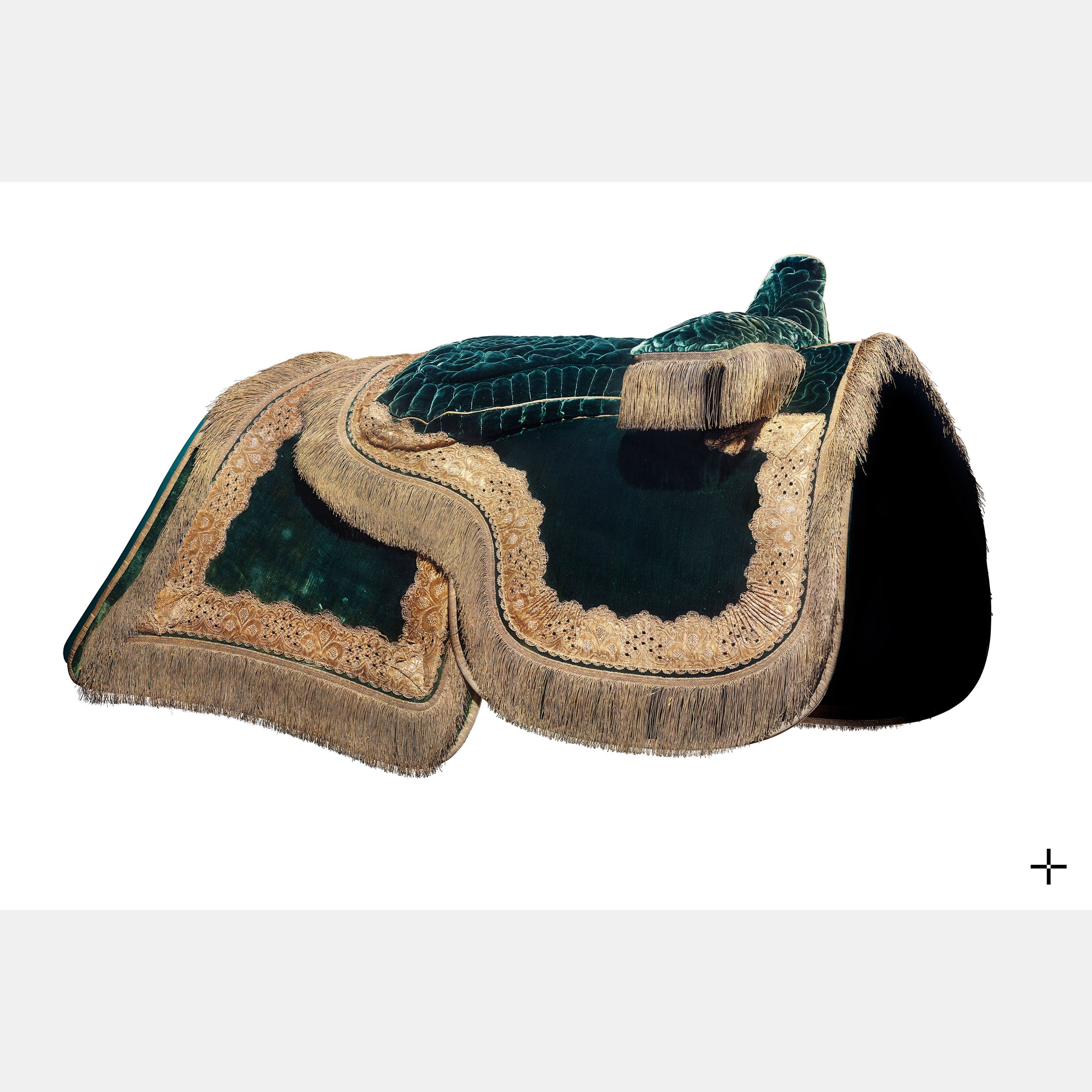
Green velvet saddle, used by Her Majesty Queen Elizabeth I on her procession to Bristol in 1545.
All prints on Hahnemühle 308gsm archival photorag paper.
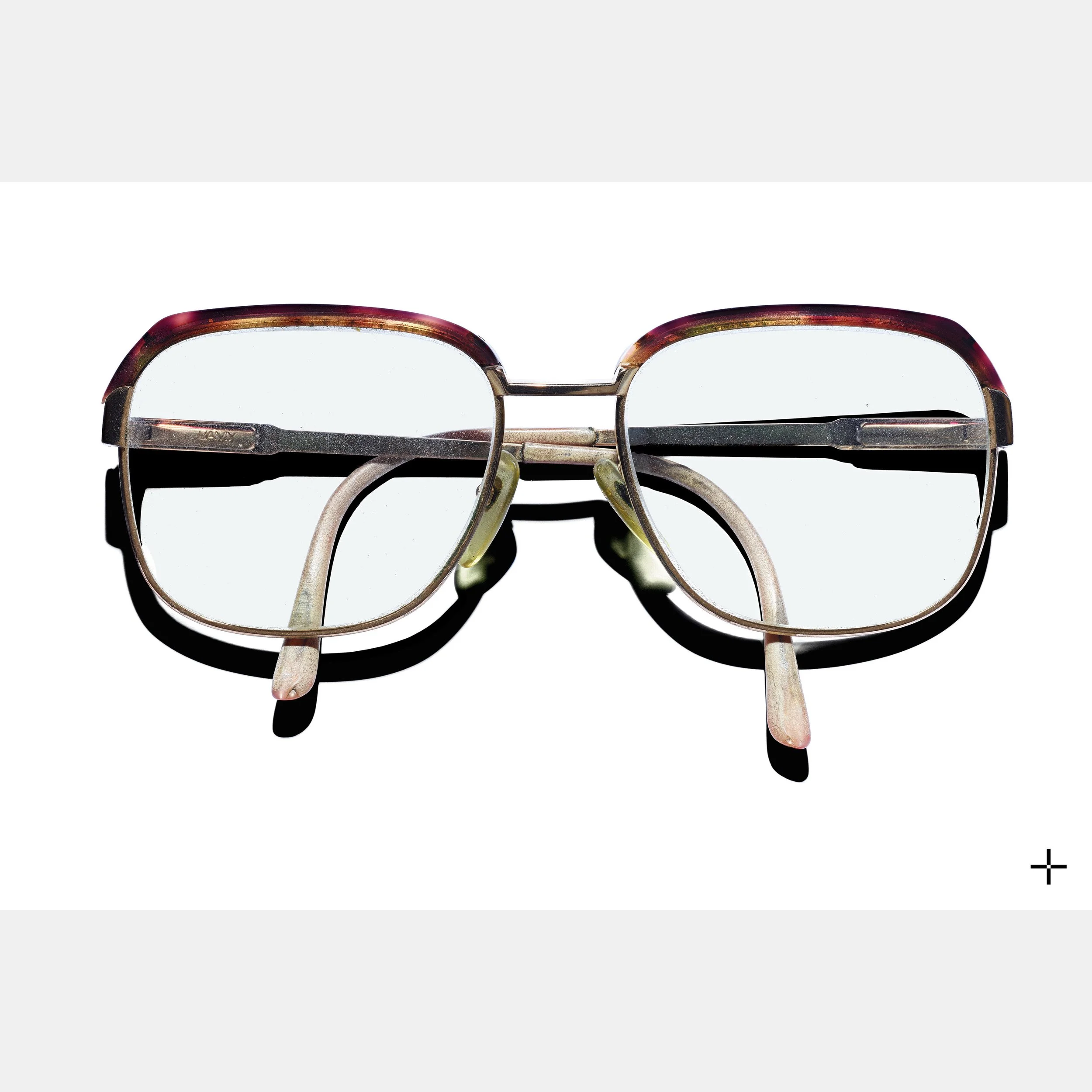
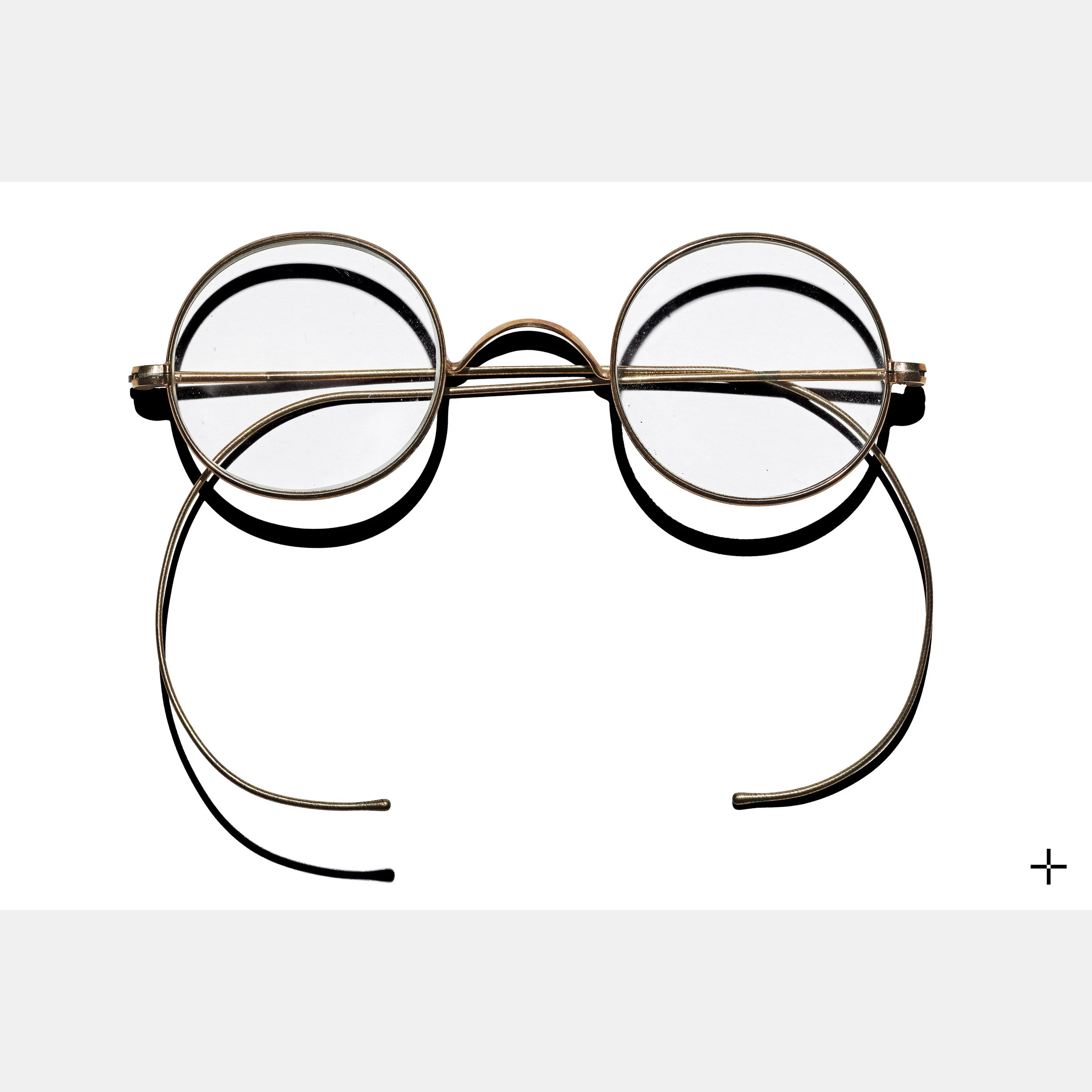
On receiving a Nobel Prize, it is customary to give a personal artefact to the Nobel Museum; His Holiness the 14th Dalai Lama explained that as a Buddhist Monk he didn’t own anything; smiling, he then handed the committee the glasses he was wearing.
All prints on Hahnemühle a308gsm rchival photorag paper.
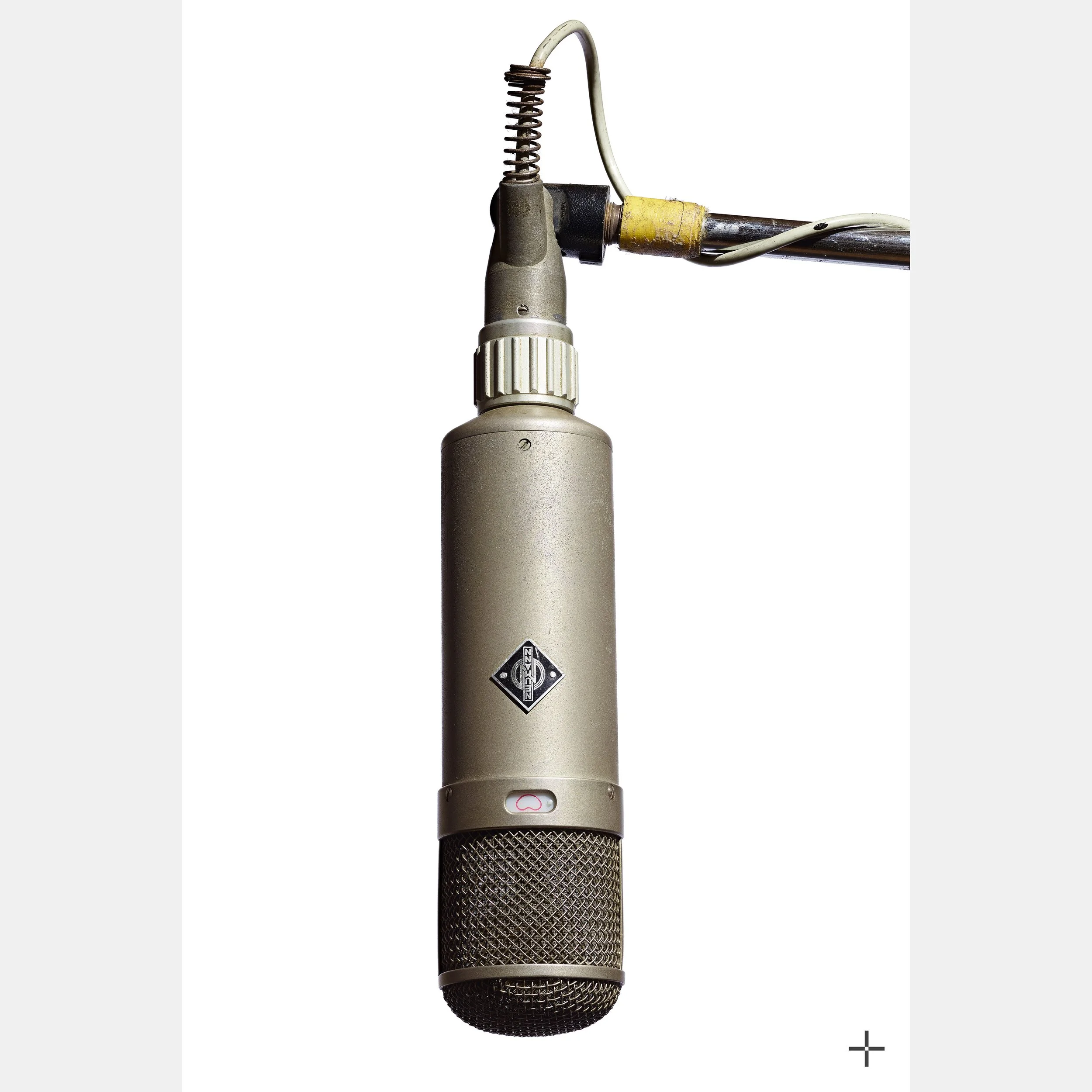
The Neumann U 48 microphone, used to record “Je T’aime” and “Bonnie and Clyde”, both with Bridget Bardot, in 1968.
Printed on Hahnemühle archival 308gsm Photorag paper.
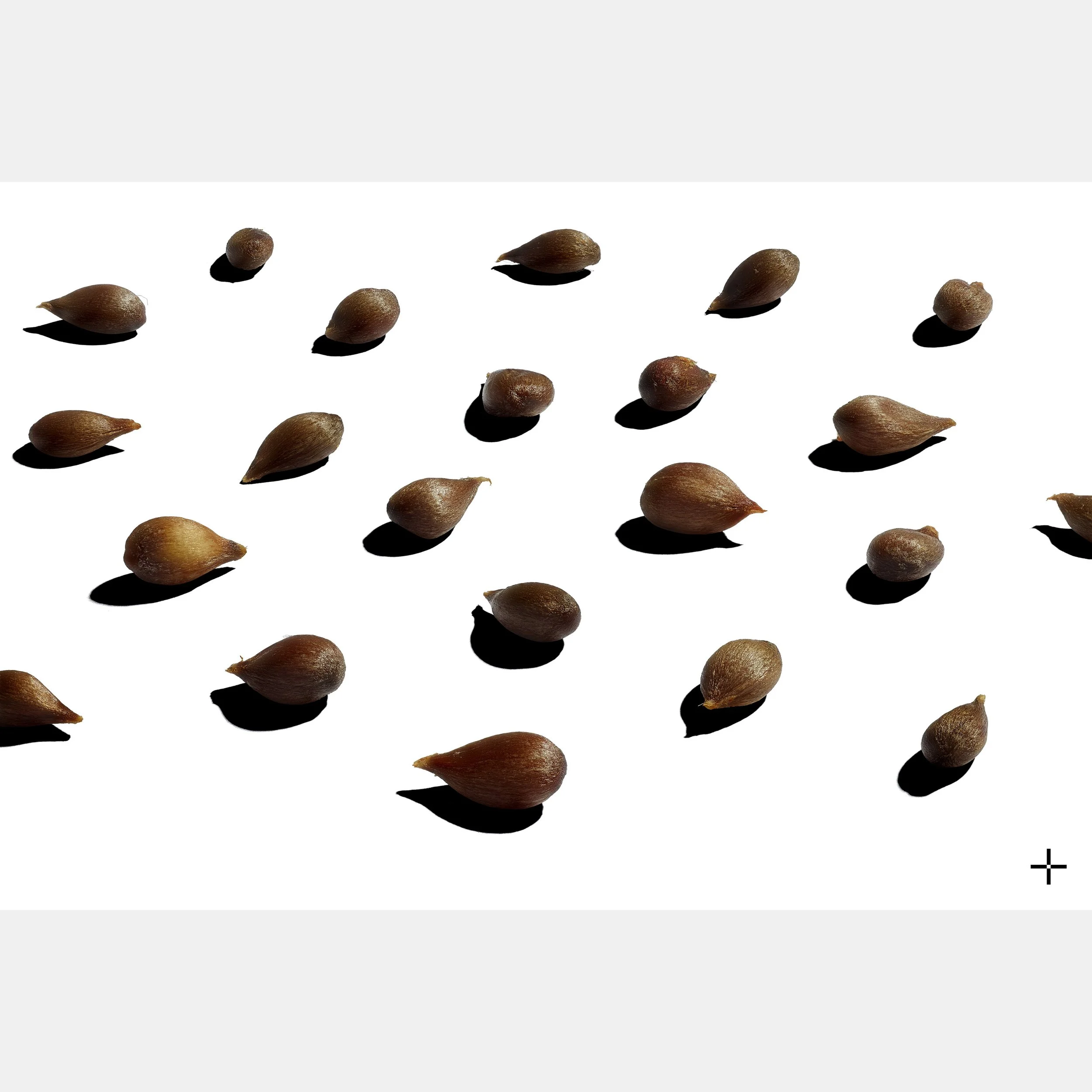
Pips from an apple, having fallen from the actual tree that Issac Newton sat under in 1666 at Woolsthorpe Manor, when he observed another such apple falling from the same tree, giving rise to his thoughts on gravity and the mathematics to describe it, that eventually would become the Newtonian Laws of Motion.
Printed on Hahnemühle archival 308gsm Photorag paper.
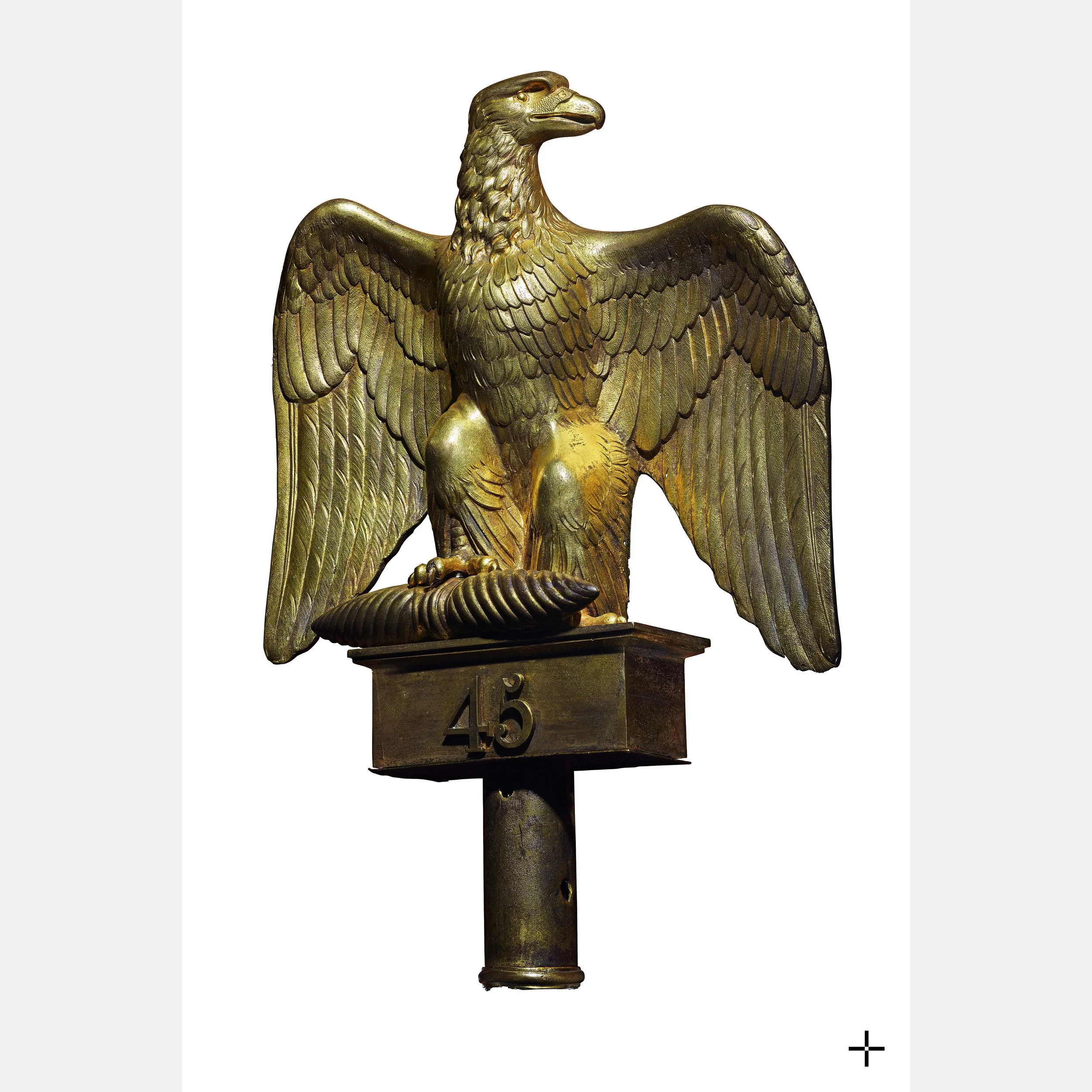
Sergeant Charles Ewart of The Royal Scots Greys famously captured the Imperial Eagle of the French 45th Regiment of the Line at the Battle of Waterloo on June the 18th, 1815. During the charge of the Union Brigade, Ewart, a skilled swordsman, fought through French infantry, defeating a lancer, a musketeer, and a foot soldier to secure the prized standard.
All prints on Hahnemühle 308gsm archival photorag paper.
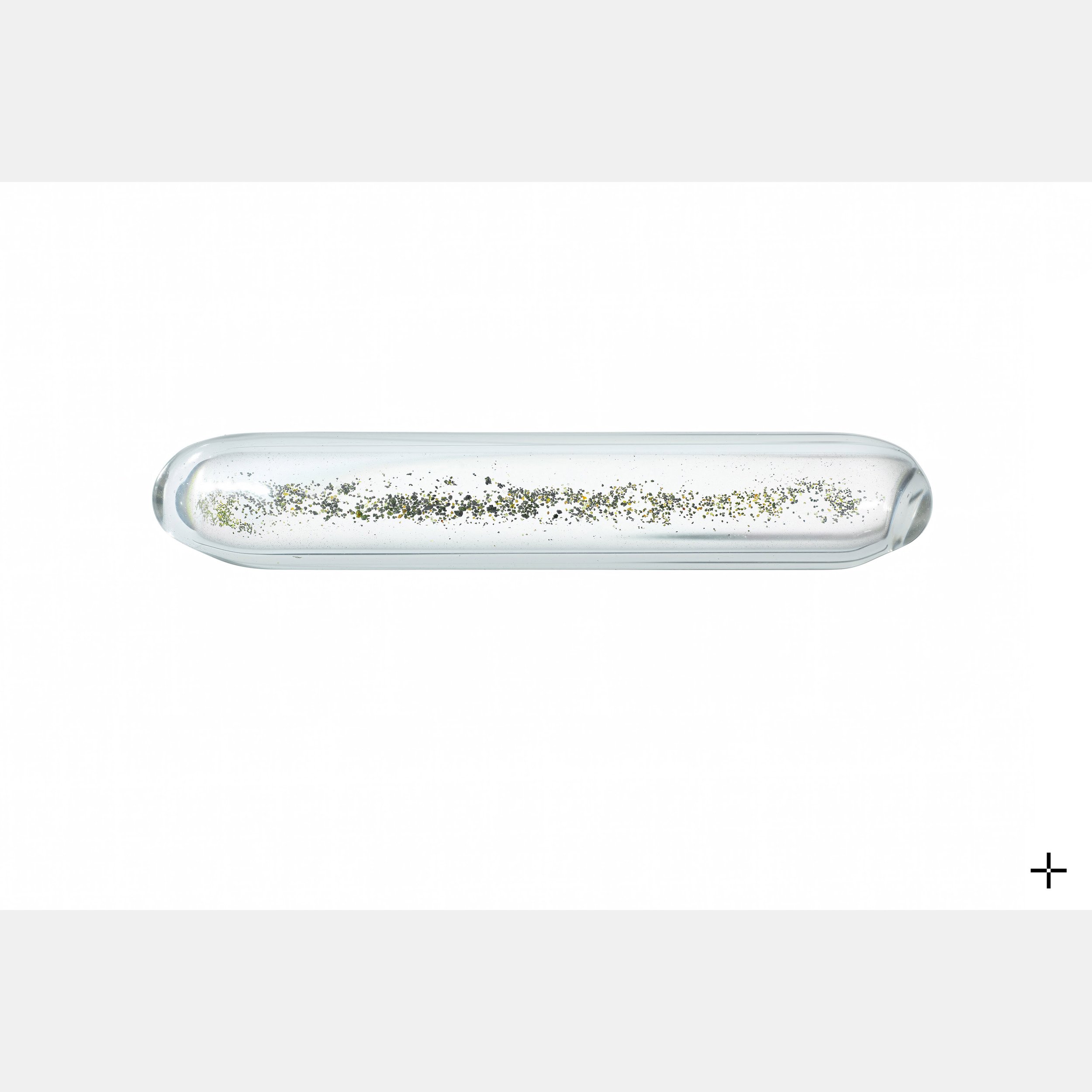
A 3 milligram vial of Moon dust, collected by Neil Armstrong on Apollo 11, 1969.
Printed on Hahnemühle archival 308gsm Photorag paper.
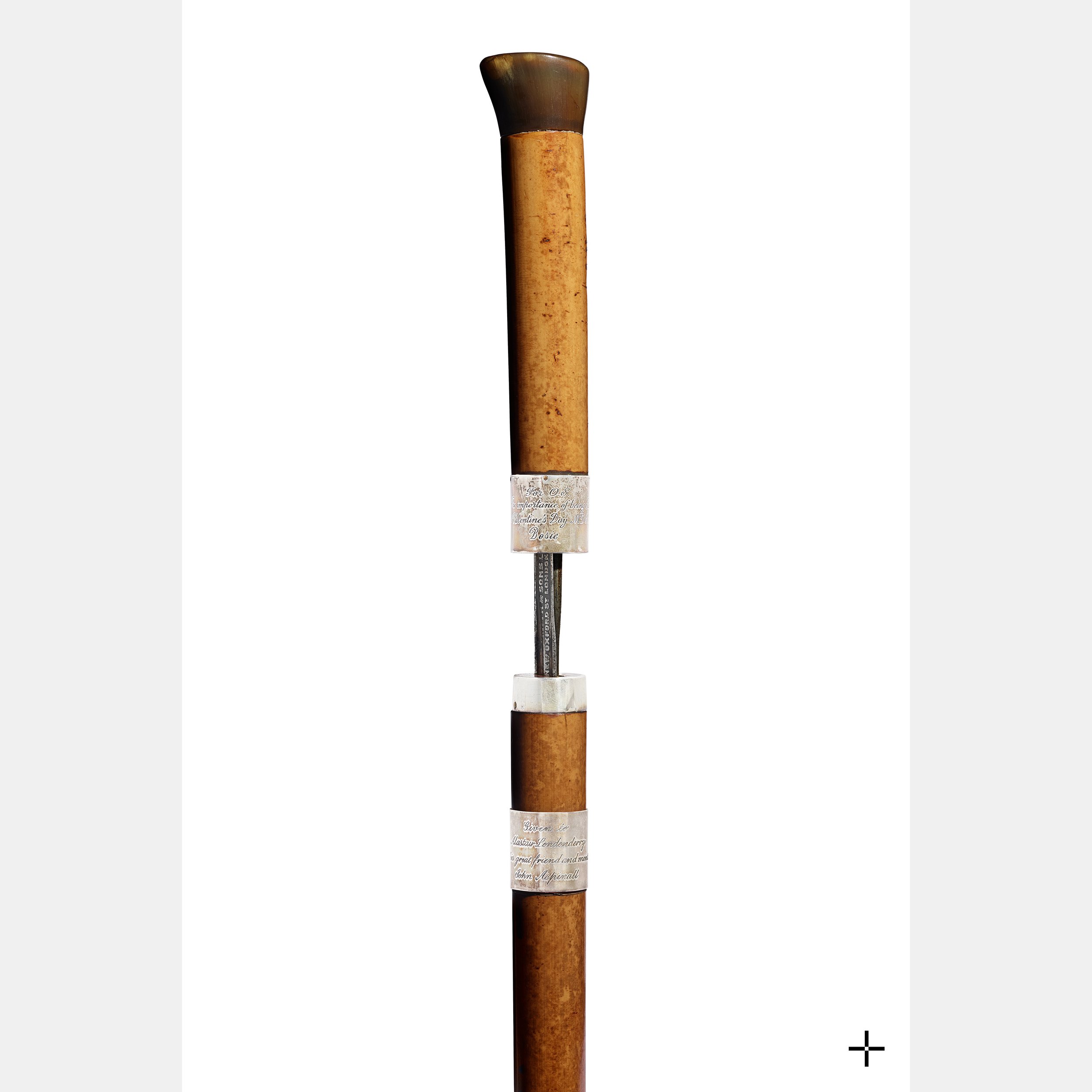
Sword stick, given by Bosie.
Printed on Hahnemühle archival 308gsm Photorag paper.
His pair of well worn signature glasses.
Printed on Hahnemühle archival 308gsm Photorag paper.
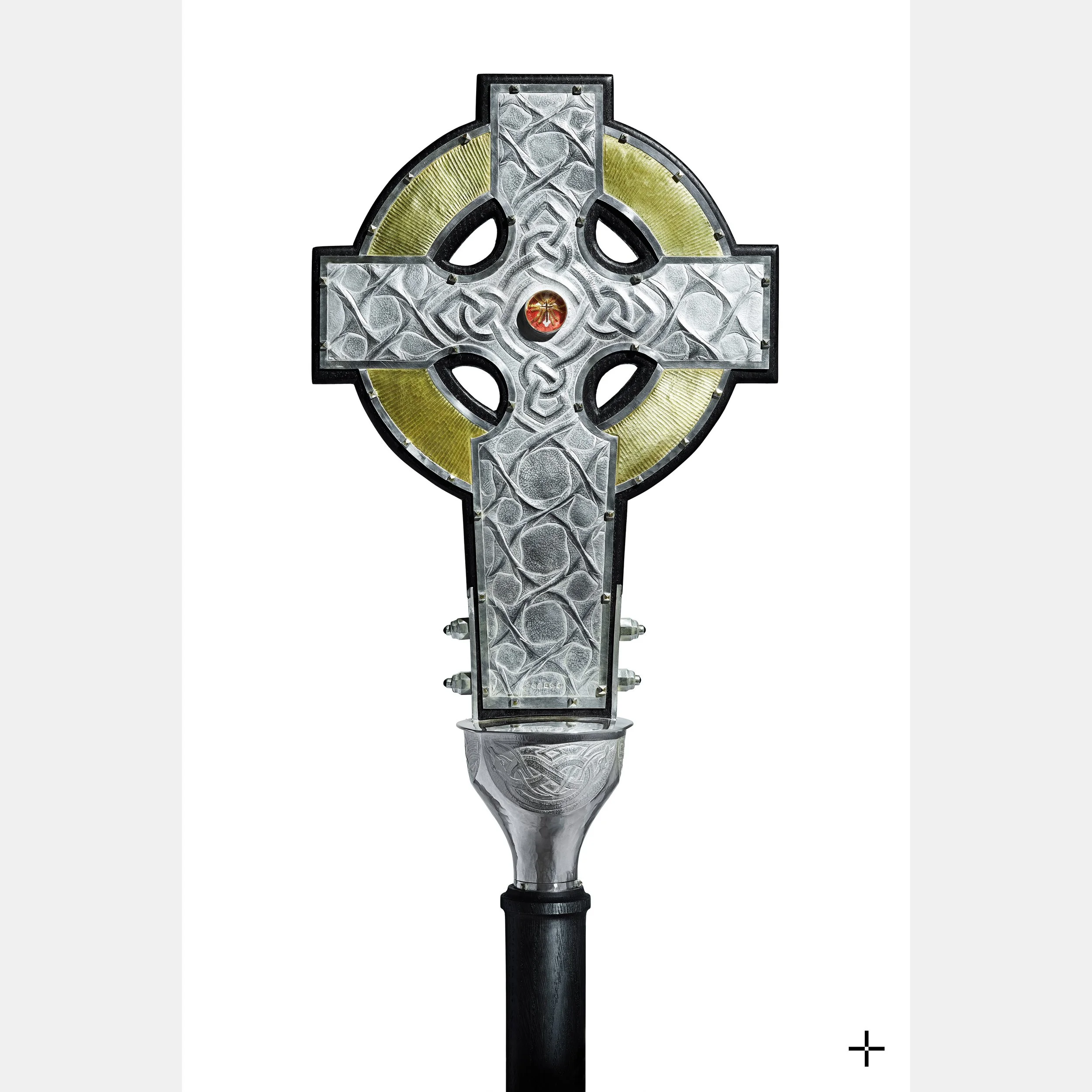
The Cross of Wales, photography fine art print commissioned by H.M. Charles III in celebration of, and used in, his coronation. Designed and made by Michael Lloyd, famously stating it took 267,000 hammer blows to create. It is inset with a piece of the “True Cross” given by the Vatican. The aim of creating the Cross was to bring the Anglican Churches of both England and Wales, as well as the Welsh Catholic Church, closer together.
All prints on Hahnemühle 308gsm archival photorag paper.
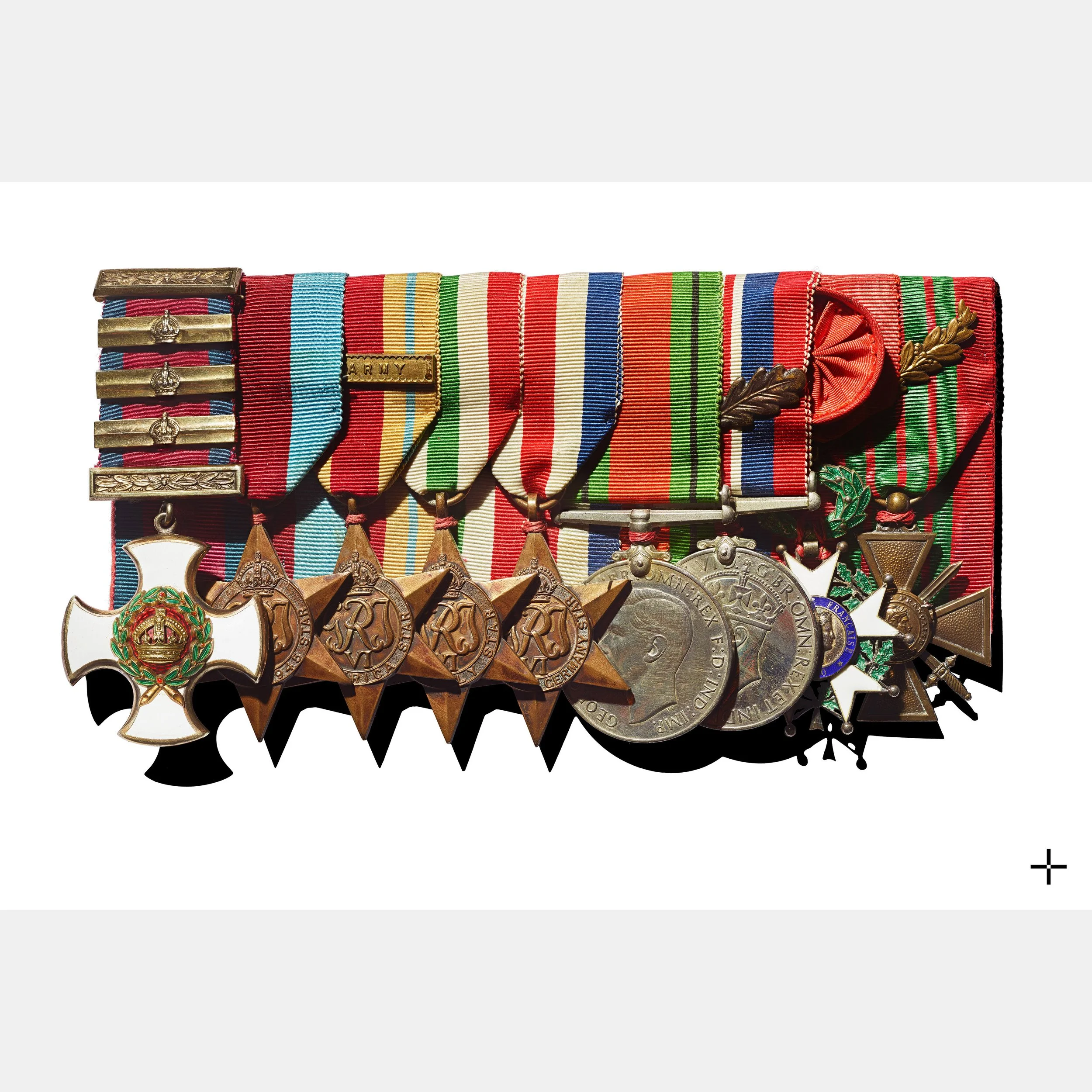
The medals belonging to Blair “Paddy” Mayne, co-founder of the SAS, one of only eight men in all of WWII to be awarded the Distinguished Service Order for gallantry four times.
Printed on Hahnemühle archival 308gsm Photorag paper.
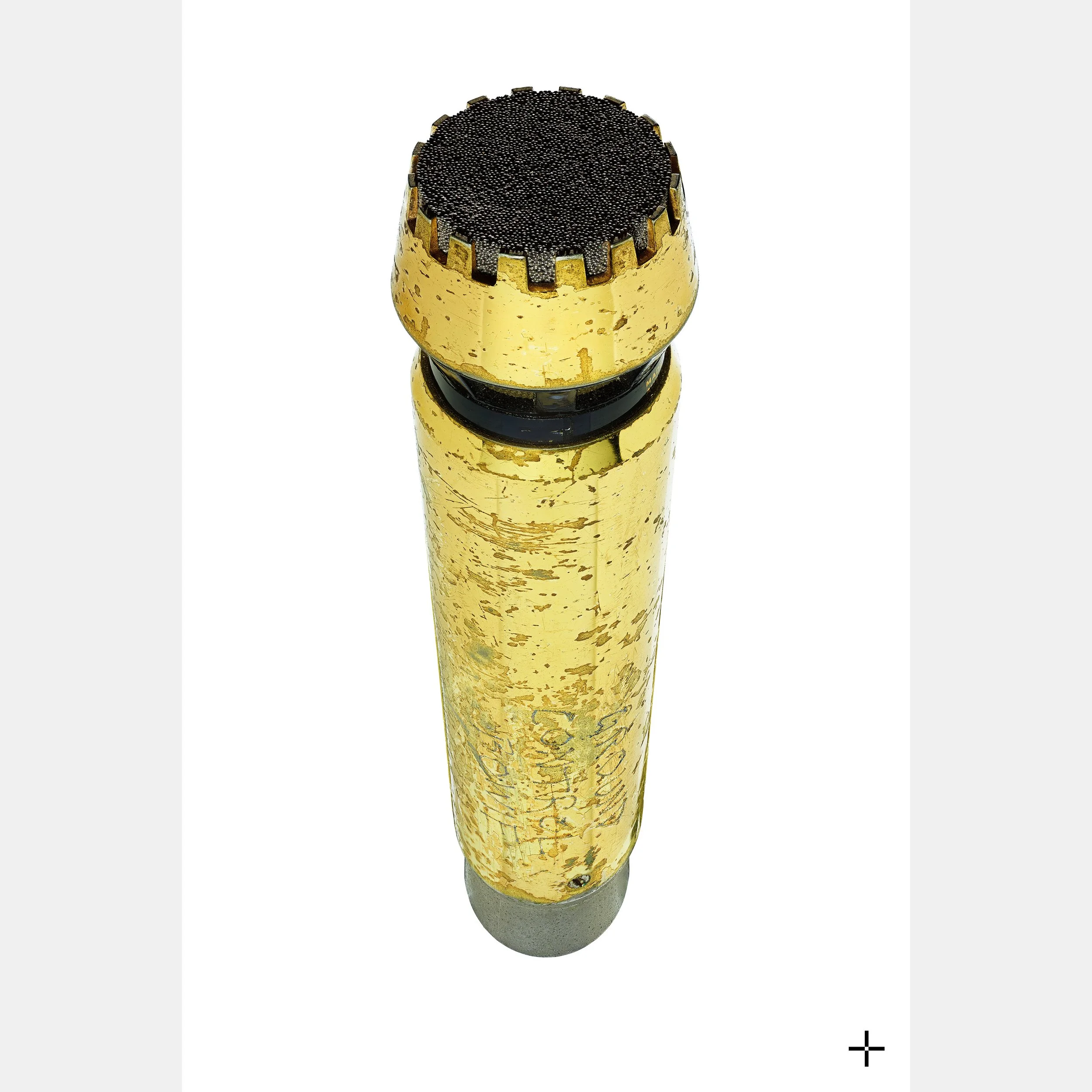
David Bowie: The iconic AKG D 1000C gold microphone, used by Bowie as Ziggy Stardust on tour in 1972-73, with both Bowie and Ground Control scratched into it. From the CH Vintage Audio Collection.
Printed on Hahnemühle archival 308gsm Photorag paper.
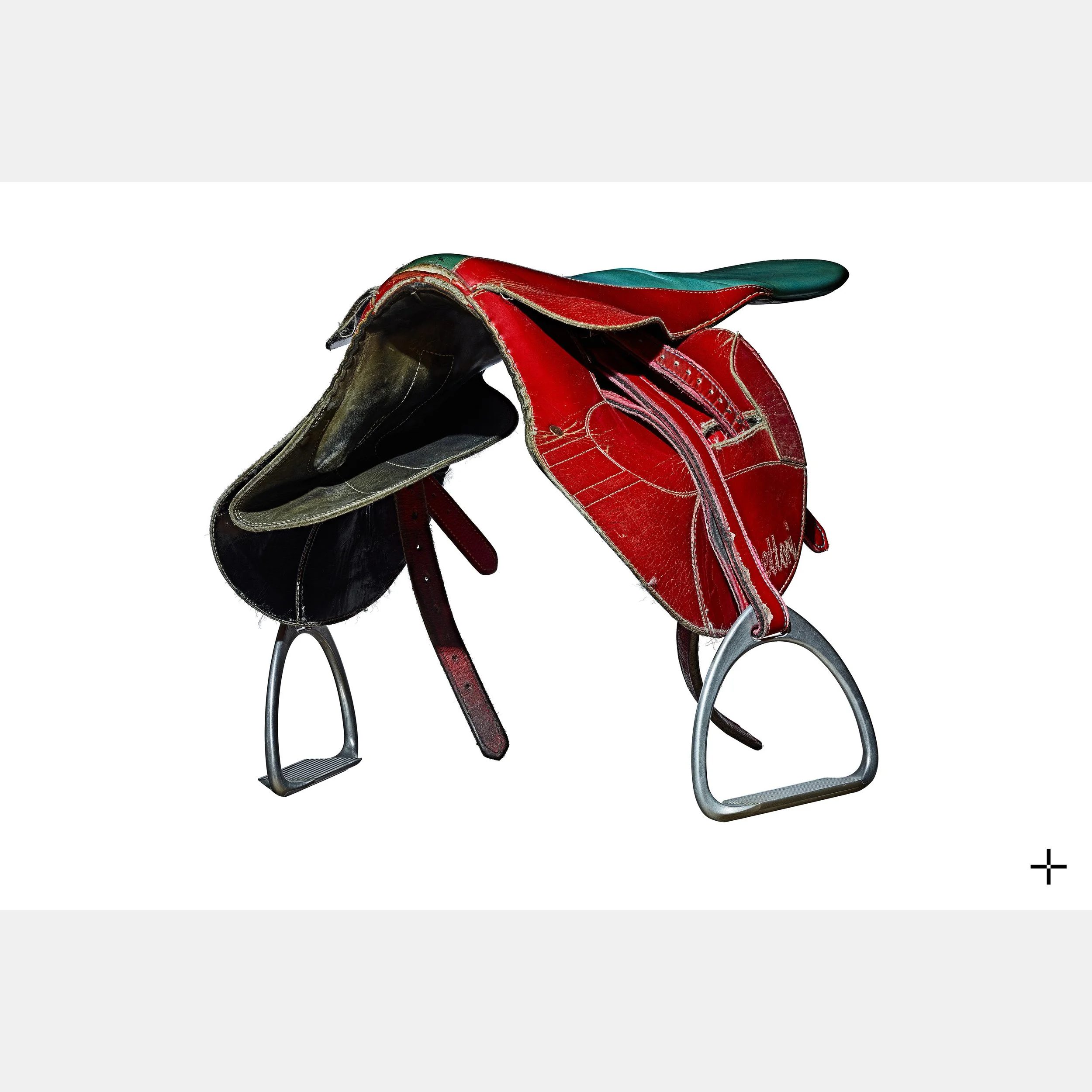
Monogrammed saddle belonging to Frankie Dettori, one of the greatest jockeys of all time.
All prints on Hahnemühle 308gsm archival photorag paper.
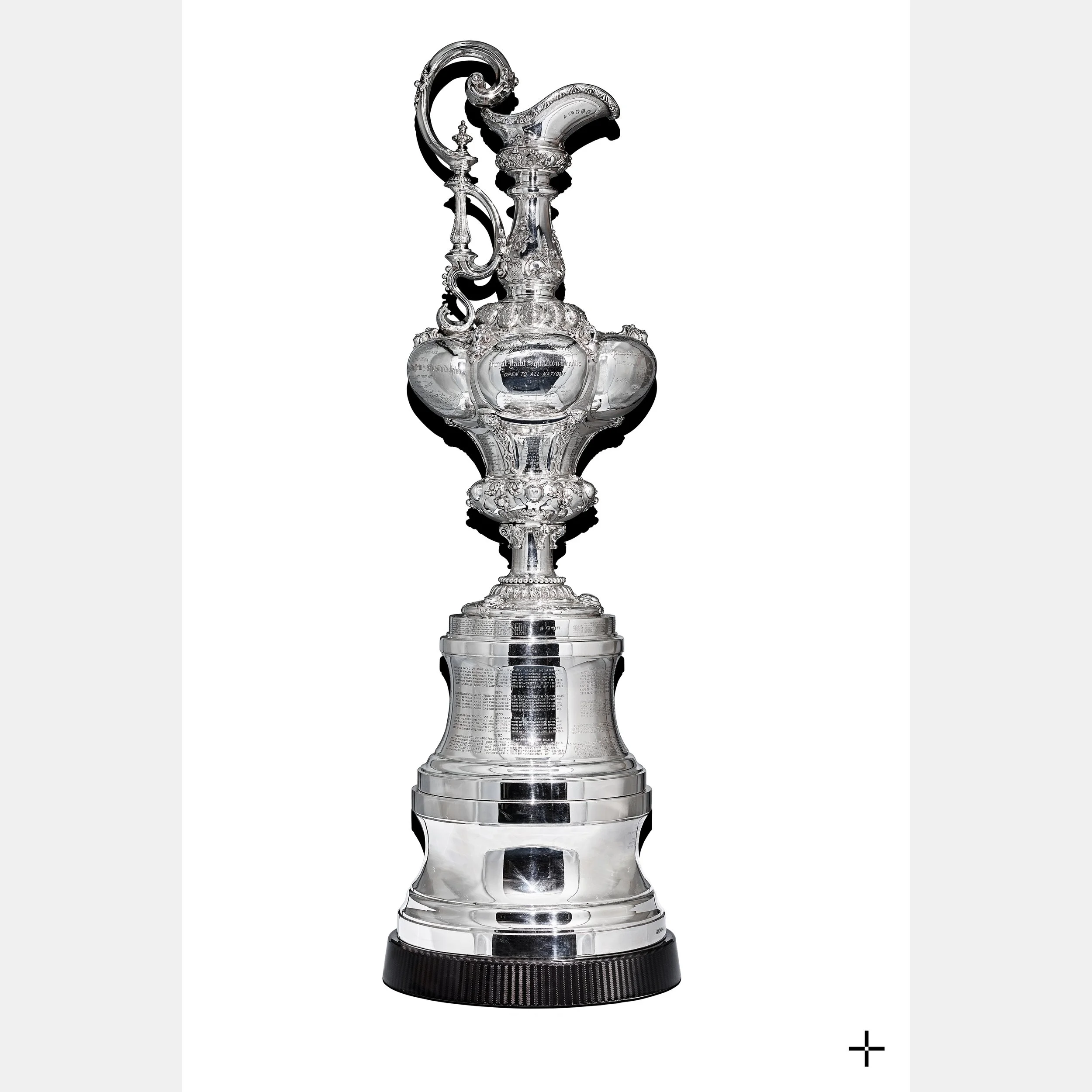
The America’s Cup is the oldest international sporting trophy, dating back to 1851, and represents the pinnacle of competitive yacht racing.
Printed on Hahnemühle archival 308gsm Photorag paper.
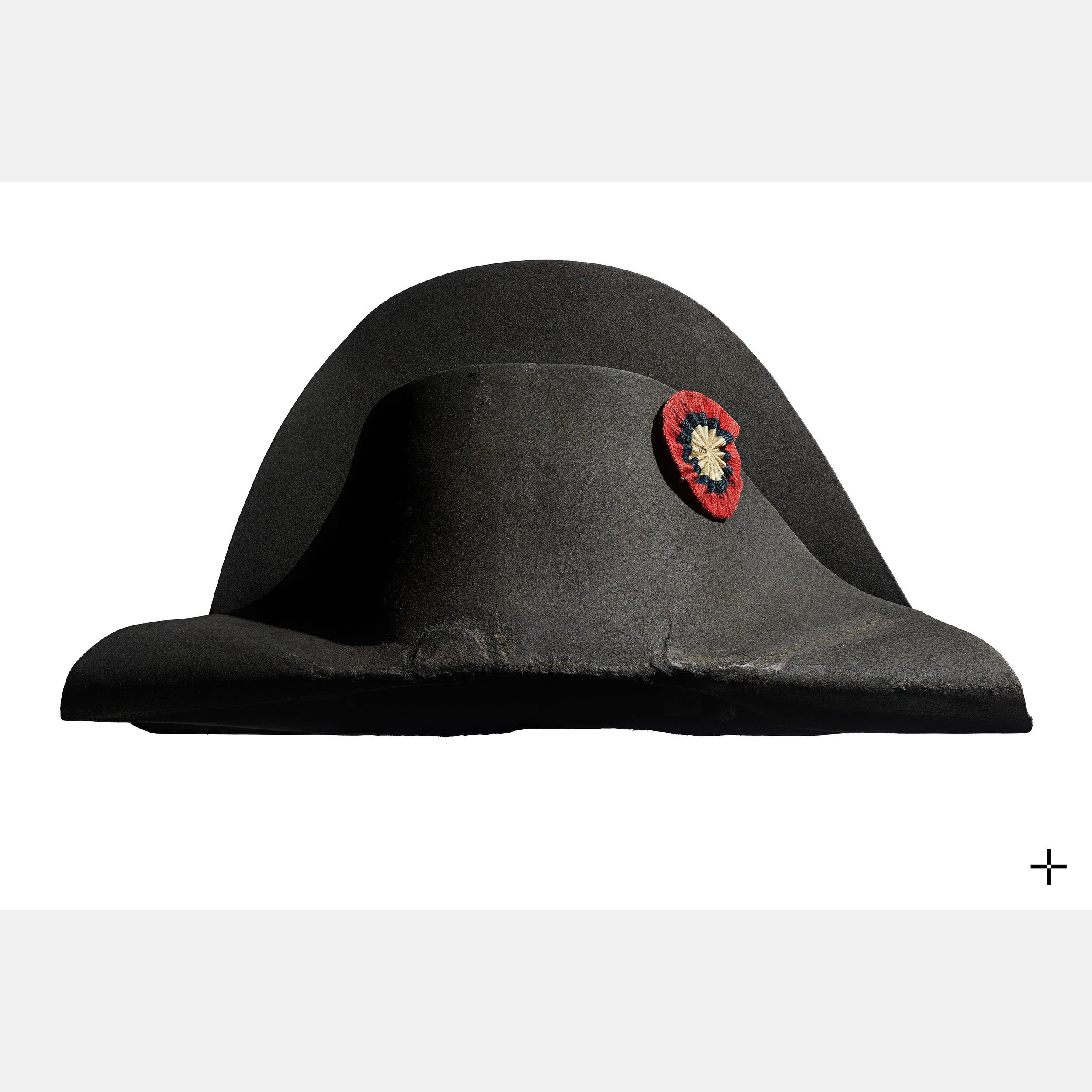
Napoleon Bonaparte’s bicorn hat, abandoned on June the18th, 1815, during his frantic retreat from the Battle of Waterloo to avoid capture by Prussian Fusiliers. It was always worn “en bataille”, so his men could always see him, with the red, white and blue cockade pinned to the brim as a symbol of the 1789-1799 revolution that led to the ambitious Corsican crowning himself Emperor in 1804.
Printed on Hahnemühle archival 308gsm Photorag paper.
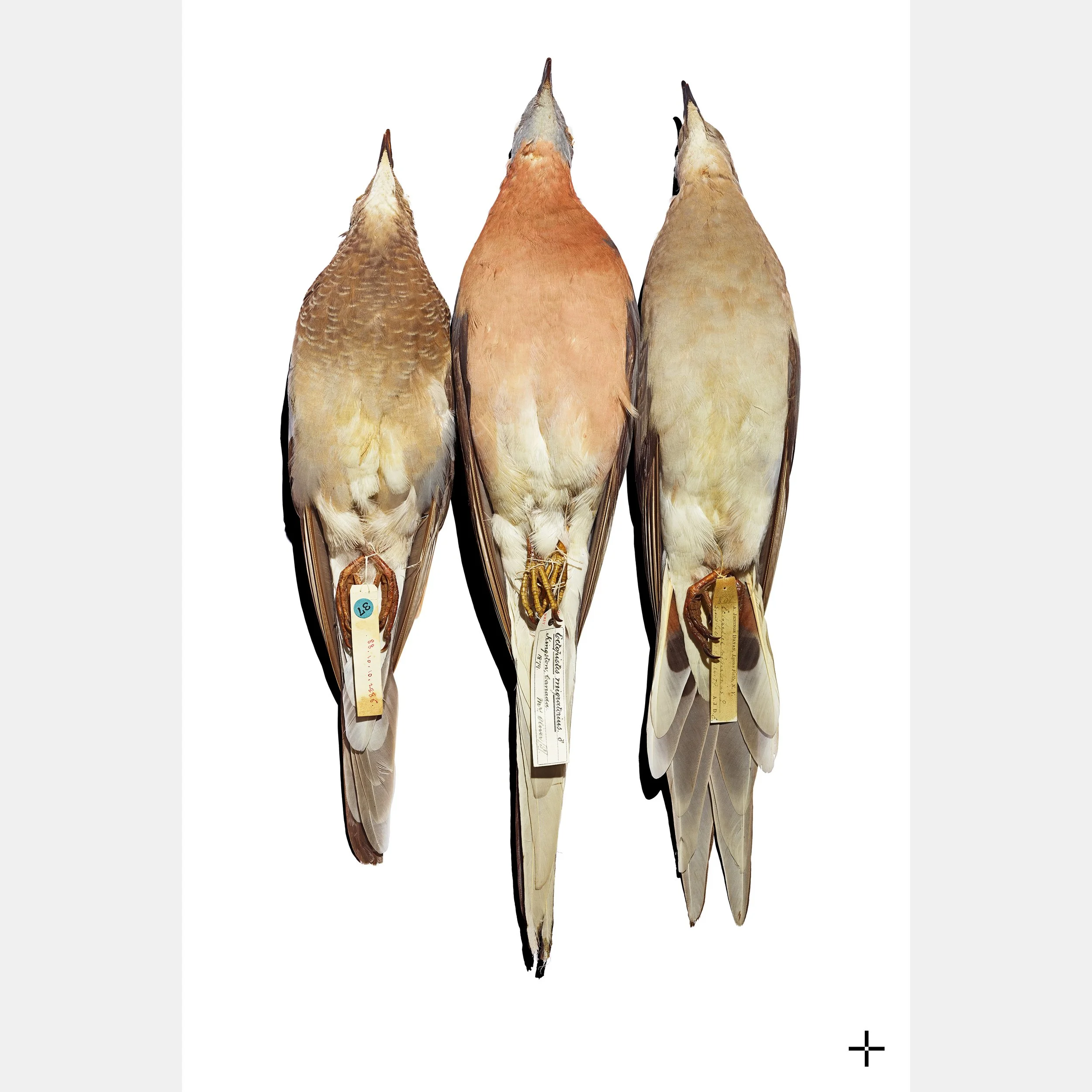
Male, female and juvenile Passenger Pigeons. In 1813 the eminent American naturalist and bird artist, John James Audubon witnessed a flock that was estimated to be 1 mile wide and 240 miles long, taking 3 days to pass. The last recognised wild passenger pigeon was shot on March 24, 1900, in Pike County, Ohio, by a young boy named Press Clay Southworth using a BB gun.
All prints on Hahnemühle 308gsm archival photorag paper.
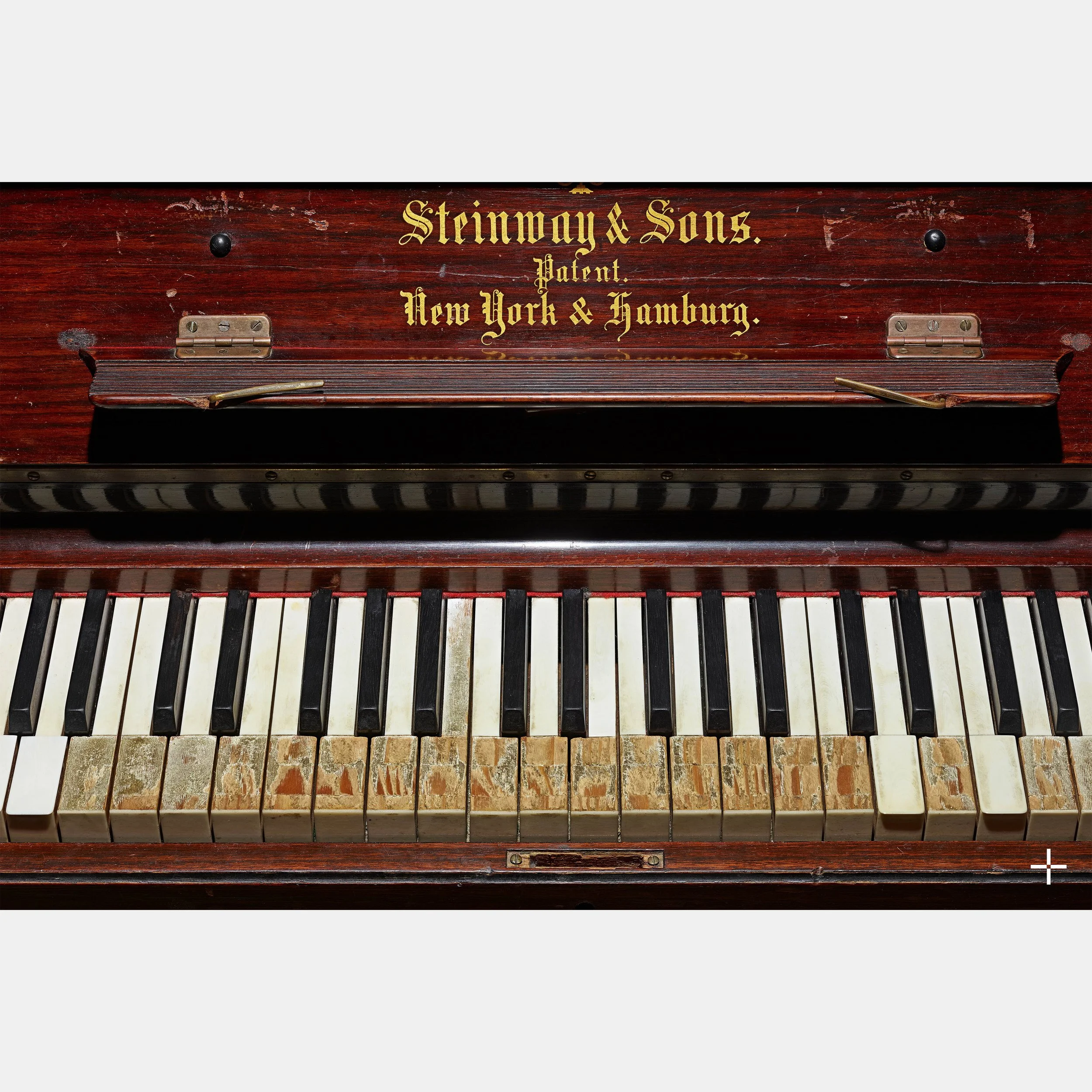
The legendary Mrs. Mills Piano from Studio 2 in Abbey Road Studios, most famously used on “Penny Lane”, “Lady Madonna” and “With a Little Help from my Friends”.
Printed on Hahnemühle archival 308gsm Photorag paper.
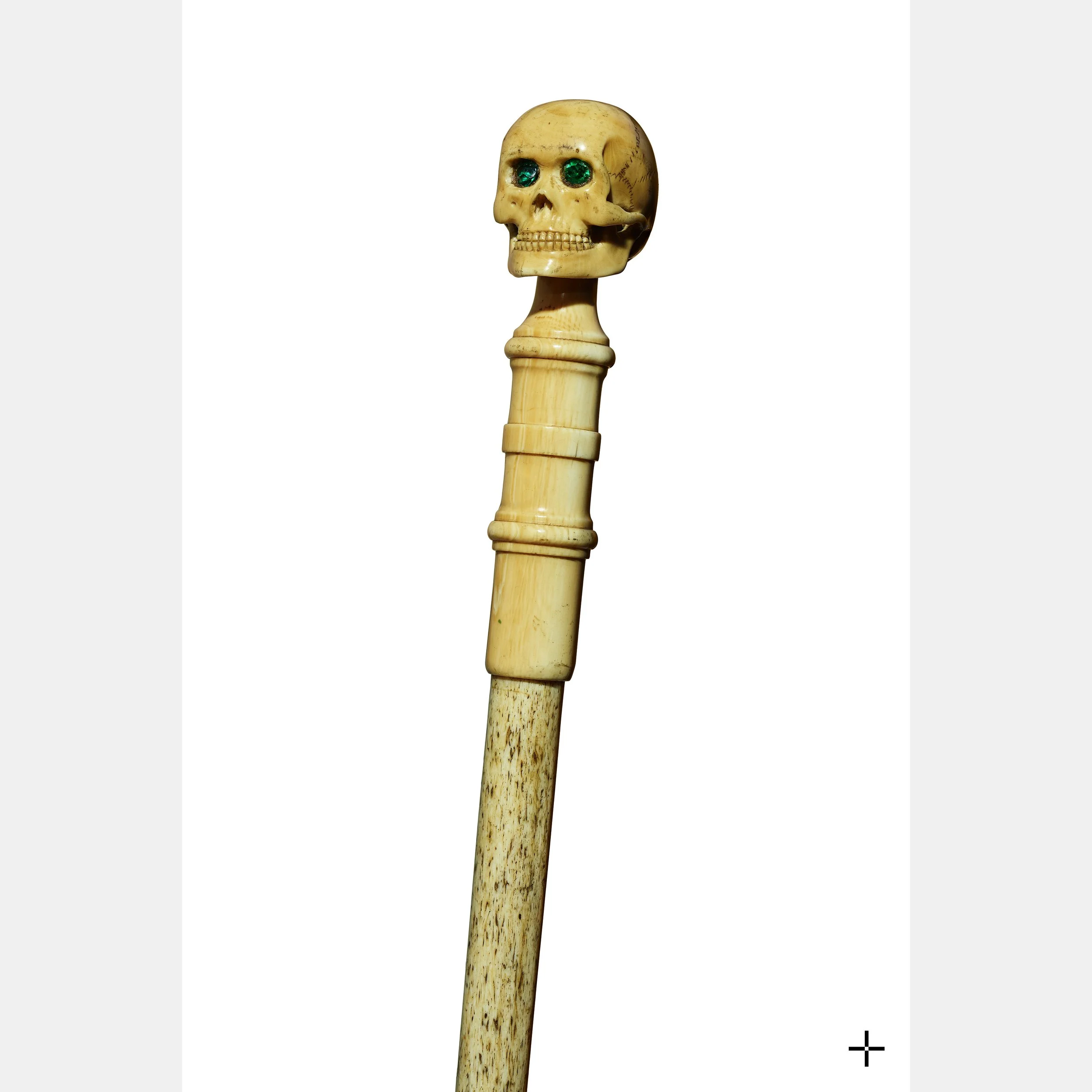
Charles Darwin’s walking cane, which he called his memento mori, with a whalebone shaft and carved walrus ivory skull, inset with green, cut glass, eyes.
All prints on Hahnemühle 308gsm archival photorag paper.
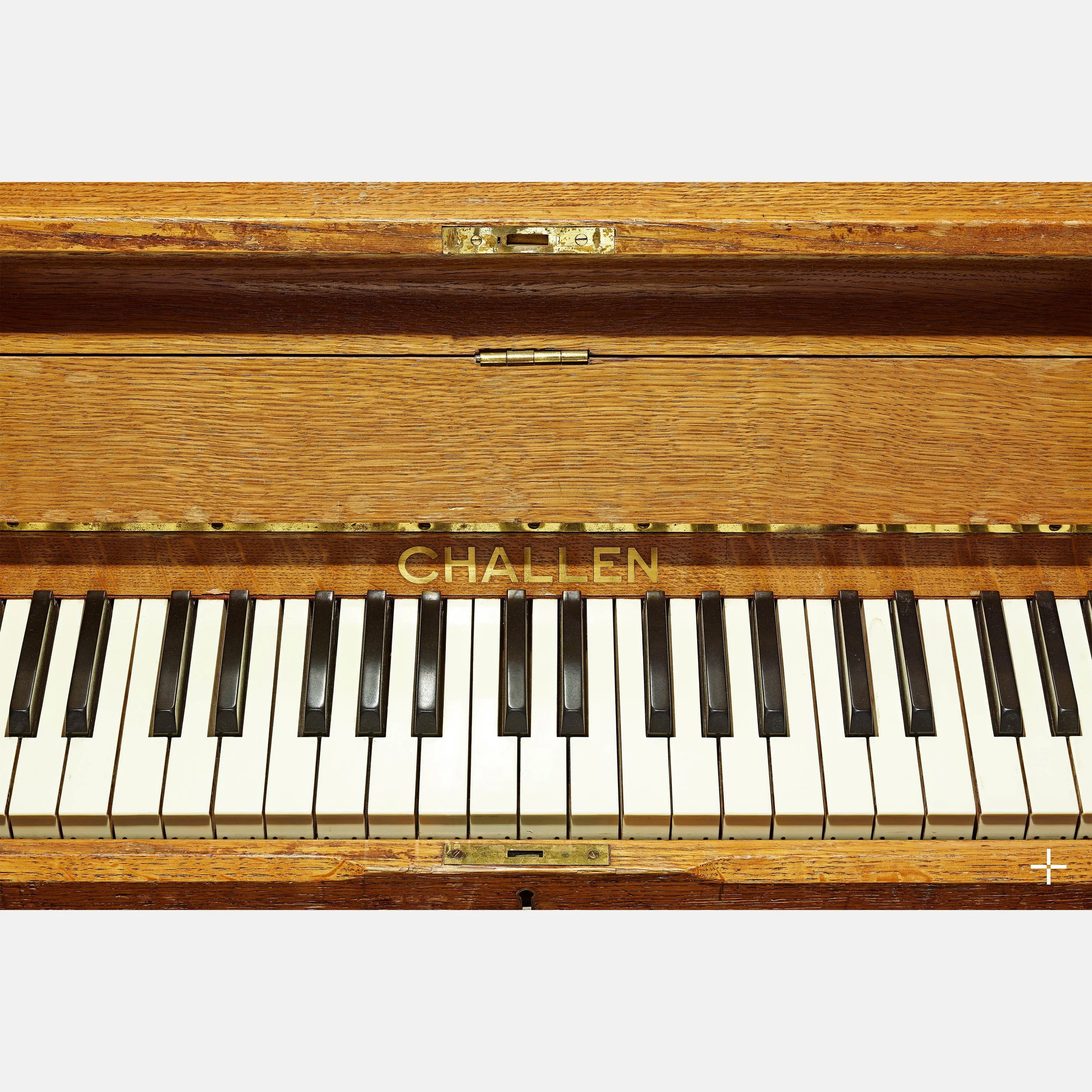
The Studio 2 Challen piano from Abbey Road Studios, often referred to as “the jangle box”, was most famously used on “The Fool on the Hill”, “A Day in the Life” and “Paperback Writer”.
Printed on Hahnemühle archival 308gsm Photorag paper.
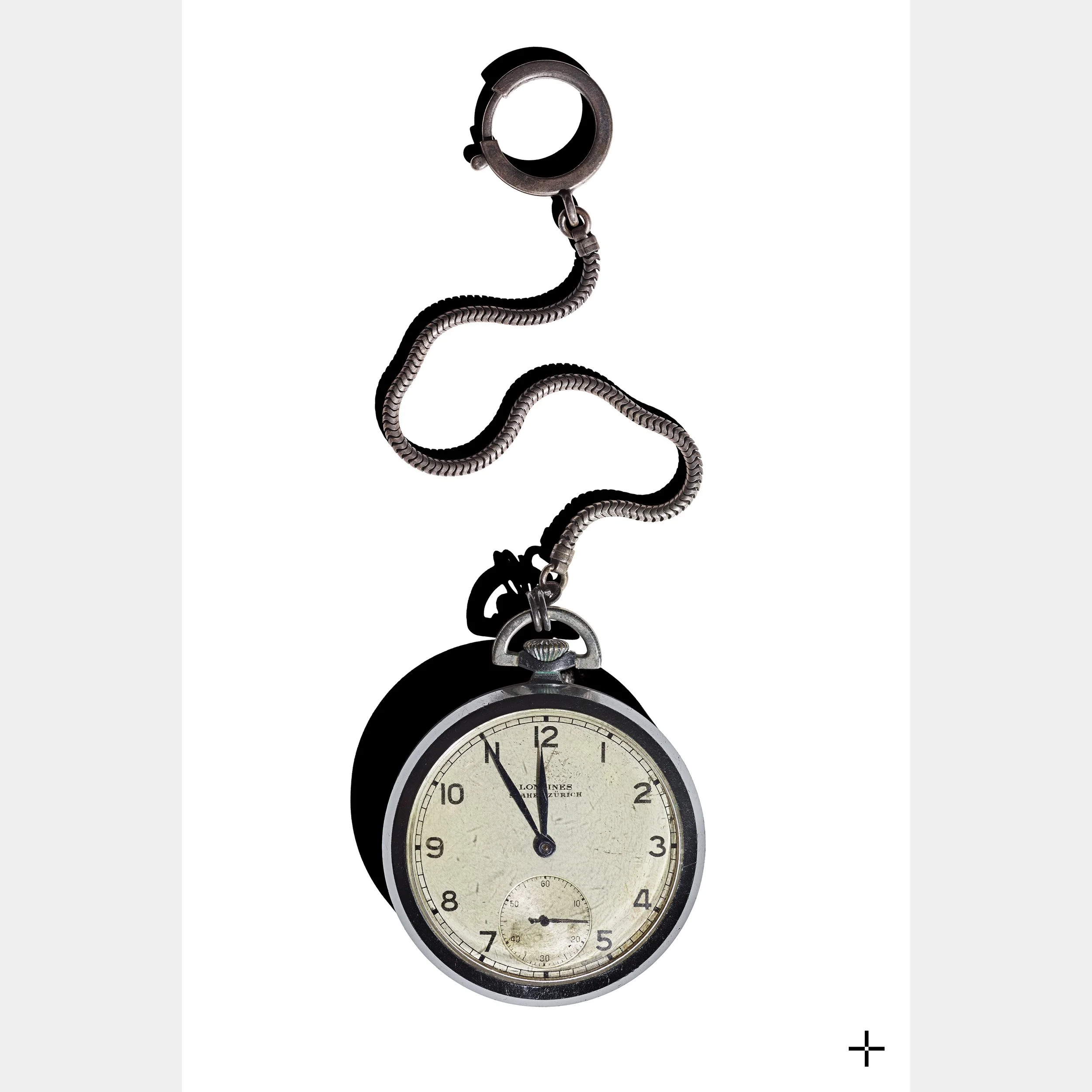
Albert Einstein’s Longines pocket watch that he bought in 1946 and carried with him until his death in 1955. Named “Person of the Century” by Time Magazine, for Einstein, time was not an absolute dimension since it behaves relative to the speed of light, slowing perceptibly the closer we come to the speed of light.
Printed on Hahnemühle archival 308gsm Photorag paper.
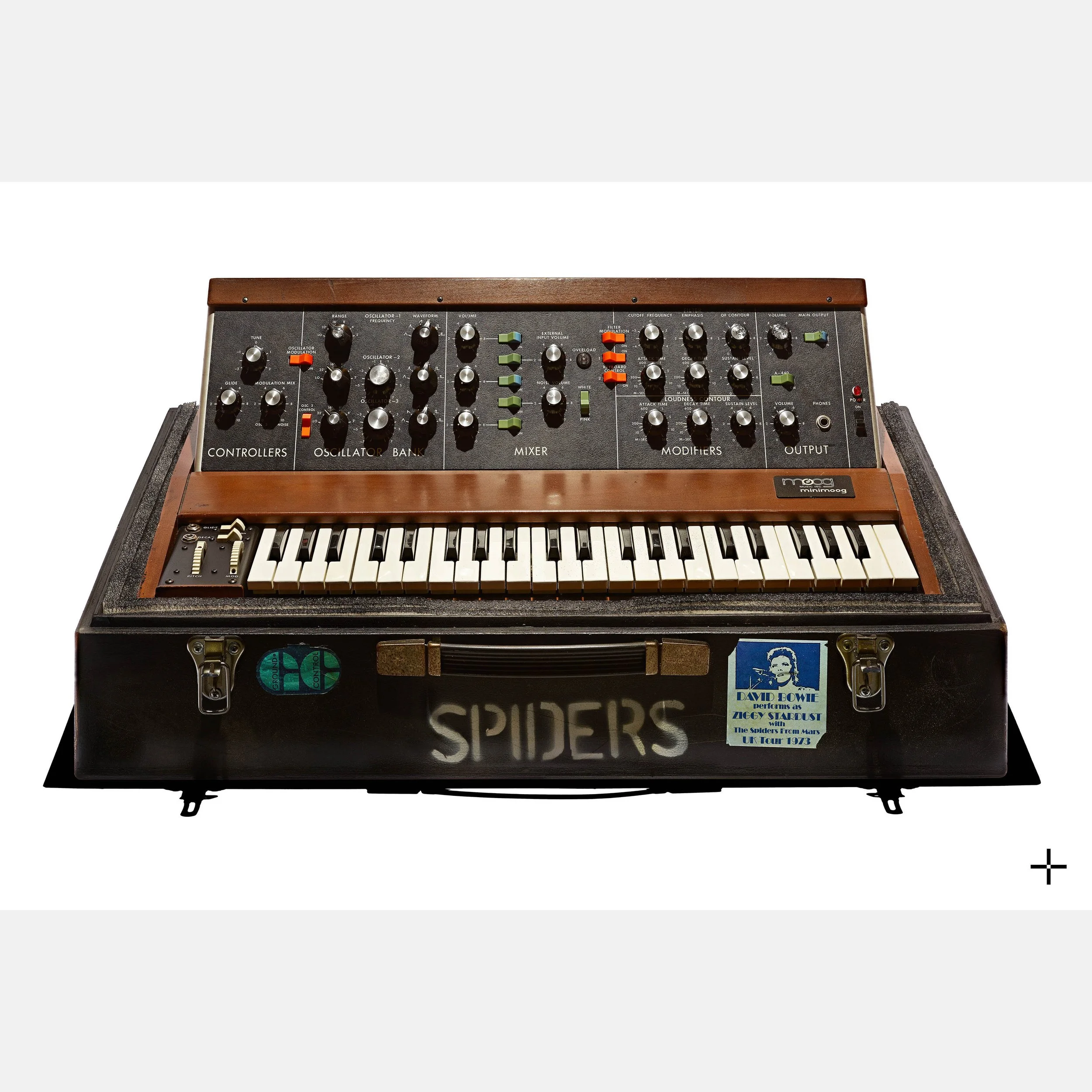
Moog minimoog synthesiser, used by Bowie as Ziggy Stardust with the Spiders from Mars, on tour in 1972-73.
From the CH Vintage Audio Archive.
Printed on Hahnemühle archival 308gsm Photorag paper.
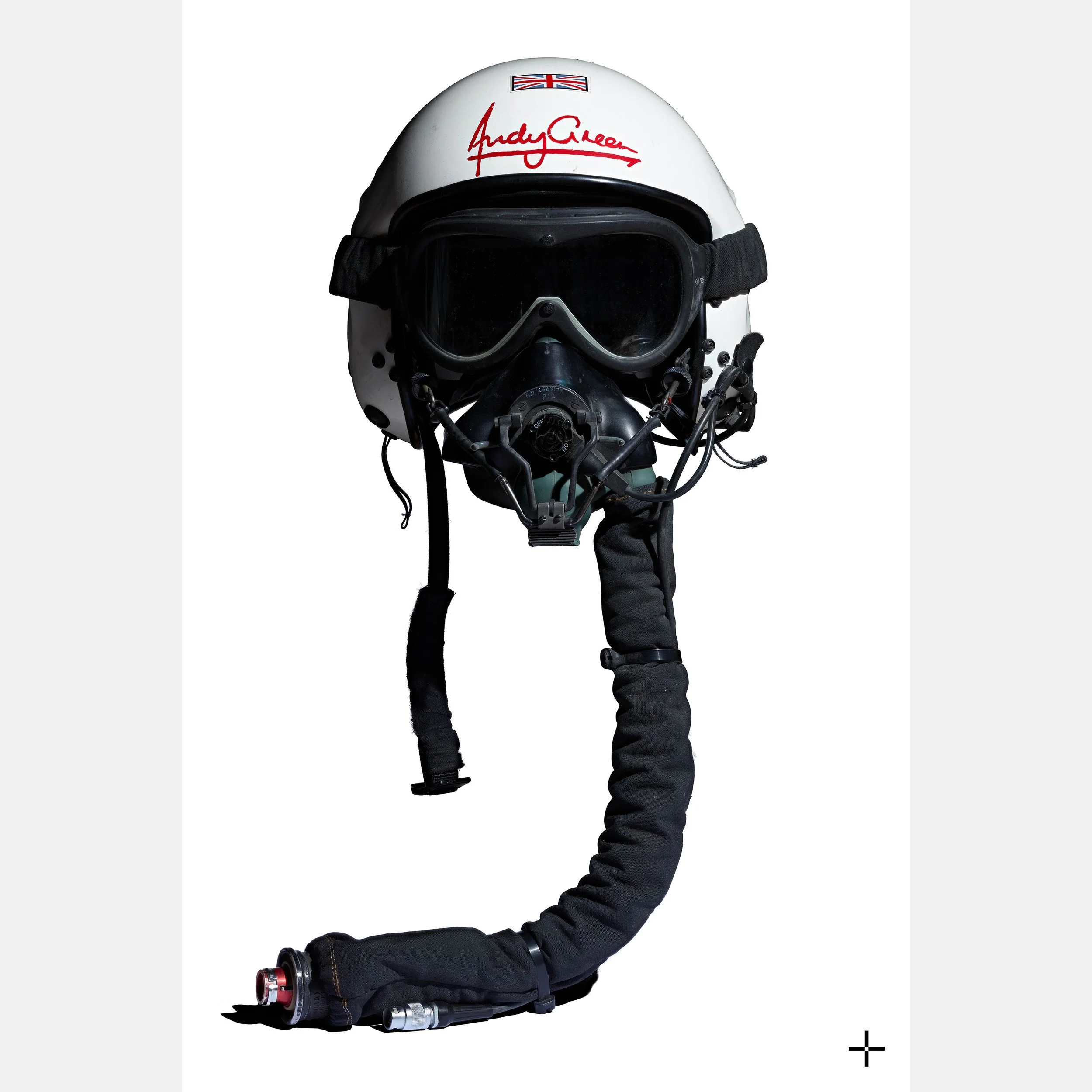
On October 15, 1997 at 10:30am, Wing Commander Andy Green started his second run at Black Rock Desert in ThrustSSC; it was exactly 50 years and 1 day after the sound barrier was broken in aerial flight by Chuck Yeager. He is the first man to break the sound barrier on land, and still holds the land speed record of 763.035 mph to this day.
All prints on Hahnemühle 308gsm archival photorag paper.
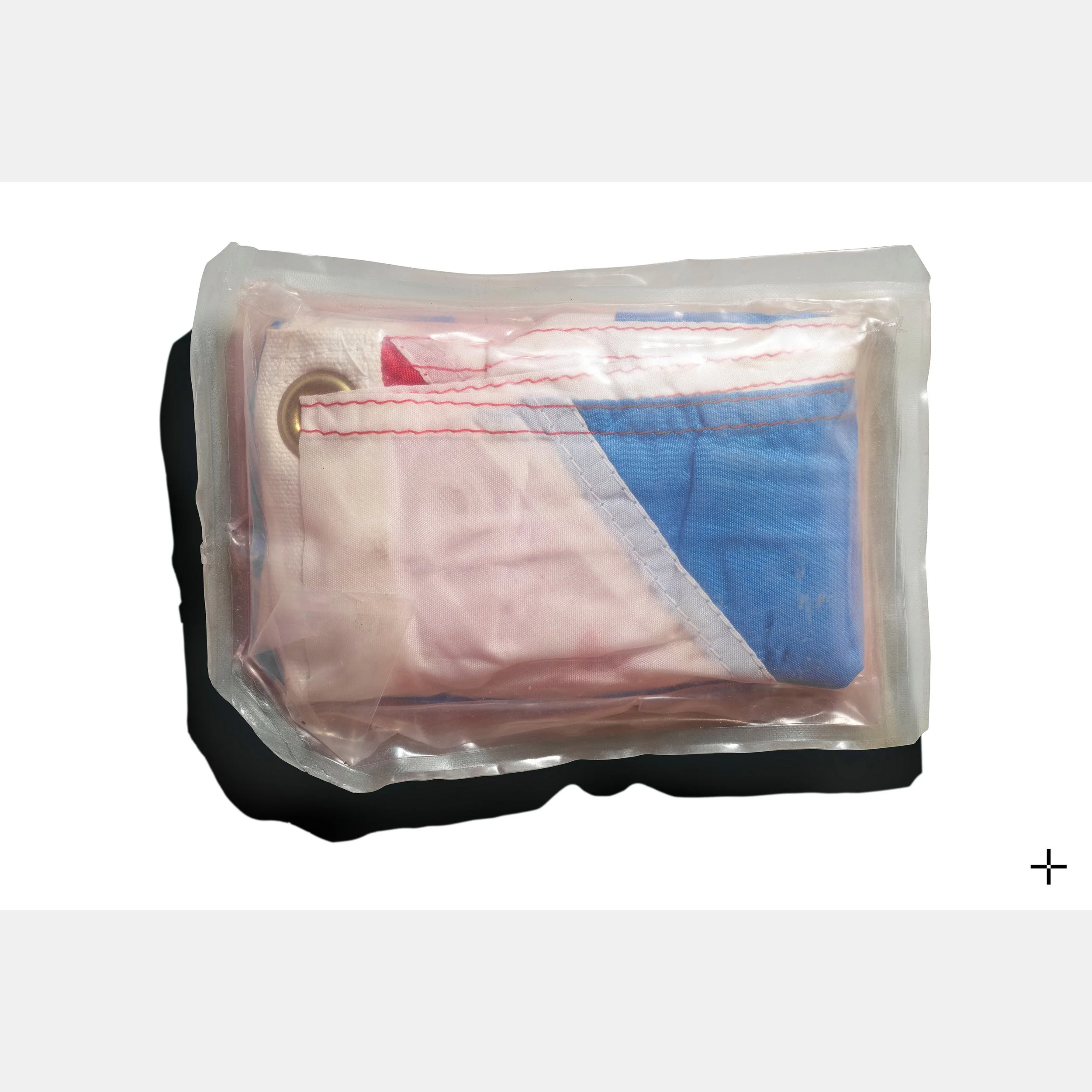
Unopened Explorer’s Club flag from Apollo 13, returned to the Club somewhat apologetically by Jim Lovell for not having landed on the Moon; despite that, Apollo 13 and its astronauts still travelled the farthest from the Earth anyone has ever gone as they slingshot around the Moon: 248,655 miles.
All prints on Hahnemühle 308gsm archival photorag paper.
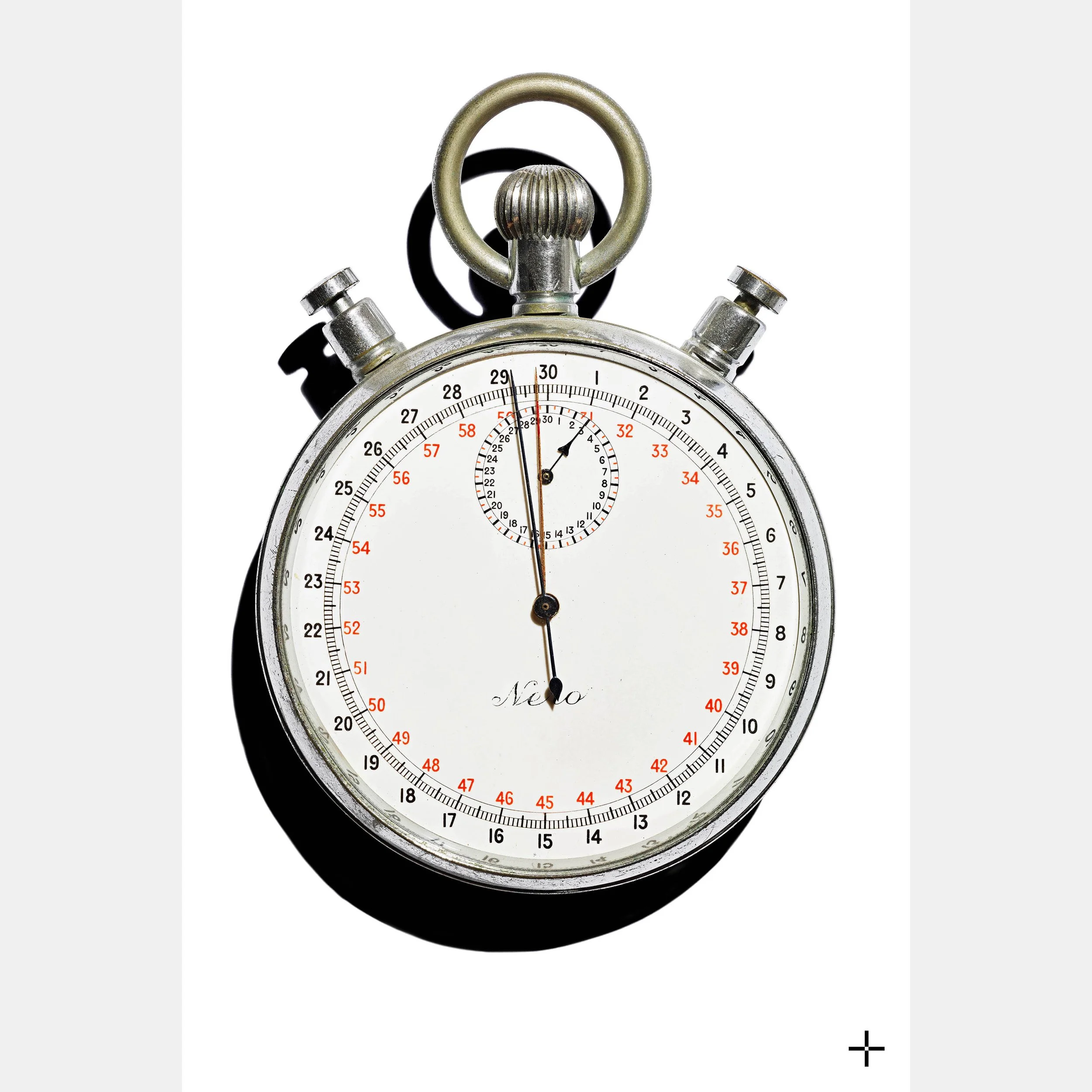
Moments before four minutes past six, on the evening of the 6th of May 1954, Roger Bannister crossed the finish line at Iffley Road Track in Oxford, setting a new World record and breaking the four minute mile. As the announcer read out the time, the crowd erupted as soon as they heard three, and the time keeper holding the stop watch above dropped it, shattering its glass and freezing the record time forever. It would be several minutes before Bannister heard his actual time, a time that up till then had been considered impossible.
All prints on Hahnemühle 308gsm archival photorag paper.
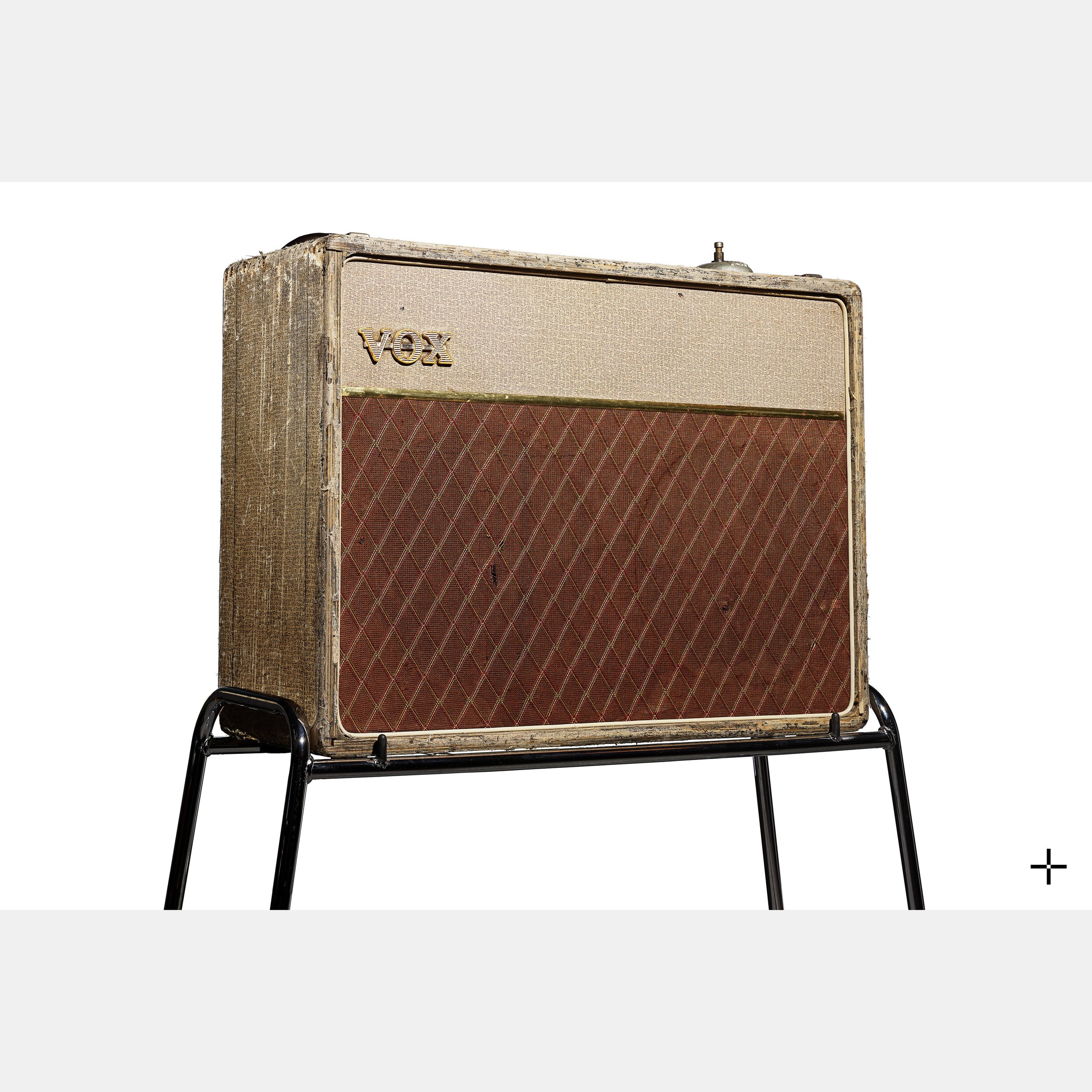
John Lennon’s first guitar amp, a Vox AC15 Twin, used at The Cavern Club in Liverpool, in Hamburg and on their first album “Please, Please Me” in what was to become Abbey Road Studios.
Printed on Hahnemühle archival 308gsm Photorag paper.
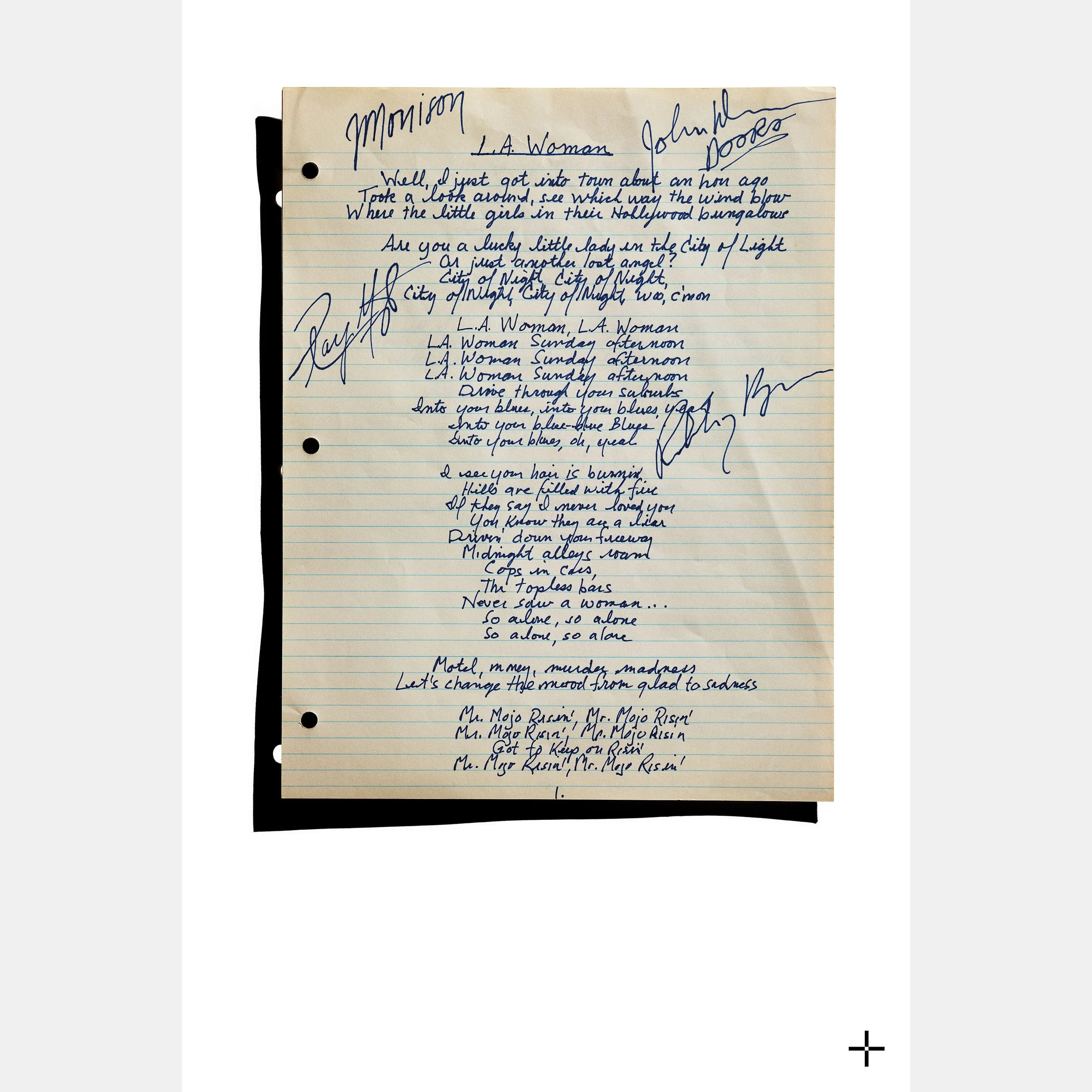
Lyrics to “L.A. Woman, hand written by Jim Morrison, signed by all the band members, Ray Manzarek, Robby Krieger, Jon Densmore and Jim Morrison.
Printed on Hahnemühle archival 308gsm Photorag paper.
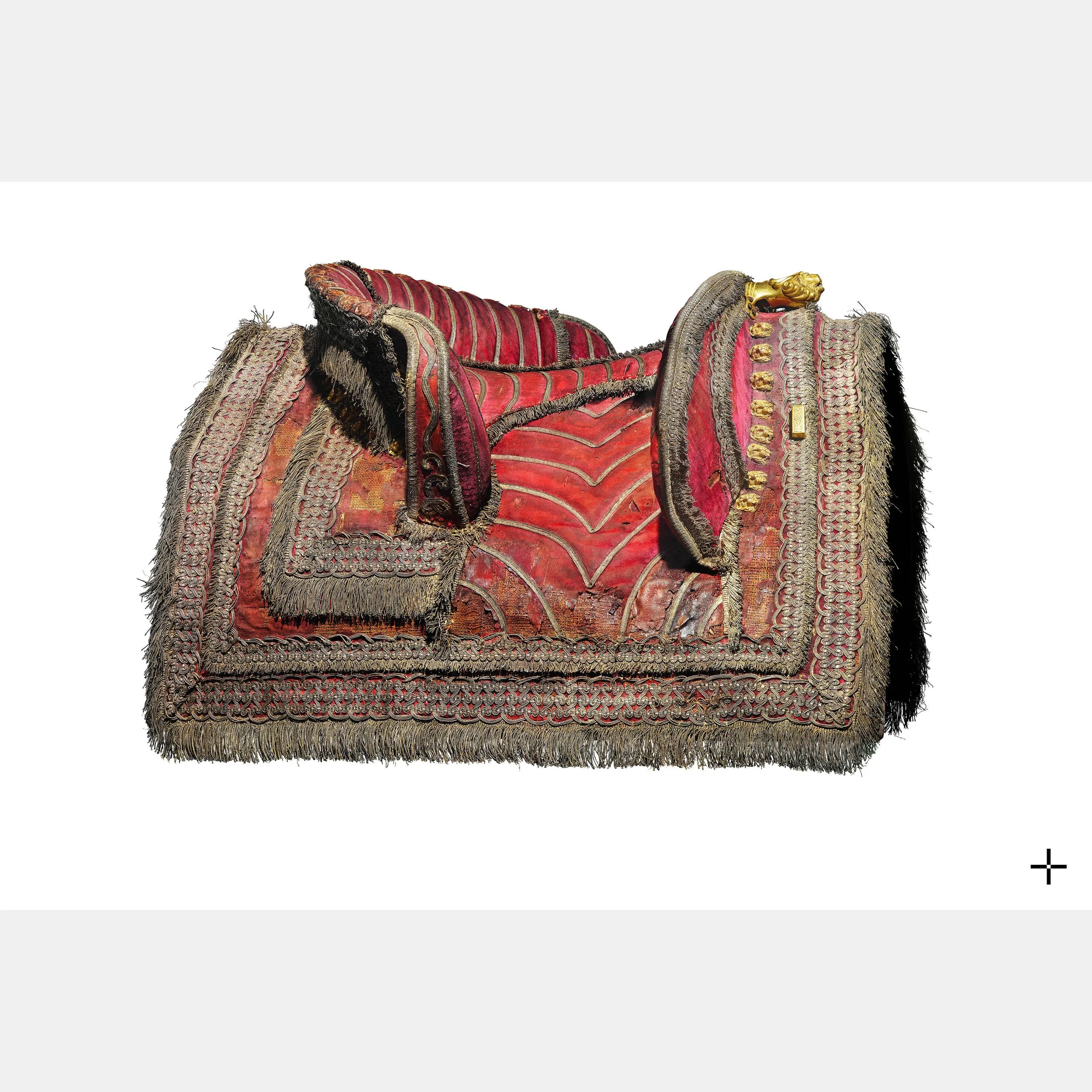
The title of The King’s Champion has been a ceremonial office of the Dymoke family since 1066, responsible for defending a new monarch’s right to the throne at their coronation banquet, by riding in full armour into Westminster Hall to challenge any doubters to combat. This saddle was last used in 1730.
All prints on Hahnemühle 308gsm archival photorag paper.
An FN 191 used in the assassination of Archduke Ferdinand and his wife by Gavrilo Pricip, an event that precipitated the First World War, two shots that led to 20 million deaths. Considered too young to be executed, he died in prison of tuberculosis four years later.
Printed on Hahnemühle archival 308gsm Photorag paper.